
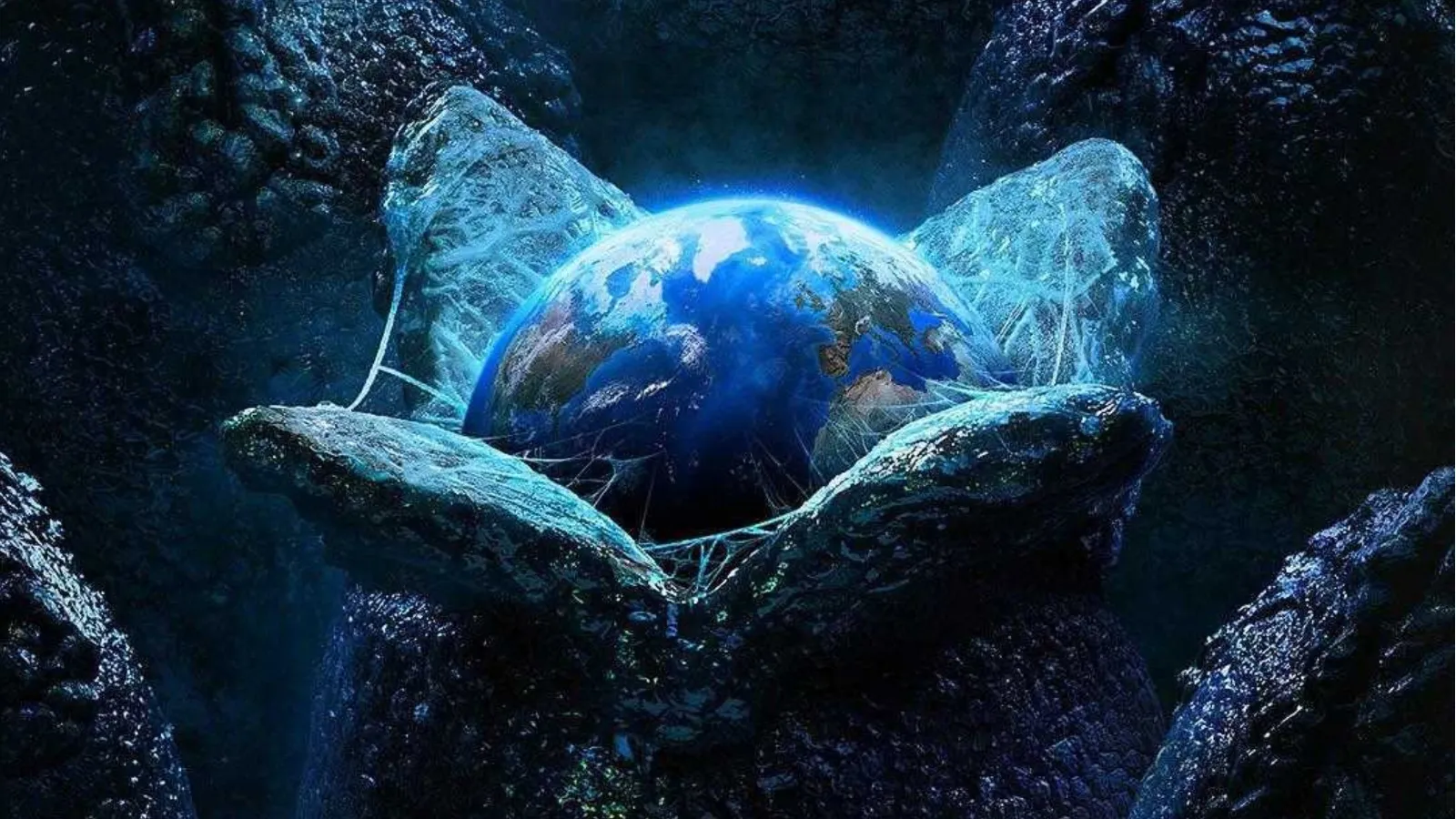
For over four decades, Alien has stood as one of science fiction’s most influential and terrifying franchises. Since Ridley Scott’s original Alien movie debuted in 1979, its grotesque extraterrestrial antagonist—the Xenomorph—has haunted the nightmares of audiences worldwide. Designed by H.R. Giger and brought to life with a blend of practical effects and cinematic restraint, this creature became a symbol of horror in space, its life cycle and appearance meticulously kept mysterious. Now, with the release of Alien: Earth, the franchise has embarked on its most ambitious evolution yet—transitioning into television while pushing its iconic monster into bold new territory.
1. From Screen to TV: A New Frontier for Alien
One of the most remarkable aspects of Alien: Earth is not just its narrative content, but its very existence. After more than 40 years of films, video games, literature, and crossovers, this is the franchise’s first television series—a milestone in its own right. Alien: Earth presents a prequel storyline set in the year 2120, two years before the events of the original Alien film. The decision to move into serialized television has allowed the story and its characters to breathe in ways that weren’t possible in a two-hour movie format.
Television gives Alien the space to expand its lore, revisit familiar themes, and significantly deepen our understanding of the universe’s sinister machinations. But along with this expanded storytelling comes creative risks, especially in how the Xenomorph—the franchise’s most iconic monster—is portrayed and integrated into the narrative.
2. The Xenomorph: From Isolated Horror to Central Presence
In the original Alien films, the Xenomorph was often shrouded in shadow and mystery. Its life cycle—from facehugger to chestburster to towering adult—was revealed slowly, one terrifying stage at a time. This incremental approach maintained dread and suspense, making every sighting of the creature an event in itself.
Alien: Earth breaks with this tradition. Because of the format, the Xenomorph appears more frequently and in broader daylight, making it less of a hidden horror and more of a central antagonist throughout the series. This shift is itself notable: the franchise has rarely shown the creature so openly and as often. Some fans and critics see this as a dilution of the original atmospheric terror, arguing that the frequent visibility of the Xenomorph diminishes its mystique. Others appreciate the opportunity to see the creature in new contexts and narrative beats.
Moreover, Alien: Earth isn’t just content with repeating the traditional Xenomorph formula—it explores new biology and interactions with the creature, questioning how its life cycle and behavior might adapt to different environments, especially on Earth itself. While this evolution isn’t universally praised among fans, it represents one of the show’s most daring creative decisions.
3. Canon Expansion: A New Interpretation of Xenomorph Life
One of the surprising firsts Alien: Earth pulls off is how it redefines certain elements of the Xenomorph’s life cycle—a topic long debated and explored in Alien lore. In earlier installments and expanded universe works, the life cycle was complex and sometimes contradictory, with multiple prequels offering different origins and interpretations. Alien: Earth takes a more grounded, biomechanical approach.
For example, in one pivotal episode, scientists reverse-engineer an alien egg and discover that the Xenomorph embryo can be activated simply by immersion in water with living tissue. The creature then behaves almost like a voracious tadpole, eating its way into a host and beginning its transformation into a drone. This depiction simplifies the creature’s origin and introduces a biological logic previously unseen in the franchise.
This scientific reinvention is significant because it brings Alien closer to the realm of speculative biology than pure cinematic horror. Traditionally, the franchise emphasized a monstrous unknown—not just as a creature but as a biological mystery. By positing a new trigger mechanism and life stage, Alien: Earth expands the canon in a way that future stories—movies, books, or series—may need to reckon with.
4. The Story Beyond the Monster
While the Xenomorph remains a central horror element, Alien: Earth also broadens its focus to include competing human elements and corporate interests. The narrative delves into the ambitions of powerful organizations such as Prodigy and Weyland-Yutani, exploring how greed and secrecy fuel the spread of alien threats. This shift toward corporate conspiracy and systemic exploitation adds a layer of socio-political commentary that the original films only hinted at.
Characters like Wendy—a young woman whose consciousness and body challenges conventional categories—signal the franchise’s willingness to explore new angles on humanity itself. These hybrid and synthetic elements introduce philosophical questions about identity, survival, and evolution in a world intertwined with alien life.
Such thematic broadening marks Alien: Earth as a departure from a simple monster narrative to a more ambitious sci-fi drama, blending horror with speculative questions about technology, body autonomy, and human ambition.
5. Critical Reception and Fan Debate
The arrival of Alien: Earth has sparked lively debate among fans and critics. Many applaud the series for reinvigorating the franchise and bringing the fear of the alien horrors back into mainstream conversation, especially after years of mixed responses to movies like Prometheus and Alien: Covenant. The TV format allows for deeper character arcs, aesthetic reinvestment, and fresh ideas that honor the original while forging new paths.
However, not all responses have been positive. A considerable faction of the fan base has criticized the portrayal and frequency of the Xenomorph, claiming that too much exposure reduces the creature’s mystique and horror. Some see design choices as less effective than the practical effects and lighting used in earlier films. These criticisms highlight the challenge of balancing innovation with preservation of legacy.
Still, the series has garnered high ratings from critics and audiences alike, with some episodes scoring impressively on platforms like Rotten Tomatoes, suggesting strong mainstream approval even amid niche complaints.
6. A New Era for Alien
Perhaps the most important takeaway from Alien: Earth is that the franchise has entered a new era—one that recognizes its legacy while being unafraid to reinvent itself. Television allows layered storytelling, which the series exploits to explore not just monsters, but what they signify: corporate power, human ambition, survival ethics, and the nature of fear itself.
The presence of the Xenomorph on Earth—not just in space—feels symbolic. It’s no longer just a creature lurking in the shadows of starships; it’s now woven into the narratives of human society, public perception, and narrative consequence. That’s a thrilling and terrifying notion that challenges both characters and viewers alike.
In this regard, Alien: Earth doesn’t just deliver a first for the franchise—it redefines expectations. The Xenomorph, once a symbol of hidden cosmic terror, becomes part of a broader tapestry of horror, ethics, and identity. Whether this reinvention pleases every fan is beside the point: the series has proven that Alien can evolve without losing the primal fear that made it iconic in the first place.
7. What Comes Next?
With a second season already confirmed following the cliffhanger finale of season one, Alien: Earth is poised to continue expanding the franchise’s mythos. As audiences anticipate new developments, creators have the opportunity to build on both the biological redefinitions of the Xenomorph and the socio-political storytelling that makes the series distinctive.
The success of Alien: Earth could very well influence future films, games, and books in the franchise, establishing new canon elements that were once considered peripheral or speculative. It may even pave the way for crossovers or expanded narratives that explore other parts of the Alien universe.
Conclusion
Alien: Earth marks a significant moment in science fiction and horror television. By bringing the Xenomorph—the franchise’s iconic monster—into a new context and format, the series pushes the boundaries of what Alien can be. Through serialized storytelling, expanded lore, and bold reimagining of the creature’s biology and narrative role, the show delivers a surprising first that could shape the franchise for years to come. The terrifying creature remains at the heart of the franchise, but the story around it is evolving, promising a future full of new horrors, deeper mysteries, and bigger questions about humanity’s place in a universe filled with danger and wonder.
Read Also: Keep your face towards the sunshine and shadows will fall behind you
Watch Also: https://www.youtube.com/@TravelsofTheWorld24












Leave a Reply