
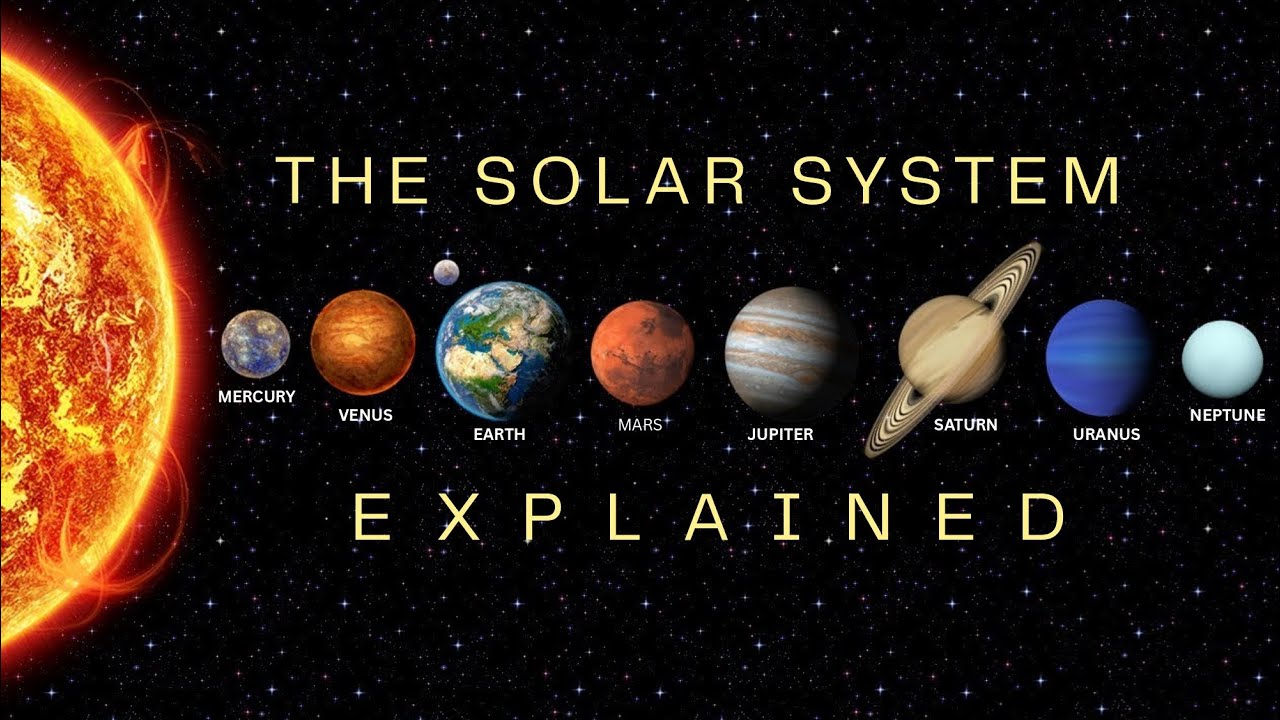
The universe is vast, mysterious, and awe‑inspiring. But within this immense cosmos lies a neighborhood we call home: the Solar System. It’s a place of fiery suns, icy worlds, rocky landscapes, swirling storms, and rings that captivate the imagination. For centuries, humans have looked up at the night sky and wondered what lies beyond our own world. Today, thanks to advances in technology and human curiosity, we have begun a remarkable journey of exploration—one that has revealed wonders we could hardly have imagined. This tour of the Solar System will take you from the searing surface of Mercury to the deep freeze of Neptune, with stops at every celestial wonder in between. Buckle up—this is a journey you won’t want to miss!
1. The Sun: The Heart of Our Solar System
No Solar System tour can begin anywhere but at the center: the Sun. This colossal ball of glowing plasma makes up more than 99% of all the mass in our entire Solar System. It is a massive nuclear furnace, converting hydrogen into helium and releasing an extraordinary amount of energy in the process. This energy fuels life on Earth, drives our weather, and governs the orbits of all the planets.
The Sun’s surface temperature averages about 5,500°C (9,932°F), while its core reaches a staggering 15 million°C (27 million°F). Solar phenomena, such as solar flares and coronal mass ejections, can send charged particles toward Earth, creating dazzling auroras but also disrupting satellites and communications.
Despite its familiarity, the Sun still holds secrets. Scientists study it constantly using spacecraft like the Parker Solar Probe, which dives closer to the Sun than anything before it, revealing new insights into the physics of our star and the forces that shape the entire Solar System.
2. Mercury: The Scorched Rock Close to the Sun
The closest planet to the Sun, Mercury is a world of extremes. With no significant atmosphere to buffer temperature, its surface swings between blistering heat of around 430°C (800°F) during the day and bone‑chilling cold of −180°C (−290°F) at night. This dramatic fluctuation makes Mercury one of the most hostile places in the Solar System.
Mercury’s surface resembles that of our Moon, covered in craters formed by billions of years of asteroid impacts. The Mariner 10 and MESSENGER missions have revealed a landscape scarred by cliffs, craters, and strange terrain known as “hollows”—bright, shallow depressions that may result from volatile materials escaping the surface.
Despite its harsh environment, Mercury is crucial to understanding how planets form and evolve, especially those close to a star. Its enormous iron core and thin mantle challenge traditional planetary models and inspire ongoing research.
3. Venus: Earth’s Twin with a Fiery Temper
Often called Earth’s sister planet due to its similar size and mass, Venus is anything but Earth‑like in conditions. Shrouded beneath a thick, toxic atmosphere of carbon dioxide and clouds of sulfuric acid, Venus experiences a runaway greenhouse effect. Surface temperatures soar to around 470°C (878°F), hot enough to melt lead.
Venus rotates slowly and in the opposite direction of most planets—a phenomenon known as “retrograde rotation.” Its dense atmosphere traps heat so effectively that the entire planet is hotter than Mercury, even though it receives less solar energy.
Venus’s surface is marked by vast plains, towering volcanoes, and mysterious features called “tesserae”—regions of highly deformed terrain. Though inhospitable, Venus remains a subject of fascination. Scientists believe it may have once harbored oceans and more temperate conditions billions of years ago. Future missions may help unravel the planet’s dramatic transformation and its implications for climate science on Earth.
4. Earth: Our Blue Oasis
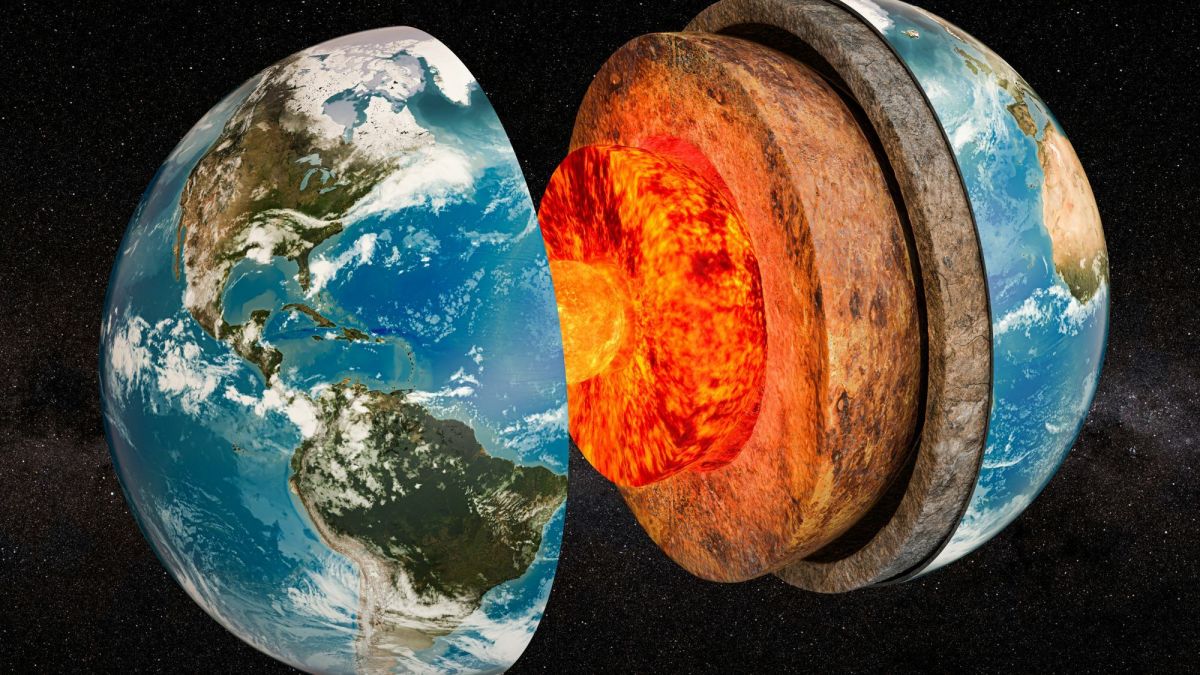
Earth—the world we call home—is the only known planet in the universe to support life. From space, our planet appears as a shimmering blue marble, swirled with white clouds and bordered by vast oceans. Life on Earth thrives because of a delicate balance: a breathable atmosphere, abundant water, a protective magnetic field, and ideal temperatures.
The diversity of Earth’s landscapes—from deserts and rainforests to mountain ranges and deep oceans—sets our planet apart. Its dynamic geology, driven by plate tectonics, continuously reshapes continents and creates habitats that support a wide array of life forms.
Earth’s place in the Solar System is unique: close enough to the Sun to receive warmth and light, yet far enough to avoid the extreme heat experienced by its inner neighbors. Its atmosphere acts as a shield against harmful radiation and meteoroids.
As we explore other planets, we also learn more about our own. Earth’s climate systems, geology, and biosphere serve as a baseline for understanding life elsewhere and emphasize the importance of preserving our planet for future generations.
5. Mars: The Red Planet and the Search for Life
Just beyond Earth lies Mars, the captivating Red Planet. Its rusty color comes from iron‑rich dust covering its surface. Mars is smaller and colder than Earth, with temperatures averaging around −60°C (−80°F), but it has many features that suggest it was once more Earth‑like.
Dry riverbeds, ancient lakebeds, and mineral deposits point to a past in which liquid water flowed on the Martian surface. Today, enormous volcanoes like Olympus Mons—the tallest mountain in the Solar System—tower over vast canyons like Valles Marineris, a system of gorges deeper than Earth’s Grand Canyon.
Mars fascinates scientists and the public alike because of the possibility that life could have once existed there. Robotic explorers such as Spirit, Opportunity, Curiosity, and Perseverance have searched for signs of ancient microbial life and continue to study the planet’s geology and climate.
Efforts to send humans to Mars are underway, driven by the idea that one day humans may walk on the Red Planet and further expand our understanding of life beyond Earth.
6. The Asteroid Belt: Between Mars and Jupiter
Beyond Mars lies a vast region filled with rocky remnants from the early Solar System: the Asteroid Belt. This zone contains millions of objects, ranging from tiny dust particles to dwarf planet‑sized bodies like Ceres.
The Asteroid Belt represents material that never coalesced into a full‑fledged planet due to the strong gravitational influence of nearby Jupiter. Studying these ancient rocks provides scientists with clues about the conditions that existed during the Solar System’s formation.
Missions such as NASA’s Dawn spacecraft have visited Ceres and another large asteroid, Vesta, revealing diverse landscapes and even evidence of water‑ice beneath the surface. These discoveries hint at a more complex history than once believed and raise questions about how water and organic materials were distributed across the early Solar System.
7. Jupiter: The Gas Giant King
As the largest planet in our Solar System, Jupiter is a world of superlatives. More than 300 times more massive than Earth, this gas giant is composed mostly of hydrogen and helium. Its immense gravity influences the motion of other objects throughout the Solar System, including comets and asteroids.
Jupiter’s most iconic feature is its Great Red Spot—a colossal storm larger than Earth that has raged for centuries. The planet also boasts dozens of moons, including the four largest discovered by Galileo Galilei: Io, Europa, Ganymede, and Callisto.
Each of these moons is a world of wonder:
-
Io is the most volcanically active body in the Solar System, with plumes of sulfur and molten lava reshaping its surface.
-
Europa hides a vast subsurface ocean beneath its icy crust, making it one of the most promising places to search for extraterrestrial life.
-
Ganymede, the largest moon in the Solar System, is even bigger than Mercury and has its own magnetic field.
-
Callisto is heavily cratered and ancient, offering a record of early Solar System history.
Jupiter and its moons are not just fascinating—they are key to understanding planetary formation and the potential for life beyond Earth.
8. Saturn: Rings and Icy Wonders
Saturn is perhaps the most visually stunning planet in our Solar System, renowned for its spectacular ring system. Made of billions of particles of ice and rock, the rings stretch thousands of kilometers but remain incredibly thin—sometimes just meters thick.
Like Jupiter, Saturn is a gas giant composed mainly of hydrogen and helium. Its weather systems include winds that circle the planet at high speeds and storms that create intricate cloud patterns.
Saturn’s moons are equally captivating. Titan, the largest, has a dense atmosphere and lakes of liquid methane and ethane—making it one of the most Earth‑like worlds in the Solar System in terms of surface processes. Enceladus sprays plumes of water vapor and ice from its south pole, indicating a subsurface ocean that could harbor microbial life.
Saturn reminds us that beauty and mystery often go hand in hand in the cosmos.
9. Uranus and Neptune: The Ice Giants
Farther out lie the ice giants: Uranus and Neptune. These distant worlds are cold, blue, and enigmatic. Unlike Jupiter and Saturn, they contain a higher proportion of “ices”—substances like water, ammonia, and methane.
Uranus is unique in its extreme axial tilt—it rotates on its side, likely due to a massive collision long ago. This results in unusual seasons each lasting decades.
Neptune, though similar in size and composition, is known for powerful winds and storms. The Great Dark Spot, observed by the Voyager 2 spacecraft, was a massive storm system akin to Jupiter’s Great Red Spot.
Both ice giants have rings and moons, each with intriguing characteristics. While they are far from the Sun and inhospitable to life as we know it, studying them broadens our understanding of planetary diversity.
10. The Edge of the Solar System: Kuiper Belt and Beyond
Beyond Neptune lies the Kuiper Belt, a region filled with icy bodies and dwarf planets, including Pluto. Once considered the ninth planet, Pluto now holds its place among these distant remnants of the early Solar System. In 2015, NASA’s New Horizons mission revealed Pluto’s complex surface, with mountains of ice and possible signs of geologic activity.
Even farther out is the Oort Cloud, a hypothetical sphere of icy objects that marks the boundary of the Sun’s gravitational influence. While it has never been directly observed, the Oort Cloud is believed to be the source of long‑period comets that occasionally visit the inner Solar System.
These distant regions remind us that the Solar System extends far beyond the familiar planets and that the voyage of exploration continues into the unknown.
Conclusion: A Journey Worth Taking
The Solar System is more than a collection of celestial bodies—it is a dynamic, diverse, and deeply fascinating neighborhood. From the scorching surface of Mercury to the icy fringes of the Oort Cloud, each world tells a story about the formation of planets, the potential for life, and the forces that shape our cosmic home.
Exploration has transformed our understanding, but it has also revealed how much remains to be discovered. With future missions and ever‑advancing technology, humanity’s journey through the Solar System is just beginning.
So whether you are captivated by the rings of Saturn, the oceans hidden beneath Europa’s ice, or the mysterious winds of Neptune, one thing is certain: the Solar System tour is an adventure you truly can’t miss. And as we continue to explore, who knows what wonders await?
Read Also: Keep your face towards the sunshine and shadows will fall behind you
Watch Also: https://www.youtube.com/@TravelsofTheWorld24






Leave a Reply