
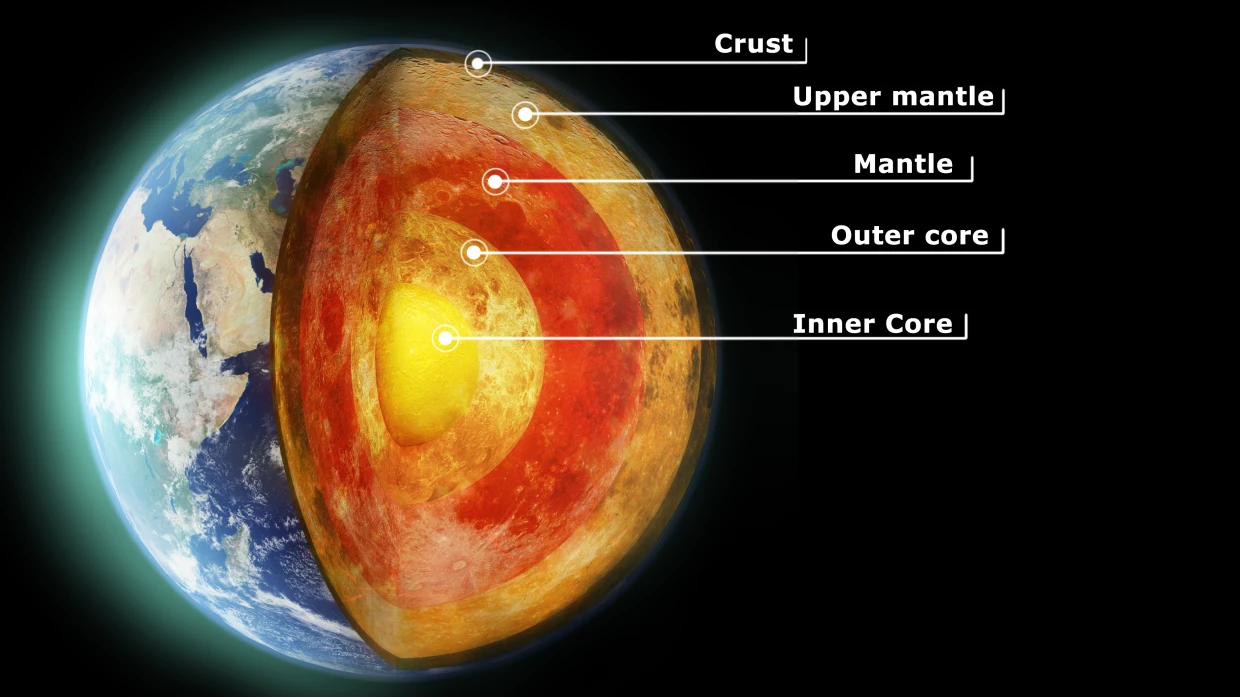
Have you ever wondered what lies beneath your feet? We walk on Earth every day, but most people only see the surface. The Earth is like a giant ball made up of different layers, each with unique characteristics and purposes. Understanding these layers helps scientists learn about earthquakes, volcanoes, mountains, and even how our planet protects life.
In this article, we will explore the three main layers of the Earth—crust, mantle, and core—and learn why each one is so important. We will also look at fun facts, interesting processes, and ways scientists study the planet’s interior.
The Shape of the Earth
Before we explore the layers, it’s important to understand the shape of Earth itself.
-
Earth is round, but not a perfect sphere.
-
Scientists call it an oblate spheroid because it is slightly flattened at the poles and bulges at the equator.
-
This shape is caused by Earth’s rotation, which makes the middle of the planet expand slightly.
From space, Earth looks like a beautiful blue-and-green ball. But under the surface, it is much more complex.
How Scientists Know About Earth’s Layers
We cannot dig all the way to the center of Earth—it is far too hot and the pressure is too high. So, how do we know what’s inside?
1. Earthquake Waves
When an earthquake happens, it sends waves through Earth. These waves travel differently through solid and liquid layers, helping scientists map the interior.
2. Volcanoes
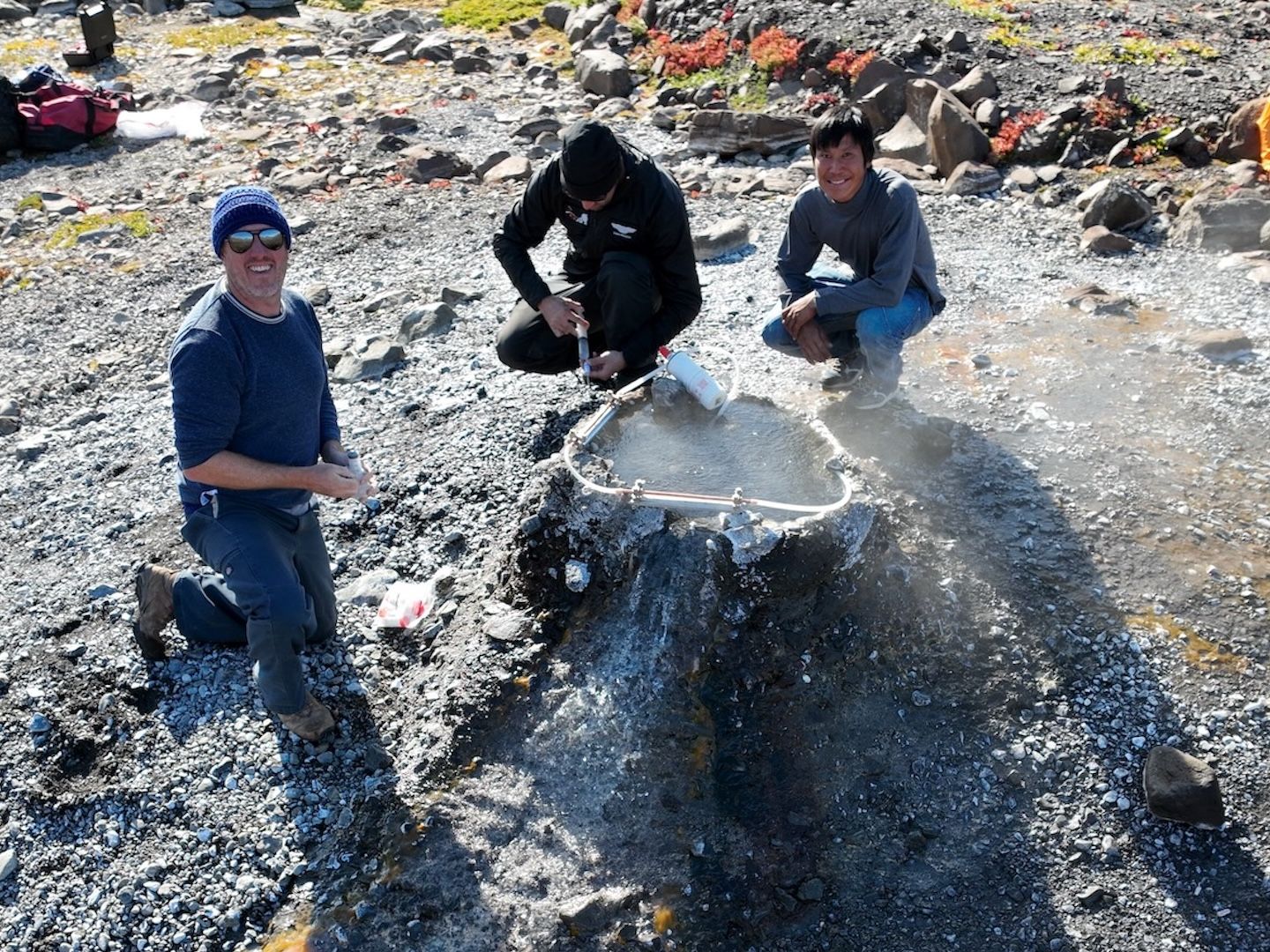
Magma from volcanoes comes from deep inside the mantle, giving clues about the materials and temperature below the crust.
3. Meteorites and Rocks
Some meteorites and rock samples from deep drilling help scientists understand the composition of Earth’s layers.
Thanks to these methods, scientists discovered that Earth has three main layers, each with distinct properties.
Layer 1: The Crust – Earth’s Outer Skin
The crust is the outermost layer of the Earth, and it is where we live.
Characteristics of the Crust
-
Thin compared to the other layers
-
Solid rock, including soil, mountains, and ocean floors
-
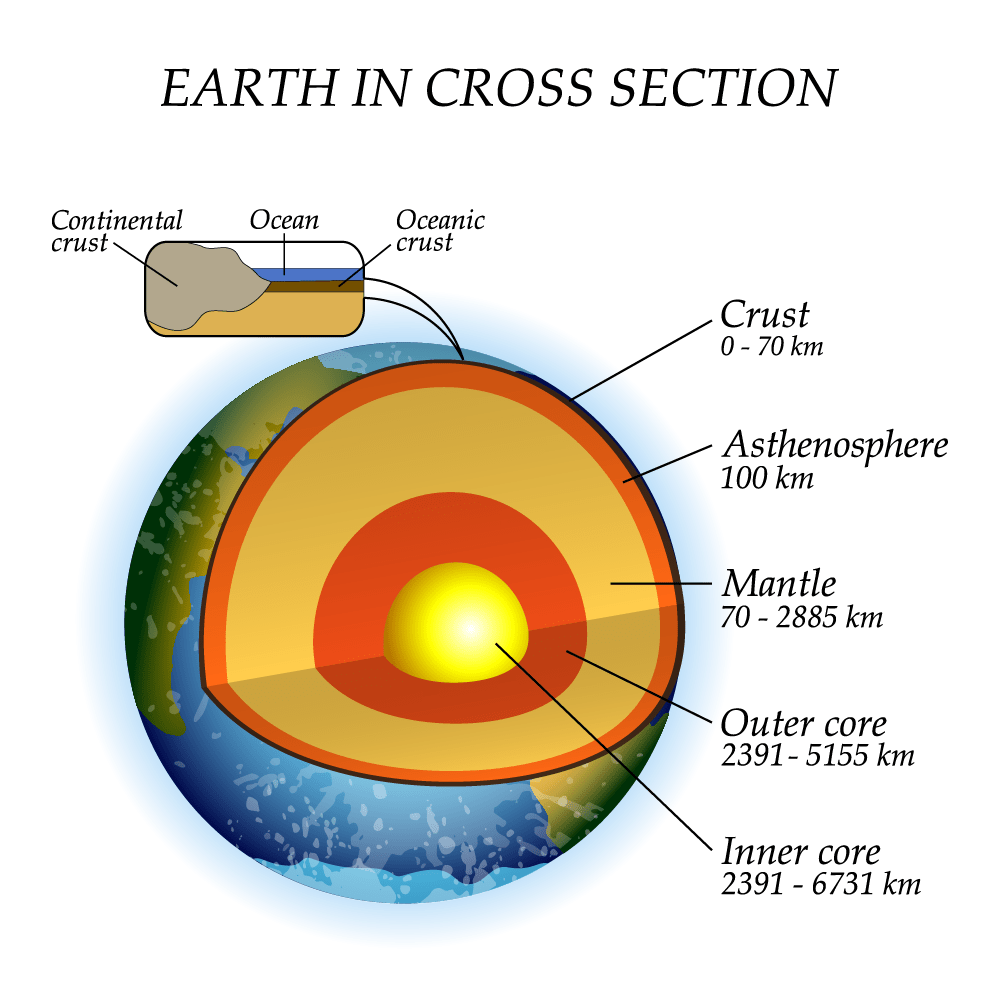
Thickness ranges from 5 km under the oceans to 70 km under continents
Types of Crust
-
Continental Crust – under land; thicker and less dense
-
Oceanic Crust – under oceans; thinner and denser
Tectonic Plates
The crust is broken into giant pieces called tectonic plates. These plates float on the mantle and move slowly.
-
When plates collide, mountains form.
-
When plates move apart, volcanoes and ocean ridges appear.
-
Earthquakes often happen along plate boundaries.
Even though the crust seems solid, it is always moving—slowly but powerfully.
Layer 2: The Mantle – Earth’s Thick Middle Layer
Beneath the crust lies the mantle, which makes up the majority of Earth’s volume.
Characteristics of the Mantle
-
Made of hot, semi-solid rock
-
Extends to about 2,900 km below the surface
-
The upper mantle is partially molten and allows tectonic plate movement
Functions of the Mantle
-
Convection currents in the mantle move heat and rock, driving plate tectonics
-
Produces magma for volcanoes
-
Helps Earth release internal heat from radioactive decay
Zones of the Mantle
-
Upper Mantle – semi-solid; flows slowly
-
Lower Mantle – solid due to high pressure but still able to flow slowly over millions of years
The mantle may seem like a solid rock, but over long periods, it behaves like a thick, slow-moving liquid, carrying Earth’s tectonic plates along with it.
Layer 3: The Core – Earth’s Fiery Center
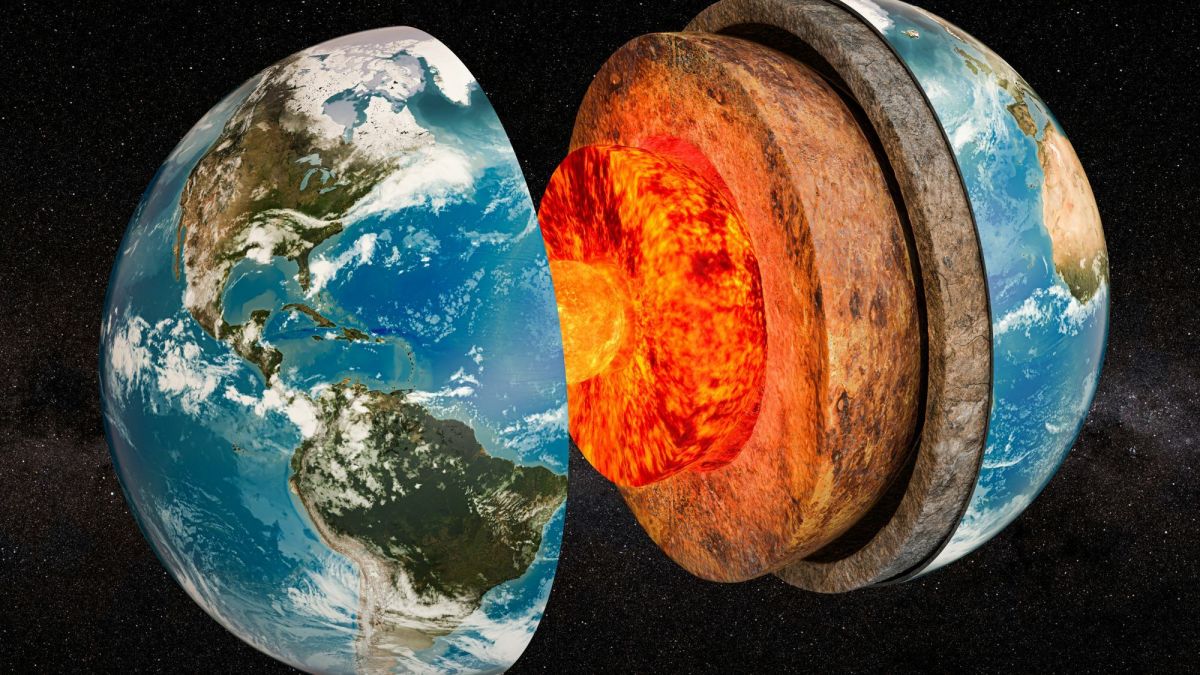
At the center of Earth is the core, the hottest and densest layer. The core is made mostly of iron and nickel and is divided into two layers: outer core and inner core.
The Outer Core
-
Made of liquid iron and nickel
-
Extends from 2,900 km to 5,150 km below the surface
-
Extremely hot, between 4,000°C and 6,000°C
-
The movement of liquid metals generates Earth’s magnetic field
The Inner Core
-
Solid iron and nickel
-
Extends from 5,150 km to the planet’s center at 6,371 km
-
Even hotter than the surface of the Sun—up to 7,000°C
-
Solid due to immense pressure
Importance of the Core
-
Creates the magnetic field, which protects Earth from solar winds
-
Helps regulate the planet’s temperature and internal heat flow
Without the core, Earth would have no magnetic field, and life as we know it might not exist.
Comparing the Layers
Let’s imagine Earth as a giant apple:
| Layer | Thickness | Composition | Fun Analogy |
|---|---|---|---|
| Crust | 5–70 km | Solid rock | Apple skin |
| Mantle | ~2,900 km | Semi-solid rock | Apple flesh |
| Outer Core | ~2,250 km | Liquid iron/nickel | Juicy center |
| Inner Core | ~1,220 km | Solid iron/nickel | Apple seed |
This comparison helps us understand that the crust is just a tiny part of Earth, while the mantle and core make up most of the planet.
Fun Facts About Earth’s Layers
-
The crust is very thin—like the skin of an apple compared to the whole fruit.
-
The mantle is so hot that it can melt rock, creating magma for volcanoes.
-
The outer core is liquid and flows constantly, creating the magnetic field.
-
The inner core is solid even though it is hotter than the Sun’s surface.
-
Earthquakes help scientists “see” inside Earth without digging.
Why the Layers Matter
Each layer of Earth plays an important role:
-
Crust: Provides land for plants, animals, and humans.
-
Mantle: Moves tectonic plates, creates mountains, volcanoes, and earthquakes.
-
Core: Generates the magnetic field, protecting life from harmful solar radiation.
Understanding Earth’s layers also helps scientists predict natural disasters, find natural resources, and learn about other planets.
How Scientists Study the Layers
Since we can’t dig to the center, scientists use clever techniques:
-
Seismic Waves: Vibrations from earthquakes travel differently through solids and liquids, revealing the layers’ properties.
-
Volcanoes and Magma: Lava and volcanic rocks tell us about mantle composition.
-
Laboratory Experiments: Scientists simulate high temperatures and pressures to understand core conditions.
-
Meteorites: Some space rocks are similar in composition to Earth’s layers, providing clues about the core and mantle.
The Dynamic Earth
Earth is not a static planet—it’s always changing:
-
Plate Tectonics: Plates move slowly, forming mountains, valleys, and ocean basins.
-
Volcanic Activity: Magma from the mantle erupts as lava, creating new land.
-
Earthquakes: Sudden shifts in plates release energy, shaking the ground.
These dynamic processes are powered by heat and movement in Earth’s mantle and core.
Earth’s Magnetic Field: A Protective Shield
The magnetic field, generated by the outer core, is invisible but very important:
-
Protects Earth from solar winds that could strip away the atmosphere.
-
Guides animals, like birds and turtles, during migration.
-
Helps compasses work for navigation.
Without the magnetic field, Earth’s surface could become harsh and uninhabitable.
The Deepest Humans Have Dug
The deepest hole ever drilled by humans is the Kola Superdeep Borehole in Russia:
-
Depth: 12 km (7.5 miles)
-
Took nearly 20 years to reach
-
Temperature: 180°C (356°F)
-
Even this is just a tiny scratch in the crust, far from reaching the mantle.
This shows why scientists rely on indirect methods to study Earth’s interior.
Fun Activities to Understand Earth’s Layers
Here are some fun ways to visualize Earth’s layers at home or in class:
-
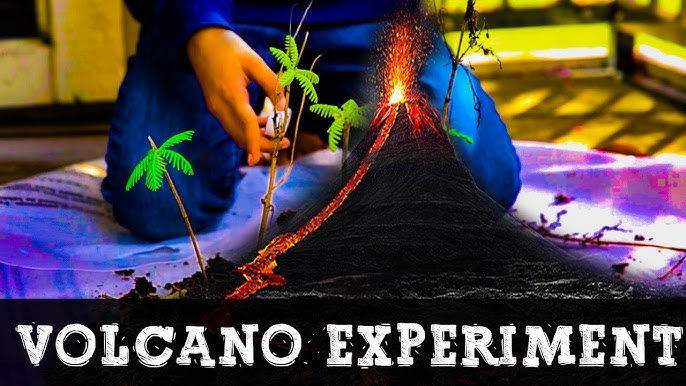
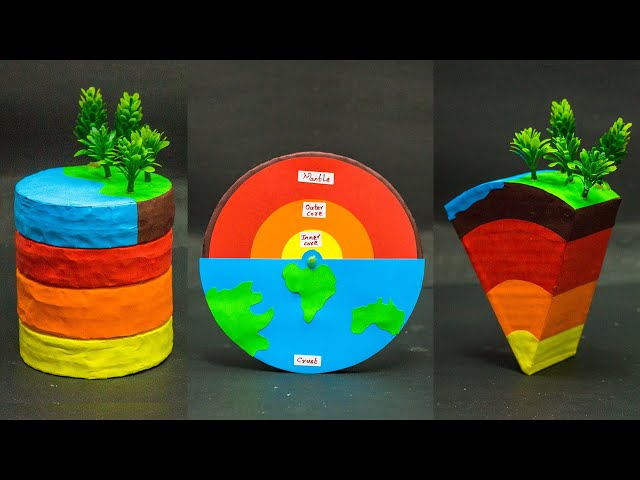
Make a Model Earth: Use clay to create the crust, mantle, outer core, and inner core.
-
Layered Cake: Bake a cake and represent each layer with different colors.
-
Balloon Model: A small ball inside a larger ball can show the inner core and outer layers.
-
Seismic Wave Experiment: Tap a table and watch vibrations travel through different materials.
These activities make learning about Earth interactive and memorable.
Review: The Three Layers of Earth
-
Crust: Thin, solid, where we live; broken into tectonic plates.
-
Mantle: Thick, semi-solid; moves slowly and powers plate tectonics.
-
Core: Inner core is solid, outer core is liquid; creates magnetic field and heat flow.
Earth’s layers work together to make our planet stable and life-friendly.
Conclusion
Earth is like a giant, dynamic ball with a thin skin, a thick mantle, and a fiery core. Understanding its layers helps us:
-
Predict earthquakes and volcanoes
-
Explore natural resources
-
Learn about planetary formation
-
Appreciate the complexity of our home
Even though we walk on Earth every day, there is an entire world beneath our feet—a hidden, powerful system that has been shaping the planet for billions of years.
By learning about the crust, mantle, and core, we can better understand how Earth works and why it is such a unique and amazing planet.
Read Also: Keep your face towards the sunshine and shadows will fall behind you
Watch Also: https://www.youtube.com/@TravelsofTheWorld24





Leave a Reply