
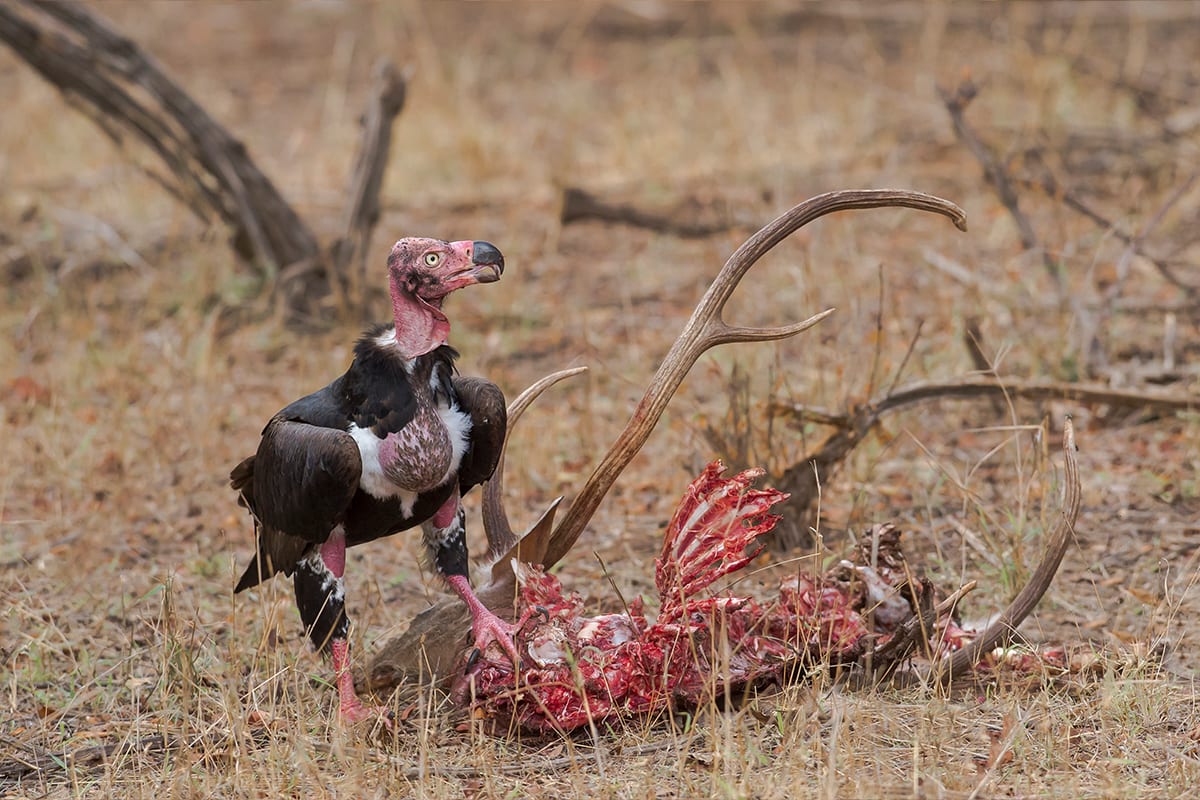
Vultures are among nature’s most fascinating scavengers. They play a crucial role in ecosystems by cleaning up carcasses and preventing the spread of disease. One of the most iconic behaviors of vultures is their circling in the sky, often high above open fields or roadways. To the casual observer, this might look like a mysterious or even ominous pattern, but it actually serves very practical purposes.
1. Searching for Food
The primary reason vultures circle is to locate food. Unlike predators that hunt live animals, vultures are scavengers—they feed almost exclusively on dead animals. Because food sources are unpredictable and often spread out over large areas, vultures have evolved excellent eyesight and unique flight behaviors to maximize their chances of finding a meal.
Circling allows vultures to gain a high vantage point and scan the ground below. By flying in wide circles, they can cover a larger area than they would if they flew in straight lines. This methodical scanning increases the likelihood of spotting the carcass of an animal from miles away.
2. Using Thermals to Conserve Energy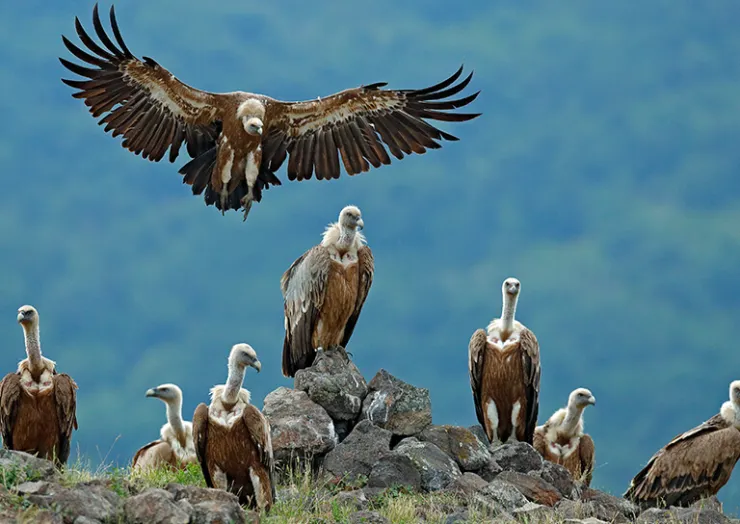
Another reason vultures circle is related to how they fly. Most vultures are soaring birds—they do not flap their wings continuously like smaller birds. Instead, they rely on rising columns of warm air, called thermals, to lift them into the sky.
When a vulture finds a thermal, it will often circle within it to gain altitude without expending much energy. This energy-efficient flight allows them to travel long distances while searching for food. By reaching high altitudes, vultures can survey more territory and also glide easily toward a carcass once it’s spotted.
3. Communication and Social Behavior
Circling can also serve as a form of communication among vultures. Many vulture species are social and may follow each other to food sources. When one vulture spots a carcass, it may begin circling above the site. Other vultures, observing this behavior, recognize that food is nearby and may join in.
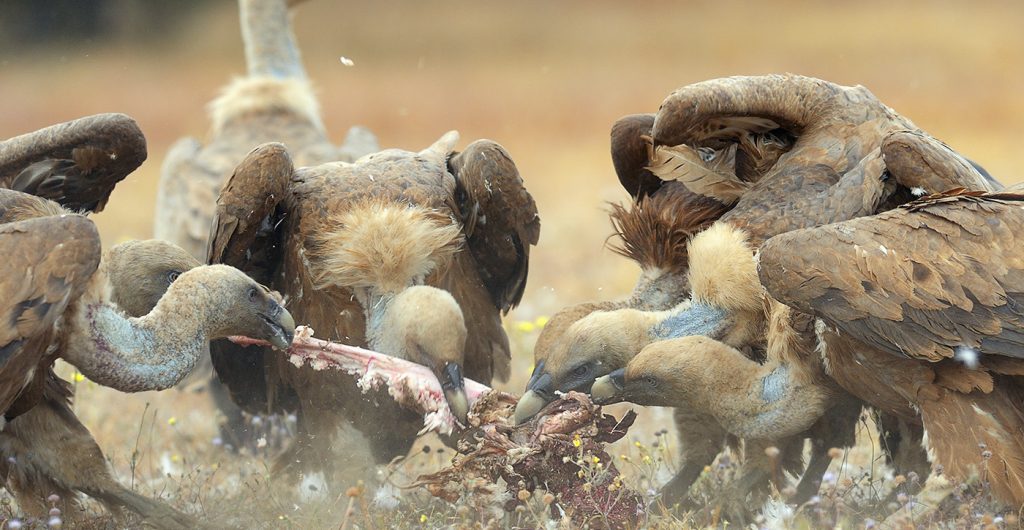
This social signaling helps vultures locate meals faster, which is especially important because competition over carrion can be intense. Circling together can also help establish a hierarchy at the feeding site, allowing larger or more dominant vultures to assert priority over smaller ones.
4. Scouting for Safe Landing Spots
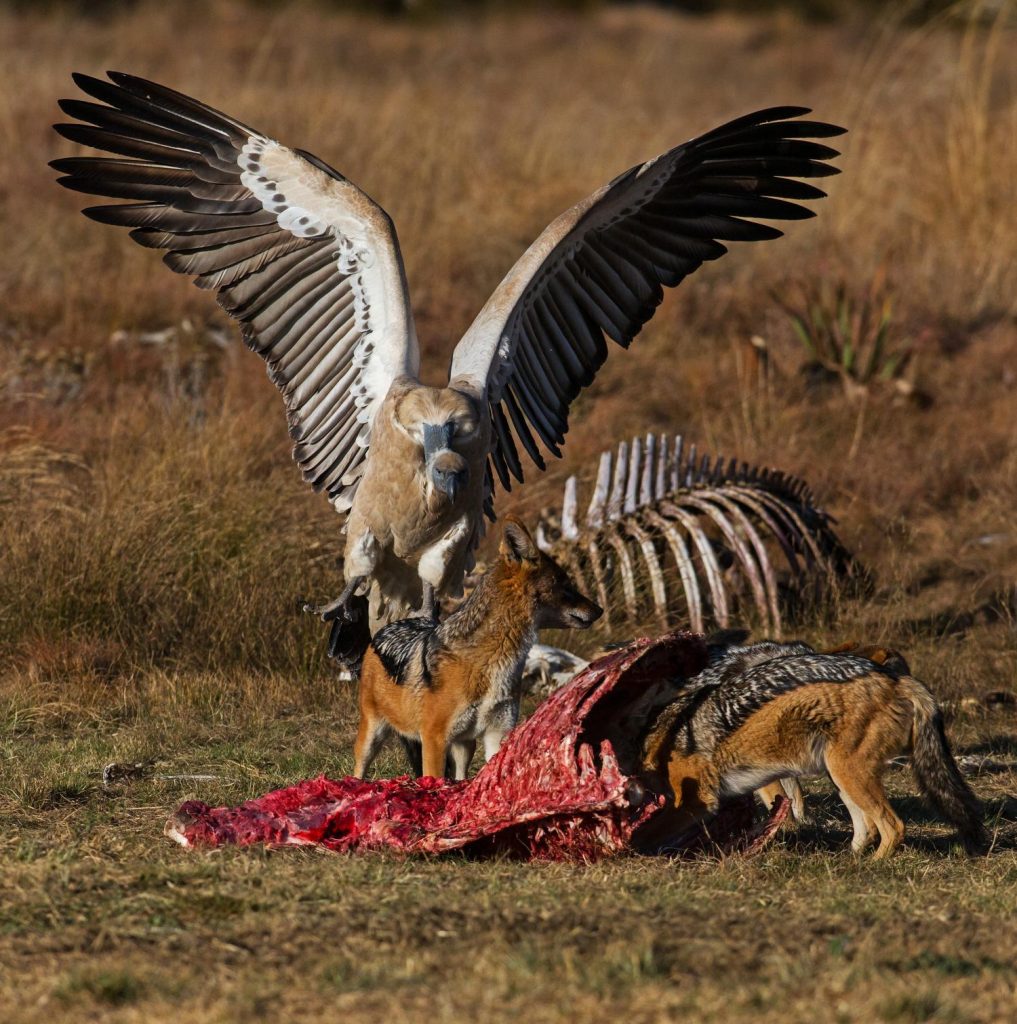
Vultures do not just need to find food—they also need a safe place to land and feed. Circling allows them to carefully assess the terrain below, looking for obstacles, predators, or other vultures already feeding. This cautious approach minimizes risk and ensures that they can safely descend to the carcass.
5. Thermal Mapping and Environmental Awareness
Beyond locating food, circling helps vultures understand their environment. By observing the movement of thermals, they can gauge wind patterns, temperature changes, and even the presence of smoke or human activity. This awareness helps them navigate their habitat efficiently and avoid dangers like power lines or storms.
6. Misconceptions About Circling Vultures
Because vultures are associated with death and decay, many people view their circling as sinister. In reality, it is simply a practical survival strategy. The circling is about energy conservation, food location, and social coordination, not about “waiting for someone to die,” as folklore sometimes suggests.
7. Species-Specific Behavior
Different vulture species may circle for slightly different reasons. For example, turkey vultures in North America have an extraordinary sense of smell, which helps them locate hidden carrion. However, they still circle thermals to conserve energy while scanning. On the other hand, Old World vultures rely mostly on eyesight, so their circling patterns are primarily for visual scanning of the ground.
8. Ecological Importance of Vulture Circling
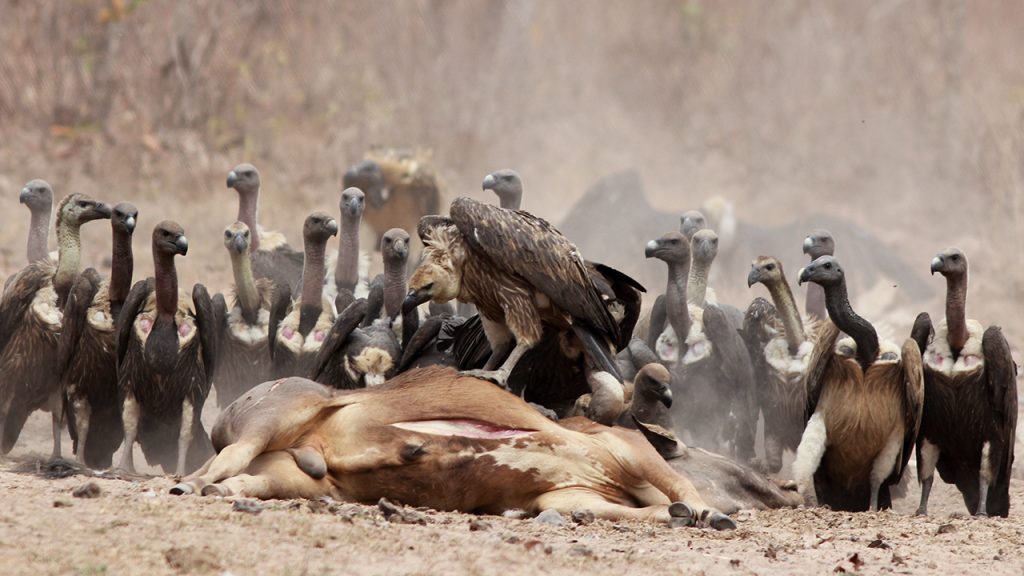
The circling behavior has broader ecological significance. By locating and consuming carcasses efficiently, vultures help recycle nutrients back into the ecosystem. They prevent the spread of disease by removing decaying matter quickly, which protects other wildlife and even humans. Their circling, therefore, is not just a quirky flight pattern—it is a key component of their role as nature’s cleanup crew.
Conclusion
Vultures circle for multiple practical reasons: to search for food efficiently, conserve energy using thermals, communicate with other vultures, scout for safe landing spots, and monitor their environment. Far from being ominous, their circling is an elegant adaptation that allows them to survive in a competitive and sometimes harsh world. Next time you see vultures circling high in the sky, you are witnessing a complex combination of intelligence, teamwork, and energy-efficient flight in action.
Read Also: Keep your face towards the sunshine and shadows will fall behind you
Watch Also: https://www.youtube.com/@TravelsofTheWorld24





Leave a Reply