
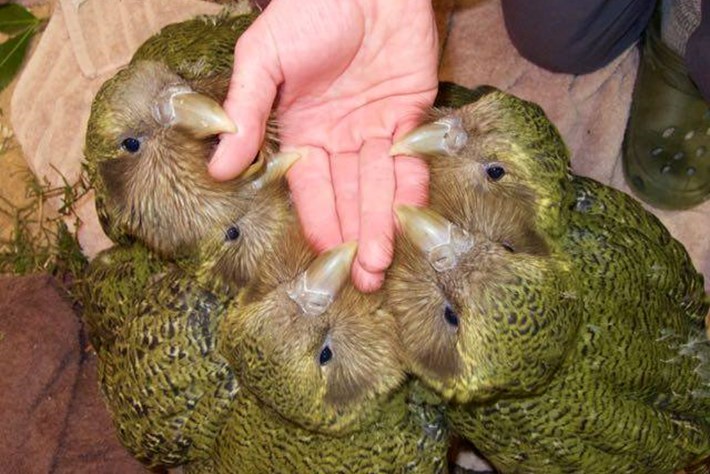
Baby Boom for One of the World’s Rarest Parrots: New Zealand’s Kākāpō Sees Breeding Surge
Baby Boom for One of the World’s Rarest Parrots
Introduction
For conservationists and bird lovers around the world, the kākāpō — a strange, flightless, nocturnal parrot endemic to New Zealand — has long been a symbol of both fragility and hope. After centuries of decline due to human settlement, introduced predators, and habitat loss, this rare bird’s survival has hinged on intensive conservation efforts. In early 2026, scientists announced that the kākāpō’s breeding season is officially underway and could produce one of the largest baby booms ever recorded for this species. This development marks a major milestone in the long and ongoing journey to bring this extraordinary bird back from the brink of extinction.
This essay explores the biology of the kākāpō, the conditions that trigger its rare breeding events, the conservation programs responsible for its recovery, the significance of the current baby boom, and the broader implications for the species’ future.
Who Are the Kākāpō?
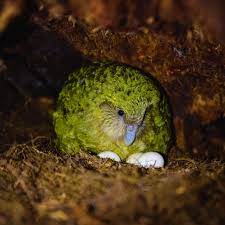
The kākāpō (Strigops habroptilus) is one of the most unusual parrots on Earth. It is the only flightless parrot species and also the heaviest, with adults reaching up to around 64 cm in length and weighing several kilograms. Its plumage is moss‑green with intricate mottling, helping it blend into forest floors where it forages and sleeps during daylight hours. The bird is strictly nocturnal, meaning it is active at night and rests during the day.
A distinctive trait of the kākāpō is its mating system. Unlike most parrots, kākāpō males do not pair with females or build nests. Instead, they engage in a lek mating system — gathering in traditional “lek” display grounds where males emit deep, resonant booming calls that can travel for kilometres through the forest, in hopes of attracting females. After mating, the female alone incubates the eggs and raises the chicks without male assistance.
Due to its evolutionary history in an environment without native mammalian predators, the kākāpō evolved ground‑dwelling habits and no flight capability — traits that became fatal once humans and introduced predators like stoats, cats, and rats arrived in New Zealand. These predators decimated kākāpō populations, leading to dangerously low numbers by the late 20th century.
Why Kākāpō Breeding Is So Rare
One of the most intriguing aspects of kākāpō biology is its irregular breeding cycle. Unlike many birds that reproduce annually, kākāpō only breed once every two to four years — and only when specific environmental conditions are met. The key trigger is the mast fruiting of the rimu tree (Dacrydium cupressinum), a native New Zealand conifer.
Rimu trees fruit in unpredictable, cyclical bursts known as mast years. During mast events, the trees produce an abundant supply of nutrient‑rich fruit that kākāpō depend on to fuel reproduction. Female kākāpō require exceptional nutritional reserves to lay eggs and successfully raise chicks. In years when the rimu produces little or no fruit, females usually skip breeding altogether. Because these mast events are irregular and can occur only once every few years, kākāpō breeding opportunities are correspondingly infrequent.
The 2026 breeding season became possible because of such a mast event. Scientists observed that rimu trees across the kākāpō’s breeding islands entered a prolific fruiting phase, providing abundant nutrition that triggered widespread breeding activity. Remote monitoring first detected mating behavior on December 29, 2025, marking the official beginning of the season.
Conservation Efforts: Turning the Tide
Without human intervention, the kākāpō might have disappeared entirely. In the 1990s, their global population had dwindled to fewer than 60 individuals. A comprehensive conservation program, now known as the Kākāpō Recovery Programme, was initiated by New Zealand’s Department of Conservation (DOC) and Māori partners like Ngāi Tahu. Since then, intensive measures have helped bring the species back from the brink.
Key elements of the recovery effort include:
-
Relocating all known kākāpō to predator‑free islands where stoats, rats, cats, and other invasive predators have been eradicated or carefully controlled. These sanctuaries provide a safe environment for feeding, mating, and raising chicks.
-
Supplementary feeding programs in years with poor rimu fruit production to support the birds’ health and condition.
-
Using radio transmitters and remote monitoring to track individual birds, study behavior, and manage health care.
-
Hand‑rearing vulnerable chicks when necessary and conducting strategic interventions to maximize chick survival.
-
Maintaining genetic diversity through careful breeding and monitoring, given the limited gene pool of the small population.
Thanks to these combined efforts, the kākāpō population has risen from just over 50 individuals in 1995 to around 236 birds in early 2026, including 83 females of breeding age. This growth represents one of the most remarkable success stories in avian conservation, although the species remains critically endangered.
The 2026 Baby Boom: What’s Happening Now
With the right conditions in place, conservationists now anticipate that the 2026 breeding season could be historic. Observers expect that many — if not nearly all — of the 83 breeding‑age females may establish nests, potentially producing the highest number of chicks recorded since careful monitoring began three decades ago.
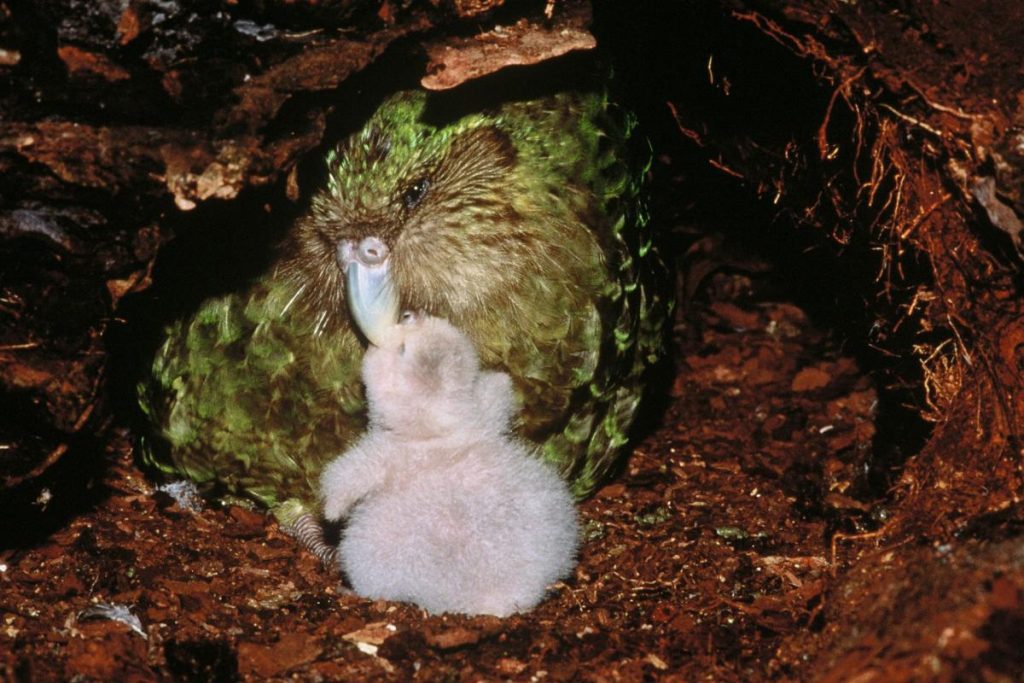
During mating seasons, male kākāpō construct networks of paths and ground depressions, known as bowls, which act as acoustic amplifiers for their booming calls. These calls can last for hours each night throughout the breeding period. Females visit these leks and select mates based on the booming and other behavioral cues. Once the female has mated, she builds her nest and incubates her eggs alone.
Chicks are expected to begin hatching around mid‑February 2026. Most female kākāpō typically raise only one chick per season, and because breeding seasons are infrequent, each chick carries immense importance for the species’ future.
Read Also: Keep your face towards the sunshine and shadows will fall behind you
Watch Also: https://www.youtube.com/@TravelsofTheWorld24





Leave a Reply