

Starting a business in the United States in 2026 continues to be a powerful opportunity for entrepreneurs, investors, and innovators from around the world. The USA remains one of the most business-friendly countries due to its large consumer market, strong legal framework, advanced technology, access to capital, and entrepreneurial culture. From small startups to global corporations, millions of businesses operate successfully across different industries in the American economy.
However, starting a business in the USA requires proper planning, legal compliance, financial discipline, and a clear understanding of market conditions. In 2026, digital transformation, remote work, artificial intelligence, and sustainability are shaping how businesses are formed and operated. This guide explains the complete process of starting a business in the USA step by step, making it easy to understand for both U.S. residents and international entrepreneurs.
Understanding the US Business Environment in 2026
Before starting a business, it is important to understand the U.S. business environment. In 2026, the American economy is driven by innovation, technology, and consumer demand. Small and medium-sized businesses (SMEs) form the backbone of the economy, contributing significantly to employment and economic growth.
Key features of the U.S. business environment include:
-
Strong protection of private property and contracts
-
Transparent legal and regulatory systems
-
Access to global markets and investors
-
Advanced digital infrastructure
-
A culture that encourages entrepreneurship and risk-taking
At the same time, competition is high, making research and strategic planning essential for success.
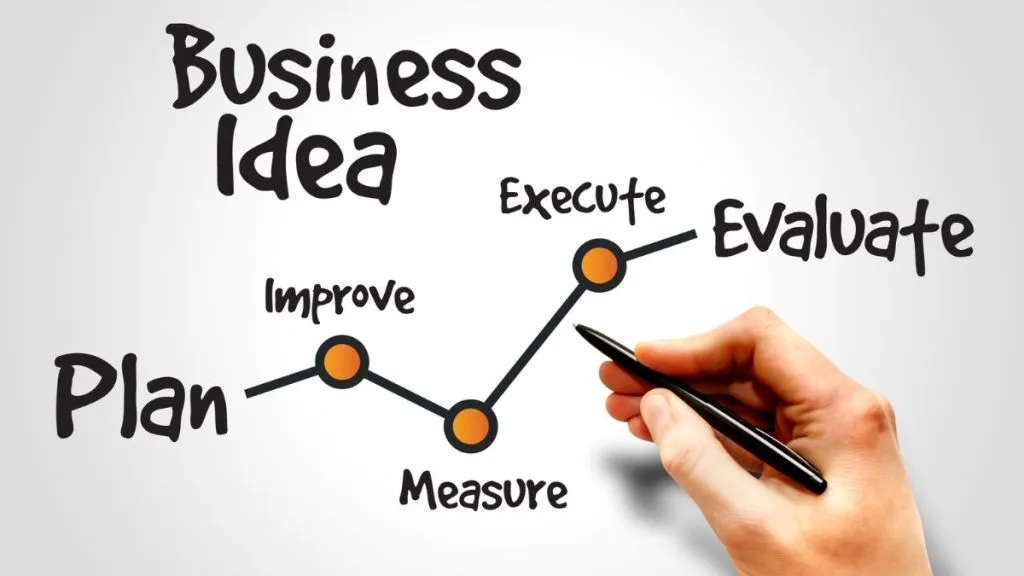
Step 1: Choose the Right Business Idea
The first step in starting a business in the USA is selecting a strong and profitable business idea. A successful business idea solves a real problem, fulfills customer needs, or improves existing products or services.
When choosing a business idea, consider:
-
Market demand and trends
-
Target audience
-
Startup and operational costs
-
Competition level
-
Long-term growth potential
-
Your skills, experience, and interests
Popular business ideas in the USA in 2026 include:
-
E-commerce and online stores
-
Digital marketing and content creation
-
Software development and IT services
-
Artificial intelligence and automation services
-
Health, wellness, and fitness businesses
-
Food trucks and specialty restaurants
-
Logistics, delivery, and warehousing
-
Online education and coaching
A well-researched business idea increases the chances of long-term success.
Step 2: Conduct Market Research
Market research helps you understand your customers, competitors, and industry trends. It reduces risk and supports informed decision-making.
Market research includes:
-
Identifying your target customers
-
Analyzing competitors
-
Studying pricing strategies
-
Understanding customer behavior and preferences
-
Evaluating market size and demand
In 2026, businesses increasingly rely on online surveys, data analytics, social media insights, and AI-powered tools to conduct effective market research.
Step 3: Write a Business Plan
A business plan is a detailed document that outlines your business goals, strategies, and financial projections. It acts as a roadmap for your business and is essential for attracting investors or securing loans.
A standard U.S. business plan includes:
-
Executive summary
-
Business overview and mission
-
Market and competitor analysis
-
Products or services description
-
Marketing and sales strategy
-
Operations and management plan
-
Financial projections and funding needs
In 2026, investors prefer business plans that highlight digital strategies, scalability, innovation, and sustainability.
Step 4: Choose a Legal Business Structure
Selecting the right legal structure is a crucial decision when starting a business in the USA. It affects taxation, liability, management, and compliance.
Common business structures include:
Sole Proprietorship
Owned and managed by one person. Easy to start but offers no personal liability protection.
Partnership
Owned by two or more individuals. Profits and responsibilities are shared based on an agreement.
Limited Liability Company (LLC)
One of the most popular structures in the USA. It provides limited liability protection, flexible management, and favorable tax treatment.
Corporation (C-Corporation or S-Corporation)
A separate legal entity suitable for larger businesses and startups seeking investors. Corporations face more regulations but offer easier access to capital.
In 2026, LLCs remain the preferred choice for many entrepreneurs due to simplicity and protection.
Step 5: Select the State for Business Registration
In the USA, businesses are registered at the state level. You can choose any state, but laws, taxes, and fees vary.
Popular states for business registration include:
-
Delaware – known for business-friendly laws and investor trust
-
Wyoming – low fees, no state income tax, and strong privacy
-
Texas – large market and no personal income tax
-
Florida – growing economy and favorable tax policies
-
California – massive market but higher taxes and regulations
Choosing the right state depends on your business location, customers, and tax strategy.
Step 6: Register Your Business
After choosing a business structure and state, you must officially register your business.
This process generally includes:
-
Choosing a unique business name
-
Filing formation documents with the state
-
Paying registration fees
-
Appointing a registered agent
Once approved, your business becomes a legally recognized entity.
Step 7: Obtain an EIN (Employer Identification Number)
An Employer Identification Number (EIN) is issued by the Internal Revenue Service (IRS). It is required for:
-
Filing federal taxes
-
Opening a business bank account
-
Hiring employees
Even single-member LLCs often need an EIN. It functions like a business tax identification number.
Step 8: Open a US Business Bank Account
Opening a dedicated business bank account is essential for managing finances, building credibility, and maintaining legal protection.
Typically required documents include:
-
Business registration papers
-
EIN
-
Valid identification
In 2026, many banks and fintech companies offer online banking solutions tailored to startups and international founders.
Step 9: Understand US Tax Obligations
The U.S. tax system is complex, and understanding your tax responsibilities is critical.
Common business taxes include:
-
Federal income tax
-
State income tax (if applicable)
-
Sales tax
-
Payroll and employment taxes
Hiring a professional accountant or tax advisor helps ensure compliance and avoids penalties.
Step 10: Obtain Licenses and Permits
Depending on your business type and location, you may need specific licenses or permits.
These may include:
-
General business licenses
-
Industry-specific permits
-
Health and safety approvals
-
Professional certifications
Operating without required licenses can lead to fines or legal action.
Step 11: Secure Funding for Your Business
Funding is often a major challenge for new businesses.
Common funding options in the USA include:
-
Personal savings
-
Bank loans
-
Small Business Administration (SBA) loans
-
Angel investors
-
Venture capital
-
Crowdfunding platforms
In 2026, many startups also rely on fintech platforms and digital fundraising methods.
Step 12: Build Your Brand and Online Presence
A strong brand and online presence are essential in today’s digital economy.
Key steps include:
-
Creating a professional logo and brand identity
-
Building a business website
-
Registering a domain name
-
Using social media platforms
-
Implementing digital marketing strategies
Customers often judge a business’s credibility based on its online presence.
Step 13: Hire Employees and Build a Team
As your business grows, hiring the right team becomes essential.
Important considerations include:
-
Legal work authorization
-
Fair wages and benefits
-
Labor law compliance
-
Payroll and HR systems
A motivated and skilled team contributes directly to business success.
Step 14: Launch, Monitor, and Grow Your Business
After completing all legal and operational steps, you are ready to launch.
Growth strategies in 2026 include:
-
Expanding online sales
-
Entering new markets
-
Improving customer experience
-
Using data analytics and AI
-
Adopting sustainable practices
Continuous improvement and adaptability are key to long-term success.
Conclusion
Starting a business in the USA in 2026 offers tremendous opportunities for entrepreneurs willing to plan carefully and operate strategically. With a supportive ecosystem, advanced infrastructure, and access to global markets, the United States remains one of the best countries in the world for business creation.
By choosing the right idea, understanding legal requirements, managing finances responsibly, and embracing innovation, entrepreneurs can build successful and sustainable businesses in the competitive American market. Proper preparation, compliance, and persistence are the foundations of long-term success.
Read Also: Keep your face towards the sunshine and shadows will fall behind you
Watch Also: https://www.youtube.com/@TravelsofTheWorld24














Leave a Reply