
The United States remains one of the most attractive job markets in the world. With opportunities across technology, healthcare, finance, construction, education, and skilled trades, millions of people—both domestic and international—aspire to work in the USA every year. However, finding and applying for jobs in the US can feel overwhelming if you don’t understand the system, expectations, and processes.
This guide explains step by step how to find jobs in the USA, prepare strong applications, apply correctly, and improve your chances of getting hired.
Understanding the US Job Market
Before applying, it’s important to understand how the US job market works.
Key Characteristics of the US Job Market
-
Highly competitive, especially for white-collar roles
-
Strong emphasis on skills, experience, and results
-
Online applications are standard
-
Networking plays a major role
-
Employers value communication and adaptability
Jobs are available for:
-
Fresh graduates
-
Experienced professionals
-
Skilled workers and technicians
-
Remote and freelance workers
-
International applicants (with visa requirements)
Step 1: Identify Your Career Goals
Start by clearly defining what kind of job you want.
Ask yourself:
-
What industry do I want to work in?
-
What roles match my education and experience?
-
Am I open to entry-level or internships?
-
Do I want on-site, hybrid, or remote work?
-
Which US cities or states suit my profession?
Having clarity saves time and helps you target the right jobs instead of applying randomly.
Step 2: Create a US-Style Resume
A US resume is different from resumes used in many other countries.
Key Features of a US Resume
-
1 page (2 pages max for senior professionals)
-
No photo
-
No personal details like age, religion, or marital status
-
Focus on achievements, not duties
-
Uses bullet points and action verbs
Example Resume Bullet
Instead of:
Responsible for managing sales
Use:
Increased monthly sales by 25% through customer-focused strategies
Include:
-
Contact information
-
Professional summary
-
Skills section
-
Work experience
-
Education
-
Certifications (if any)
Tailor your resume for each job using keywords from the job description.
Step 3: Write a Strong Cover Letter
While not always mandatory, cover letters greatly improve your chances.
What a US Cover Letter Should Do
-
Explain why you’re interested in the role
-
Highlight your most relevant skills
-
Show how you can add value
-
Be concise (3–4 short paragraphs)
Avoid generic letters. Personalize each cover letter to the company and role.
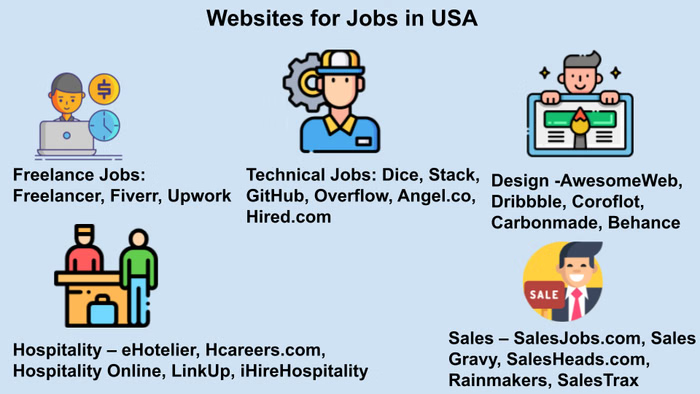
Step 4: Use the Best Job Search Websites
Most US jobs are posted online. Here are the most trusted platforms:
Popular Job Websites
-
Indeed
-
LinkedIn Jobs
-
Glassdoor
-
Monster
-
ZipRecruiter
-
SimplyHired
Company Career Pages
Many employers prefer applications directly through their websites, including:
-
Google Careers
-
Amazon Jobs
-
Microsoft Careers
-
Tesla Careers
-
Walmart Careers
Always check company career pages if you admire a specific employer.
Read Also: Keep your face towards the sunshine and shadows will fall behind you
Step 5: Use LinkedIn Effectively
LinkedIn is extremely powerful in the US job market.
How to Optimize LinkedIn
-
Use a professional photo
-
Write a strong headline (not just job title)
-
Add detailed experience and achievements
-
Enable “Open to Work”
-
Connect with recruiters and professionals
Networking Tip
Many jobs are filled through referrals. Messaging recruiters politely and engaging with industry posts can lead to hidden opportunities.
Step 6: Apply Strategically (Not Randomly)
Applying to hundreds of jobs without strategy rarely works.
Smart Application Strategy
-
Apply to roles matching at least 60–70% of your skills
-
Customize resume keywords for each role
-
Track applications using a spreadsheet
-
Follow up politely after 1–2 weeks
Quality applications beat quantity every time.
Step 7: Prepare for US-Style Interviews
US interviews are structured and behavioral.
Common Interview Formats
-
Phone screening
-
Video interview (Zoom/Teams)
-
Technical interview
-
Behavioral interview
-
Panel interview
Common Interview Questions
-
Tell me about yourself
-
Why should we hire you?
-
Describe a challenge you overcame
-
What are your strengths and weaknesses?
Use the STAR method:
-
Situation
-
Task
-
Action
-
Result
Practice speaking clearly, confidently, and professionally.
Step 8: Understand Work Authorization and Visas
If you are not a US citizen or permanent resident, you must understand visa rules.
Common US Work Visas
-
H-1B – Skilled professionals
-
L-1 – Internal company transfer
-
O-1 – Extraordinary ability
-
F-1 OPT – International students
-
TN – Canada & Mexico professionals
Always check:
-
Whether the employer sponsors visas
-
Job description mentions “visa sponsorship available”
Never misrepresent your visa status.
Step 9: Watch Out for Job Scams
Unfortunately, job scams are common.
Red Flags
-
Asking for money upfront
-
Unprofessional email addresses
-
No interview required
-
Promises of guaranteed jobs
-
Requests for bank details early
Legitimate employers never ask for payment.
Step 10: Improve Your Skills
Upskilling increases your chances dramatically.
In-Demand Skills in the USA
-
Software development
-
Data analysis
-
AI & machine learning
-
Cybersecurity
-
Healthcare support
-
Digital marketing
-
Project management
-
Skilled trades (electricians, plumbers, welders)
Online platforms:
-
Coursera
-
Udemy
-
Google Certificates
-
LinkedIn Learning
Certifications help especially for tech and healthcare jobs.
Step 11: Consider Internships, Freelance, or Remote Work
If full-time roles are hard to get initially:
Alternative Options
-
Internships
-
Contract or temporary jobs
-
Freelancing (Upwork, Fiverr, Toptal)
-
Remote US companies
These build experience and often lead to full-time roles.
Step 12: Follow Up Professionally
After interviews or applications:
-
Send a thank-you email
-
Reiterate interest
-
Keep it short and polite
Follow-ups show professionalism and enthusiasm.
Common Mistakes to Avoid
-
Sending the same resume everywhere
-
Ignoring job requirements
-
Poor grammar or spelling
-
Applying without research
-
Being dishonest about skills or visa status
Avoiding these mistakes already puts you ahead of many applicants.
Final Thoughts
Finding and applying for jobs in the USA requires preparation, patience, and persistence. The process may take weeks or months, but with the right strategy, tools, and mindset, success is achievable.
Key Takeaways
-
Build a strong US-style resume
-
Use trusted job platforms
-
Network actively on LinkedIn
-
Apply strategically
-
Prepare well for interviews
-
Keep improving your skills
The US job market rewards initiative, skills, and professionalism. With consistent effort, the right opportunity will come.
Watch Also: https://www.youtube.com/@TravelsofTheWorld24











Leave a Reply