
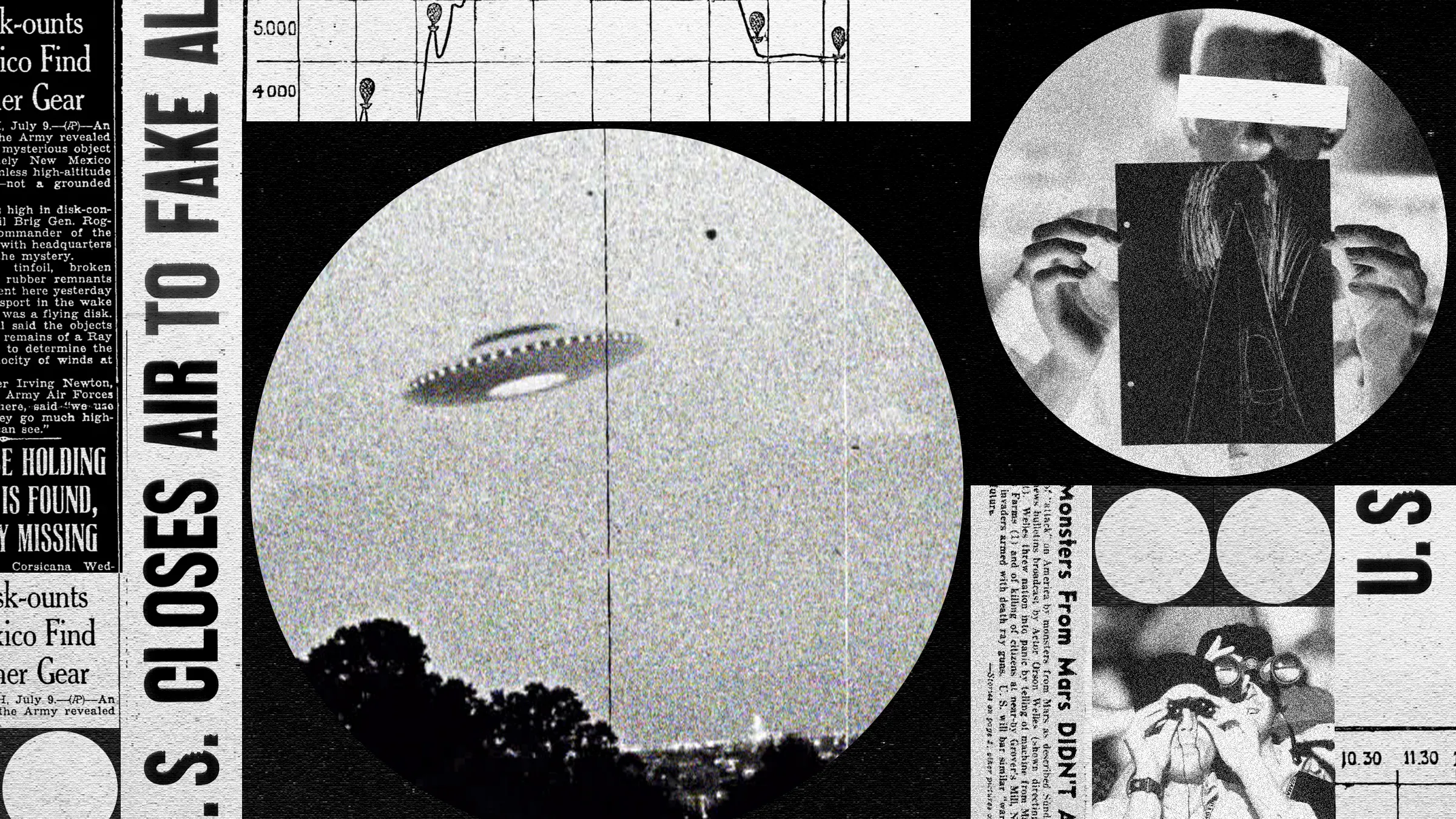
Belief in extraterrestrial life has long existed on the fringes of science fiction, conspiracy theories, and late-night talk shows. However, in recent years, the idea that aliens have already visited Earth has moved closer to the mainstream in the United States. A growing number of Americans now say they believe intelligent beings from other worlds have made contact with our planet—or are currently here.
This shift in public perception reflects changes in government transparency, media coverage, scientific discovery, and cultural attitudes toward the unknown. What was once dismissed as fringe thinking is now discussed openly in newsrooms, congressional hearings, and dinner-table conversations.
A Growing Belief Across the Nation
Surveys conducted over the past decade reveal a steady rise in the number of Americans who believe extraterrestrial beings have visited Earth. While belief in alien life somewhere in the universe has been common for years, the newer development is the conviction that contact has already occurred.
This belief cuts across age groups, political affiliations, and educational backgrounds. While younger generations tend to be more open to the idea due to exposure to science and space exploration, older Americans—many of whom lived through the Cold War UFO era—also report renewed belief fueled by recent developments.
Government Acknowledgment and UFO Transparency
One of the most significant drivers of this shift has been increased government acknowledgment of unidentified aerial phenomena (UAPs)—the modern term replacing “UFOs.” When U.S. defense and intelligence agencies confirmed that they have observed aerial objects they cannot fully explain, public curiosity surged.
Congressional hearings, declassified reports, and official statements acknowledging unexplained sightings have given legitimacy to conversations once considered taboo. Even without confirming alien origins, the government’s admission that some phenomena remain unidentified has been enough to convince many Americans that something extraordinary may be happening.
The Power of Declassified Information
Declassified military footage showing fast-moving objects defying known flight capabilities has had a profound impact. Videos captured by fighter pilots and radar systems have been widely shared, analyzed, and debated.
For many Americans, this evidence feels more credible than eyewitness accounts or blurry photos from decades past. The involvement of trained pilots and advanced military technology lends authority to claims that current science cannot explain all observed phenomena.
Media Coverage and the Normalization of the Topic
Media treatment of aliens and UFOs has also evolved. Once relegated to late-night programming or sensational tabloids, the topic is now covered by major newspapers, television networks, and respected journalists.
This shift has normalized discussion of extraterrestrial visitation, making it socially acceptable to consider the possibility without fear of ridicule. Podcasts, documentaries, and streaming platforms have further fueled interest, offering long-form explorations of alleged encounters, government secrecy, and scientific theories.
Science, Space Exploration, and Cosmic Possibility
Advances in astronomy and space science have reinforced the idea that life beyond Earth is plausible. Scientists have identified thousands of exoplanets, many of them located in habitable zones where liquid water could exist.
Discoveries of microbial life potential on Mars, complex organic molecules in space, and subsurface oceans on moons like Europa and Enceladus have expanded the public imagination. For many Americans, the question is no longer if life exists elsewhere—but whether it has already reached us.
Cultural Shifts and Trust in Institutions
Rising belief in alien visitation also reflects broader cultural trends, including declining trust in traditional institutions. As confidence in government, media, and corporations fluctuates, alternative explanations for unexplained events gain traction.
Some Americans believe information about extraterrestrial contact is being withheld, intentionally or otherwise. This skepticism fuels theories that official silence or ambiguity is evidence of concealment rather than absence.
Social Media and Viral Amplification
Social media has played a crucial role in spreading and reinforcing belief in alien visitation. Platforms allow videos, images, and personal accounts to circulate rapidly, often without verification.
Algorithms reward engagement, meaning sensational or mysterious content spreads faster than cautious explanations. Online communities dedicated to UFO sightings and extraterrestrial theories provide validation and reinforcement, creating echo chambers where belief strengthens over time.
Psychological Appeal of Alien Narratives
From a psychological perspective, belief in alien visitation fulfills several human needs. It offers explanations for uncertainty, provides a sense of cosmic significance, and challenges conventional power structures.
For some, the idea that humanity is not alone is comforting rather than frightening. It reframes Earth’s challenges as part of a larger cosmic story and suggests that intelligence and life are more widespread than previously assumed.
Generational Differences in Belief
Younger Americans tend to approach the topic with curiosity rather than fear. Raised on advanced technology, space exploration, and science-based entertainment, they often see alien life as plausible and even inevitable.
Older generations, influenced by Cold War secrecy and early UFO reports, may interpret current disclosures as confirmation of long-held suspicions. Despite different motivations, both groups contribute to the growing belief that extraterrestrial contact is real.
Skepticism Within the Scientific Community
Despite rising public belief, the scientific community remains cautious. Most scientists emphasize that unidentified does not mean extraterrestrial. Many UAP sightings can potentially be explained by atmospheric phenomena, advanced human technology, or sensor limitations.
Scientists stress the importance of evidence, peer review, and reproducibility. While they acknowledge the possibility of alien life, they caution against jumping to conclusions without definitive proof.
Pop Culture’s Long-Term Influence
American pop culture has shaped perceptions of aliens for decades. Films, television series, books, and video games have portrayed extraterrestrials as everything from benevolent visitors to existential threats.
These narratives influence how people interpret real-world events. When unexplained phenomena occur, they are often filtered through familiar fictional frameworks, making alien explanations feel intuitive rather than extraordinary.
The Role of Whistleblowers and Insider Claims
Claims from former military or intelligence personnel alleging knowledge of alien technology or recovered craft have gained attention in recent years. While such claims are controversial and difficult to verify, they resonate strongly with a public already inclined to suspect secrecy.
These accounts—whether accurate or not—contribute to the perception that important information is being hidden, reinforcing belief in alien visitation.
Fear, Fascination, and Hope
Belief in aliens evokes mixed emotions. Some Americans fear potential threats, while others see extraterrestrial contact as an opportunity for scientific advancement or global unity.
The idea that humanity might not be alone has the potential to reshape worldviews, philosophies, and even religious beliefs. For many, this possibility is exhilarating rather than alarming.
Impact on Politics and Public Policy
Growing belief in alien visitation has begun to influence political discourse. Lawmakers have called for increased transparency, better reporting systems for UAP sightings, and greater funding for space research.
While no official confirmation of extraterrestrial contact exists, the issue has gained legitimacy as a subject of public interest and national security concern.
The Search for Truth Versus the Need for Meaning
At its core, belief in alien visitation reflects humanity’s enduring quest for truth and meaning. In a complex, rapidly changing world, extraterrestrial narratives offer simple explanations for complex mysteries.
Whether these beliefs are rooted in evidence, speculation, or imagination, they reveal a deep human desire to understand our place in the universe.
What the Future May Hold
As technology improves, data collection becomes more precise, and space exploration advances, answers may eventually emerge. Future discoveries could confirm extraterrestrial life—or explain phenomena previously thought mysterious.
Until then, belief in alien visitation is likely to continue growing, shaped by curiosity, skepticism, science, and storytelling.
Final Thoughts
The increasing number of Americans convinced that aliens have visited Earth represents a significant cultural shift. Fueled by government disclosures, scientific discoveries, media coverage, and social change, this belief reflects both genuine curiosity and deep-seated mistrust of traditional narratives.
Whether extraterrestrials have actually visited our planet remains unproven. What is clear, however, is that the conversation has entered the mainstream—and it is unlikely to disappear.
As Americans continue to look toward the stars, the question of alien visitation serves as a mirror, revealing as much about human psychology, culture, and belief systems as it does about the mysteries of the universe itself.
Read Also: Keep your face towards the sunshine and shadows will fall behind you
Watch Also: https://www.youtube.com/@TravelsofTheWorld24










Leave a Reply