

A strong, muscular back is not only aesthetically impressive but also crucial for overall strength, posture, and injury prevention. Whether your goal is to build a “V-taper” physique, increase strength for other lifts, or improve athletic performance, a well-structured back workout at the gym is essential.
In this guide, we will cover the best exercises for building a big back, how to structure your workouts, proper form, and tips to maximize gains while preventing injuries. This is suitable for beginners, intermediates, and advanced gym-goers.
Why a Strong Back Matters
-
Improved Posture – A strong back supports proper alignment of the spine, reducing slouching and back pain.
-
Enhanced Strength – A powerful back improves lifts like deadlifts, bench press, and overhead press.
-
Aesthetics – Developing the lats, traps, and rear delts contributes to a wide, strong-looking upper body.
-
Injury Prevention – Strengthening stabilizing muscles helps prevent shoulder, neck, and lower back injuries.
-
Functional Fitness – Daily movements like lifting, pulling, or carrying benefit from a strong back.
Key Muscles in the Back
To design an effective back workout, it’s important to understand the major muscles:
-
Latissimus Dorsi (Lats) – Large muscles that give the V-taper shape.
-
Trapezius (Traps) – Upper traps elevate shoulders; mid and lower traps support posture.
-
Rhomboids – Connect shoulder blades to the spine; important for retraction.
-
Erector Spinae – Runs along the spine; crucial for lower back strength.
-
Rear Delts – Posterior shoulder muscles, important for overall shoulder balance.
Guidelines for a Back Workout
1. Warm-Up (5–10 minutes)
Always start with a warm-up to prepare muscles and joints:
-
Rowing machine: 3–5 minutes
-
Dynamic stretches: arm circles, torso twists, cat-cow stretch
2. Focus on Form
Proper technique is more important than heavy weight. Bad form can cause injuries, particularly in the lower back.
3. Progressive Overload
Gradually increase weight, reps, or sets over time to stimulate muscle growth.
4. Mind-Muscle Connection
Focus on contracting the target muscles during each rep, especially the lats and traps.
5. Rest Between Sets
-
For hypertrophy (muscle growth): 60–90 seconds
-
For strength: 2–3 minutes
Best Back Exercises at the Gym
Here’s a detailed breakdown of highly effective exercises for building a big back:
1. Pull-Ups / Chin-Ups
-
Muscles Targeted: Lats, biceps, traps
-
How to Perform:
-
Grab a pull-up bar with hands slightly wider than shoulder-width.
-
Pull your body up until your chin is above the bar.
-
Lower slowly to full arm extension.
-
-
Tips:
-
Use an assisted pull-up machine if necessary.
-
Focus on pulling with your back, not just your arms.
-
2. Lat Pulldown
-
Muscles Targeted: Lats, biceps
-
How to Perform:
-
Sit at the lat pulldown machine, grab the bar wider than shoulders.
-
Pull the bar to your upper chest while squeezing your lats.
-
Slowly return to starting position.
-
-
Tips:
-
Avoid leaning back excessively; keep torso upright.
-
Controlled movement is key; avoid jerking the bar.
-
3. Barbell Rows
-
Muscles Targeted: Lats, traps, rhomboids, erector spinae
-
How to Perform:
-
Hold a barbell with an overhand grip, bend forward at hips, back straight.
-
Pull the barbell to your lower chest or upper abs.
-
Lower slowly to starting position.
-
-
Tips:
-
Avoid rounding your back.
-
Use moderate weight to maintain control.
-
4. Dumbbell Rows (Single-Arm)
-
Muscles Targeted: Lats, traps, rhomboids
-
How to Perform:
-
Place one knee and hand on a bench, hold dumbbell in opposite hand.
-
Pull dumbbell toward torso, squeeze shoulder blade, lower slowly.
-
-
Tips:
-
Focus on full range of motion.
-
Keep your back straight and core tight.
-
5. Seated Cable Rows
-
Muscles Targeted: Middle back, traps, rhomboids, lats
-
How to Perform:
-
Sit at a cable row machine, feet planted, back straight.
-
Pull the handle toward your torso while squeezing shoulder blades together.
-
Slowly extend arms to starting position.
-
-
Tips:
-
Avoid leaning forward excessively.
-
Focus on contracting the back muscles.
-
6. Face Pulls
-
Muscles Targeted: Rear delts, traps, rhomboids
-
How to Perform:
-
Attach rope to a cable at upper chest height.
-
Pull the rope toward your face, elbows high, squeezing rear delts.
-
Slowly return to starting position.
-
-
Tips:
-
Keep movement controlled; avoid swinging.
-
Excellent for shoulder health and posture.
-
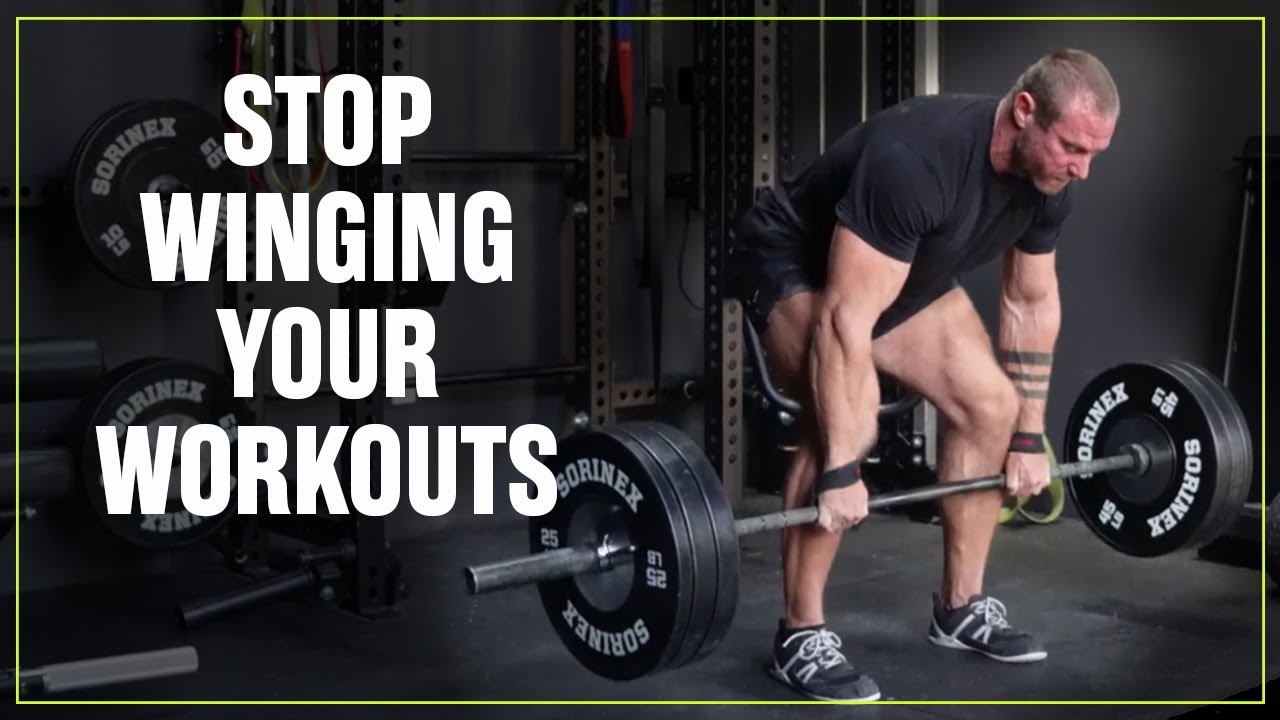
7. Deadlifts
-
Muscles Targeted: Erector spinae, lats, traps, glutes, hamstrings
-
How to Perform:
-
Stand with feet hip-width apart, barbell over mid-foot.
-
Bend hips and knees, grip bar, lift by extending hips and knees.
-
Lower bar under control.
-
-
Tips:
-
Maintain a straight back; do not round spine.
-
Start with light weight to perfect form.
-
8. Hyperextensions / Back Extensions
-
Muscles Targeted: Lower back (erector spinae)
-
How to Perform:
-
Use a hyperextension bench, secure legs, cross arms or hold weight.
-
Lower torso, then raise until aligned with legs.
-
-
Tips:
-
Avoid excessive arching; keep controlled movement.
-
9. Shrugs (Dumbbell or Barbell)
-
Muscles Targeted: Traps
-
How to Perform:
-
Hold dumbbells at sides or barbell in front.
-
Shrug shoulders toward ears, hold briefly, then lower slowly.
-
-
Tips:
-
Focus on traps contraction, avoid rolling shoulders.
-
10. Pullovers (Dumbbell or Machine)
-
Muscles Targeted: Lats, chest, serratus
-
How to Perform:
-
Lie on a bench, hold dumbbell over chest with both hands.
-
Lower dumbbell behind head, keeping arms slightly bent.
-
Raise back over chest.
-
-
Tips:
-
Maintain slight bend in elbows to protect shoulders.
-
Control the movement; don’t use momentum.
-
Sample Back Workout Routine (Gym)
Here’s a structured back workout for muscle growth:
| Exercise | Sets | Reps |
|---|---|---|
| Pull-Ups / Assisted Pull-Ups | 3 | 8–12 |
| Barbell Rows | 3 | 10–12 |
| Lat Pulldown | 3 | 10–12 |
| Dumbbell Single-Arm Rows | 3 | 12 per side |
| Seated Cable Rows | 3 | 12–15 |
| Face Pulls | 3 | 12–15 |
| Shrugs (Dumbbell/Barbell) | 3 | 12–15 |
| Hyperextensions | 3 | 12–15 |
Duration: 60–75 minutes including warm-up and cool-down
Frequency: 1–2 times per week for back-focused growth
Tips to Maximize Back Gains
-
Focus on Muscle Contraction – Visualize the lats and traps working.
-
Use Full Range of Motion – Complete movement ensures maximum activation.
-
Vary Grips – Underhand, overhand, and neutral grips target muscles differently.
-
Progressive Overload – Gradually increase weights, reps, or intensity.
-
Include Compound and Isolation Movements – For balanced development.
-
Mind Your Posture – Keep spine neutral, shoulders back, core engaged.
-
Recovery – Sleep and nutrition are essential for hypertrophy.
Common Mistakes to Avoid
-
Rounding the Back – Leads to injuries, especially in deadlifts and rows.
-
Using Momentum – Reduces muscle activation and increases injury risk.
-
Neglecting Rear Delts – Causes imbalanced shoulder and upper back development.
-
Overtraining – Back muscles need rest; 48–72 hours recovery is ideal.
-
Poor Grip – Weak grip can limit pulling exercises; consider straps if needed.
Benefits of a Big Back
-
Strong posture and spinal support
-
Improved performance in compound lifts like bench press and deadlift
-
Enhanced physique with V-shaped torso
-
Reduced risk of shoulder and back injuries
-
Better functional strength for sports and daily activities
Conclusion
Building a big back requires a combination of compound and isolation exercises, proper form, progressive overload, and consistency. By incorporating exercises such as pull-ups, rows, deadlifts, and face pulls into your gym routine, you can target all major back muscles effectively.
Remember to warm up, focus on contraction, track your progress, and prioritize recovery. A strong back not only enhances your appearance but also improves performance, prevents injuries, and supports overall physical health.
Whether your goal is aesthetic or strength-based, following a structured back workout plan at the gym is the key to achieving a wide, muscular, and powerful back.
Read Also: Keep your face towards the sunshine and shadows will fall behind you
Watch Also: https://www.youtube.com/@TravelsofTheWorld24










Leave a Reply