
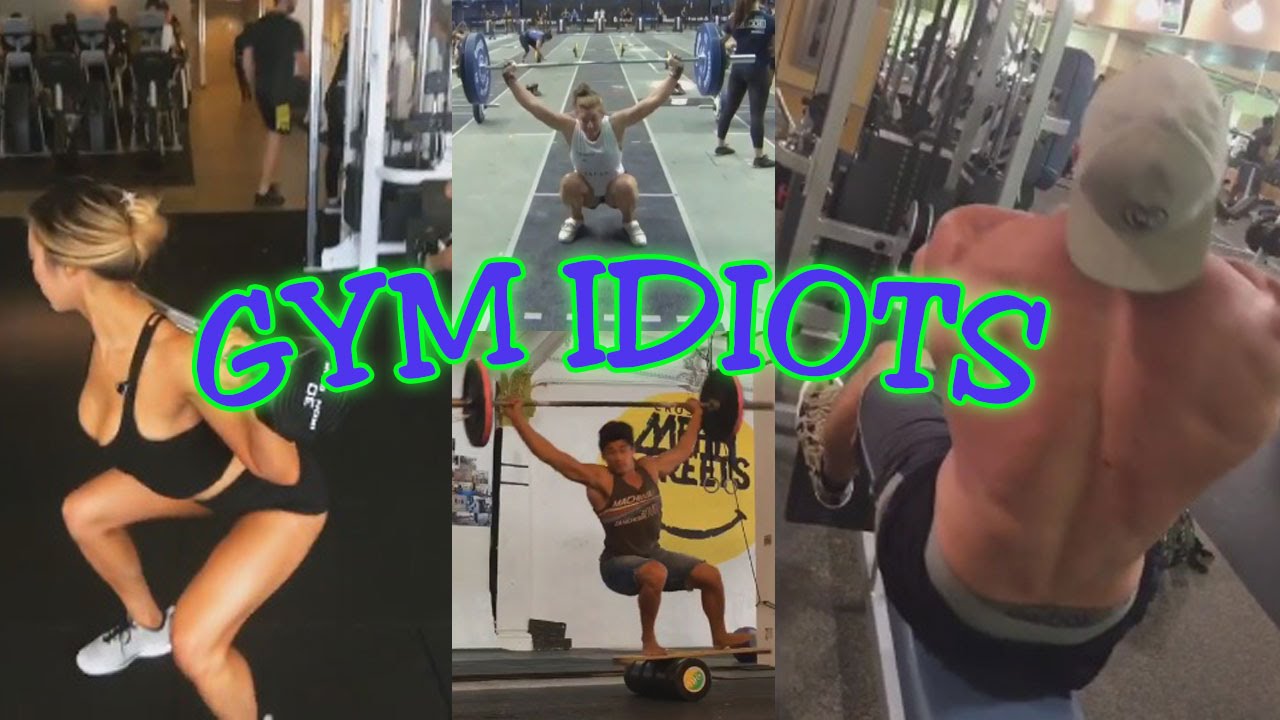
The gym can be a fun and inspiring place, but sometimes it’s also a playground for workout fails. From hideous CrossFit snatches to Brad Castleberry’s infamous cheat rows, these moments teach valuable lessons about form, safety, and proper training techniques.
In this article, we’ll explore common mistakes, exaggerated training techniques, and the difference between effective lifts and risky “gym idiot” behavior, while still keeping it entertaining.
Why Gym Fails Happen
Gym fails often happen because of a few key reasons:
-
Poor Form Awareness: Many beginners lift heavy weights without proper instruction.
-
Overconfidence: Trying to lift more than your body can handle.
-
Misunderstanding CrossFit or Strength Techniques: Some movements require skill, precision, and coaching.
-
Cheating Reps: Using momentum instead of muscle engagement.
-
Social Media Influence: People mimic viral lifts without proper guidance.
Tip: Always prioritize form over ego. Lifting safely is more effective than lifting heavy incorrectly.
The CrossFit Snatch – Why It’s Tricky
The snatch is a classic Olympic lift used in CrossFit, but it’s technically challenging:
-
Requires explosive power from the legs, hips, and back.
-
Demands shoulder mobility and precise timing.
-
Even small mistakes can lead to injury.
Common Snatch Mistakes Seen in Gyms
-
Rounded Back: Can cause spinal injury.
-
Knee Caving In: Risk of ligament strain.
-
Dropping the Bar Forward: Shoulder and wrist hazards.
-
Overloading the Bar: Ego lifting leads to uncontrolled movement.
Tip: Beginners should start with PVC pipe or light bars to master technique before attempting heavier weights.
Brad Castleberry Cheat Rows – What Went Wrong?
Brad Castleberry, a well-known fitness influencer, has gained attention for massive lifts, but some rows appear “cheated”, using body momentum:
-
Cheat Rows involve leaning back or swinging to lift heavier weights.
-
They reduce bicep and back isolation, shifting stress to other muscles.
-
While some advanced lifters intentionally cheat for overload, beginners often injure themselves copying these moves.
Why Cheat Rows Can Be Risky
-
Lower Back Stress: Excessive swinging strains lumbar spine.
-
Poor Muscle Activation: Target muscles don’t get full benefit.
-
Bad Habits: Reinforces unsafe lifting patterns.
-
Joint Strain: Elbows and shoulders can get injured with momentum.
Tip: Focus on controlled rowing with full range of motion before attempting heavier variations.
Gym Idiot Fails – Common Examples
-
Overloaded CrossFit Snatches – Flailing bars, collapsing form, shoulder injuries.
-
Excessive Cheat Rows – Swinging weights, jerky motions, hyperextended lower back.
-
Bouncing Dumbbell Curls – Using momentum instead of contraction.
-
Skipping Warm-Ups – Attempting Olympic lifts cold.
-
Unsupervised Deadlifts – Rounded back, locking out incorrectly, risking spine.
Tip: Even advanced lifters benefit from spotters, coaching, and gradual progression.
How to Lift Like a Pro, Not a Gym Idiot
1. Master Form Before Weight
-
Learn movements slowly with light weights.
-
Use mirrors or videos to check technique.
-
Seek coaching or online tutorials from reputable sources.
2. Use Proper Equipment
-
Weightlifting shoes for stability.
-
Belts for heavy loads (squat/deadlift).
-
Wrist straps for grip-intensive lifts.
3. Mind-Muscle Connection
-
Focus on the muscles working, not just moving the weight.
-
Example: During rows, feel your lats and biceps, not your lower back.
4. Progress Gradually
-
Increase weight 5–10% per week rather than jumping to max.
-
Avoid ego lifting; consistency beats flashiness.
5. Warm-Up & Mobility
-
Dynamic stretches, foam rolling, and light sets.
-
Prevent injuries and improve lifting mechanics.
Lessons From CrossFit Snatches & Cheat Rows
Even fails can teach important lessons:
-
Technique Trumps Weight: Heavy lifts are meaningless if form is bad.
-
Safety First: Joints, spine, and shoulders are precious—don’t risk them for Instagram likes.
-
Control Over Ego: Lifting within limits leads to steady gains.
-
Superset Smartly: Pair compound lifts with isolation exercises for safe overload.
-
Watch and Learn: Observing mistakes can prevent your own gym fails.
Fun Note: Watching extreme lifts can be motivating if you focus on technique and not just numbers.
Safe Alternatives for CrossFit & Cheat Rows
CrossFit Snatch Alternatives
-
Dumbbell Power Snatch: Lighter, one hand, easier to learn.
-
Kettlebell Snatch: Focus on hip drive and core stability.
-
Medicine Ball Overhead Throw: Explosive power without heavy barbell risk.
Safe Rowing Variations
-
Seated Cable Row: Controlled motion, adjustable weight.
-
One-Arm Dumbbell Row: Full range of motion, low risk.
-
Chest-Supported Row: Protects lower back while isolating lats.
Tip: These variations teach proper mechanics before attempting advanced cheat lifts.
Why Gym Fails Are Entertaining and Educational
Gym fails, like hideous CrossFit snatches or over-the-top cheat rows, are often funny—but they’re also educational:
-
Highlight common mistakes beginners make.
-
Encourage awareness of technique and safety.
-
Motivate lifters to take progression seriously.
Tip: Laugh, learn, and lift smarter—gym humor should inspire, not discourage.
Creating a Safe, Effective Lifting Routine
To avoid becoming a “gym idiot,” follow a structured plan:
-
Warm-Up: 5–10 minutes of cardio + joint mobility.
-
Main Lifts: Focus on compound movements (squat, deadlift, bench, row).
-
Accessory Exercises: Isolation for biceps, triceps, and shoulders.
-
Cooldown: Stretching and foam rolling.
-
Track Progress: Keep a log of weights, reps, and sets.
Tip: Superset carefully to avoid fatigue-induced mistakes.
Conclusion
“Gym idiots” like hideous CrossFit snatches or Brad Castleberry cheat rows provide both entertainment and valuable lessons for proper lifting. Key takeaways include:
-
Master form before weight.
-
Avoid momentum-based cheating unless advanced and safe.
-
Use progressive overload responsibly.
-
Warm-up, mobility, and proper equipment prevent injuries.
-
Watch fails for learning and motivation, not imitation.
By following these principles, you can train hard, lift heavy, and avoid becoming a cautionary tale at the gym. Focus on controlled lifts, smart progression, and safety, and you’ll maximize gains while minimizing risks.
Read Also: Keep your face towards the sunshine and shadows will fall behind you
Watch Also: https://www.youtube.com/@TravelsofTheWorld24

Leave a Reply