
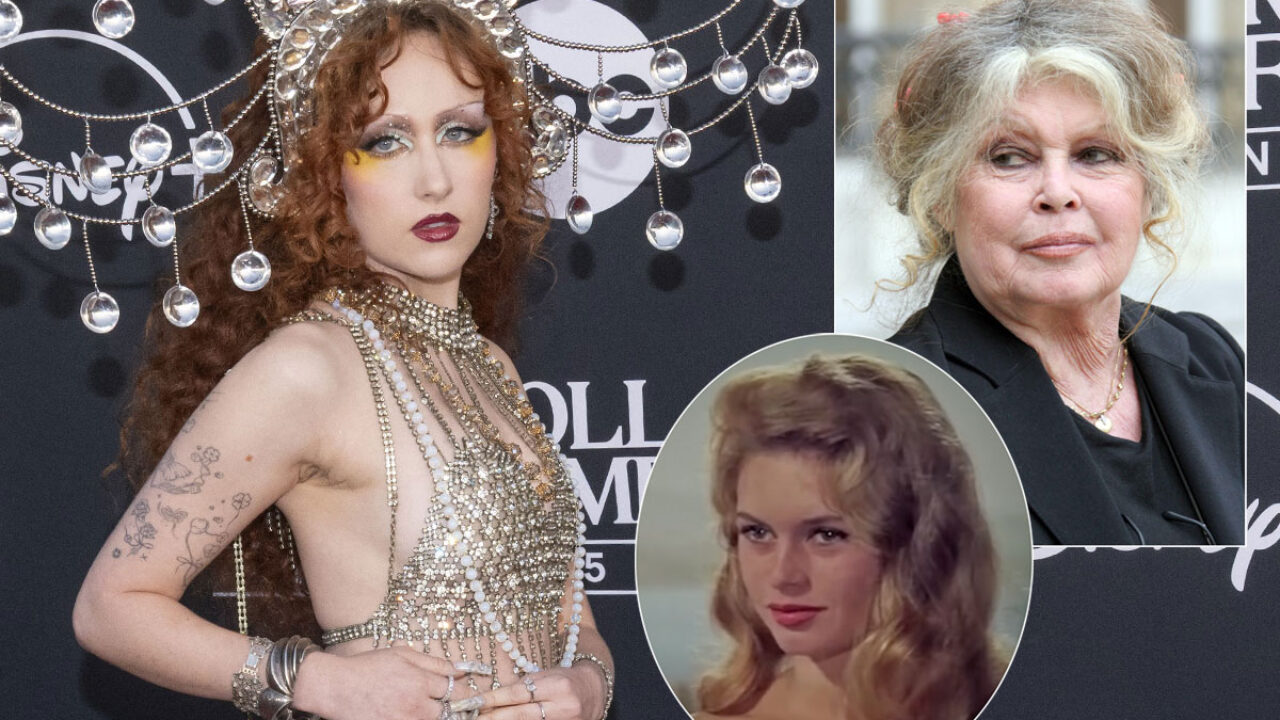
Pop singer Chappell Roan has found herself at the center of an intense cultural conversation after deleting a tribute she posted following the death of French film icon Brigitte Bardot. The singer explained that she removed the post after learning more about Bardot’s right-wing political views, which she described as deeply incompatible with her own values.
The incident has sparked widespread debate online about celebrity accountability, historical legacies, and whether it is possible—or appropriate—to separate artistic influence from political ideology.
The Original Tribute and Its Sudden Removal
Shortly after news of Brigitte Bardot’s death circulated, Chappell Roan shared a tribute on social media honoring the actress’s influence on fashion, cinema, and visual culture. The post featured imagery inspired by Bardot’s iconic 1960s aesthetic—soft blonde hair, dramatic eyeliner, and vintage glamour—along with a caption acknowledging Bardot’s impact on generations of artists.
Within hours, fans began commenting on the post, pointing out Bardot’s long history of controversial right-wing statements, particularly her rhetoric surrounding immigration, Islam, and multiculturalism in France.
Not long after the criticism surfaced, Roan deleted the tribute without explanation. The sudden disappearance prompted speculation among fans and media outlets, with many wondering whether the deletion was a response to backlash or a personal reassessment.
Chappell Roan Addresses the Decision
Roan soon clarified her reasoning in follow-up messages and comments, explaining that she was not fully aware of Bardot’s political positions at the time of posting. After researching further, she decided that continuing to honor Bardot publicly felt wrong.
She described Bardot’s views as “very disappointing” and emphasized that she did not want her platform to be associated with ideologies she fundamentally opposes.
Rather than framing the situation as a cancellation or condemnation, Roan positioned her decision as a matter of personal responsibility and values. She acknowledged the mistake openly, stating that she would rather remove a post than risk appearing to endorse beliefs that conflict with her own principles.
Who Was Brigitte Bardot?
Brigitte Bardot was one of the most influential cultural figures of the 20th century. Rising to global fame in the 1950s and 1960s, she became a symbol of beauty, sensuality, and rebellion through films such as And God Created Woman.
Her image shaped fashion, beauty standards, and pop culture for decades. Bardot popularized the bikini, inspired countless musicians and designers, and became a lasting symbol of French cinema’s golden era.
However, Bardot’s later life was marked by a dramatic shift away from entertainment and toward activism and politics—an evolution that would ultimately complicate her legacy.
Bardot’s Right-Wing Political History
After retiring from acting, Bardot became increasingly vocal about her political views. Over the years, she expressed strong opposition to immigration, multiculturalism, and Islam in France. Her statements were frequently criticized as inflammatory, discriminatory, and harmful.
Bardot was convicted multiple times in French courts for inciting racial hatred, a fact that has been widely documented. While she was also known for her passionate advocacy for animal rights, her political rhetoric often overshadowed that work.
For many younger fans and artists, Bardot’s aesthetic legacy was often encountered without full awareness of her ideological stance—a gap that social media now rapidly exposes.
The Modern Dilemma: Art vs. Artist
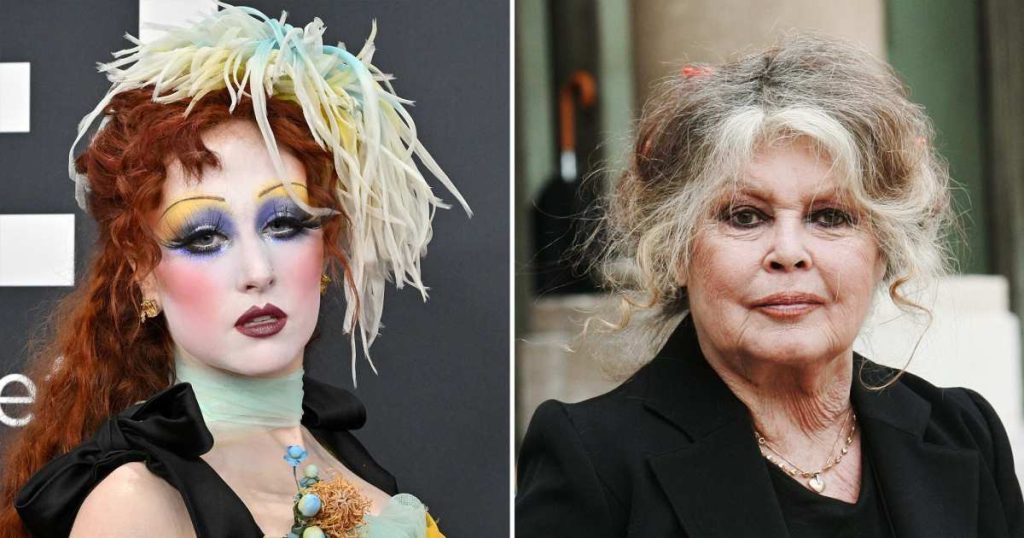
Roan’s decision to delete the tribute has reignited a long-standing cultural debate: Can you appreciate an artist’s influence without endorsing their beliefs?
Some argue that historical figures should be viewed through the lens of their time and that artistic contributions should be evaluated separately from personal ideology. Others counter that continued celebration of controversial figures risks normalizing or excusing harmful views.
Roan’s response suggests she believes that public tributes—especially from modern artists with large platforms—carry implicit endorsement. For her, admiration without context was no longer acceptable once she understood the full picture.
Fan and Public Reaction
The reaction to Roan’s decision was swift and largely supportive. Many fans praised her for listening, learning, and acting quickly rather than ignoring criticism or defending the post.
Supporters highlighted her transparency, noting that she did not attempt to justify the tribute or dismiss concerns. Instead, she acknowledged the oversight and adjusted accordingly.
However, some critics argued that deleting the tribute amounted to overcorrection or that Bardot’s artistic legacy deserved recognition regardless of her politics. Others suggested that historical figures should not be judged solely by modern standards.
Despite differing opinions, the conversation remained relatively nuanced compared to typical online controversies.
A Reflection of Generational Values
Roan’s response reflects a broader shift in how younger generations approach culture and history. Gen-Z and millennial artists often emphasize ethical alignment, inclusivity, and accountability when engaging with past icons.
Rather than separating art from the artist entirely, many prefer to contextualize influence—or disengage from it altogether if the conflict feels too great.
Roan’s decision aligns with this mindset, emphasizing growth and reflection over rigid loyalty to aesthetic inspiration.
Chappell Roan’s Public Persona and Values
Known for her theatrical pop sound, queer-positive messaging, and unapologetic authenticity, Chappell Roan has cultivated a fanbase that values honesty and self-reflection.
Throughout her career, she has spoken openly about identity, mental health, and social responsibility. Her willingness to revise her actions publicly reinforces an image of an artist who prioritizes integrity over ego.
For many fans, the Bardot tribute incident did not damage Roan’s credibility—instead, it strengthened her reputation as someone willing to learn and change.
Read Also: Keep your face towards the sunshine and shadows will fall behind you
Social Media and the Speed of Accountability
The incident also highlights how quickly social media can turn admiration into scrutiny. What once might have been a harmless homage now becomes a public statement open to instant fact-checking and debate.
Artists today are expected not only to create but also to contextualize. References to historical figures are no longer neutral—they carry political and cultural implications that audiences are quick to analyze.
Roan’s choice demonstrates how quickly modern celebrities must adapt when new information emerges.
The Broader Industry Impact
This moment adds to a growing list of cases where artists reconsider references to controversial figures after fan feedback. Fashion, music, and film industries are increasingly grappling with how to handle inspirations tied to problematic histories.
Some creators choose to contextualize rather than erase, while others—like Roan—opt to disengage entirely. Neither approach is universally accepted, but both reflect a cultural shift toward critical engagement with the past.
Mistakes, Growth, and Public Learning
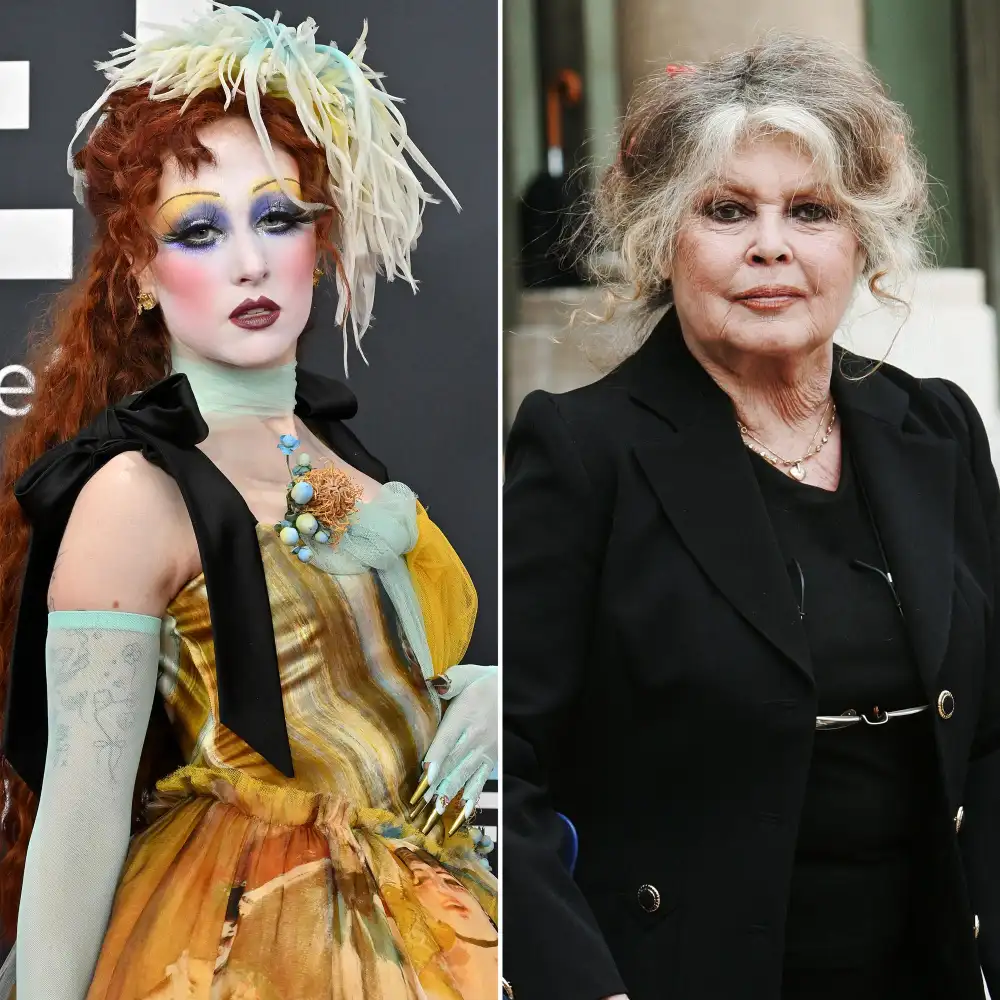
Importantly, Roan did not claim ignorance as an excuse. Instead, she acknowledged that she learned something new and adjusted her behavior accordingly.
In an era where public figures are often criticized for doubling down or refusing to admit fault, Roan’s response stood out as measured and thoughtful.
Many fans described the situation as a reminder that accountability does not require perfection—only willingness to listen and evolve.
What This Means for Bardot’s Legacy
Bardot’s death has reignited conversations about how her legacy will be remembered. While her artistic influence remains undeniable, her political positions complicate any uncritical celebration.
For contemporary artists like Roan, the challenge lies in navigating admiration without inadvertently endorsing harmful ideologies—a balance that becomes more difficult as information becomes more accessible.
Conclusion
Chappell Roan’s decision to delete her Brigitte Bardot death tribute after discovering the late star’s right-wing political views reflects the evolving relationship between modern artists and historical icons.
Rather than ignoring criticism or defending her initial post, Roan chose transparency and accountability. In doing so, she sparked a broader conversation about legacy, responsibility, and how cultural admiration operates in the digital age.
As pop culture continues to revisit the past, moments like this suggest a future where influence is not only acknowledged—but questioned, contextualized, and, when necessary, reconsidered.
Watch Also: https://www.youtube.com/@TravelsofTheWorld24






Leave a Reply