
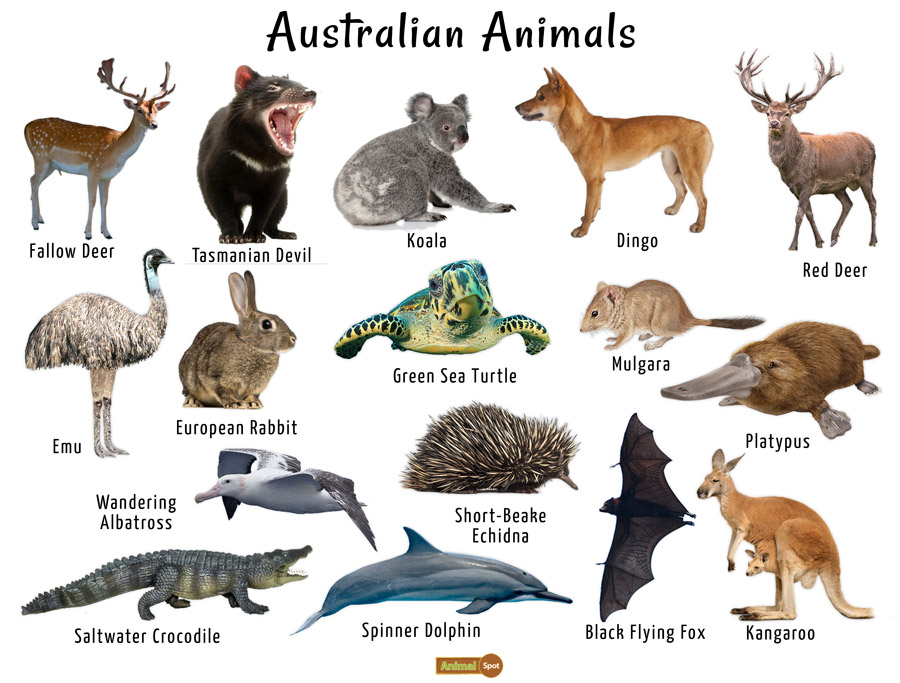
Australia’s unique wildlife has long fascinated scientists, conservationists, and nature enthusiasts around the world. Its isolation over millions of years produced an extraordinary array of species found nowhere else on Earth—from kangaroos and wombats to strange monotremes like the platypus. However, human settlement, habitat destruction, invasive species, and climate change have taken a heavy toll on Australia’s fauna. Over the years, many animals were feared extinct, disappearing from public and scientific knowledge for decades.
Yet, in some miraculous cases, species once thought lost have reemerged, giving hope to conservationists and reminding us of nature’s resilience. Here’s a closer look at 10 Australian animals once believed extinct and the stories of their rediscovery.
1. Leadbeater’s Possum
Leadbeater’s Possum (Gymnobelideus leadbeateri), a small nocturnal marsupial, was feared extinct after extensive logging in Victoria’s Central Highlands destroyed its old-growth forest habitat. It was not seen in the wild for nearly 60 years.
Rediscovery: In 1961, a small population was rediscovered, prompting conservation efforts focused on preserving remaining habitats. Today, Leadbeater’s Possum is critically endangered, and ongoing habitat restoration and forest protection programs aim to secure its survival.
Why it matters: This tiny possum highlights the importance of old-growth forests and the delicate balance of Australia’s ecosystems.
2. Northern Hairy-nosed Wombat
The Northern Hairy-nosed Wombat (Lasiorhinus krefftii) is one of the world’s rarest large mammals. By the early 20th century, it was thought extinct due to hunting and habitat loss.
Rediscovery: In 1973, a small population was discovered in Epping Forest National Park, Queensland. Intensive conservation efforts, including fenced reserves and monitoring, have slowly increased their numbers, though fewer than 300 exist today.
Why it matters: It represents the success of targeted, science-based conservation programs in preventing total extinction.
3. Western Swamp Tortoise
The Western Swamp Tortoise (Pseudemydura umbrina) was feared extinct in the arid landscapes of Western Australia. Only a handful of sightings were reported by the 1950s.
Rediscovery: In 1953, researchers located a small population in seasonal swamps near Perth. Captive breeding programs and habitat management have been crucial in reviving this species.
Why it matters: The tortoise’s survival shows the importance of wetland conservation in otherwise dry environments.
4. Orange-bellied Parrot
The Orange-bellied Parrot (Neophema chrysogaster) is one of Australia’s most endangered birds, and it was thought extinct in the wild in the 1980s.
Rediscovery: Small wild populations were later rediscovered, leading to intense conservation programs including captive breeding and habitat protection along migration routes between Tasmania and Victoria.
Why it matters: It is a symbol of hope for migratory species threatened by habitat loss and climate change.
5. Western Ground Parrot
The Western Ground Parrot (Pezoporus flaviventris) was feared extinct after bushfires and predation by feral cats and foxes decimated populations in Western Australia.
Rediscovery: In 2010, a small population of fewer than 20 birds was confirmed alive, sparking an emergency conservation response. Today, conservationists use captive breeding and predator control programs to try to save this ground-dwelling bird.
Why it matters: The bird’s survival illustrates how intensive management can save even the most precarious species.
6. Mountain Pygmy-possum
The Mountain Pygmy-possum (Burramys parvus) is a tiny marsupial living in alpine regions of Victoria and New South Wales. It was believed extinct for thousands of years before fossils were discovered in the 1960s.
Rediscovery: A living population was found in 1966 in Mount Hotham, leading to habitat protection and research programs.
Why it matters: It is Australia’s only alpine marsupial and an indicator species for climate change impacts in mountainous environments.
7. Eastern Curlew
The Eastern Curlew (Numenius madagascariensis) is a migratory shorebird thought to be in severe decline due to habitat loss in its feeding grounds across Australia and Asia.
Rediscovery/Conservation: While never fully extinct, their drastic population decline in the 20th century sparked extensive monitoring and habitat protection. Conservation efforts focus on Ramsar wetlands and reducing disturbance in breeding areas.
Why it matters: Protecting migratory species highlights the interconnectedness of ecosystems across continents.
8. Gilbert’s Potoroo
Gilbert’s Potoroo (Potorous gilbertii) is an extremely rare marsupial once feared extinct in Western Australia. By the 1970s, only historical records existed.
Rediscovery: In 1994, a small population was rediscovered in Two Peoples Bay Nature Reserve. Intensive breeding and predator control programs have been essential in safeguarding this tiny nocturnal herbivore.
Why it matters: It is considered Australia’s rarest marsupial and a key species in maintaining ecosystem health through soil aeration and seed dispersal.
9. Night Parrot
The Night Parrot (Pezoporus occidentalis) was long considered the holy grail of Australian birdwatchers, thought extinct for over a century. Its elusive nocturnal lifestyle contributed to its “lost” status.
Rediscovery: In 2013, researchers captured photographic evidence and audio recordings confirming its survival in the arid interiors of Queensland.
Why it matters: The Night Parrot exemplifies how species can survive undetected for decades, reinforcing the need for ongoing field surveys and conservation research.
10. Western Pygmy Possum
The Western Pygmy Possum (Cercartetus concinnus) was considered missing in parts of its range due to habitat loss. Rediscoveries in isolated locations have helped highlight its resilience and the importance of preserving flowering shrubs and undergrowth for survival.
Why it matters: Small mammals like this possum play essential roles in pollination and seed dispersal, critical for ecosystem health.
Common Themes Among Rediscovered Species
The stories of these 10 animals reveal several important patterns:
1. Habitat Loss is a Major Threat
Deforestation, agriculture, urbanization, and mining have historically pushed species to the brink. Protection and restoration of habitats are key to survival.
2. Invasive Species Exacerbate Declines
Feral cats, foxes, and invasive plants have devastating impacts on native fauna. Predator control and ecosystem management are central to conservation.
3. Human Intervention Can Save Species
Rediscoveries often lead to targeted conservation programs, including habitat protection, captive breeding, and monitoring, which have saved multiple species from extinction.
4. Patience and Persistence Pay Off
Many species remained undetected for decades. Continuous field surveys, research, and community involvement are crucial.
5. Conservation Requires Collaboration
Government agencies, Indigenous communities, scientists, and NGOs all play vital roles in identifying, protecting, and monitoring these species.
Conservation Lessons from Rediscoveries
-
Species Are Resilient: Nature often finds ways to survive, even in fragmented habitats.
-
Early Action Matters: Rapid conservation after rediscovery increases survival chances.
-
Data-Driven Approaches Work: Monitoring populations and using scientific research improves outcomes.
-
Community Involvement is Crucial: Indigenous knowledge and local support often determine success.
Rediscovering species provides hope and motivates ongoing conservation efforts, demonstrating that even critically endangered animals can rebound with sustained protection.
Looking Ahead: The Future of Australia’s Wildlife
Despite remarkable rediscoveries, Australia’s wildlife remains under threat. Climate change, bushfires, droughts, and ongoing human encroachment pose challenges for both well-known and obscure species.
Steps for a Brighter Future:
-
Expanding protected areas and wildlife corridors
-
Strengthening predator and invasive species control
-
Supporting captive breeding and reintroduction programs
-
Engaging local communities and Indigenous groups in conservation
-
Investing in scientific research and monitoring
The stories of these 10 species remind us that hope is not lost, and dedicated conservation efforts can make the difference between extinction and survival.
Conclusion
Australia’s wildlife is both fragile and remarkable. The stories of animals once thought extinct—like Leadbeater’s Possum, Night Parrot, Gilbert’s Potoroo, and the Northern Hairy-nosed Wombat—offer hope and inspiration. They illustrate nature’s resilience, the impact of targeted conservation, and the vital role humans can play in protecting biodiversity.
As researchers continue to explore remote habitats and implement innovative conservation strategies, more species may emerge from obscurity. Every rediscovery reinforces a simple truth: protecting Australia’s unique fauna is not just about preserving animals—it is about preserving the ecosystems, cultures, and natural heritage that define the continent.
Australia’s lost-and-found species remind us that extinction is not always final, and with persistence, science, and care, even the most threatened creatures can survive and thrive.
Read Also: Keep your face towards the sunshine and shadows will fall behind you
Watch Also: https://www.youtube.com/@TravelsofTheWorld24






Leave a Reply