
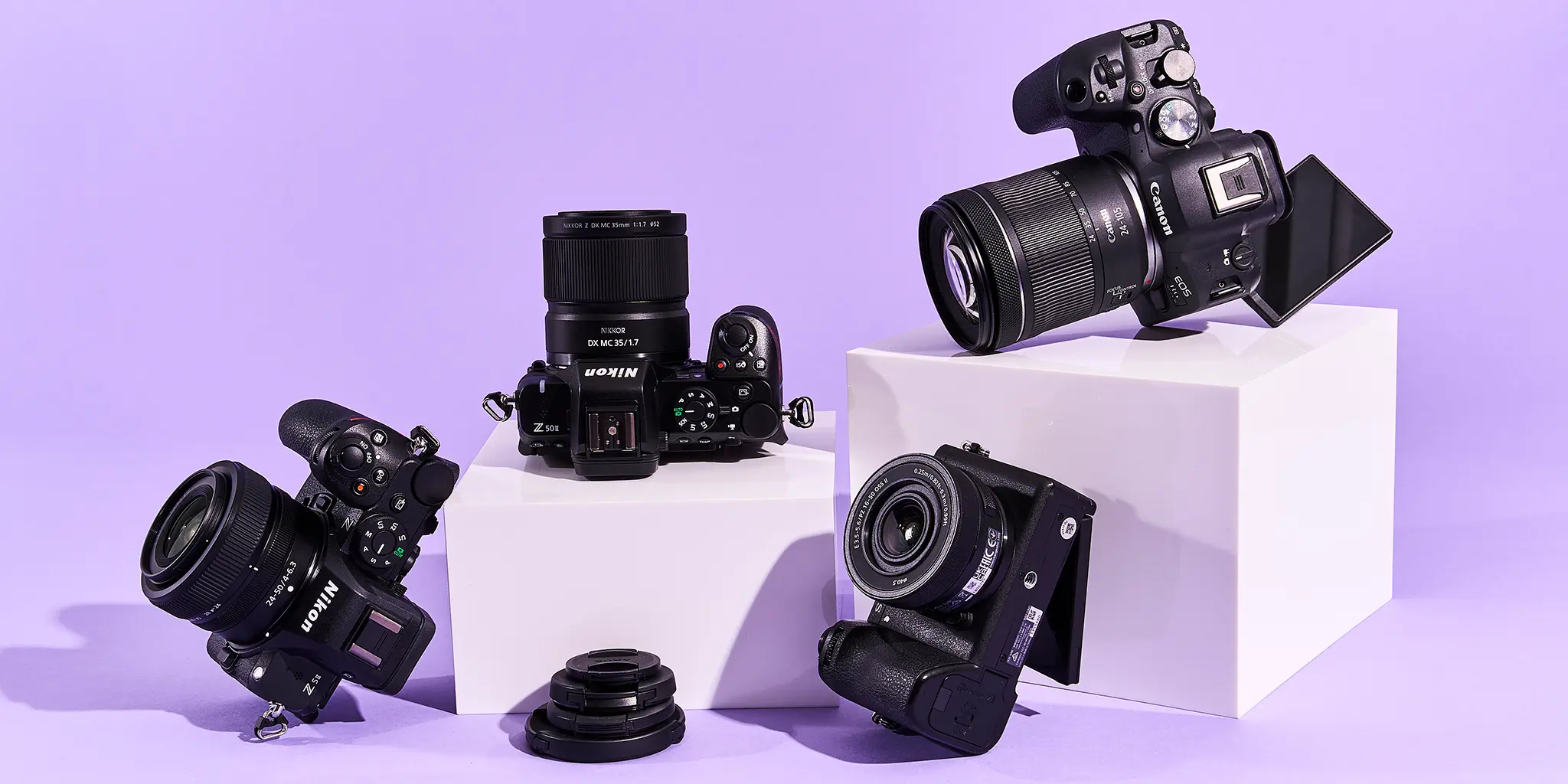
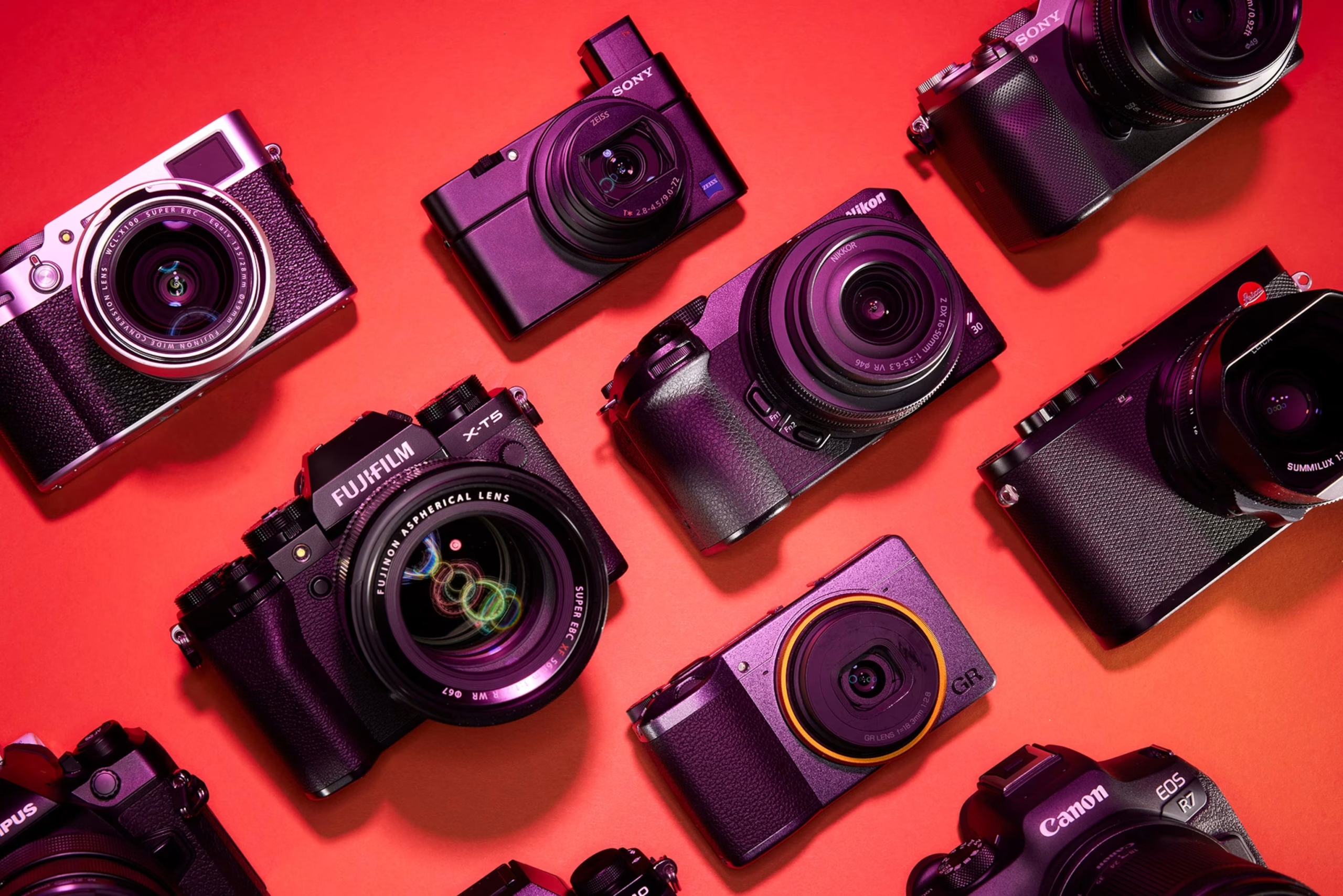
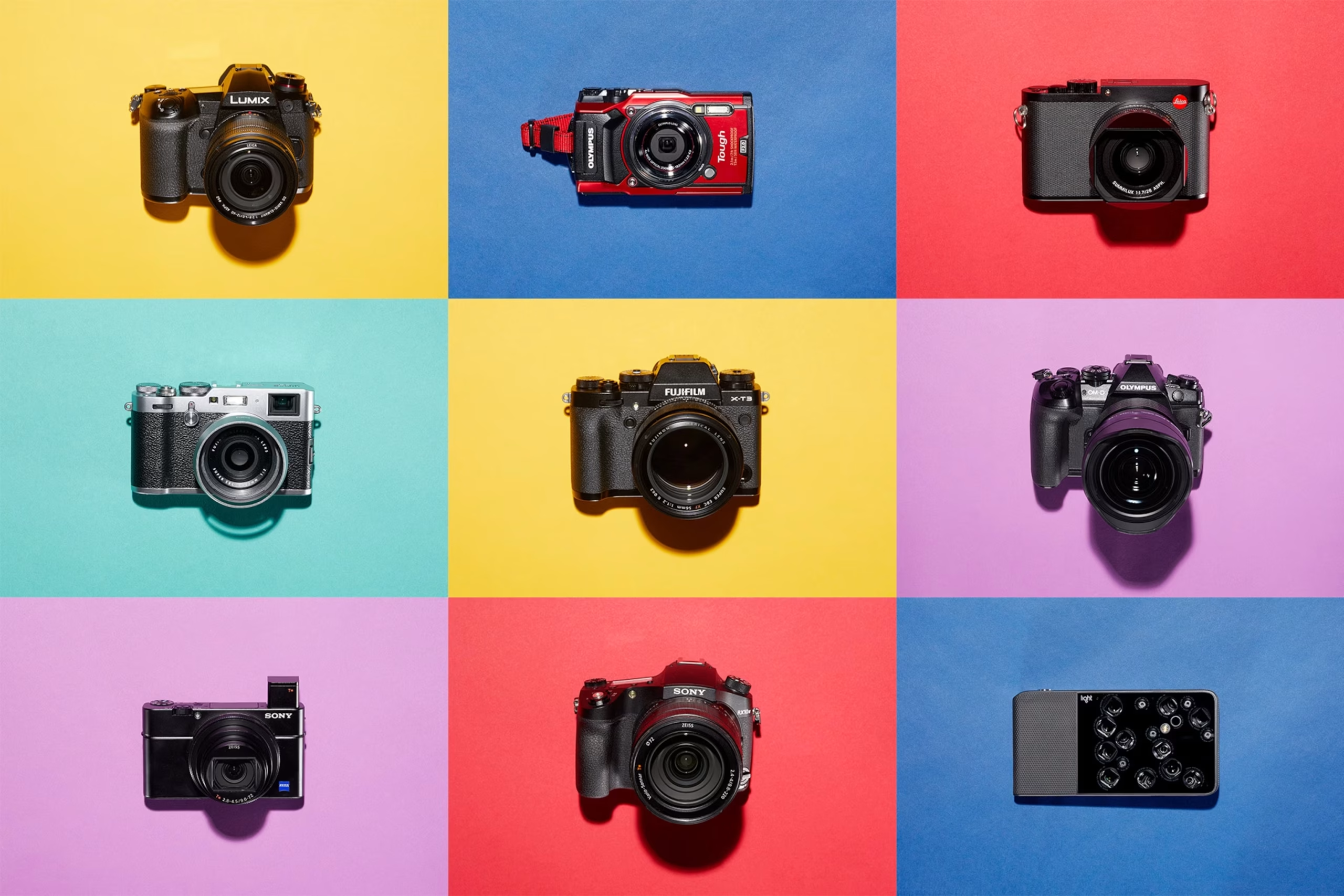
Mirrorless cameras have rapidly transformed the photography and videography landscape over the past decade. Once considered niche alternatives to DSLRs, they are now the primary choice for professionals, enthusiasts, content creators, and even beginners. Major camera manufacturers like Sony, Canon, Nikon, Fujifilm, and Panasonic have heavily invested in mirrorless systems, pushing innovation at a remarkable pace.
So what makes mirrorless cameras so special? Why are they replacing traditional DSLRs in so many fields? In this article, we explore the top features of mirrorless cameras, explaining how they work and why they matter in real-world shooting scenarios.
1. Compact and Lightweight Design
One of the most noticeable features of mirrorless cameras is their smaller size and lighter weight compared to DSLRs. By removing the mirror box and optical viewfinder mechanism, manufacturers can significantly reduce body dimensions.
Why It Matters
-
Easier to carry during travel and street photography
-
Less fatigue during long shoots or video sessions
-
More discreet for documentary and candid photography
While professional mirrorless bodies can still feel solid and robust, even flagship models are generally lighter than equivalent DSLRs.
2. Electronic Viewfinder (EVF)
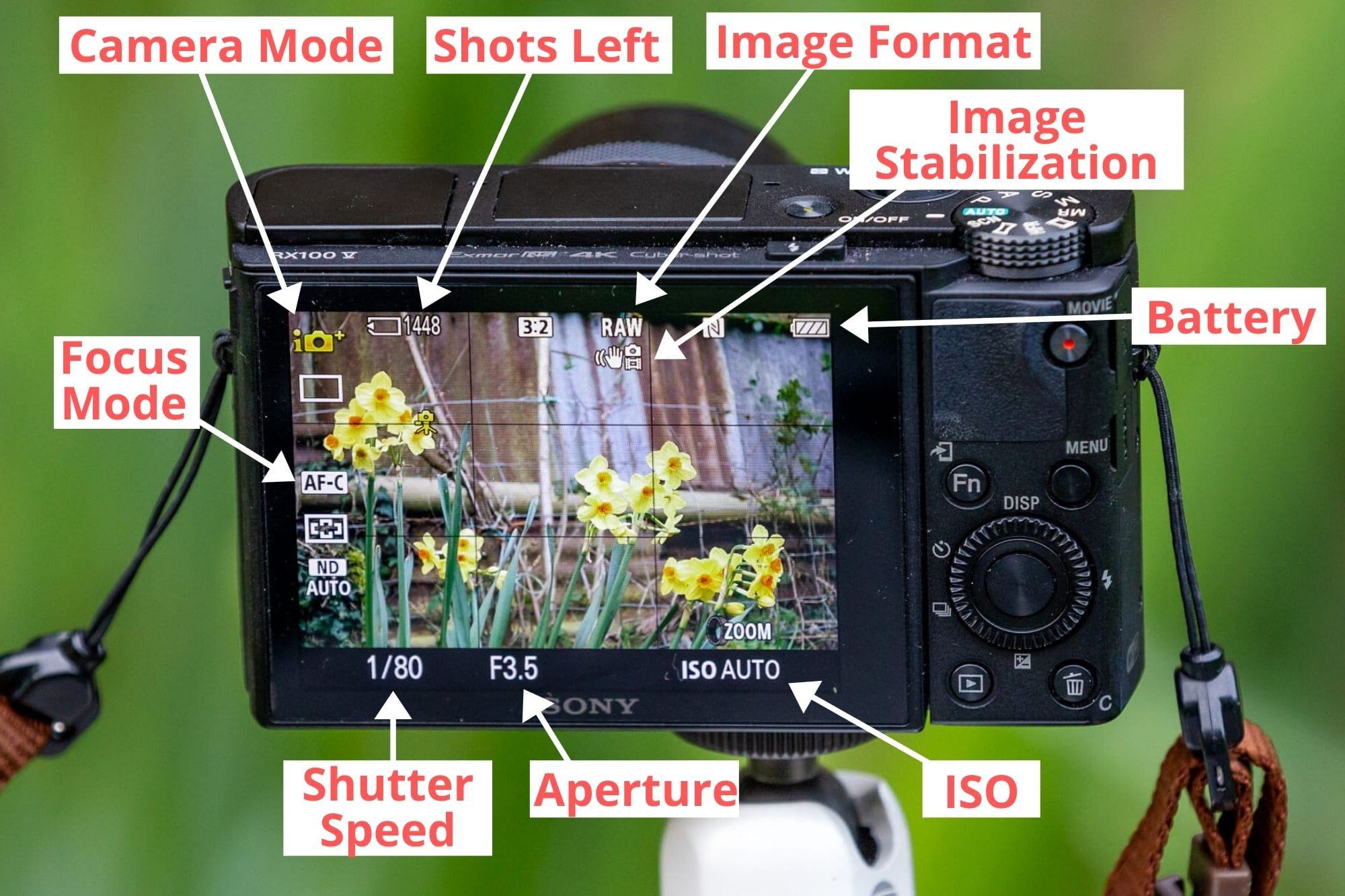
Instead of an optical viewfinder, mirrorless cameras use electronic viewfinders (EVFs). These display a real-time digital preview of what the camera sensor sees.
Key Advantages
-
Exposure preview: See brightness, white balance, and color before pressing the shutter
-
Focus aids: Focus peaking, magnification, and zebras
-
Low-light visibility: EVFs can amplify light, making composition easier in dark conditions
Modern EVFs now offer extremely high resolution and refresh rates, delivering a near-natural viewing experience.
3. Advanced Autofocus Systems
Mirrorless cameras lead the industry in autofocus innovation. Because autofocus is performed directly on the sensor, accuracy and speed are dramatically improved.
Autofocus Highlights
-
Phase-detect and contrast-detect hybrid systems
-
Real-time Eye AF for humans, animals, and birds
-
Face detection and subject tracking
-
Coverage across nearly 100% of the frame
For sports, wildlife, portrait, and wedding photographers, mirrorless autofocus performance can be game-changing.
4. Superior Video Capabilities
Mirrorless cameras are widely favored by videographers due to their advanced video features and compact form factor.
Common Video Features
-
4K, 6K, and even 8K recording
-
High frame rates for slow motion
-
Log profiles (S-Log, C-Log, V-Log)
-
Clean HDMI output
-
Professional codecs and bit depths
Many mirrorless cameras now rival dedicated cinema cameras, making them ideal for YouTubers, filmmakers, and hybrid shooters.
5. In-Body Image Stabilization (IBIS)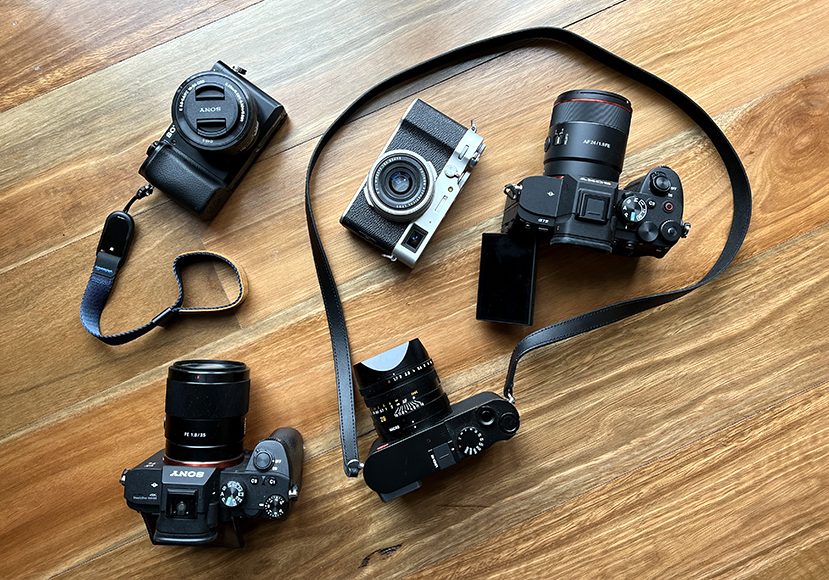
A major strength of mirrorless systems is sensor-based image stabilization, commonly known as IBIS.
Benefits of IBIS
-
Reduces camera shake in handheld photography
-
Smoother handheld video footage
-
Works with non-stabilized lenses
-
Allows slower shutter speeds in low light
Modern IBIS systems can offer up to 7–8 stops of stabilization, which is especially useful for travel and night photography.
6. Silent Shooting Mode
Because mirrorless cameras lack a mechanical mirror, they can offer completely silent electronic shutters.
Ideal Use Cases
-
Wedding ceremonies
-
Wildlife photography
-
Street photography
-
Concerts and events
Silent shooting allows photographers to capture moments discreetly without drawing attention or disturbing subjects.
7. Faster Continuous Shooting
Mirrorless cameras excel in burst shooting performance, thanks to electronic shutters and powerful processors.
Performance Highlights
-
Continuous shooting up to 20–40 fps
-
Minimal blackout in the viewfinder
-
Accurate autofocus tracking during bursts
This makes mirrorless systems highly effective for sports, action, and wildlife photography.
8. Real-Time Exposure and Color Accuracy
With mirrorless cameras, what you see is truly what you get. The EVF and rear LCD show real-time exposure, color, and depth-of-field previews.
Why This Is Important
-
Fewer trial-and-error shots
-
Faster workflow
-
Greater confidence when shooting in challenging lighting
This feature is especially helpful for beginners learning exposure fundamentals.
9. Lens Adaptability and Short Flange Distance
Mirrorless cameras have a short flange focal distance, making it easier to adapt lenses from other systems.
Advantages
-
Use vintage lenses with adapters
-
Adapt DSLR lenses without losing image quality
-
Experiment with creative optics
This flexibility has helped mirrorless systems gain popularity among photographers who own legacy glass.
10. Touchscreen Interfaces and Custom Controls
Modern mirrorless cameras emphasize intuitive controls and touch functionality.
Common Features
-
Touch-to-focus and touch-to-shoot
-
Menu navigation via touchscreen
-
Fully articulating LCD screens
-
Highly customizable buttons and dials
These features improve usability and speed, especially for video creators and solo shooters.
11. Compact Yet Powerful Sensors
Mirrorless cameras are available with a wide range of sensor sizes, including:
-
Full-frame
-
APS-C
-
Micro Four Thirds
Despite their smaller bodies, mirrorless cameras deliver excellent image quality, dynamic range, and low-light performance that rivals or surpasses DSLRs.
12. Faster Technological Innovation
Mirrorless systems benefit from a digital-first design philosophy, allowing manufacturers to introduce new features via firmware updates.
Examples
-
Improved autofocus through firmware
-
New video profiles
-
Enhanced stabilization algorithms
This future-proofing makes mirrorless cameras a smart long-term investment.
13. Better Connectivity and Smart Features
Mirrorless cameras are designed for the modern, connected workflow.
Connectivity Options
-
Wi-Fi and Bluetooth
-
Smartphone remote control
-
Instant image transfer
-
USB-C charging and data transfer
These features are invaluable for social media creators, journalists, and on-the-go professionals.
14. Improved Low-Light Performance
Thanks to advanced sensors and image processors, mirrorless cameras excel in low-light conditions.
Key Advantages
-
Cleaner high-ISO images
-
Accurate autofocus in near darkness
-
Bright EVF previews
This makes mirrorless systems ideal for night photography, indoor events, and astrophotography.
15. Future-Focused Camera Ecosystems
Most major brands have committed fully to mirrorless development. As a result:
-
New lenses are optimized for mirrorless mounts
-
DSLR lines are being phased out
-
R&D is concentrated on mirrorless innovation
Choosing a mirrorless system means investing in the future of photography.
Conclusion
Mirrorless cameras represent the most significant evolution in camera technology in decades. With their compact design, cutting-edge autofocus, powerful video features, silent operation, and continuous innovation, they offer compelling advantages for nearly every type of photographer and videographer.
Whether you’re a beginner stepping into photography, a travel shooter seeking portability, or a professional demanding speed and precision, mirrorless cameras deliver a combination of performance and versatility that is hard to beat. As technology continues to advance, mirrorless systems are not just an alternative to DSLRs—they are the new standard.
Read Also: Keep your face towards the sunshine and shadows will fall behind you
Watch Also: https://www.youtube.com/@TravelsofTheWorld24








Leave a Reply