
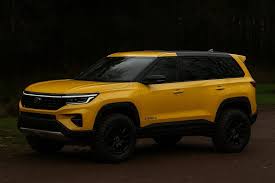
After years of anticipation and countless teasers, Tata Motors has finally brought back one of India’s most iconic SUVs — the Tata Sierra — in an all‑new, modern avatar that blends heritage, bold design, advanced technology, and strong on‑road capability. Launched in November 2025, the new Sierra has sparked excitement across India’s automotive community and is widely being hailed as a potential gamechanger in the competitive midsize SUV segment.
The Sierra name carries a legacy: in the 1990s, the original Tata Sierra was one of the first spacious, lifestyle‑oriented SUVs on Indian roads. Its boxy silhouette and distinctive “Alpine window” design made it instantly recognizable and beloved by many. Now, after a three‑decade hiatus, Tata has reinvented the Sierra for a new generation — bigger, bolder, tech‑forward, and ready to compete with some of the segment’s top rivals.
Design: A Bold Statement with Modern Flair
From the very first glance, it’s clear that Tata has approached the Sierra’s design with a modern reinterpretation rather than a simple recreation of the classic model. Standing next to contemporary rivals like the Hyundai Creta and Kia Seltos, the new Sierra holds its own with a unique and unmistakable presence.
Exterior Highlights
The exterior combines rugged SUV cues with premium touches:
-
Boxy, Upright Stance: The Sierra retains the unmistakable SUV silhouette reminiscent of the original. However, sharp lines, clean surfaces, and modern proportions add finesse.
-
Signature Alpine Window Design: A clear nod to heritage, this feature is reinvented with a partially blacked‑out B‑pillar and contrasting roof to create a floating roof effect.
-
LED Lighting, Skid Plates, and Dual‑Tone Alloys: The front end sports a connected LED DRL bar and bold grille pattern, while rugged body cladding and 19‑inch dual‑tone wheels enhance its SUV character.
-
Flush Door Handles & Floating Roof: These modern touches not only improve aerodynamics but also lend a premium feel to the design.
The overall look is bold and confident, balancing heritage cues with contemporary SUV aesthetics that stand out on Indian streets.
Platform & Engineering: Built for Today and Tomorrow
Under the skin, the new Sierra rests on Tata’s ARGOS platform (short for All‑Terrain Ready, Omni‑Energy, Geometry Scalable). This new architecture is engineered to support a wide range of powertrains — from internal combustion engines (ICE) to electric variants and even all‑wheel‑drive systems in the future.
This flexibility signals Tata’s long‑term vision for the Sierra: not just to be another SUV, but to evolve with changing mobility needs. While current models launch with conventional engines, the platform lays the groundwork for future electrified and advanced offerings.
Powertrain Options: Versatility for Different Buyers
At launch, Tata offers multiple engine choices, catering to a wide range of buyers:
-
New 1.5‑Litre Turbo Petrol Engine: Produces robust power and torque figures and is paired with either manual or automatic gearboxes.
-
New 1.5‑Litre Naturally Aspirated Petrol Engine: A refined, efficient option for everyday use.
-
1.5‑Litre Turbo‑Diesel Engine: Offers strong torque and fuel efficiency, making it suitable for long drives and highway cruising.
An all‑wheel‑drive (AWD) variant is expected to join the lineup later, further expanding the Sierra’s appeal to buyers seeking enhanced capability.
Interior & Technology: A Tech‑Forward Cabin
One of the most talked‑about aspects of the new Sierra is its interior and technology suite. Tata has clearly made a concerted effort to raise the bar in cabin experience, blending comfort, tech, and practicality.
Triple‑Screen Dashboard
At the heart of the cabin is a sophisticated triple‑screen layout — a driver display, central infotainment screen, and a dedicated passenger display — all under a continuous glass panel. This TheatrePro setup makes the Sierra one of the most tech‑rich cabins in its class.
This layout not only enhances the premium feel but also brings advanced connectivity that rivals more expensive SUVs.
Panoramic Sunroof & Premium Materials
A large panoramic sunroof adds to the sense of spaciousness, while soft‑touch surfaces, ambient lighting, and thoughtful ergonomics create a welcoming interior environment.
Connected Features & Safety
The Sierra features Level‑2 ADAS with up to 22 advanced functions, such as adaptive cruise control, autonomous emergency braking, and lane‑keeping assist. A 360‑degree camera system further enhances parking convenience and safety.
These features elevate the Sierra’s safety and usability to match — or in some cases surpass — offerings in its segment.
Ride Quality and Practicality
Though detailed long‑term ride impressions are still emerging, early impressions suggest the Sierra delivers a comfortable and composed ride suitable for both city commuting and highway cruising. Its ground clearance and SUV proportions also give drivers confidence on rougher roads.
Practicality has not been overlooked either. With ample boot space, thoughtful storage areas, and a cabin designed for comfort on long drives, the Sierra feels like a vehicle built for real‑world use rather than just showroom appeal.
Pricing & Trims: Value Proposition
The Tata Sierra has launched in India with seven trims, ranging from Smart+ and Pure to Adventure and Accomplished levels, catering to a variety of budgets and preferences. Prices start around ₹11.49 lakh (ex‑showroom) and go up toward the higher range for premium trims with advanced features.
Multiple color options — including Bengal Rouge (Red), Andaman Adventure (Yellow), Coorg Clouds (Silver) and others — give buyers personalization choices.
This pricing strategy positions the Sierra competitively against popular SUVs like the Hyundai Creta, Kia Seltos, Maruti Grand Vitara, and others, while offering a unique identity and strong feature set. 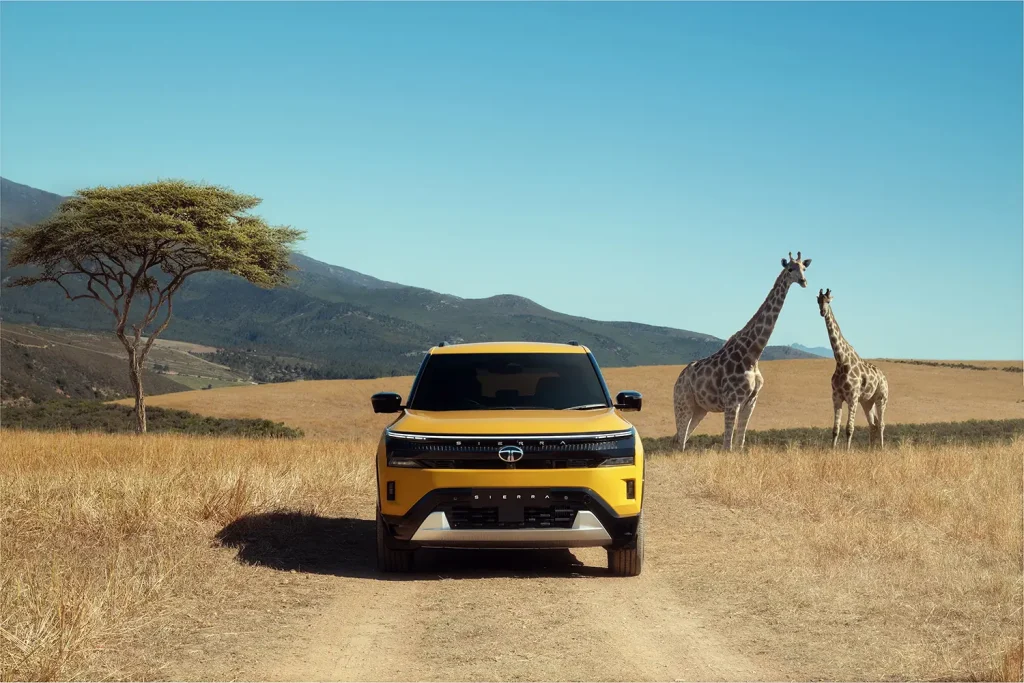
Public Reaction: Buzz, Bookings & Expectations
Public reaction to the new Sierra has been overwhelmingly enthusiastic. Bookings figures indicate immense demand, with reports suggesting over 70,000 bookings within a short period of opening — a remarkable response by any standard.
On social media and enthusiast forums, discussions range from admiration for its bold design and feature set to critiques over details like rear styling or quality control. However, the sheer volume of interest underscores how deeply the Sierra name still resonates with buyers.
The Sierra also finds itself compared directly with established rivals, and many industry watchers see it as a significant disruptor — especially if Tata continues to add AWD and EV versions in the future.
Competitive Landscape: Where Sierra Fits
In the midsize SUV segment, Tata Sierra enters a crowded field with strong competitors — from the refined Hyundai Creta and premium Kia Seltos to other established names like Toyota Hyryder and Maruti Suzuki. However, what gives the Sierra a unique edge is its heritage appeal, advanced tech suite, strong value proposition, and bold design language.
Even with a diverse competitor set, the Sierra’s combination of heritage, innovation, and pricing could help it carve a distinct niche and attract buyers who want something that feels both premium and character‑driven.
Conclusion: A Promising Beginning
The return of the Tata Sierra marks a major milestone for Tata Motors and the Indian SUV market. By blending nostalgic design cues with cutting‑edge features, strong safety tech, and flexible powertrains, the Sierra has created an exciting first impression as a potential gamechanger in its segment.
While the ultimate verdict will depend on long‑term ownership experiences and how future variants (like AWD and EV Sierra) perform, early feedback suggests that the SUV is off to a very strong start. It’s not just a product comeback — it’s a statement that Tata Motors intends to challenge expectations and redefine what a midsize SUV can offer in India today.
Read Also: Keep your face towards the sunshine and shadows will fall behind you
Watch Also: https://www.youtube.com/@TravelsofTheWorld24





Leave a Reply