
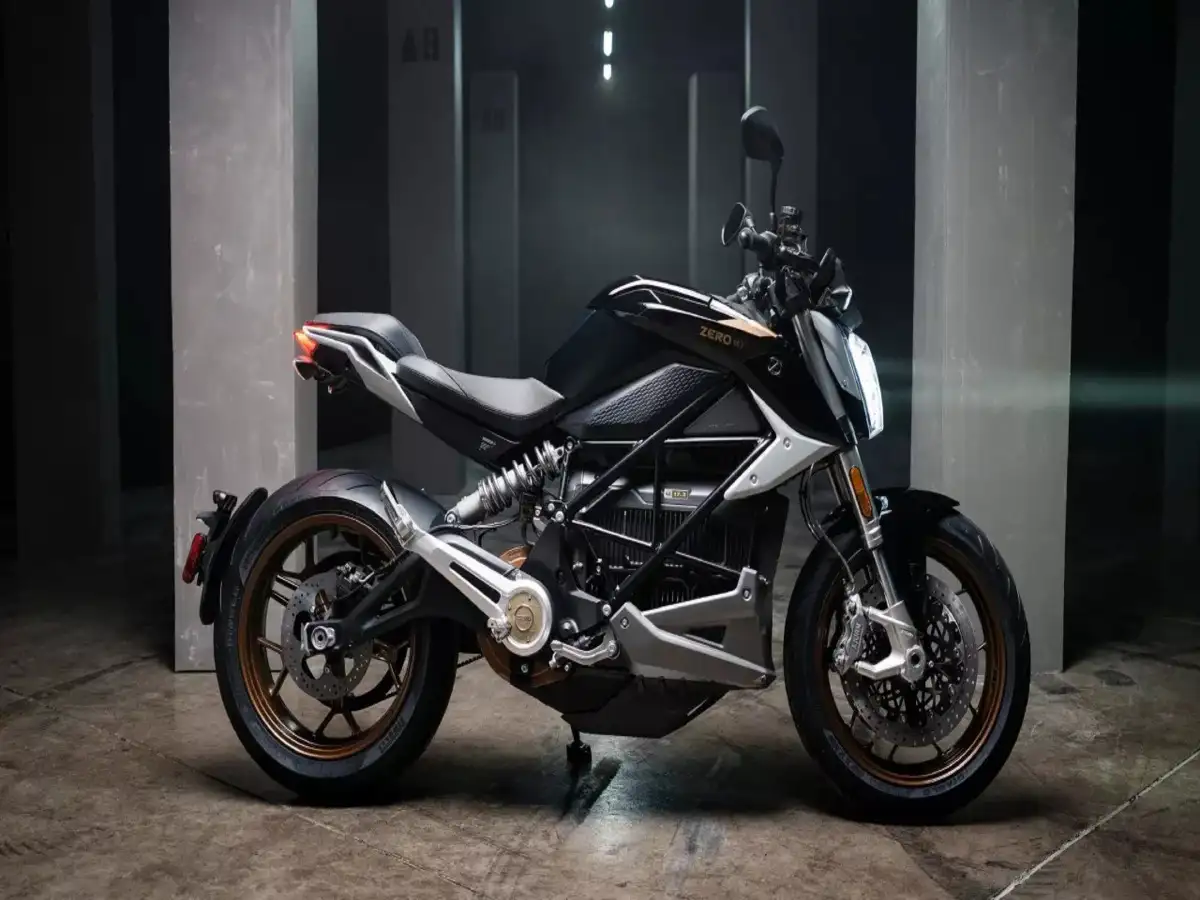
Despite growing conversations around climate change, fuel efficiency, and sustainable transport, electric bikes (e-bikes) in Pakistan continue to witness a slow and uneven rollout, while an estimated 2.6 million fuel-based motorbikes enter the market every year. This widening gap between traditional internal combustion engine (ICE) motorcycles and electric alternatives highlights a critical challenge facing Pakistan’s transport and energy transition.
Motorcycles are the backbone of Pakistan’s mobility ecosystem. Affordable, fuel-efficient, and easy to maintain, they serve millions of daily commuters. However, the overwhelming dominance of petrol-powered bikes has also made the sector a major contributor to urban air pollution, fuel imports, and carbon emissions. While e-bikes promise cleaner and cheaper mobility, multiple barriers continue to stall their widespread adoption.
Pakistan’s Motorcycle Boom: A Market Driven by Necessity
Pakistan is one of the largest two-wheeler markets in South Asia. With limited public transport options, rising urban populations, and economic constraints, motorcycles have become the default mode of transport for middle- and lower-income households.
Each year, approximately 2.6 million fuel-based motorcycles are sold, primarily in the 70cc to 125cc category. These bikes are inexpensive, easy to finance, and supported by an extensive network of local manufacturers, mechanics, and spare parts suppliers.
For many families, owning a motorcycle is not a lifestyle choice but an economic necessity—used for commuting, deliveries, ride-hailing services, and even small-scale commercial activities.
The Promise of E-Bikes
Electric bikes offer several advantages over petrol-powered motorcycles:
-
Zero tailpipe emissions, reducing air pollution
-
Lower running costs, as electricity is cheaper than petrol
-
Reduced maintenance, with fewer moving parts
-
Quieter operation, lowering noise pollution
In theory, e-bikes align perfectly with Pakistan’s needs, especially as fuel prices continue to rise and environmental concerns intensify. Yet, adoption remains limited.
Slow Rollout: Why E-Bikes Are Struggling
1. Higher Upfront Costs
One of the biggest barriers to e-bike adoption is the initial purchase price. While fuel-based motorcycles are available at relatively affordable prices, electric bikes often cost significantly more due to expensive batteries and imported components.
For price-sensitive consumers, the higher upfront investment outweighs the long-term savings on fuel and maintenance.
2. Battery Concerns and Limited Range
Battery performance remains a key concern among buyers. Many potential users worry about:
-
Limited riding range
-
Battery degradation over time
-
High replacement costs
In a country where motorcycles are often used for long daily commutes and commercial work, range anxiety continues to discourage buyers.
3. Inadequate Charging Infrastructure
Unlike petrol pumps, charging stations for e-bikes are extremely limited. Most users rely on home charging, which may not be practical for those living in apartments or areas with frequent power outages.
The lack of public charging infrastructure significantly reduces consumer confidence in electric mobility.
4. Power Supply Challenges
Pakistan’s electricity supply remains inconsistent in many regions. Load shedding and voltage fluctuations raise concerns about reliable charging, especially in smaller cities and rural areas.
This reliability gap further tilts consumer preference toward petrol-powered bikes, which offer predictable refueling options.
Dominance of Fuel-Based Motorbikes
Fuel-powered motorcycles continue to dominate due to several entrenched advantages:
-
Lower purchase cost
-
Wide availability of spare parts
-
Established repair ecosystem
-
Fast refueling
-
Proven durability
Manufacturers of traditional motorcycles have spent decades building trust with consumers, something e-bike brands are still struggling to achieve.
Environmental Cost of the Status Quo
The continued influx of 2.6 million fuel-based bikes annually comes with significant environmental consequences:
-
Increased urban air pollution
-
Rising greenhouse gas emissions
-
Greater dependence on imported fuel
-
Higher healthcare costs linked to respiratory diseases
Motorcycles, while more fuel-efficient than cars, collectively contribute substantially to emissions due to their sheer volume.
Government Policies: Progress but Not Enough
Pakistan has announced several initiatives to encourage electric vehicles, including:
-
Reduced import duties on EV components
-
National Electric Vehicle (NEV) Policy
-
Pilot e-bike projects
However, implementation has been slow and inconsistent. The absence of strong financial incentives, such as subsidies or tax rebates for consumers, has limited the policy’s impact at the grassroots level.
Financing and Consumer Awareness Gaps
Fuel-based motorcycles are widely available through easy installment plans, making them accessible to a broader population. E-bike financing options, however, remain scarce.
Additionally, consumer awareness about e-bike benefits, total cost of ownership, and environmental impact is still limited, particularly outside major urban centers.
Role of Local Manufacturing
Local motorcycle manufacturers dominate Pakistan’s market and have only recently begun exploring electric alternatives. Transitioning production lines requires:
-
Capital investment
-
Technical expertise
-
Supply chain restructuring
Without strong incentives or clear long-term policy direction, manufacturers remain cautious.
The Ride-Hailing and Delivery Sector Opportunity
One area where e-bikes show promise is in delivery services and ride-hailing platforms. These users prioritize fuel savings and predictable daily routes, making electric bikes a viable option.
Some pilot programs have shown positive results, but scaling them nationwide requires infrastructure support and financing solutions.
Global Comparisons: Lessons from Other Markets
Countries like China, Vietnam, and India have rapidly expanded their e-bike markets through:
-
Government subsidies
-
Mandatory electrification targets
-
Charging infrastructure investment
-
Public awareness campaigns
Pakistan’s slower progress highlights the need for a more aggressive and coordinated approach.
Consumer Mindset: Trust and Reliability Matter
For many Pakistani consumers, motorcycles are long-term investments. Reliability, resale value, and ease of repair matter more than innovation.
E-bikes, still perceived as new and untested, struggle to earn the same level of trust—especially in lower-income segments.
Economic Implications
Continued reliance on petrol-powered bikes increases Pakistan’s fuel import bill and exposes the economy to global oil price fluctuations.
Electric mobility, if adopted at scale, could help:
-
Reduce fuel imports
-
Improve energy security
-
Encourage local innovation
-
Create new green jobs
What Needs to Change
To accelerate e-bike adoption, experts suggest:
-
Purchase subsidies or tax incentives
-
Affordable financing options
-
Battery swapping models
-
Expansion of charging infrastructure
-
Public-private partnerships
-
Awareness campaigns
Without these interventions, fuel-based bikes will continue to dominate the market.
A Transitional Reality
Pakistan’s transport transition is unlikely to happen overnight. Fuel-based motorcycles will remain dominant in the short to medium term, given their affordability and infrastructure support.
However, the growing pressure of fuel costs, environmental concerns, and urban congestion makes the shift toward electric mobility inevitable.
Looking Ahead
The contrast between the slow rollout of e-bikes and the annual addition of 2.6 million fuel-powered motorcycles underscores a critical policy and market mismatch.
Electric bikes are not failing due to lack of potential but due to systemic barriers that require coordinated action from the government, private sector, and financial institutions.
Final Thoughts
Pakistan stands at a crossroads in its mobility future. Continuing down the fuel-dependent path will deepen environmental and economic challenges. Accelerating e-bike adoption, while complex, offers a cleaner, more sustainable alternative.
The question is no longer whether electric bikes are needed, but how quickly Pakistan can create the conditions that make them the obvious choice for millions of riders.
Until that happens, fuel-based motorcycles will continue to flood the market—one engine at a time—while the promise of electric mobility moves forward at a much slower pace.
Read Also: Keep your face towards the sunshine and shadows will fall behind you
Watch Also: https://www.youtube.com/@TravelsofTheWorld24





Leave a Reply