
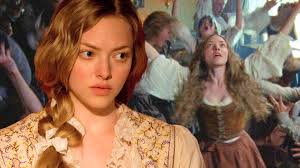
When The Testament of Ann Lee, starring Amanda Seyfried, premiered at the 82nd Venice International Film Festival on September 1, 2025, it quickly became one of the most talked‑about films of the event. This ambitious historical drama — directed by Mona Fastvold and co‑written with Brady Corbet — follows the life of Ann Lee, the founder of the Shaker religious movement in the 18th century, and places her at the center of a narrative that blends spiritual exploration with daring artistic expression.
At the Venice press conference and red‑carpet events, Seyfried offered in‑depth reflections on her experience portraying such a challenging and unconventional figure, detailed what the project meant to her personally, and spoke about how the film’s themes and production shaped her as an artist.
An Unconventional Role in an Unconventional Film
Amanda Seyfried’s portrayal of Ann Lee pushed her far beyond conventional performance territory. Lee — an 18th‑century religious leader whose followers revered her as a visionary figure — is neither a traditional biopic figure nor an easy character to embody. In The Testament of Ann Lee, she is presented with both spiritual depth and emotional complexity, fused with a raw, almost musical engagement with her beliefs.
This wasn’t simply another historical drama. The film blends traditional storytelling with musical and ecstatic elements, portraying Shaker hymn‑based worship through evocative, full‑bodied expression — including song and movement that go beyond surface performance.
Seyfried explained during the Venice press conference that The Testament of Ann Lee offered her a rare kind of freedom as an actor — one that she had “never been let loose in this way” before. The absence of limiting boundaries in her performance, she said, allowed her to explore aspects of humanity and spirituality that were deeply challenging and rewarding.
“This did feel like an opportunity where there were just no tethers to anything,” Seyfried said at Venice. “Basically, I follow Mona into the light and anything goes, because there’s so much freedom… I’ve never been let loose in this way.”
This sense of artistic liberation was a defining theme of her comments — particularly as she discussed the intensity of singing and performing aspects of the role that required an emotional rawness and vulnerability rare even in musical cinema.
Meeting the Challenge: Singing and the Shaker Spirit
One of the most talked‑about aspects of the film was Seyfried’s vocal performance. While many actors might feel daunted by the combination of acting and singing in a complex historical setting, Seyfried embraced the dual demands with sincerity. The music in The Testament of Ann Lee draws on traditional Shaker hymns and original compositions, which serve not just as background but as integral expressions of character and belief.
Seyfried spoke candidly about the emotional weight of performing songs that stemmed from spiritual devotion, describing the process as far removed from performance art in the conventional sense: the focus was less on technical beauty and more on embodied spiritual expression.
She told Variety that recording such intense musical sequences made her appreciate just how much commitment and emotional truth the role required — to embody Lee’s convictions, she had to strip away usual acting defenses and allow her performance to emerge from a place of truth rather than polish.
This commitment extended to her preparation, where Seyfried worked to refine not just the singing, but the accents and historical mannerisms associated with Lee’s English roots. She admitted in interviews that perfecting the accent — particularly the Mancunian tones — was a source of apprehension that led to nightmares early in the process. At one point, she even questioned whether she was the right choice for the role or whether a British actress might be more suitable. Ultimately, director Fastvold’s confidence in her abilities convinced her to lean fully into the challenge.
Behind the Scenes: A Community‑Driven Production
Seyfried consistently emphasized the communal spirit of the production — a theme that mirrored the Shaker ethos portrayed in the film. She repeatedly described the set environment as one defined by mutual support, empathy, and deep artistic connection.
Speaking alongside Fastvold at the Venice press event, she highlighted how the director fostered a culture of collaboration and respect. She said that feeling “protected and held up” by her co‑artists gave her the confidence to face the demanding nature of the role. Her comments celebrated a kind of professional synergy that, she suggested, helped bring the film’s spiritual narrative to life.
Fastvold herself spoke about the intentional efforts to foster a different kind of film‐set environment — one that pushes back against historically male‑dominated industry norms by nurturing empathy, equality, and collective artistic vision.
For Seyfried, this sense of shared purpose wasn’t just a bonus; it was essential. She described the work as “incredibly rare,” suggesting that the trust and creative openness among the cast and crew allowed the film to transcend traditional boundaries of cinematic storytelling.
Critical Reception at Venice
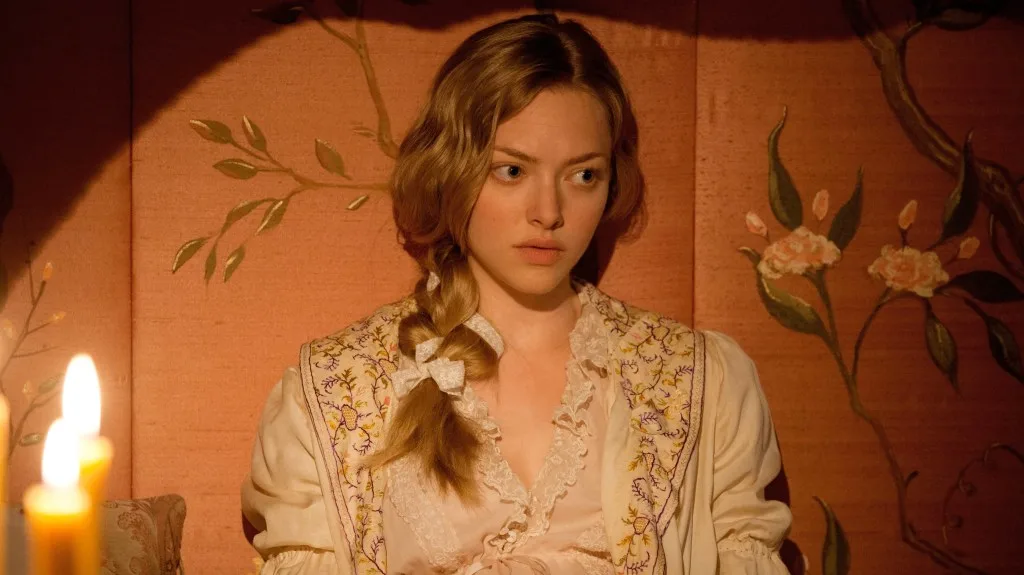
The film’s reception at Venice underscored how deeply audiences and critics were impacted by both the cinematic experience and Seyfried’s performance. The Testament of Ann Lee received a 15‑minute standing ovation — one of the longest of the festival — a culmination of applause that stretched significantly longer than most festival rounds of appreciation.
The emotional moment reflected not just industry admiration, but a genuine recognition of the film’s unconventional energy and Seyfried’s daring portrayal. Seyfried herself was visibly moved as the applause continued, a reminder of how meaningful the response was to her and to the creative team.
Critics at Venice noted the film’s bold narrative style and the rawness of Seyfried’s performance, calling it one of her most transformative roles to date. The film’s blend of musical elements with historical drama was described as “strikingly strange” and profoundly affecting — a testament to the creative risks it took on the festival stage.
Themes of Leadership and Female Empowerment
A recurring topic in interviews and press conference discussions was the film’s emphasis on female leadership, religious innovation, and community. Lee’s story — a woman leading a spiritual movement in an era dominated by rigid social and gender hierarchies — resonated as a thematic touchpoint for contemporary conversations about representation and creative agency.
Seyfried embraced these themes wholeheartedly, noting that portraying a historical figure whose life was anchored in egalitarian spiritual belief required both humility and strength. Her performance was informed by an understanding of Lee’s efforts to build community and defy normative expectations — thematic layers that gave weight to her artistic choices throughout the project.
The Venice press event also highlighted how the film’s approach to storytelling — rooted in spirituality, expressive performance, and communal identity — acted as a bridge between historical narrative and modern relevance, encouraging audiences to reflect on leadership, belief, and the power of collective joy and suffering alike.
Looking Ahead: Release and Legacy
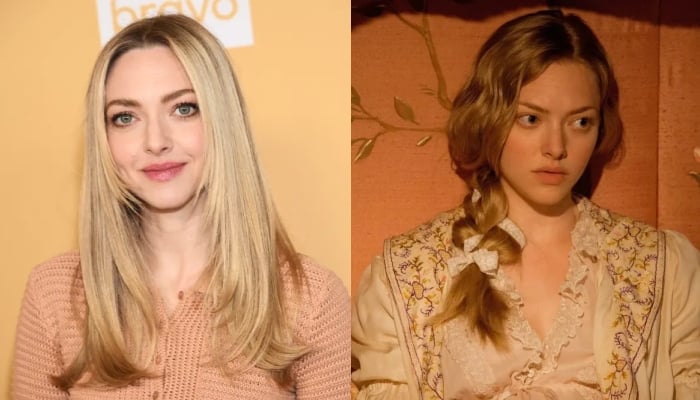
Following its Venice debut, The Testament of Ann Lee is scheduled for wider distribution, with limited U.S. release timing on December 25, 2025, and later rollouts in other territories. The strategic Christmas Day launch positions the film for both awards consideration and audience engagement during the holiday season.
Seyfried’s performance has already garnered early awards buzz, with nominations and critical praise suggesting that this could be one of the defining roles of her career — a performance marked by risk, introspection, and deep emotional resonance.
Conclusion: A Personal and Artistic Milestone
Amanda Seyfried’s reflections at the Venice Film Festival paint a vivid picture of an artist pushed to her creative limits — and ultimately transformed by the process. Through The Testament of Ann Lee, she embraced a role that demanded vulnerability, courage, and spiritual immersion. Her comments about the freedom she experienced under director Mona Fastvold, the collaborative spirit on set, and the profound reactions from audiences underscore why this film has become a seminal moment in her career.
In her own words, the experience was “incredibly rare” — a project that challenged not just her skills but her very understanding of performance, community, and artistic expression. As the film finds its place in broader cultural conversation, Seyfried’s Venice reflections remind us that true artistry often emerges from risk — and that sometimes the most memorable performances are those born from complete immersion and trust in the creative journey.
Read Also: Keep your face towards the sunshine and shadows will fall behind you
Watch Also: https://www.youtube.com/@TravelsofTheWorld24












Leave a Reply