
Science, Technology, Engineering, and Mathematics (STEM) are fields that constantly push the boundaries of human knowledge and innovation. Every year, breakthroughs in these areas reshape how we understand the universe, improve our quality of life, and address some of the planet’s most pressing challenges. From revolutionary advances in artificial intelligence to discoveries in space exploration, STEM innovations continue to inspire curiosity and wonder.
This article explores some of the most intriguing recent developments across STEM disciplines, highlighting their potential impact on society and the future of scientific exploration.
Artificial Intelligence and Machine Learning
Artificial intelligence (AI) has emerged as one of the most transformative forces in STEM, influencing industries ranging from healthcare to finance. Recent innovations include:
-
Generative AI Models: Advanced models now generate text, images, and even music with remarkable realism. These models are being applied to education, creative arts, and scientific research.
-
AI in Healthcare: Machine learning algorithms are improving disease diagnosis, predicting patient outcomes, and assisting in drug discovery. AI-powered imaging tools can detect cancers and cardiovascular conditions earlier than traditional methods.
-
Ethical AI and Sustainability: Researchers are developing frameworks to make AI more ethical, transparent, and environmentally sustainable, addressing concerns about data privacy and energy consumption.
These innovations not only streamline processes but also open new avenues for discovery across scientific domains.
Space Exploration and Astronomy
The quest to understand the universe has reached new heights with advancements in space technology:
-
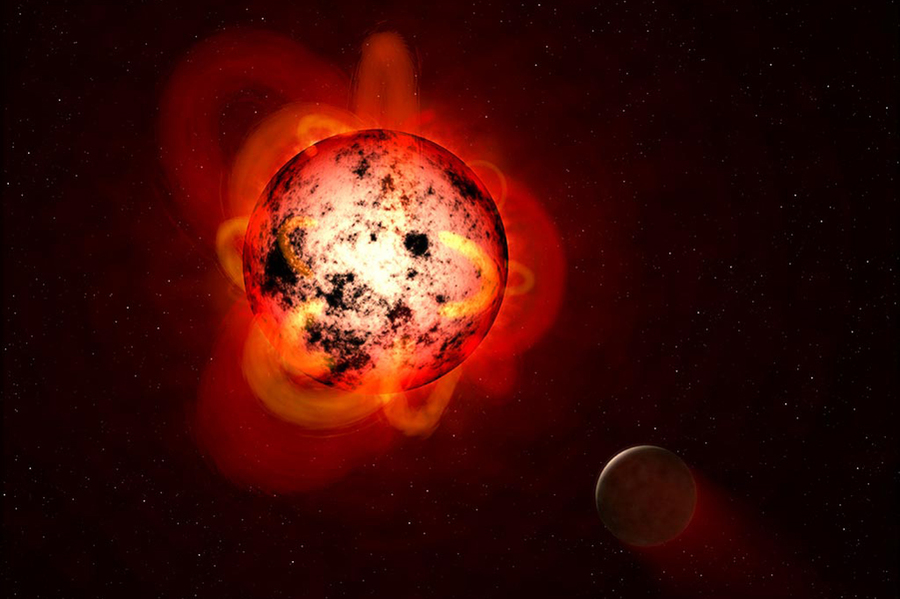
Exoplanet Discoveries: Astronomers continue to identify Earth-sized planets, lava worlds, and potentially habitable planets in distant star systems. Notable examples include planets with molten hemispheres and ultra-short orbital periods, challenging previous notions of planetary formation.
-
James Webb Space Telescope (JWST) Insights: JWST has provided unprecedented images and spectra of distant galaxies, star-forming regions, and exoplanet atmospheres, offering clues about the early universe and potential signs of life.
-
Planetary Science Innovations: Studies show that massive planets can influence the rotation and magnetic activity of their host stars, revealing the dynamic interplay between stars and planets.
Space discoveries continue to captivate our imagination, bridging the gap between human curiosity and cosmic reality.
Biotechnology and Medical Innovations
The field of biotechnology is evolving rapidly, improving human health and understanding of biological systems:
-
Gene Editing Advances: Techniques like CRISPR-Cas9 are being refined to target specific genes with greater precision, offering potential cures for genetic diseases and new approaches in agriculture.
-
Regenerative Medicine: Research on stem cells and tissue engineering is advancing therapies for organ repair, wound healing, and age-related degeneration.
-
Nutritional and Behavioral Insights: Studies confirm links between diet, lifestyle, and cellular processes. For instance, vitamin C intake directly influences collagen production and skin renewal, emphasizing the intersection of biology, nutrition, and health.
These breakthroughs highlight how STEM innovations are not only saving lives but also enhancing human well-being on multiple levels.
Environmental Science and Sustainability
Sustainability and environmental monitoring are critical areas where STEM innovation plays a pivotal role:
-
Climate Monitoring Technologies: Advanced satellite systems track carbon emissions, ice cover, and global temperature changes with high precision, informing policy and conservation efforts.
-
AI-Driven Environmental Analysis: Machine learning models predict deforestation, water scarcity, and species migration patterns, enabling proactive environmental management.
-
Renewable Energy Innovations: Engineers are developing more efficient solar panels, wind turbines, and energy storage solutions, reducing reliance on fossil fuels and mitigating climate change impacts.
These advancements demonstrate the potential of STEM to address global challenges and safeguard the planet for future generations.
Robotics and Engineering
Engineering and robotics are transforming industries, infrastructure, and daily life:
-
Autonomous Systems: Self-driving vehicles, drones, and robotic assistants are becoming increasingly capable, performing tasks ranging from logistics to medical surgery.
-
Structural Innovations: Engineers are designing earthquake-resistant buildings, smart bridges, and sustainable urban infrastructure that adapts to environmental changes.
-
Human-Machine Interaction: Advanced robotics and wearable technologies are enhancing productivity, accessibility, and safety across multiple sectors.
These innovations illustrate the convergence of engineering, artificial intelligence, and materials science to create practical solutions for modern challenges.
Physics and Material Science
Breakthroughs in physics and materials science continue to expand our understanding of the universe:
-
Quantum Computing: Quantum processors are beginning to solve problems impossible for classical computers, with applications in cryptography, drug design, and complex simulations.
-
Nanotechnology: Scientists are engineering materials at the atomic and molecular level, leading to stronger, lighter, and more versatile materials for electronics, medicine, and energy applications.
-
Particle Physics Discoveries: Experiments in high-energy physics, such as those at the Large Hadron Collider, continue to probe fundamental forces and particles, unveiling insights into the building blocks of matter.
These discoveries push the boundaries of human knowledge and pave the way for innovations that may redefine technology and society.
Interdisciplinary Collaborations
A notable trend in modern STEM is interdisciplinary research, where experts from multiple fields collaborate to solve complex problems:
-
Bioinformatics: Combining biology, computer science, and statistics to analyze genomic data and advance personalized medicine.
-
Environmental Engineering and Data Science: Using computational models to optimize renewable energy systems and environmental conservation efforts.
-
Space-Biotechnology Integration: Studying how microorganisms and plant life respond to space environments, informing future space colonization and planetary science.
Collaboration across disciplines accelerates innovation and enables holistic solutions to challenges that no single field can address alone.
Read Also: Keep your face towards the sunshine and shadows will fall behind you
Why These Innovations Matter
The impact of STEM innovations is profound:
-
Improved Quality of Life: From medical advancements to smarter infrastructure, STEM innovations enhance daily living.
-
Sustainable Development: Environmental and energy technologies contribute to a more sustainable planet.
-
Scientific Understanding: Astronomy, physics, and biology discoveries deepen our understanding of life and the universe.
-
Economic Growth: Cutting-edge technologies drive new industries, jobs, and global competitiveness.
-
Inspiration and Education: Breakthroughs spark curiosity, inspiring students and future scientists to explore STEM careers.
By fostering innovation, society can solve pressing problems while continuing to explore uncharted frontiers.
Future Outlook
The pace of discovery in STEM shows no signs of slowing:
-
AI and Quantum Integration: Combining AI with quantum computing promises to revolutionize problem-solving capabilities.
-
Space Exploration Milestones: Upcoming missions aim to return samples from asteroids, explore icy moons, and search for life beyond Earth.
-
Sustainable Technologies: Advances in renewable energy, water conservation, and carbon capture will play critical roles in mitigating climate change.
-
Personalized Medicine: Continued breakthroughs in genomics and biotechnology will allow treatments tailored to individual patients, improving outcomes and reducing healthcare costs.
As technology evolves, the interplay between scientific discovery, ethical considerations, and societal needs will shape the future of STEM innovation.
Conclusion
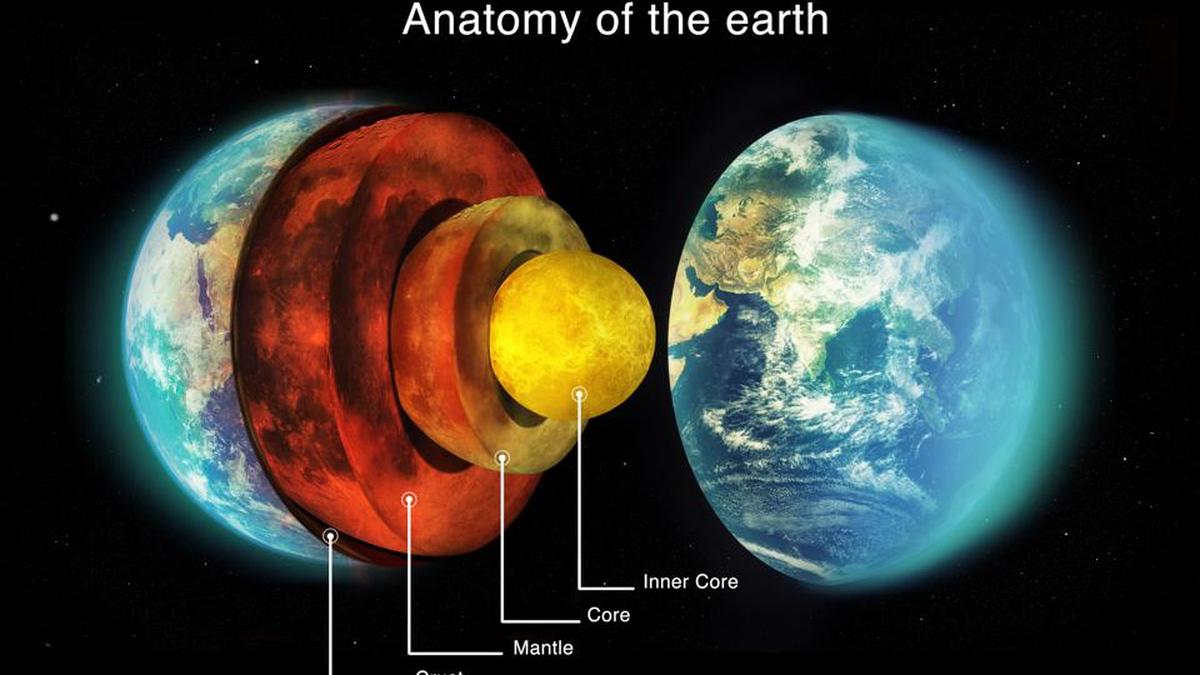
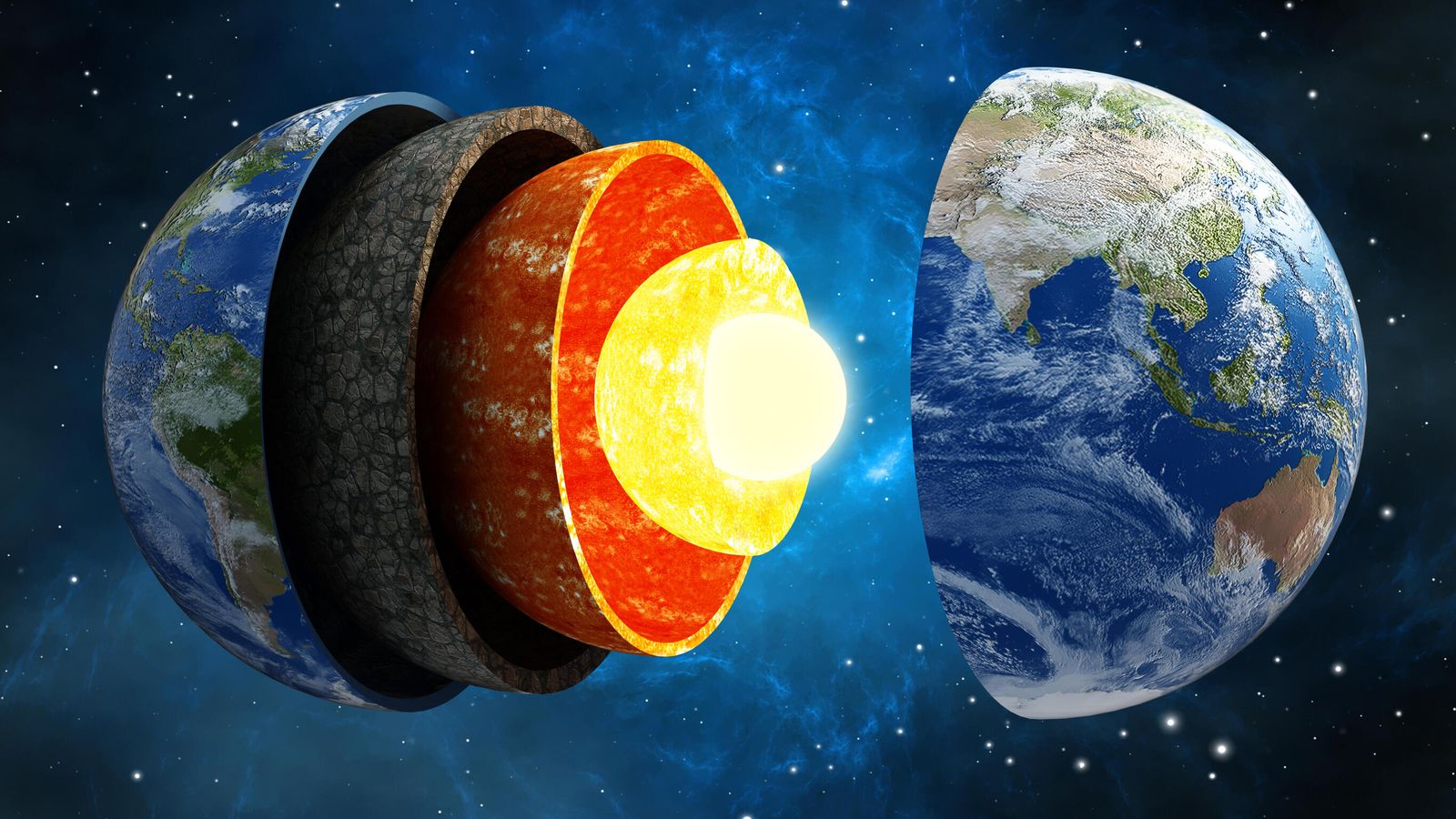
The world of STEM is filled with discoveries and innovations that captivate the imagination and drive progress. From unraveling the mysteries of Earth’s inner core to discovering new planets, advancing medical treatments, and developing sustainable technologies, these breakthroughs demonstrate the incredible potential of human ingenuity.
As we continue to explore the unknown and push the limits of knowledge, STEM will remain at the forefront of shaping a better, more informed, and sustainable future. The innovations of today inspire the discoveries of tomorrow, reminding us that curiosity, creativity, and collaboration are the engines of scientific advancement.
Watch Also: https://www.youtube.com/@TravelsofTheWorld24










Leave a Reply