
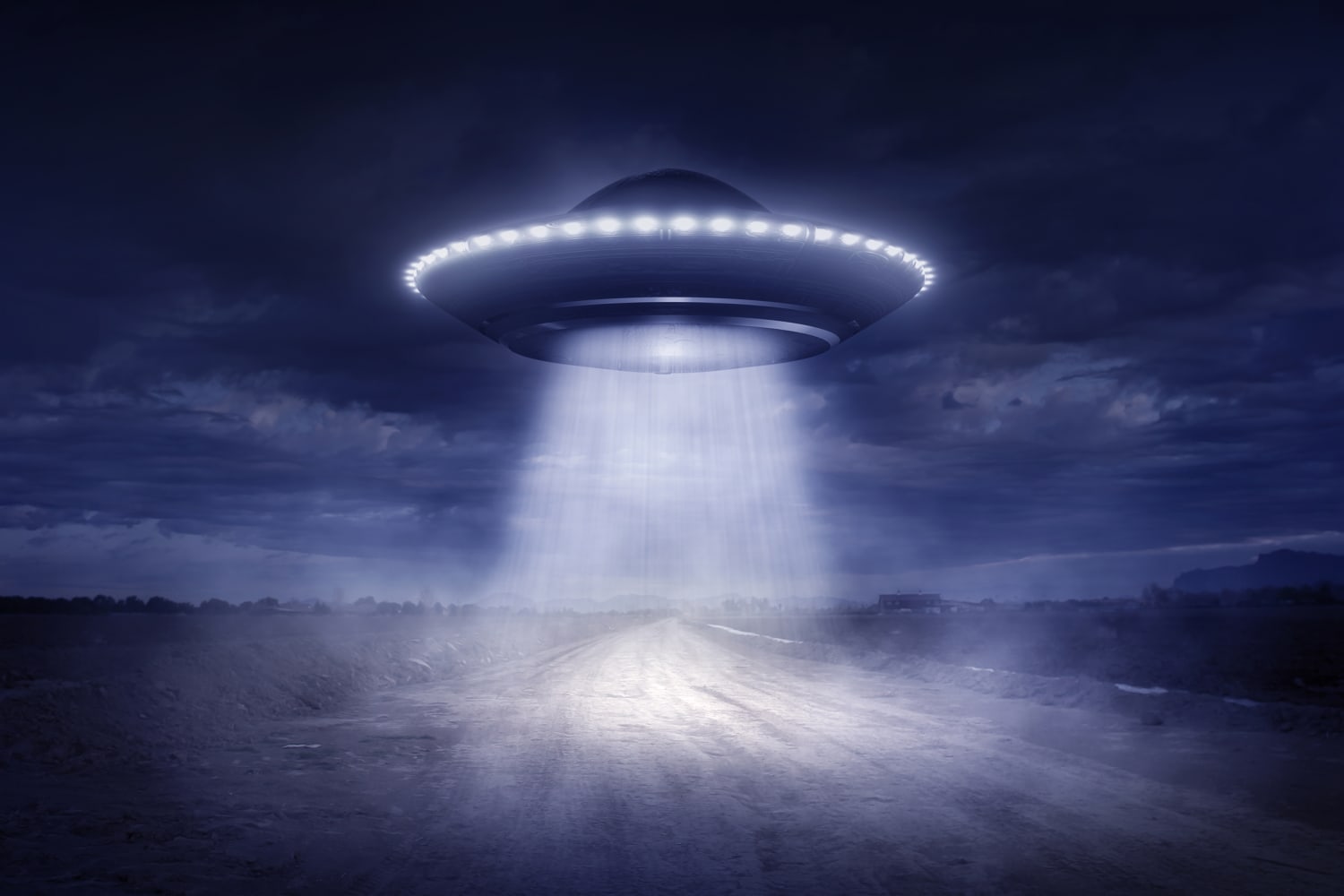
Claims of alien visitation are no longer confined to science fiction novels or fringe conspiracy groups. According to researchers studying misinformation, psychology, and digital culture, belief in extraterrestrial visitors has become a widespread societal problem with serious implications. Fueled by social media, artificial intelligence, declining trust in institutions, and emotional vulnerability during uncertain times, alien visitation claims are reshaping how many people understand reality itself.
Experts warn that this growing trend is not just about aliens—it reflects deeper issues related to misinformation, critical thinking, and public trust in science.
A Belief Moving Into the Mainstream
For decades, belief in alien visitation was seen as a marginal idea, held by a small group of enthusiasts. Today, surveys in multiple countries show that a significant portion of the population believes intelligent extraterrestrials have already visited Earth or are currently doing so.
Researchers note that what makes the current situation different is scale. Millions of people now encounter alien-related content daily through social media feeds, video platforms, and online forums. These claims are no longer isolated; they are normalized through repetition, viral sharing, and endorsement by influencers.
As one misinformation researcher explains, “When extraordinary claims appear everywhere, they stop feeling extraordinary.”
The Digital Ecosystem That Fuels the Problem
Social media platforms are a central driver of alien visitation beliefs. Algorithms reward emotionally charged content—fear, wonder, and shock all generate engagement. Videos claiming to show UFOs, alien bodies, or secret government footage often receive millions of views before any fact-checking occurs.
Short-form videos are especially powerful. They offer little room for nuance or explanation, yet present dramatic visuals that feel convincing. Viewers often scroll past without checking sources, absorbing the message subconsciously.
Researchers argue that this environment creates a feedback loop: sensational alien claims generate engagement, which encourages creators to post more extreme content, pushing the narrative further from reality.
Artificial Intelligence and the Collapse of Visual Trust
Artificial intelligence has dramatically worsened the situation. AI-generated images, videos, and voice recordings can now convincingly simulate alien encounters, UFO landings, and even “leaked” news reports.
Researchers warn that humanity is entering a “post-trust” era, where seeing is no longer believing. When people know that anything can be faked, they may stop relying on evidence altogether and instead choose beliefs that feel emotionally satisfying.
Ironically, AI not only spreads fake alien evidence—it also makes real evidence less credible, as genuine footage can be dismissed as artificial.
Why People Believe: The Psychological Dimension
Understanding alien visitation beliefs requires looking beyond technology to human psychology. Researchers identify several key factors:
-
Pattern recognition: Humans are wired to see patterns, even where none exist.
-
Need for meaning: Alien narratives offer explanations for chaos and uncertainty.
-
Desire for control: Believing in hidden knowledge can make people feel empowered.
-
Community belonging: Online groups reinforce beliefs and discourage skepticism.
During periods of global stress—pandemics, wars, climate anxiety, and economic instability—belief in extraordinary explanations becomes more appealing. Aliens become a symbolic answer to feelings of helplessness.
Distrust in Institutions and Authority
One of the strongest predictors of belief in alien visitation is distrust in governments, media, and scientific institutions. Researchers emphasize that alien narratives thrive where trust is weak.
When official sources dismiss alien claims, believers often interpret denial as proof of a cover-up. This creates an unfalsifiable belief system—no amount of evidence can disprove it.
Partial government transparency regarding Unidentified Aerial Phenomena (UAPs) has unintentionally fueled this distrust. While scientists stress that “unidentified” does not mean “alien,” the nuance is often lost in public discourse.
The Role of Media Sensationalism
Mainstream media has contributed to the problem by sensationalizing alien-related stories. Headlines often exaggerate scientific findings or use ambiguous language to attract clicks.
Researchers criticize this approach, arguing that it blurs the line between speculation and evidence. When respected outlets treat alien claims casually, they lend them legitimacy in the eyes of the public.
Responsible reporting, experts argue, should emphasize uncertainty, context, and scientific consensus rather than mystery and fear.
From Harmless Belief to Real-World Harm
Some dismiss alien visitation beliefs as harmless entertainment, but researchers strongly disagree. In extreme cases, such beliefs have led to:
-
Severe anxiety and paranoia
-
Social isolation and withdrawal
-
Financial exploitation through scams
-
Rejection of medical or scientific advice
-
Hostility toward perceived “non-believers”
There have been documented cases where individuals changed life decisions—quitting jobs, selling property, or preparing for imagined alien invasions—based on misinformation.
At a societal level, widespread belief in unverified claims weakens shared reality, making public discourse more polarized and unstable.
Erosion of Scientific Literacy
Another major concern is the damage to scientific literacy. Real scientific research into space exploration, astronomy, and the search for extraterrestrial life is often drowned out by sensational alien narratives.
Researchers worry that when people conflate science with speculation, they lose understanding of how evidence-based inquiry works. This confusion spills into other areas, including climate science, medicine, and technology.
Alien misinformation becomes a gateway to broader rejection of scientific consensus.
Online Communities and Radicalization
Digital communities centered on alien visitation claims often function as echo chambers. Within these spaces, skepticism is discouraged and believers reinforce one another’s views.
Researchers note similarities between alien belief communities and other forms of online radicalization. Members are encouraged to distrust outsiders, reject official explanations, and see themselves as holders of secret truths.
Over time, these communities can become more extreme, adopting apocalyptic or hostile narratives that further separate believers from society.
Why Debunking Often Fails
Traditional fact-checking strategies often fail when confronting alien visitation beliefs. Researchers explain that facts alone are insufficient when beliefs are emotionally or identity-driven.
When people feel mocked or dismissed, they may double down on their views. This phenomenon, known as belief reinforcement, makes correction difficult.
Experts advocate for approaches that combine empathy, education, and critical thinking rather than confrontation.
Education and Media Literacy as Solutions
Researchers overwhelmingly agree that improving media literacy is the most effective long-term solution. Teaching people how to evaluate sources, recognize manipulation, and understand AI-generated content is essential.
Media literacy programs can help individuals ask key questions:
-
Who created this content?
-
What evidence is provided?
-
Is the source credible?
-
Could this be manipulated or fabricated?
Such skills empower people to navigate not only alien claims but all forms of digital misinformation.
The Scientific Reality of Extraterrestrial Life
Researchers stress an important distinction: believing in the possibility of extraterrestrial life is not the same as believing in alien visitation.
Most scientists agree that microbial life may exist elsewhere in the universe. However, there is currently no verified evidence that intelligent aliens have visited Earth.
Maintaining this distinction allows curiosity to coexist with skepticism—an essential balance for scientific progress.
A Mirror of Deeper Social Issues
Ultimately, researchers argue that alien visitation beliefs are a symptom, not the root problem. They reflect broader issues such as digital misinformation, social fragmentation, and declining trust.
Addressing alien claims without addressing these underlying problems is unlikely to succeed. Solutions must involve technology regulation, responsible media practices, education reform, and rebuilding public trust.
Conclusion: A Societal Challenge, Not a Fringe Issue
Alien visitation claims are no longer a fringe curiosity—they are a widespread societal challenge that demands serious attention. As researchers warn, unchecked misinformation threatens rational thinking, public trust, and social cohesion.
Curiosity about the universe is natural and valuable. But when curiosity is exploited through sensationalism and deception, it becomes harmful.
The task ahead is not to ridicule belief, but to strengthen society’s ability to distinguish wonder from falsehood. Without that effort, alien visitation claims will continue to grow—not because aliens are here, but because misinformation is.
Read Also: Keep your face towards the sunshine and shadows will fall behind you
Watch Also: https://www.youtube.com/@TravelsofTheWorld24











Leave a Reply