
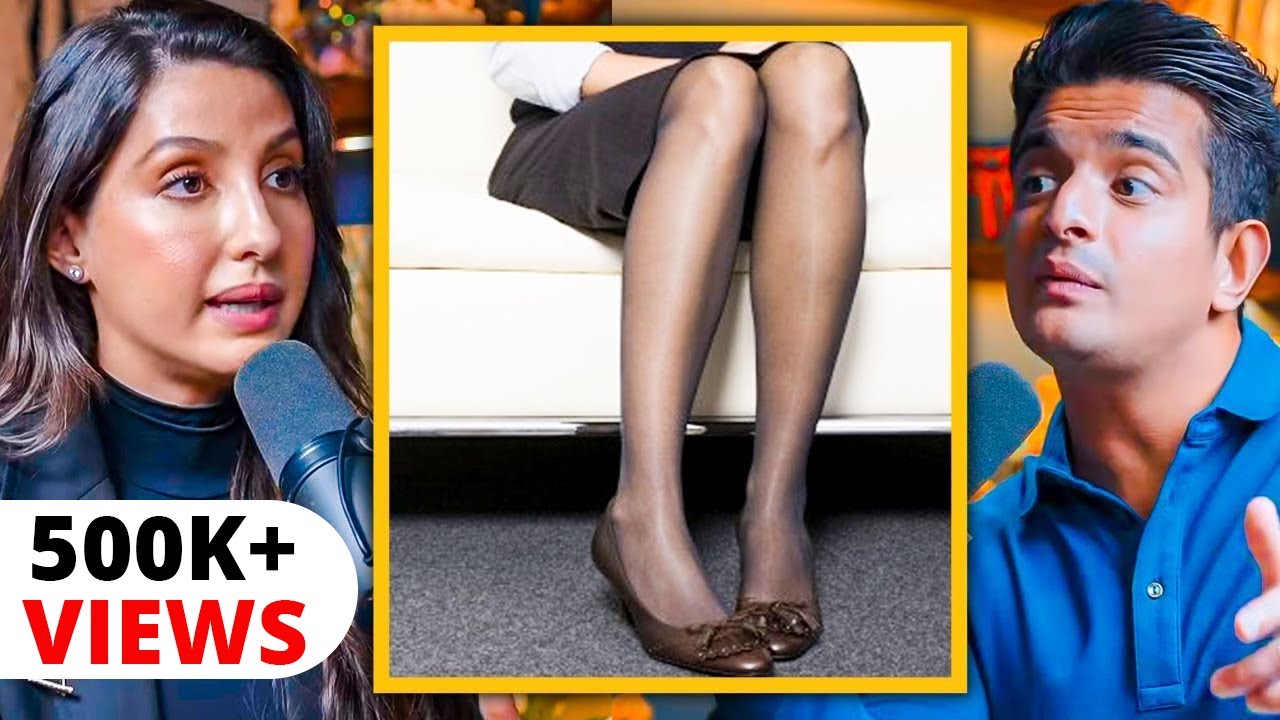
Bollywood, India’s colossal film industry, has long been synonymous with glamour, glitz, and larger-than-life storytelling. From spectacular song-and-dance sequences to star-studded premieres, the world often views Bollywood as a dream factory where talent, beauty, and charisma converge. However, behind the glittering facade lies a darker reality — the much-discussed and long-denied phenomenon known as the “casting couch.” Recently, internationally recognized actress and dancer Nora Fatehi has openly spoken about this culture, shedding light on its persistence and impact on aspiring actors in India.
Understanding the Casting Couch
The term “casting couch” refers to a deeply troubling practice where aspiring actors, particularly women, are asked to exchange sexual favors for film roles, auditions, or career advancement. This culture is not unique to Bollywood; it exists in many entertainment industries worldwide. However, Bollywood’s structure — dominated by a few powerful producers, directors, and casting agents — often creates an environment ripe for exploitation. The imbalance of power between industry gatekeepers and newcomers makes it extremely difficult for talent to resist coercion or harassment.
For decades, allegations about the casting couch surfaced sporadically in tabloids, gossip columns, and social media rumors, often dismissed as sensationalist. Many young actors feared coming forward, concerned about reputational damage or being blacklisted. The lack of accountability and transparent recruitment processes enabled this predatory system to persist.
Nora Fatehi’s Revelations
Nora Fatehi, a Canadian-born dancer, actress, and model, has made a significant mark in Bollywood with her performances in films and music videos. Known for her professionalism, dance skills, and screen presence, Fatehi has built a reputation as a dedicated and talented performer. Yet, despite her international acclaim and growing fanbase, she recently revealed that she, too, encountered the dark realities of the industry, including the casting couch culture.
In a candid interview, Fatehi described the subtle and sometimes overt pressures faced by women in Bollywood. She highlighted that many young aspirants are often “tested” in ways unrelated to their talent. While she did not name specific individuals, her account echoed the experiences shared by other actresses over the years, emphasizing that sexual exploitation is not always explicit but often woven into the audition and selection process.
Fatehi’s statements are significant because she occupies a unique position — she is both an outsider and an insider. As a foreign-born actress navigating the competitive Indian film market, her perspective offers insights into how newcomers are particularly vulnerable. Her willingness to speak openly challenges the long-standing culture of silence that has protected perpetrators for decades.
The Broader Context: #MeToo in India
The discussion around casting couch culture in Bollywood gained renewed attention during India’s #MeToo movement, which started in 2018. Several high-profile actresses, journalists, and industry professionals came forward to share their experiences of sexual harassment, exploitation, and abuse of power. Accusations were leveled against prominent figures, leading to public debates about accountability and ethics in the film industry.
Despite the movement’s momentum, many argue that the structural issues in Bollywood remain largely unaddressed. The power hierarchy, informal recruitment practices, and reliance on personal networks continue to create opportunities for exploitation. In this context, voices like Nora Fatehi’s are crucial in maintaining awareness and encouraging systemic change.
The Psychological and Career Impact
The casting couch phenomenon affects more than just immediate career opportunities. For many aspiring actors, the experience can be psychologically damaging, eroding self-esteem, fostering distrust, and creating a sense of helplessness. Young actors often struggle to reconcile their dreams with the moral compromises they are pressured to make. Those who refuse to participate in exploitative practices may find themselves marginalized or denied roles, creating a chilling effect on talent.
Nora Fatehi’s story highlights the resilience required to navigate such an environment. She emphasizes that determination, self-respect, and professional integrity are essential for surviving and succeeding in an industry where predatory behavior is sometimes normalized. Her narrative also underscores the importance of support systems — mentors, peers, and allies who can offer guidance and protection in a competitive and often intimidating space.
Industry Reactions and Criticism
Fatehi’s revelations have sparked discussions within and outside the industry. While some applaud her courage, others question why these issues persist despite repeated warnings and previous exposés. Critics argue that Bollywood, as an institution, has historically prioritized profits and star power over ethics and accountability. Casting decisions are often influenced by personal relationships, favoritism, and informal agreements rather than merit, creating fertile ground for abuse.
Some industry insiders defend the status quo, suggesting that the casting couch is a myth or exaggeration. However, the increasing number of testimonials from actresses, dancers, and models challenges this narrative. The contrast between public denials and private experiences reveals a systemic problem that cannot be ignored.
Steps Towards Change
Change in Bollywood is slow but not impossible. The industry has taken some measures to address harassment and exploitation, especially in the aftermath of the #MeToo movement. Film associations and unions have introduced formal complaint mechanisms, workshops on sexual harassment, and awareness campaigns. Some casting directors and production houses now emphasize transparent recruitment practices and merit-based selection processes.
However, experts argue that cultural change is equally important. Eliminating the casting couch requires not just policies but also a shift in mindset — from tolerance and complicity to accountability and respect for professional boundaries. Role models like Nora Fatehi play a crucial role in this transformation by publicly rejecting exploitative practices and advocating for fairness in the industry.
The Role of Media and Public Discourse
Media coverage and public discourse play a pivotal role in holding the industry accountable. Social media platforms, in particular, have empowered actors and audiences to share experiences and demand transparency. Hashtags, interviews, and online campaigns have amplified voices that were previously silenced, creating pressure for structural reforms.
Nora Fatehi’s revelations contribute to this dialogue by normalizing conversations about sexual harassment and exploitation. When popular figures speak openly, it encourages others to come forward and fosters a culture where unethical practices are no longer tolerated. This, in turn, can influence casting decisions, production ethics, and the broader culture of Bollywood.
Supporting Aspiring Talent
Beyond exposing the problem, there is a need to support aspiring talent navigating Bollywood. Mentorship programs, talent incubators, and professional networks can provide guidance and protection. Workshops on legal rights, negotiation skills, and professional boundaries empower actors to assert themselves without fear of retaliation. Organizations advocating for workplace safety and gender equality also play a crucial role in creating safer spaces for new entrants.
Nora Fatehi’s success story, built on talent, dedication, and resilience, serves as an inspiring example for newcomers. Her journey demonstrates that it is possible to achieve recognition without compromising integrity, challenging the notion that participation in exploitative practices is a prerequisite for success.
Conclusion
The casting couch culture in Bollywood is a complex issue, rooted in power imbalances, informal practices, and systemic silence. While the glamour of the industry continues to attract talent worldwide, the darker realities cannot be ignored. Nora Fatehi’s revelations shine a light on these challenges, reminding audiences, aspiring actors, and industry stakeholders that awareness and courage are essential for change.
Addressing the casting couch requires collective action — from industry leaders enforcing ethical standards, media amplifying voices, to public support for fair and transparent practices. While the road ahead is long, conversations like these, amplified by credible figures such as Nora Fatehi, mark an important step towards a safer, more equitable Bollywood. By prioritizing talent, professionalism, and respect, the industry can move closer to a future where dreams are achieved through skill and dedication, not exploitation.
Read Also: Keep your face towards the sunshine and shadows will fall behind you
Watch Also: https://www.youtube.com/@TravelsofTheWorld24













Leave a Reply