

Cryptocurrency has emerged as one of the most revolutionary innovations in finance, offering a decentralized, digital alternative to traditional money. Bitcoin, Ethereum, and thousands of other digital assets have attracted investors, businesses, and governments worldwide. However, as cryptocurrencies grow in popularity, one key question arises: Who regulates cryptocurrency?
Unlike traditional currencies, which are issued and controlled by central banks, cryptocurrencies operate on decentralized networks, often outside direct governmental control. This unique structure creates both opportunities and challenges for regulation. This article explores who regulates cryptocurrency, the role of various agencies, international efforts, challenges, and the future of crypto regulation.
Understanding Cryptocurrency and Its Decentralized Nature
Cryptocurrency is a digital or virtual currency secured by cryptography, enabling peer-to-peer transactions without intermediaries. Key characteristics include:
-
Decentralization: No central authority controls the network.
-
Transparency: Transactions are recorded on public ledgers, such as blockchains.
-
Security: Cryptography ensures secure transactions and prevents counterfeiting.
-
Limited Supply: Many cryptocurrencies, like Bitcoin, have a fixed maximum supply.
The decentralized nature of crypto makes it fundamentally different from fiat currencies, which are tightly regulated by governments and central banks.
Why Regulation Is Important
Even though cryptocurrencies are decentralized, regulation plays a crucial role in:
-
Protecting Investors: Cryptocurrency markets are highly volatile and susceptible to scams, fraud, and hacks.
-
Preventing Money Laundering and Terrorism Financing: Cryptocurrencies can be used for illicit activities without proper oversight.
-
Maintaining Financial Stability: Rapid growth in crypto adoption may impact traditional financial systems.
-
Establishing Tax Compliance: Governments need clarity on cryptocurrency for taxation purposes.
-
Encouraging Legitimate Innovation: Clear regulatory frameworks promote the growth of blockchain technology and digital assets responsibly.
Who Regulates Cryptocurrency Globally?
Regulation of cryptocurrency varies widely across countries, reflecting differences in legal systems, financial infrastructure, and policy priorities. There is no single global regulator. Instead, multiple agencies and organizations oversee crypto in various capacities.
1. United States
In the U.S., cryptocurrency regulation is fragmented among several federal and state authorities:
-
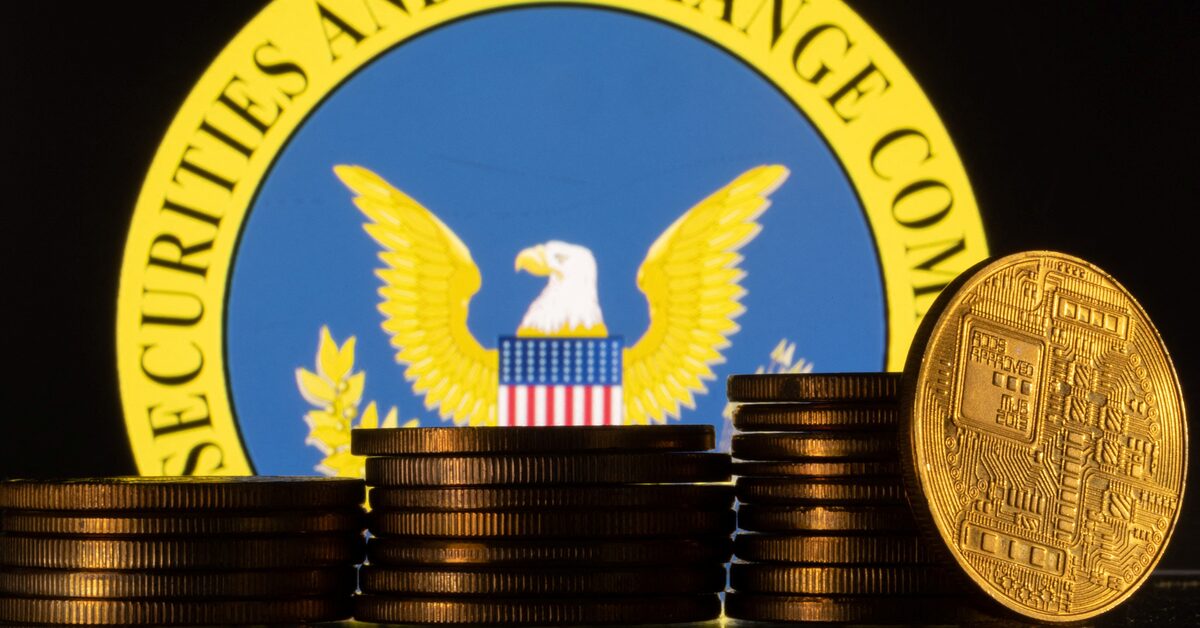
Securities and Exchange Commission (SEC): Oversees securities-related activities, including ICOs (Initial Coin Offerings) and certain crypto tokens classified as securities.
-
Commodity Futures Trading Commission (CFTC): Regulates cryptocurrency derivatives and futures contracts.
-
Financial Crimes Enforcement Network (FinCEN): Monitors anti-money laundering (AML) compliance for crypto exchanges and wallet providers.
-
Internal Revenue Service (IRS): Enforces tax compliance, classifying crypto as property for taxation.
-
State Regulators: States like New York require licensing through frameworks such as the BitLicense for crypto businesses.
2. European Union
The EU has taken steps to standardize cryptocurrency regulation:
-
MiCA (Markets in Crypto-Assets Regulation): A comprehensive framework for crypto regulation across EU member states, addressing licensing, consumer protection, and transparency.
-
European Central Bank (ECB): Oversees macro-financial stability and monitors potential systemic risks posed by digital assets.
-
National Financial Regulators: Countries like Germany, France, and Malta have implemented specific licensing and regulatory requirements for crypto exchanges.
3. United Kingdom
-
Financial Conduct Authority (FCA): Regulates crypto businesses, particularly exchanges, wallets, and investment products.
-
HM Revenue & Customs (HMRC): Handles taxation on cryptocurrency transactions.
-
Bank of England: Observes risks to monetary stability and financial systems.
4. Asia
-
China: Banned cryptocurrency trading and mining, asserting strict control over financial risks.
-
Japan: Regulates crypto exchanges through the Financial Services Agency (FSA), requiring licensing and compliance with AML measures.
-
Singapore: The Monetary Authority of Singapore (MAS) supervises cryptocurrency businesses, including exchanges and payment providers.
-
India: Regulates crypto taxation and financial transactions, while exploring a Central Bank Digital Currency (CBDC).
5. Other Countries
-
Australia: Australian Securities and Investments Commission (ASIC) oversees cryptocurrency investments.
-
Canada: Provincial regulators like the Ontario Securities Commission (OSC) regulate crypto offerings.
-
Middle East: Countries like UAE have set up regulatory sandboxes for fintech and crypto innovation.
-
Africa: Nations vary widely; South Africa’s Financial Sector Conduct Authority (FSCA) monitors crypto activities, while some countries restrict crypto use.
Challenges in Cryptocurrency Regulation
Regulating cryptocurrency presents unique challenges:
1. Decentralization
Cryptocurrencies like Bitcoin are decentralized and borderless, making it difficult for a single nation to enforce regulations effectively.
2. Rapid Innovation
New cryptocurrencies, tokens, DeFi (Decentralized Finance) platforms, and NFTs emerge frequently, creating regulatory gaps and challenges in classification.
3. Privacy and Anonymity
Some cryptocurrencies emphasize privacy, making it hard for regulators to track transactions and enforce AML laws.
4. Jurisdictional Differences
Crypto companies often operate globally, meaning they may be subject to multiple, sometimes conflicting, regulations.
5. Risk of Overregulation
Excessive regulation may stifle innovation and push crypto businesses to move to more lenient jurisdictions.
Approaches to Cryptocurrency Regulation
Different countries adopt varying approaches to crypto regulation:
1. Proactive Regulation
Countries like Japan and Singapore create comprehensive legal frameworks to integrate crypto safely into their financial systems.
2. Cautious Observation
Some nations monitor cryptocurrency adoption before introducing regulations, ensuring market stability and consumer protection.
3. Restrictive Bans
Countries like China and Algeria have banned cryptocurrency trading, citing risks to financial stability and consumer protection.
4. Regulatory Sandboxes
Many regulators establish sandboxes allowing controlled testing of crypto innovations while monitoring risks.
International Cooperation
Given the global nature of cryptocurrencies, international cooperation is crucial:
-
Financial Action Task Force (FATF): Issues guidelines for AML and counter-terrorist financing in crypto.
-
G20: Discusses cross-border regulation and financial stability related to digital assets.
-
IOSCO (International Organization of Securities Commissions): Provides recommendations on crypto asset regulation.
Such cooperation aims to prevent regulatory arbitrage and ensure consistent global standards.
The Future of Cryptocurrency Regulation
The regulatory landscape is evolving rapidly. Future trends may include:
-
Central Bank Digital Currencies (CBDCs): Governments may issue digital currencies, providing a regulated alternative to decentralized cryptocurrencies.
-
Enhanced Tax Compliance: Improved tracking and reporting of crypto transactions.
-
Global Standards: Increased harmonization across borders for trading, taxation, and AML compliance.
-
DeFi Oversight: Regulatory focus on decentralized finance platforms to prevent fraud and systemic risks.
-
Consumer Protection: Policies to ensure safe investment opportunities and prevent scams.
Conclusion
Cryptocurrency regulation is complex and multi-faceted, involving a combination of government agencies, financial authorities, and international organizations. While cryptocurrencies operate outside traditional financial systems, regulators play a crucial role in:
-
Protecting investors
-
Preventing financial crimes
-
Maintaining market stability
-
Encouraging innovation responsibly
The decentralized and borderless nature of digital assets makes enforcement challenging, but global cooperation, evolving frameworks, and proactive approaches are gradually shaping a safer, more regulated crypto ecosystem. As cryptocurrencies continue to grow, understanding who regulates them and how will remain essential for investors, businesses, and policymakers alike.
The future of cryptocurrency regulation will likely strike a balance between innovation and oversight, enabling the growth of the digital economy while protecting consumers and financial systems worldwide.
Read Also: Keep your face towards the sunshine and shadows will fall behind you
Watch Also: https://www.youtube.com/@TravelsofTheWorld24












Leave a Reply