

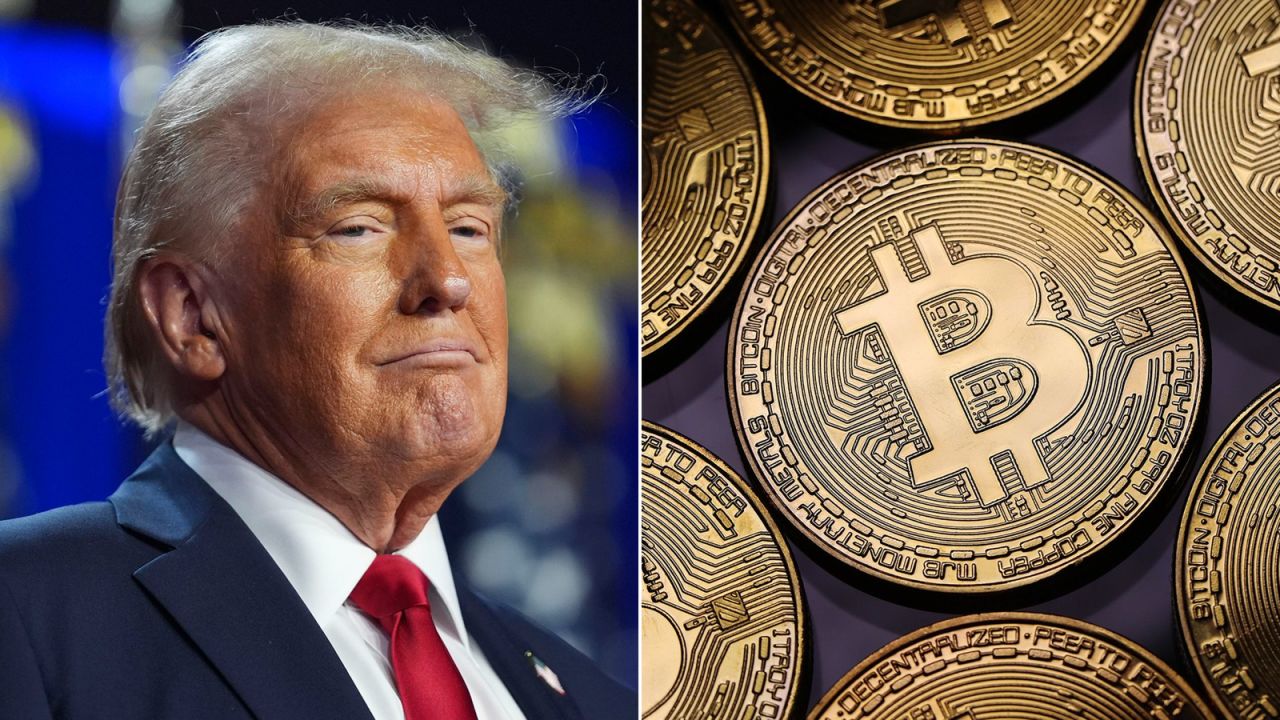
Cryptocurrency has grown from a niche digital experiment into a global financial phenomenon, attracting investors, corporations, and governments. As the crypto ecosystem expands, regulators around the world are grappling with how to govern digital assets. Understanding cryptocurrency regulation in the U.S. and global developments is essential for investors, businesses, and policymakers who wish to navigate the evolving legal landscape.
What Is Cryptocurrency Regulation?
Cryptocurrency regulation refers to laws, rules, and policies established by governments to monitor, control, and guide the use of digital currencies. Regulation aims to:
-
Protect investors from fraud and scams
-
Prevent money laundering and terrorist financing
-
Ensure market stability and transparency
-
Integrate cryptocurrencies into the broader financial system
The decentralized nature of cryptocurrencies presents challenges for regulators, as digital assets operate beyond national borders and traditional financial oversight.
Cryptocurrency Regulation in the United States
The U.S. has one of the most influential and complex regulatory frameworks for cryptocurrency. Multiple agencies oversee different aspects of the market, making compliance a multifaceted task.
1. Key Regulatory Bodies
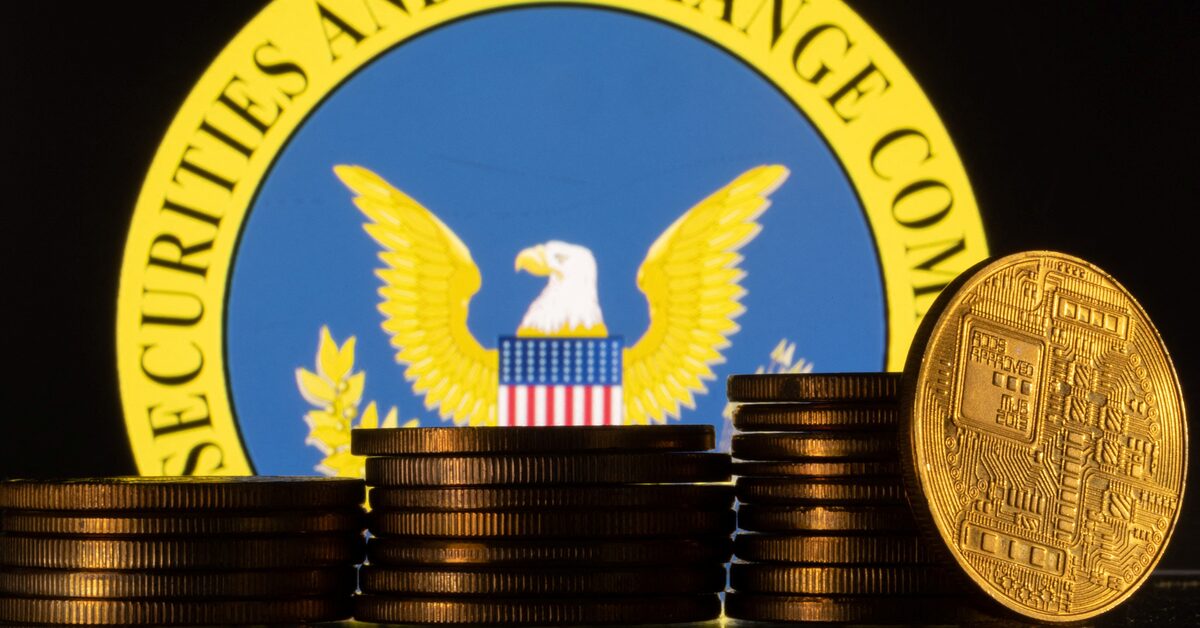
a) Securities and Exchange Commission (SEC):
-
Regulates cryptocurrencies considered securities, such as initial coin offerings (ICOs).
-
Ensures investor protection and transparency in crypto investments.
-
Has taken enforcement action against unregistered token sales and fraudulent schemes.
b) Commodity Futures Trading Commission (CFTC):
-
Oversees cryptocurrencies classified as commodities, including Bitcoin and Ethereum.
-
Regulates futures, derivatives, and trading on crypto exchanges.
-
Promotes fair trading practices in the digital asset market.
c) Financial Crimes Enforcement Network (FinCEN):
-
Enforces anti-money laundering (AML) and Know Your Customer (KYC) rules.
-
Requires exchanges and crypto businesses to report suspicious activities to prevent illicit use.
d) Internal Revenue Service (IRS):
-
Treats cryptocurrency as property for tax purposes.
-
Requires taxpayers to report gains, losses, and income from crypto transactions.
-
Enforces penalties for non-compliance or underreporting.
e) Federal Reserve (Fed) & Banking Regulators:
-
Monitor potential systemic risks posed by cryptocurrencies.
-
Evaluate central bank digital currencies (CBDCs) and stablecoin regulations.
2. Key U.S. Cryptocurrency Regulations
a) Securities Regulations:
-
Tokens that meet the Howey Test (investment of money with expectation of profit) are considered securities.
-
ICOs must register with the SEC or qualify for exemptions.
b) Anti-Money Laundering (AML) and KYC Compliance:
-
Exchanges must verify user identities.
-
Report transactions over certain thresholds to FinCEN.
c) Tax Regulations:
-
Cryptocurrency is treated as property, not currency.
-
Gains are taxed as capital gains; income from mining or services is taxed as ordinary income.
d) Stablecoin Oversight:
-
Stablecoins pegged to fiat currencies are under scrutiny for reserves, transparency, and redemption mechanisms.
3. Challenges in U.S. Regulation
-
Fragmented oversight: Multiple agencies with overlapping authority create regulatory complexity.
-
Innovation vs compliance: Striking a balance between fostering innovation and protecting investors is challenging.
-
Global nature of crypto: U.S. regulations may not apply to offshore exchanges or decentralized protocols.
Global Developments in Cryptocurrency Regulation
Regulatory approaches vary worldwide, reflecting economic priorities, technological adoption, and political philosophy.
1. European Union (EU)
-
Implemented the Markets in Crypto-Assets (MiCA) Regulation to standardize crypto rules across EU member states.
-
Requires licensing for crypto service providers, transparency in stablecoin issuance, and investor protection.
-
Emphasizes anti-money laundering compliance and cross-border supervision.
2. United Kingdom
-
Crypto exchanges must comply with AML and KYC regulations.
-
The Financial Conduct Authority (FCA) oversees crypto asset businesses and bans certain high-risk crypto derivatives.
3. China
-
China has banned cryptocurrency trading and mining, citing financial stability and environmental concerns.
-
Focused on developing its central bank digital currency (CBDC) called the Digital Yuan (e-CNY).
4. Japan
-
Recognizes cryptocurrency as legal property under the Payment Services Act.
-
Requires registration of exchanges, AML/KYC compliance, and consumer protection measures.
5. Singapore
-
The Monetary Authority of Singapore (MAS) regulates crypto businesses under the Payment Services Act.
-
Emphasizes innovation while ensuring financial stability and consumer protection.
6. Middle East and Other Regions
-
United Arab Emirates (UAE): Supports crypto innovation through free zones and regulatory sandboxes.
-
India: Initially hesitant, now imposes 30% tax on crypto gains and TDS reporting requirements.
-
El Salvador: Adopted Bitcoin as legal tender alongside the U.S. dollar.
Key Trends in Global Cryptocurrency Regulation
-
Increasing Investor Protection: Countries are establishing laws to prevent fraud, scams, and market manipulation.
-
AML and KYC Enforcement: Exchanges and crypto businesses must implement strict identity verification protocols.
-
Stablecoin Oversight: Governments are scrutinizing stablecoins due to their potential impact on monetary systems.
-
CBDC Development: Many central banks are exploring digital currencies to modernize financial systems.
-
Cross-Border Cooperation: Regulators are collaborating internationally to address the borderless nature of crypto.
-
Regulatory Sandboxes: Some countries allow testing new crypto innovations in controlled environments.
Implications for Investors and Businesses
-
Compliance Requirements: Exchanges and businesses must follow regulations, including licensing, reporting, and security measures.
-
Tax Obligations: Crypto income, capital gains, and trading profits are taxable in many jurisdictions.
-
Risk Management: Regulatory clarity reduces uncertainty, protecting investors and fostering market growth.
-
Innovation Opportunities: Regulated environments encourage institutional investment and mainstream adoption.
Challenges in Global Cryptocurrency Regulation
-
Rapid Innovation: Crypto technology evolves faster than regulatory frameworks.
-
Fragmentation: Different rules across countries create compliance complexity for global businesses.
-
Decentralization: DeFi platforms and decentralized exchanges operate without centralized control, making enforcement difficult.
-
Financial Inclusion vs Oversight: Regulators must balance innovation, investor protection, and financial inclusion.
The Future of Cryptocurrency Regulation
-
Unified Global Standards: International cooperation may lead to standardized regulations for crypto exchanges, stablecoins, and digital assets.
-
Integration with Traditional Finance: Banks and financial institutions may integrate crypto while complying with regulations.
-
Enhanced Consumer Protection: Laws will increasingly protect users from fraud, theft, and market manipulation.
-
Promotion of Innovation: Regulatory sandboxes will encourage experimentation while maintaining oversight.
-
Digital Currencies of Central Banks: CBDCs will complement or compete with private cryptocurrencies in the global financial system.
Conclusion
Cryptocurrency regulation is rapidly evolving in the U.S. and around the world. While the U.S. applies a fragmented, multi-agency approach, other countries like the EU, Japan, Singapore, and China have adopted distinct strategies to balance innovation, investor protection, and financial stability. Global developments indicate that regulation is becoming more structured, with increasing emphasis on AML, KYC, tax compliance, and consumer protection.
For investors, businesses, and policymakers, understanding cryptocurrency regulation is critical to navigating the complex digital asset landscape. While challenges remain, such as cross-border compliance and decentralized platforms, well-designed regulations can foster innovation, market stability, and mainstream adoption. As cryptocurrencies continue to reshape finance, regulatory clarity will play a pivotal role in determining the future of digital assets worldwide.
Read Also: Keep your face towards the sunshine and shadows will fall behind you
Watch Also: https://www.youtube.com/@TravelsofTheWorld24













Leave a Reply