
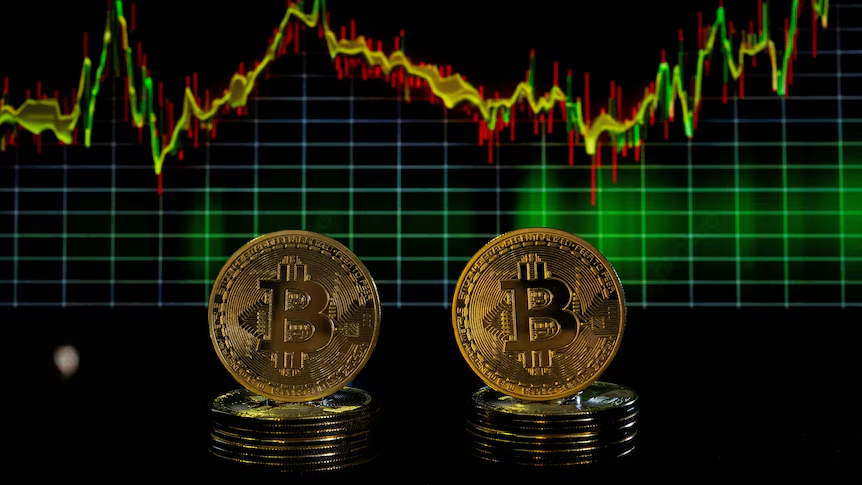
Bitcoin has once again stunned global financial markets by surging past the historic $US120,000 mark, setting a new all-time high and reigniting debate over the future of cryptocurrency. The world’s largest digital asset has defied skeptics time and again, but this latest rally has intensified warnings from critics who fear the market may be entering dangerous “bubble” territory.
As investors celebrate massive gains, economists, regulators, and seasoned market watchers are urging caution, arguing that Bitcoin’s rapid rise may be fueled more by speculation than fundamentals. The moment highlights a familiar pattern in Bitcoin’s history: explosive growth followed by heated debate over sustainability.
A Historic Milestone for Bitcoin
Crossing $US120,000 represents a psychological and financial milestone for Bitcoin. From its humble beginnings—worth only a few cents—to becoming a six-figure asset, Bitcoin’s journey has been unlike any other financial instrument in history.
This rally has been driven by a combination of factors:
-
Increased institutional investment
-
Growing acceptance of Bitcoin as digital gold
-
Macroeconomic uncertainty
-
Rising demand for alternative assets
-
Limited supply due to Bitcoin’s capped issuance
Supporters argue that Bitcoin’s rise reflects growing confidence in decentralized money, while critics believe the surge resembles past speculative manias.
What Is Driving Bitcoin’s Surge?
Institutional Adoption
One of the strongest forces behind Bitcoin’s climb to $US120,000 has been institutional adoption. Large financial firms, hedge funds, and asset managers have increasingly embraced Bitcoin as part of diversified investment portfolios.
Bitcoin exchange-traded products and custody services have made it easier for traditional investors to gain exposure without directly handling cryptocurrencies. This influx of institutional capital has added legitimacy and liquidity to the market.
Inflation and Economic Uncertainty
Global inflation concerns and economic instability have pushed investors toward alternative assets. Bitcoin is often viewed as a hedge against inflation due to its fixed supply of 21 million coins.
As governments continue expansive monetary policies, some investors see Bitcoin as protection against currency devaluation, similar to gold but with digital advantages.
Scarcity and Halving Effects
Bitcoin’s supply is mathematically limited, and periodic “halving” events reduce the number of new coins entering circulation. These supply shocks have historically preceded major price increases.
With fewer Bitcoins available on exchanges and long-term holders refusing to sell, supply constraints have amplified upward price pressure.
Investor Optimism Reaches New Levels
Bitcoin’s move past $US120,000 has sparked widespread excitement among retail investors. Social media platforms are flooded with price predictions, success stories, and renewed enthusiasm for cryptocurrencies.
Many investors believe this rally is fundamentally different from previous cycles, citing improved infrastructure, regulation clarity in some regions, and stronger institutional backing.
The fear of missing out (FOMO) has once again become a powerful force driving demand.
Bubble Warnings Grow Louder
Despite the optimism, warnings about a potential bubble are growing louder.
Extreme Price Volatility
Bitcoin’s price history is marked by dramatic rises and sharp crashes. Critics argue that such volatility makes Bitcoin unsuitable as a stable store of value or currency.
Rapid gains often attract speculative investors who may panic during downturns, accelerating price declines.
Speculative Behavior
Analysts point to increasing leverage, meme-driven trading, and unrealistic price targets as signs of speculative excess. When assets rise too quickly, valuations can detach from real-world utility.
Some economists compare Bitcoin’s current surge to historic bubbles such as the dot-com boom or housing market collapse.
Regulatory Risks
Governments around the world continue to scrutinize cryptocurrencies. Sudden regulatory changes—such as stricter taxation, trading restrictions, or bans—could trigger sharp market corrections.
Skeptics argue that Bitcoin’s price does not fully reflect regulatory uncertainty.
Is Bitcoin in a Bubble?
The question of whether Bitcoin is in a bubble depends largely on perspective.
The Bullish View
Supporters argue that Bitcoin’s price reflects long-term adoption trends rather than speculative mania. They highlight:
-
Increasing use as a store of value
-
Growing institutional trust
-
Advancing blockchain infrastructure
-
Limited supply and rising demand
From this view, Bitcoin’s rise to $US120,000 is not a bubble but a natural step in its maturation.
The Bearish View
Critics counter that Bitcoin produces no cash flow, dividends, or intrinsic value, making price discovery difficult. They argue that enthusiasm alone cannot justify such valuations indefinitely.
According to skeptics, Bitcoin’s price remains heavily sentiment-driven, making it vulnerable to sudden reversals.
Lessons from Bitcoin’s Past Crashes
Bitcoin has experienced multiple major crashes throughout its history, often losing 50% or more of its value after reaching new highs.
Each cycle follows a familiar pattern:
-
Rapid price increase
-
Media attention and public excitement
-
Speculative excess
-
Sharp correction
However, Bitcoin has also shown remarkable resilience, repeatedly recovering and surpassing previous highs.
Impact on the Broader Crypto Market
Bitcoin’s rally has lifted the entire cryptocurrency market. Alternative coins, or altcoins, often follow Bitcoin’s price movements, sometimes posting even larger percentage gains.
This has renewed interest in:
-
Ethereum and smart contract platforms
-
Decentralized finance (DeFi)
-
Non-fungible tokens (NFTs)
-
Blockchain-based financial services
At the same time, market corrections in Bitcoin typically impact altcoins more severely.
Bitcoin vs Traditional Assets
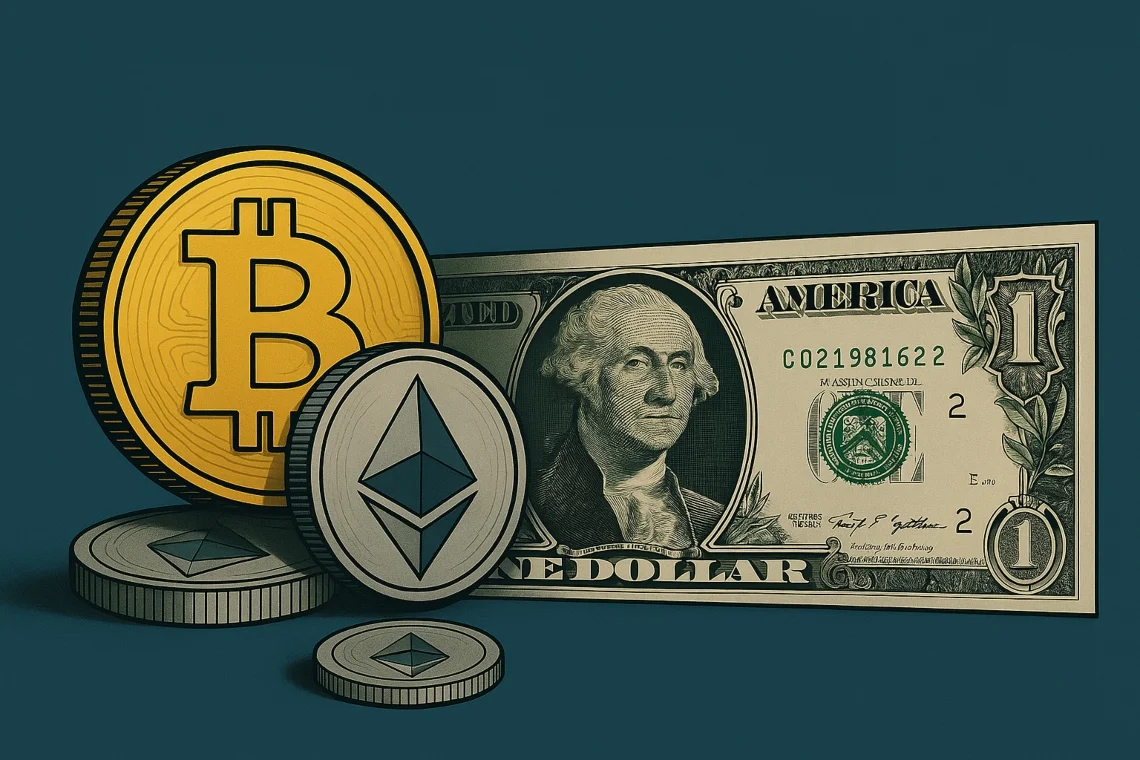
Bitcoin’s surge has reignited comparisons with traditional assets such as gold, stocks, and bonds.
-
Gold: Bitcoin is increasingly seen as digital gold but lacks gold’s long-term stability.
-
Stocks: Unlike stocks, Bitcoin offers no ownership in productive businesses.
-
Bonds: Bitcoin provides no guaranteed income or interest.
Supporters argue that Bitcoin’s unique properties justify its place as a new asset class rather than direct competition with traditional investments.
What This Means for Everyday Investors
For everyday investors, Bitcoin’s rise to $US120,000 presents both opportunity and risk.
Potential Benefits
-
High return potential
-
Portfolio diversification
-
Exposure to emerging technology
Key Risks
-
Extreme volatility
-
Emotional decision-making
-
Regulatory uncertainty
Financial advisors often recommend cautious exposure rather than overcommitment.
Can the Rally Continue?
Whether Bitcoin can sustain levels above $US120,000 depends on several factors:
-
Continued institutional inflows
-
Regulatory developments
-
Global economic conditions
-
Investor sentiment
A slowdown in any of these areas could trigger a correction, while further adoption could push prices even higher.
The Long-Term Outlook for Bitcoin
Despite warnings of a bubble, Bitcoin’s long-term influence on finance appears secure. Even critics acknowledge that Bitcoin has permanently changed conversations about money, decentralization, and financial sovereignty.
Whether Bitcoin stabilizes at high valuations or experiences another sharp correction, its role as a transformative financial technology is unlikely to disappear.
Conclusion
Bitcoin breaking through $US120,000 marks another extraordinary chapter in the cryptocurrency’s history. The milestone reflects growing adoption, institutional interest, and demand for alternative assets in an uncertain economic environment.
However, alongside celebration comes caution. Warnings of a potential bubble remind investors that Bitcoin’s rapid rise carries significant risk. History shows that Bitcoin’s journey is rarely smooth, with dramatic highs often followed by painful corrections.
Ultimately, Bitcoin’s surge highlights both the promise and peril of cryptocurrency investing. Whether this rally represents a sustainable shift or a speculative peak remains uncertain—but one thing is clear: Bitcoin continues to challenge traditional ideas about money, value, and the future of finance.
Read Also: Keep your face towards the sunshine and shadows will fall behind you
Watch Also: https://www.youtube.com/@TravelsofTheWorld24








Leave a Reply