

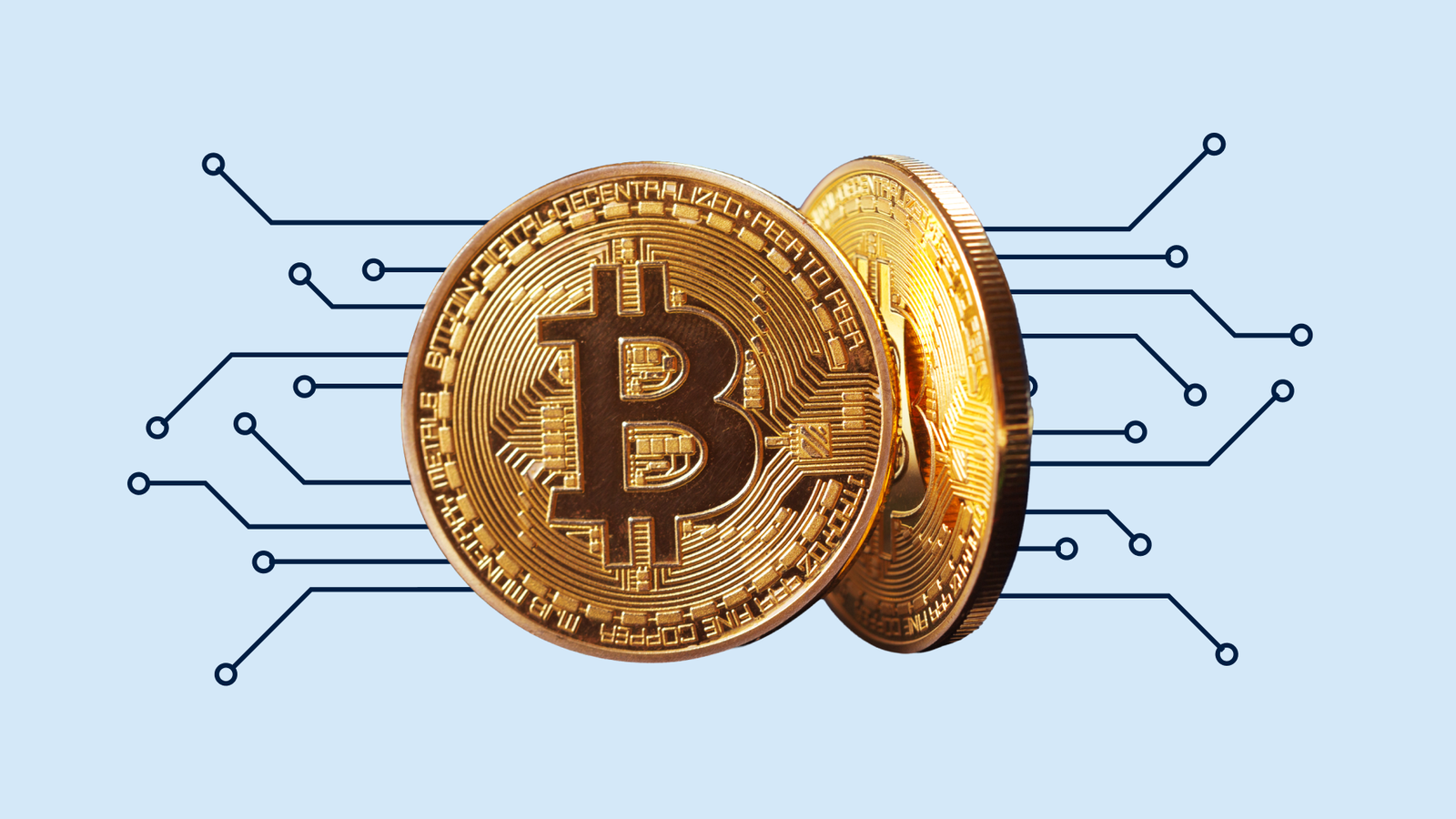
Bitcoin is the world’s first and most well-known cryptocurrency, a form of digital money designed to work without the control of banks, governments, or other centralized authorities. Introduced in 2009 by an anonymous individual or group using the name Satoshi Nakamoto, Bitcoin revolutionized the concept of money by using blockchain technology to enable secure, transparent, and decentralized financial transactions over the internet.
Over the years, Bitcoin has grown from a niche experiment among cryptography enthusiasts into a global financial phenomenon, attracting investors, businesses, governments, and everyday users. To understand why Bitcoin is so important, it is essential to explore what it is, how it works, why it was created, and how it is used today.
The Origin of Bitcoin
Bitcoin was created in response to the 2008 global financial crisis, which exposed weaknesses in the traditional banking system, including excessive risk-taking, lack of transparency, and reliance on centralized institutions. In October 2008, Satoshi Nakamoto published a whitepaper titled “Bitcoin: A Peer-to-Peer Electronic Cash System.”
The whitepaper proposed a new type of digital currency that would allow people to send money directly to one another without relying on intermediaries like banks or payment processors. In January 2009, the Bitcoin network officially went live with the mining of the genesis block, the first block in the Bitcoin blockchain.
What Makes Bitcoin Different from Traditional Money?
Bitcoin differs from traditional fiat currencies (such as the US dollar, euro, or Pakistani rupee) in several important ways:
1. Decentralization
Traditional money is issued and controlled by central banks. Bitcoin, on the other hand, operates on a decentralized network of computers (called nodes) spread across the world. No single entity controls Bitcoin.
2. Limited Supply
There will only ever be 21 million Bitcoins. This fixed supply is written into Bitcoin’s code, making it resistant to inflation caused by excessive money printing.
3. Digital-Only
Bitcoin exists entirely in digital form. There are no physical Bitcoin coins or notes; ownership is recorded on the blockchain.
4. Borderless
Bitcoin can be sent anywhere in the world within minutes, without needing banks or currency exchanges.
5. Permissionless
Anyone with an internet connection can use Bitcoin. No approval from a bank or government is required.
How Does Bitcoin Work?
Bitcoin works through a combination of cryptography, peer-to-peer networking, and a public ledger called the blockchain.
The Blockchain Explained
The blockchain is a digital ledger that records all Bitcoin transactions in chronological order. Each group of transactions is stored in a “block,” and these blocks are linked together, forming a chain. Once a block is added to the blockchain, it cannot be altered, making the system highly secure and transparent.
Transactions
When someone sends Bitcoin, the transaction is broadcast to the network. Miners then verify the transaction and include it in a block. Once confirmed, the transaction becomes permanent.
Mining and Proof of Work
Bitcoin mining is the process by which new Bitcoins are created and transactions are verified. Miners use powerful computers to solve complex mathematical puzzles. The first miner to solve the puzzle adds a new block to the blockchain and receives a reward in Bitcoin. This system is called Proof of Work.
Bitcoin Wallets: How People Store Bitcoin
A Bitcoin wallet is a digital tool that allows users to store, send, and receive Bitcoin. Wallets do not actually store Bitcoin; instead, they store private keys, which prove ownership of Bitcoin on the blockchain.
Types of Bitcoin Wallets
-
Hot Wallets – Connected to the internet (mobile apps, desktop wallets, web wallets). Convenient but more vulnerable to hacking.
-
Cold Wallets – Offline storage (hardware wallets, paper wallets). More secure for long-term storage.
Security is critical because losing a private key means losing access to your Bitcoin permanently.
Why Is Bitcoin Valuable?
Bitcoin has value because people trust it and believe in its unique properties. Several factors contribute to its value:
1. Scarcity
With a maximum supply of 21 million coins, Bitcoin is often compared to gold and referred to as “digital gold.”
2. Security
Bitcoin’s blockchain has never been hacked. Its decentralized structure makes it extremely difficult to manipulate.
3. Transparency
All transactions are publicly visible on the blockchain, increasing trust.
4. Adoption
More businesses, investors, and institutions are accepting Bitcoin as a legitimate asset and payment method.
Uses of Bitcoin
Bitcoin is used for various purposes across the globe:
1. Digital Payments
Some companies accept Bitcoin for goods and services, including online retailers, travel platforms, and service providers.
2. Investment
Many people buy Bitcoin as a long-term investment, believing its value will increase over time.
3. Store of Value
In countries facing inflation or currency devaluation, Bitcoin is used to preserve wealth.
4. International Remittances
Bitcoin allows fast and low-cost cross-border money transfers compared to traditional banking systems.
Advantages of Bitcoin
Bitcoin offers several benefits that have contributed to its popularity:
-
No intermediaries – Peer-to-peer transactions reduce fees.
-
Financial inclusion – People without bank accounts can access Bitcoin.
-
Censorship resistance – Transactions cannot easily be blocked or reversed.
-
Transparency and trust – Public blockchain records reduce fraud.
Disadvantages and Challenges of Bitcoin
Despite its advantages, Bitcoin also has limitations:
1. Price Volatility
Bitcoin’s price can change dramatically in short periods, making it risky for some users.
2. Energy Consumption
Bitcoin mining consumes a large amount of electricity, raising environmental concerns.
3. Scalability
The Bitcoin network can process only a limited number of transactions per second compared to traditional payment systems.
4. Regulatory Uncertainty
Different countries have varying regulations on Bitcoin, ranging from full acceptance to strict bans.
Bitcoin and Government Regulation
Governments around the world have taken different approaches to Bitcoin. Some countries recognize it as legal tender or a financial asset, while others restrict or ban its use. Regulators are concerned about issues such as money laundering, tax evasion, and consumer protection.
At the same time, many governments are exploring Central Bank Digital Currencies (CBDCs) inspired by Bitcoin’s underlying technology, though these are centralized and fundamentally different from Bitcoin.
Bitcoin vs Other Cryptocurrencies
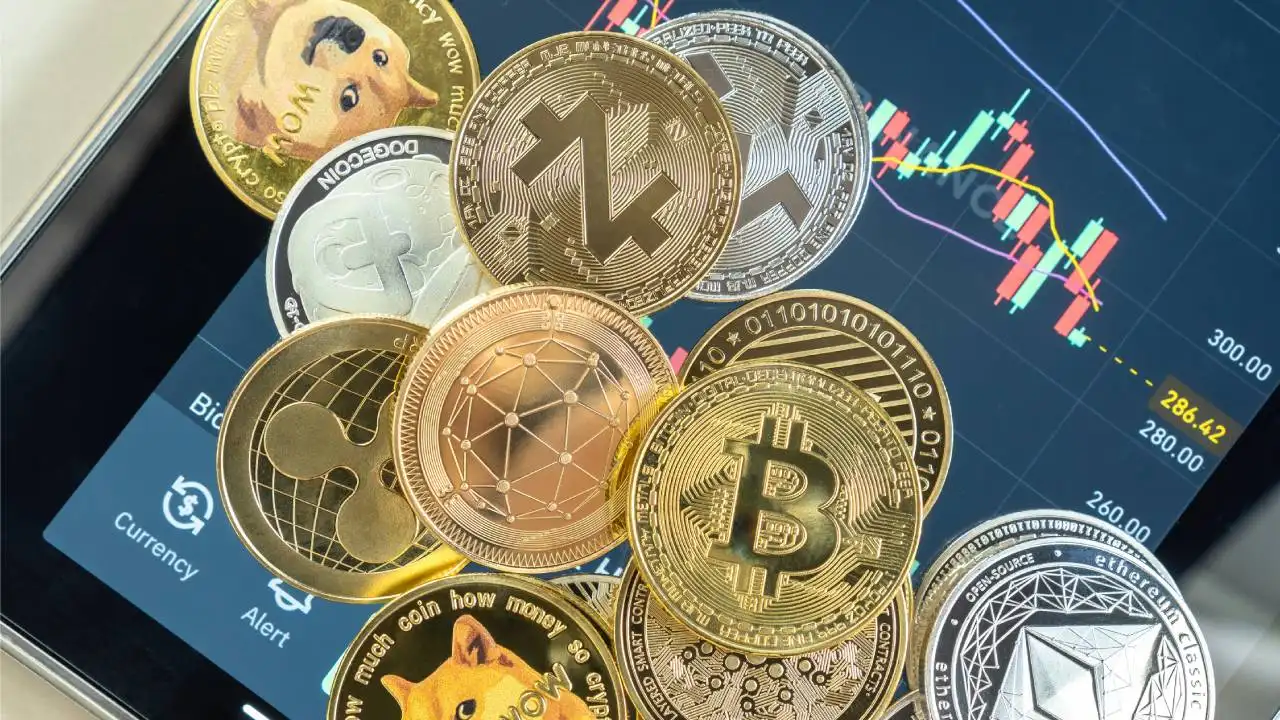
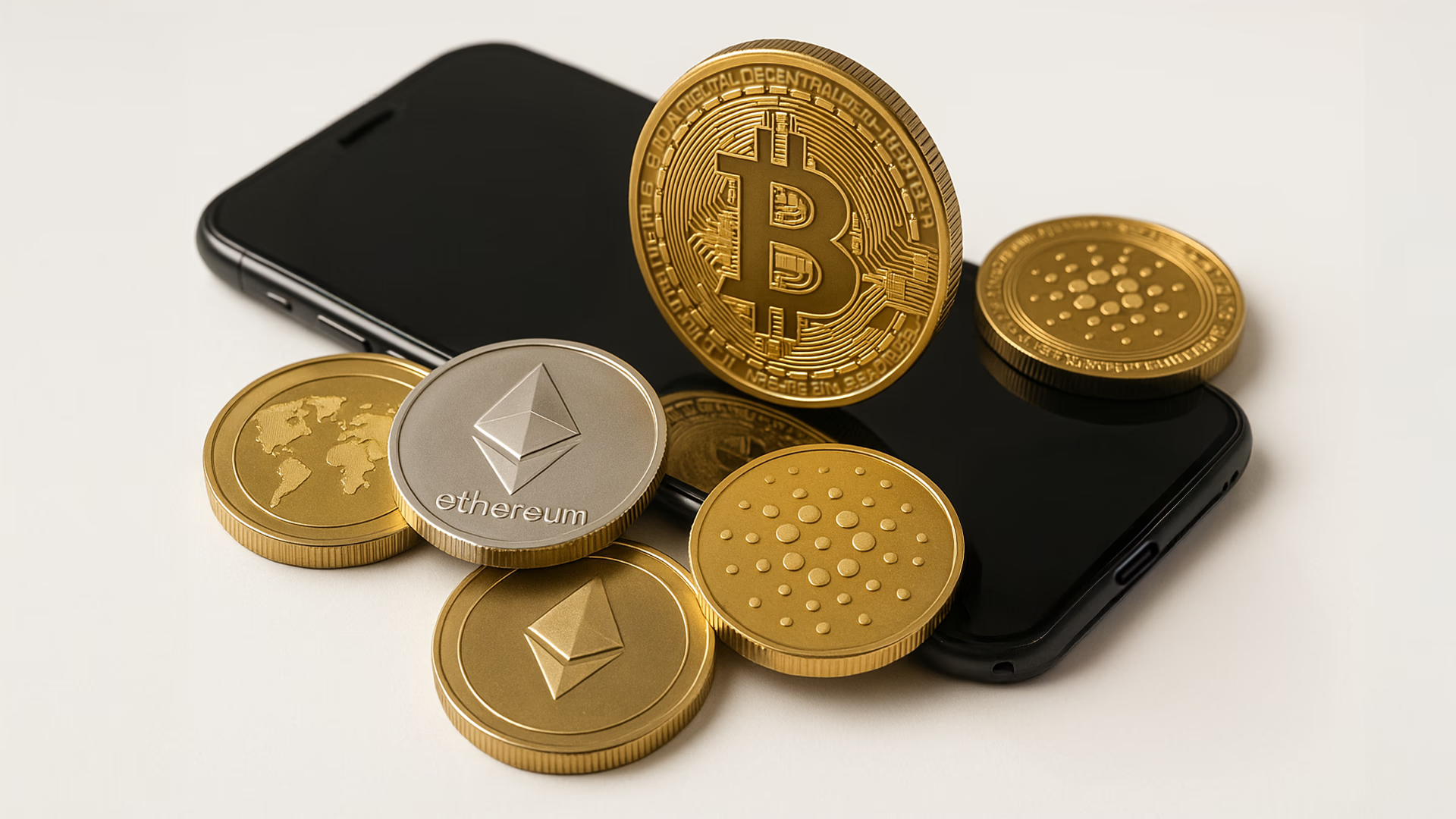
Bitcoin is often compared to other cryptocurrencies such as Ethereum, Litecoin, and Ripple. While thousands of cryptocurrencies exist, Bitcoin remains unique due to:
-
Its first-mover advantage
-
Strong security and decentralization
-
Largest market capitalization
-
Global recognition and trust
Many cryptocurrencies aim to improve upon Bitcoin by offering faster transactions or smart contract capabilities, but Bitcoin continues to dominate as a store of value.
The Future of Bitcoin
The future of Bitcoin remains a topic of debate. Supporters believe Bitcoin will continue to grow as digital gold and a global alternative financial system. Critics argue that volatility, regulation, and technological limitations may slow its adoption.
However, ongoing developments such as the Lightning Network, which enables faster and cheaper transactions, suggest that Bitcoin is evolving to meet future demands.
Conclusion
Bitcoin cryptocurrency represents a groundbreaking innovation in the history of money. By combining decentralization, cryptography, and blockchain technology, Bitcoin has challenged traditional financial systems and introduced a new way to think about value, trust, and financial freedom.
While it faces challenges such as volatility, regulation, and environmental concerns, Bitcoin’s impact on global finance is undeniable. Whether used as a payment method, investment, or store of value, Bitcoin has already secured its place as one of the most influential technological and financial inventions of the 21st century.
As awareness and adoption continue to grow, Bitcoin remains at the center of the cryptocurrency revolution, shaping the future of digital finance worldwide.
Read Also: Keep your face towards the sunshine and shadows will fall behind you
Watch Also: https://www.youtube.com/@TravelsofTheWorld24









Leave a Reply