
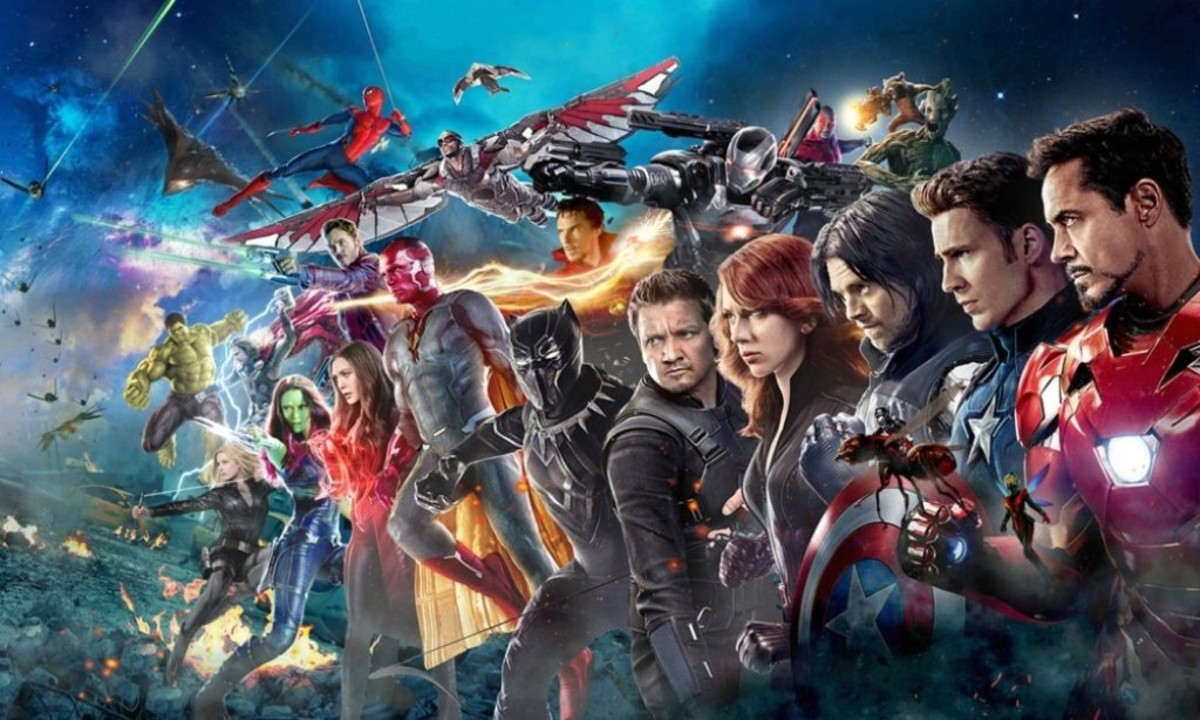
For more than a decade, Marvel Studios has dominated the global box office, reshaped blockbuster storytelling, and created one of the most loyal fan bases in entertainment history. While massive budgets, cutting-edge visual effects, and interconnected storylines often receive the credit, the true secret behind Marvel’s long-term success lies in one essential principle: its unwavering commitment to character.
Marvel’s movies are not just about superheroes saving the world—they are about flawed individuals, emotional journeys, and human struggles wrapped in extraordinary powers. This focus on character development is what sets Marvel apart and keeps audiences invested film after film.
The Foundation of Marvel’s Storytelling
From the beginning, Marvel Studios understood that spectacle alone could not sustain a cinematic universe. Action scenes may attract attention, but characters create emotional connection. Marvel built its universe by introducing characters slowly, allowing audiences to understand who they are before asking them to care about what happens next.
Tony Stark’s arrogance, Steve Rogers’ moral clarity, Thor’s struggle with identity, and Bruce Banner’s inner conflict were established early and consistently reinforced. These characters felt real, despite the fantasy settings. Their personal journeys became the backbone of Marvel’s storytelling strategy.
Heroes With Human Flaws
One of Marvel’s greatest strengths is its refusal to portray heroes as perfect. Instead, Marvel’s characters are deeply flawed, emotionally complex, and constantly evolving. Tony Stark is brilliant but reckless. Thor is powerful but impulsive. Peter Parker is courageous yet insecure.
These flaws make the characters relatable. Audiences see pieces of themselves in Marvel’s heroes—fear, ambition, guilt, grief, and hope. Even when characters face cosmic threats, their emotional struggles remain grounded and familiar.
By focusing on internal conflicts as much as external battles, Marvel ensures that its films resonate beyond their action sequences.
Character Arcs That Span Multiple Films
Marvel’s commitment to character is especially evident in its long-term storytelling. Unlike standalone franchises, the Marvel Cinematic Universe (MCU) allows characters to grow over multiple films and phases. This approach creates deep emotional investment.
Tony Stark’s journey from selfish billionaire to self-sacrificing hero spans more than ten years. Steve Rogers evolves from a skinny kid desperate to do the right thing into a leader willing to challenge authority for moral truth. These arcs feel earned because they unfold gradually, shaped by experience and consequence.
Audiences are not just watching isolated stories—they are witnessing lives unfold.
Emotional Stakes Over Visual Spectacle
Marvel’s action scenes are undeniably impressive, but they are rarely empty displays of destruction. Each major battle is driven by emotional stakes tied directly to character relationships.
In Captain America: Civil War, the conflict is not about ideology alone—it’s about broken friendships, unresolved guilt, and opposing values. In Avengers: Infinity War, the devastation resonates because audiences care deeply about the characters who are lost.
By anchoring spectacle in emotion, Marvel transforms action into meaningful storytelling rather than visual noise.
Villains With Purpose and Personality
Marvel’s focus on character extends to its villains as well. While early criticism suggested Marvel struggled with antagonists, later films proved the studio’s ability to craft memorable villains with clear motivations.
Characters like Loki, Killmonger, Thanos, and Wanda Maximoff are not driven by random evil. Their actions are shaped by loss, trauma, ideology, and belief. Thanos, in particular, stands out as a villain whose twisted logic forces audiences to confront uncomfortable questions.
Well-developed villains elevate heroes by challenging their values and forcing growth.
Consistency Across Directors and Films
One of Marvel’s most impressive achievements is maintaining character consistency across dozens of films and multiple directors. Despite differences in tone and style, characters remain true to their established personalities and values.
This consistency builds trust with audiences. Viewers know that characters will behave in ways that align with who they are, even as they grow and change. Sudden shifts feel earned, not forced.
Marvel’s centralized creative vision ensures that character development remains a priority across the entire cinematic universe.
Representation and Identity
Marvel’s commitment to character also includes meaningful representation. Films like Black Panther, Captain Marvel, and Shang-Chi introduced heroes whose cultural identities are central to their stories, not mere background details.
T’Challa’s leadership struggles are deeply tied to Wakanda’s traditions and responsibilities. Carol Danvers’ journey explores themes of identity, memory, and self-belief. These stories resonate with diverse audiences because they reflect real-world experiences through superhero narratives.
Representation strengthens emotional connection and broadens Marvel’s appeal.
Humor That Reveals Character
Marvel is known for its humor, but its jokes are rarely random. Humor is used as a tool for character development. Tony Stark’s sarcasm masks insecurity. Peter Parker’s awkward jokes reveal nervousness. Thor’s comedic moments highlight his struggle to find belonging.
This character-driven humor enhances relatability and prevents emotional moments from becoming overly heavy. It also makes characters feel distinct, ensuring that each voice remains unique within ensemble films.
Consequences That Shape Growth
A key reason Marvel’s characters feel real is that their actions have consequences. Choices lead to loss, guilt, and transformation. The MCU does not reset its characters after each film.
The destruction of Sokovia leads directly to the events of Civil War. The trauma of Infinity War shapes the tone of Endgame. Characters carry emotional scars, reinforcing continuity and realism.
This cause-and-effect storytelling deepens character investment and narrative credibility.
Why Audiences Keep Coming Back
Marvel’s success is not just about creating hit movies—it’s about building relationships with audiences. Viewers return because they care about the characters, not just the franchise.
Fans celebrate victories, mourn losses, and debate character choices as if discussing real people. This emotional attachment turns casual viewers into lifelong fans.
Marvel understands that people may forget explosions, but they remember how stories made them feel.
Lessons for Modern Filmmaking
Marvel’s commitment to character offers valuable lessons for the film industry. Big budgets and visual effects cannot replace strong storytelling. Audiences crave authenticity, emotional depth, and consistent character development.
By prioritizing character over spectacle, Marvel proves that blockbuster films can be both entertaining and meaningful. This approach has influenced countless franchises, though few have matched Marvel’s execution.
The Future of Marvel and Character-Driven Storytelling
As Marvel continues to expand into new phases and platforms, its greatest challenge will be maintaining this commitment to character. Introducing new heroes requires the same patience, care, and emotional grounding that defined earlier successes.
If Marvel continues to prioritize character journeys over quick spectacle, its stories will remain compelling—even as the universe grows larger and more complex.
Conclusion
Marvel’s movies are winning not because of explosions, budgets, or interconnected timelines, but because of one fundamental principle: commitment to character. By creating heroes and villains with depth, flaws, and emotional journeys, Marvel transforms superhero films into human stories.
This dedication to character builds trust, loyalty, and emotional investment—elements no amount of visual effects can replace. As long as Marvel remembers that every epic battle begins with a personal story, its cinematic universe will continue to thrive.
Read Also: Keep your face towards the sunshine and shadows will fall behind you
Watch Also: https://www.youtube.com/@TravelsofTheWorld24












Leave a Reply