
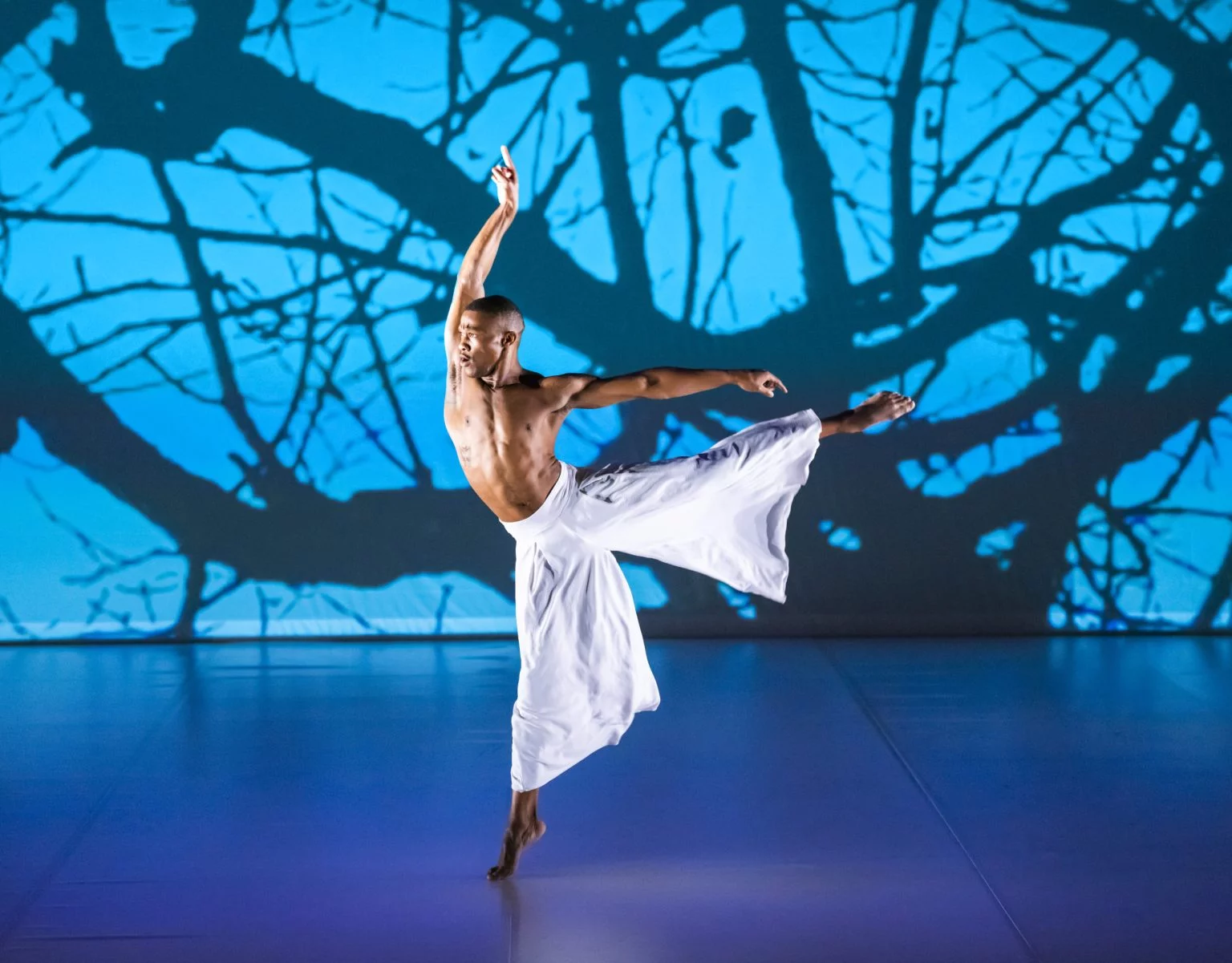
The Art of Movement: Exploring African Dance and Its Artists
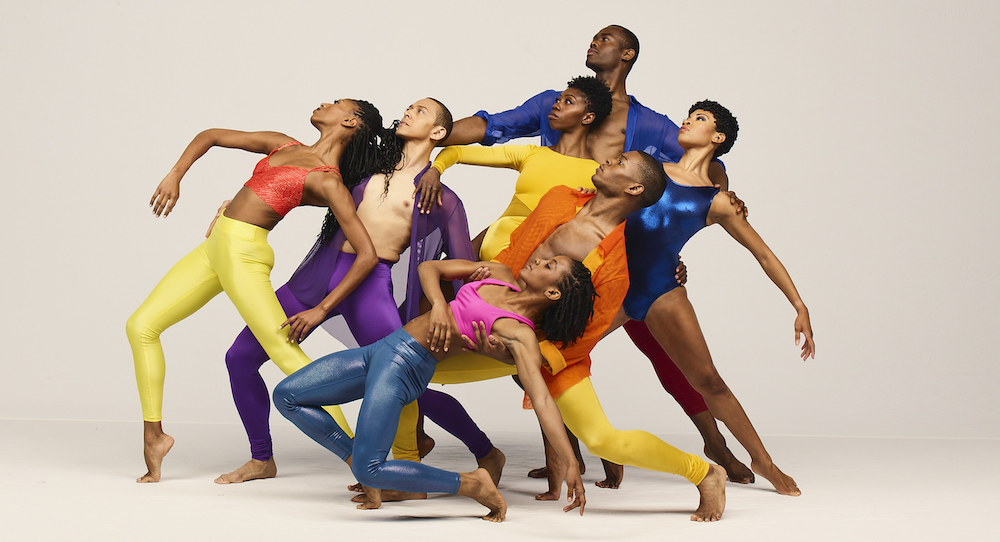
Dance is a cornerstone of African culture, embodying history, community, spirituality, and artistic expression. Across the continent, African dance is more than just movement—it is a language, a ritual, and a form of storytelling that communicates identity, tradition, and emotion. From traditional tribal dances to contemporary African choreography, the art of movement reflects the diversity and vibrancy of African societies. This article explores the rich world of African dance, highlighting its cultural significance, styles, and the artists who bring it to life.
Historical and Cultural Significance of African Dance
African dance is deeply intertwined with the continent’s history and traditions. For centuries, dance has served multiple purposes:
-
Ritualistic and Spiritual Functions: Many African communities use dance as a means of connecting with ancestors, gods, or spirits. Ritual dances are performed during ceremonies such as harvest festivals, initiations, and religious rituals.
-
Storytelling and Oral Tradition: Dance is a powerful tool for passing down stories, folklore, and moral lessons. Movements often mimic natural elements, daily activities, or historical events.
-
Social and Community Functions: Dance strengthens community bonds, celebrating births, weddings, and other life milestones. It encourages participation, unity, and collective identity.
-
Celebration and Entertainment: Music and dance are integral to African celebrations, combining rhythm, movement, and vibrant costumes to create lively spectacles.
African dance is not just a form of entertainment—it embodies cultural values, history, and identity.
Key Characteristics of African Dance
African dance is unique in its approach, emphasizing rhythm, full-body engagement, and expressive movement:
-
Polyrhythmic Movement: Dancers often move multiple body parts simultaneously to different rhythms, creating complex and dynamic patterns.
-
Grounded Movements: African dance frequently emphasizes movements close to the earth, with bent knees, flexed feet, and low stances.
-
Expressive Gestures: Every gesture, facial expression, and motion carries meaning, telling stories and conveying emotions.
-
Improvisation: While some dances are structured, improvisation allows dancers to express individuality and creativity.
-
Integration with Music: Dance and music are inseparable in African traditions. Drumming, singing, and instruments guide movements, timing, and energy.
These elements collectively create dances that are both visually captivating and deeply meaningful.
Popular African Dance Styles
Africa’s diverse cultures have given rise to a multitude of dance styles. Some of the most influential include:
1. Agbekor (Ewe Dance, Ghana)
Agbekor is a traditional war dance of the Ewe people in Ghana, combining vigorous movements with drumming rhythms. Historically performed before and after battles, it symbolizes courage, strength, and community.
2. Gwara Gwara (South Africa)
Popularized globally by contemporary artists, the Gwara Gwara is a playful dance involving rolling motions and exaggerated hip movements. Its energetic style has influenced pop culture, music videos, and modern African dance performances.
3. Kpanlogo (Ghana)
Kpanlogo is a social dance from the Ga people of Ghana. Danced to lively drumming and percussion, it incorporates hip swings, foot stomps, and improvisation, often performed during celebrations.
4. Eskista (Ethiopia)
Eskista focuses on intense shoulder movements combined with torso and head gestures. Traditionally performed to folk music, it emphasizes rhythm, flexibility, and fluidity, representing Ethiopian cultural heritage.
5. Umteyo (South Africa)
Umteyo, or “shake dance,” is characterized by rapid shaking of the hips and lower body. Commonly performed at social events, it showcases energy, rhythm, and playful expression.
6. Sabar (Senegal)
Sabar is a Senegalese dance performed with drums and high-energy steps. It combines athletic movements, jumps, and fast-paced footwork, reflecting celebration, communication, and social bonding.
7. Atilogwu (Nigeria)
Originating from the Igbo people, Atilogwu is an acrobatic dance featuring flips, jumps, and synchronized group movements. It celebrates youthfulness, agility, and communal participation.
8. Makossa (Cameroon)
Makossa blends traditional rhythms with contemporary moves. It is popular in urban dance scenes and often performed to Afrobeat music, highlighting fluid hip movements and rhythmic expression.
9. African Contemporary Dance
Modern African choreographers merge traditional movements with contemporary techniques, creating innovative performances that address social issues, personal expression, and global themes.
African Dance Artists Who Inspire
Several African dancers and choreographers have made significant contributions to the global recognition of African dance:
1. Fela Kuti (Nigeria)
Although primarily known as a musician, Fela Kuti’s Afrobeat performances integrated dance, drumming, and theatrical movement, influencing African dance culture worldwide.
2. Dada Masilo (South Africa)
Dada Masilo is a contemporary choreographer known for blending ballet with traditional South African dance. Her work challenges social norms and reinvents classical narratives through African movement.
3. Germaine Acogny (Senegal)
Germaine Acogny, often called the “mother of contemporary African dance,” combines African traditions with modern dance techniques, training dancers to preserve cultural roots while exploring new expressions.
4. Fatoumata Diawara (Mali)
As a singer and performer, Fatoumata integrates traditional Malian dance with her music, creating performances that celebrate African heritage and contemporary storytelling.
5. Michael “Mikey” Motsepe (South Africa)
Mikey Motsepe is a modern dance innovator known for fusing hip-hop, street dance, and African traditional movements, bringing African dance to global stages.
These artists exemplify how African dance continues to evolve while preserving its cultural essence.
Dance as a Medium of Expression and Identity
African dance serves as a powerful tool for self-expression, cultural preservation, and social commentary:
-
Cultural Identity: Traditional dances maintain rituals, customs, and ancestral knowledge.
-
Social Commentary: Modern choreographers use dance to address political issues, gender roles, and social change.
-
Artistic Expression: Dancers communicate emotions, stories, and artistic vision through body movement.
African dance is both an individual and collective expression, connecting performers with their heritage and the global community.
Global Influence of African Dance
African dance has influenced global dance culture extensively:
-
Afrobeat and Afro-fusion: Popular music and dance styles worldwide draw from African rhythms and movements.
-
Hip-Hop and Street Dance: Elements of African movement, improvisation, and rhythm have shaped hip-hop culture.
-
Contemporary Performance Art: African dance techniques are integrated into modern choreography on international stages.
The global appreciation of African dance underscores its versatility, creativity, and enduring impact.
Learning and Practicing African Dance
Beginners and enthusiasts can approach African dance through:
-
Workshops and Classes: Local dance schools and cultural centers often offer beginner-friendly African dance classes.
-
Online Tutorials: Many African choreographers provide instructional videos for learners worldwide.
-
Cultural Immersion: Attending festivals, performances, and community events helps understand rhythm, movement, and context.
-
Practice and Improvisation: Repetition, creativity, and personal interpretation are key to mastering African dance.
Learning African dance is not only about technique but also about embracing cultural context, rhythm, and emotional expression.
Conclusion
African dance is a celebration of life, culture, and creativity. It encompasses traditional, social, and contemporary forms, each with distinct movements, rhythms, and stories. Through dance, African artists preserve heritage, inspire global audiences, and push artistic boundaries.
Whether through ritualistic dances that honor ancestors, energetic street movements that celebrate youth, or contemporary choreography addressing social issues, African dance continues to evolve while maintaining deep cultural roots. For dancers, enthusiasts, and art lovers, exploring African dance offers a journey into rhythm, expression, and the rich tapestry of the African experience.
The art of movement in Africa is more than just performance—it is identity, storytelling, and connection. By appreciating and participating in African dance, individuals not only learn movement but also engage with a powerful cultural legacy that resonates across the globe.
Read Also: Keep your face towards the sunshine and shadows will fall behind you
Watch Also: https://www.youtube.com/@TravelsofTheWorld24





Leave a Reply