
Dance is a universal language, a form of expression that allows individuals to communicate emotions, stories, and creativity through movement. While there are countless dance styles to explore—from ballet to hip-hop, salsa to contemporary—the key to truly enjoying dance lies in discovering your unique dance style. Finding a style that resonates with your personality, body, and artistic expression can transform your experience from simply learning steps to creating meaningful movement. This guide provides a comprehensive roadmap to help dancers of all levels identify and cultivate their unique dance style.
Understanding Dance Styles
Before exploring your unique style, it is important to understand the broad categories of dance:
-
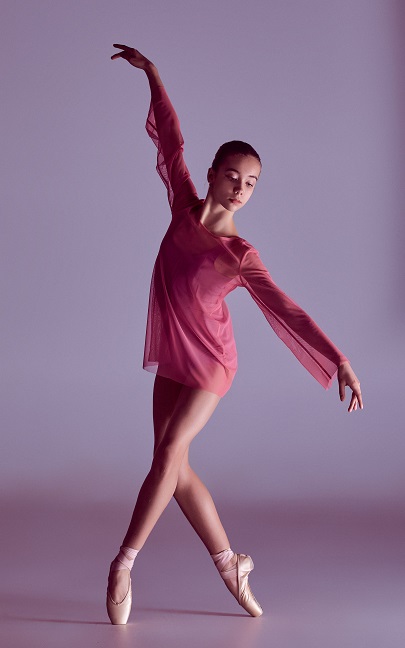
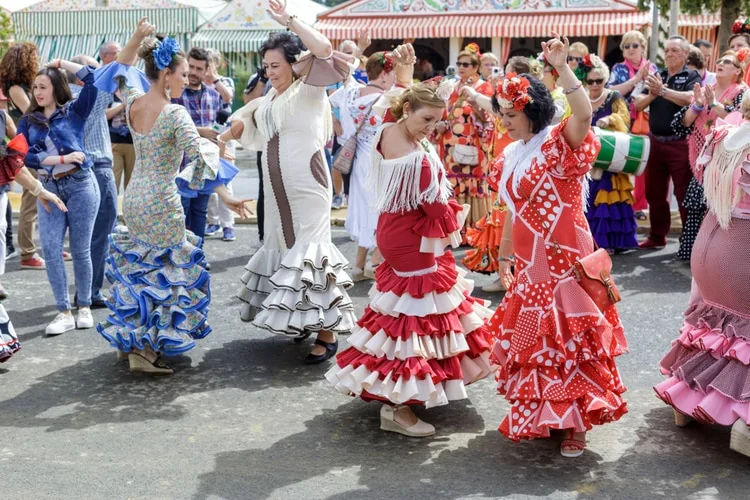
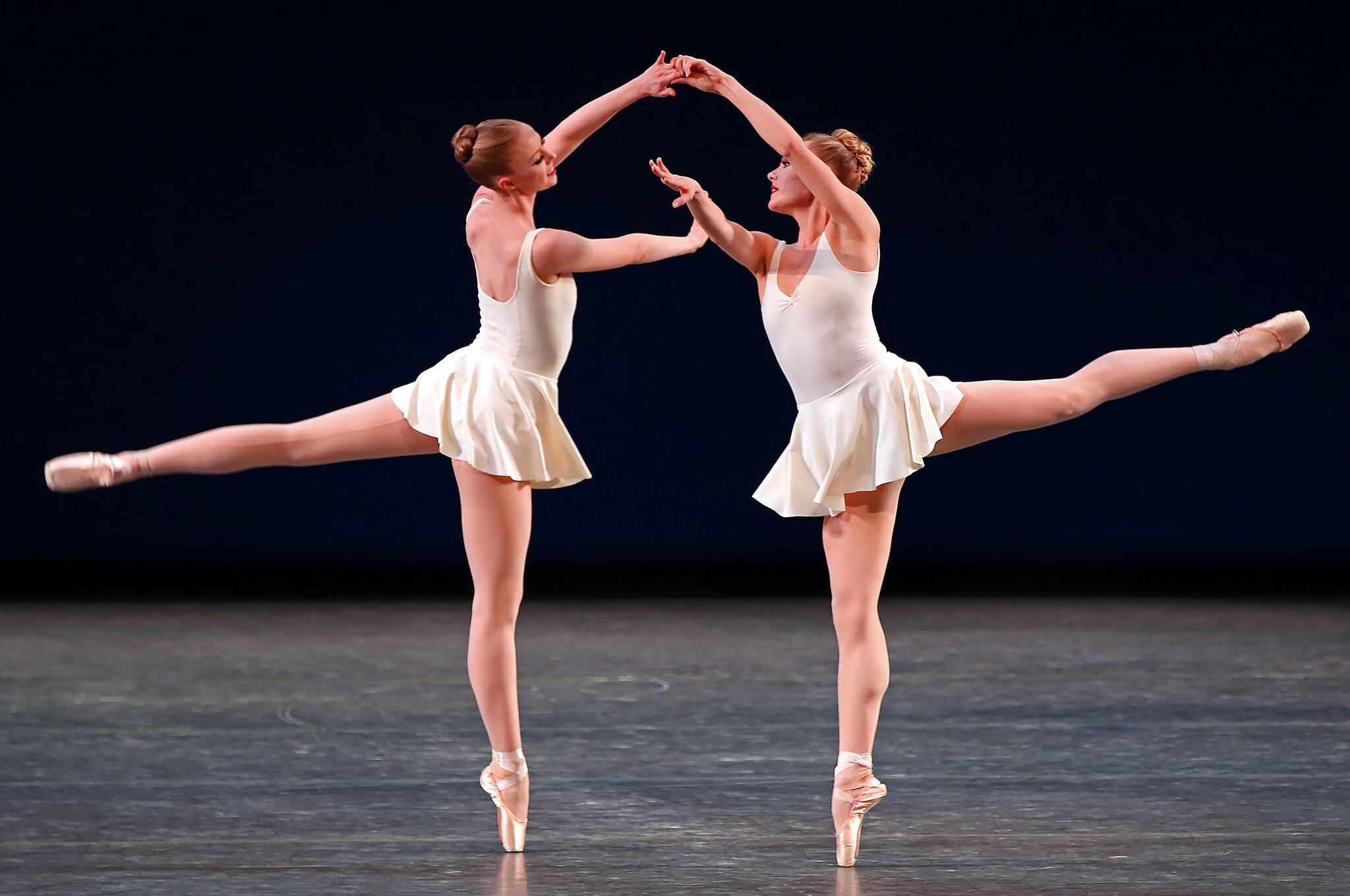
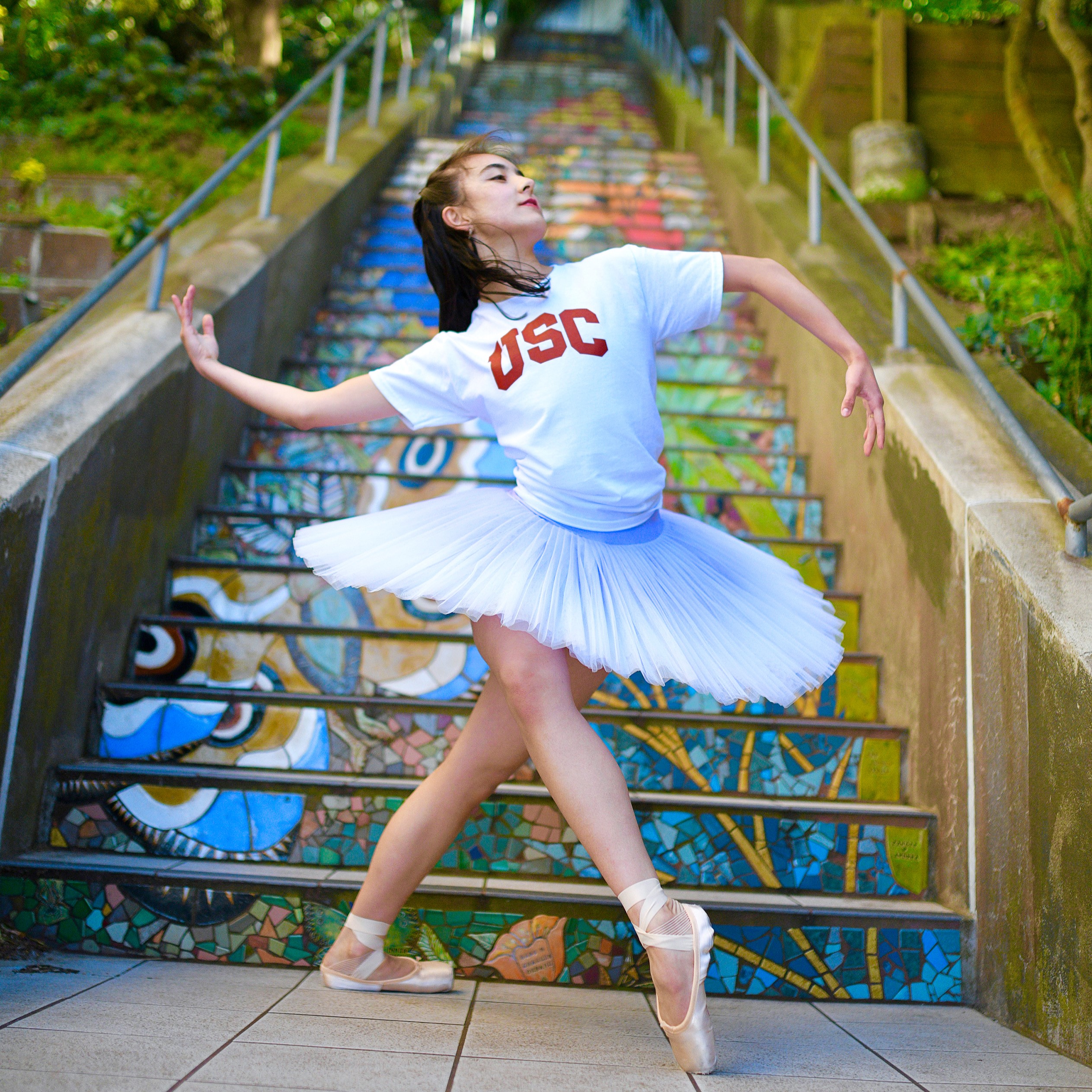
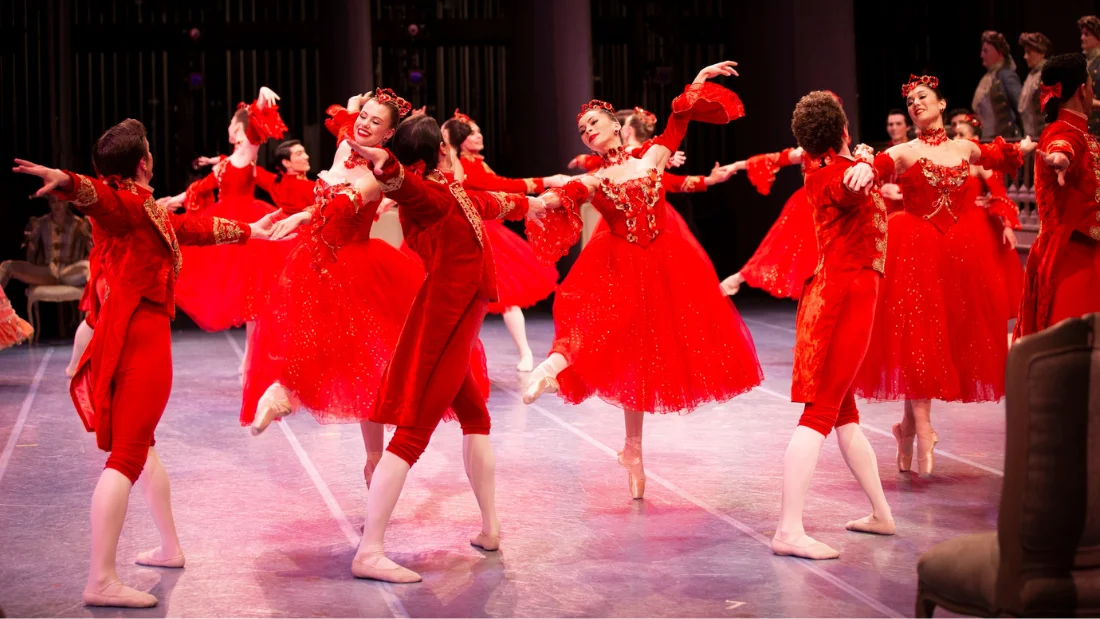
Classical and Traditional Dance: These include styles with long-standing cultural or historical roots, such as ballet, Bharatanatyam, Flamenco, and Kathak. They emphasize technique, discipline, and precision.
-
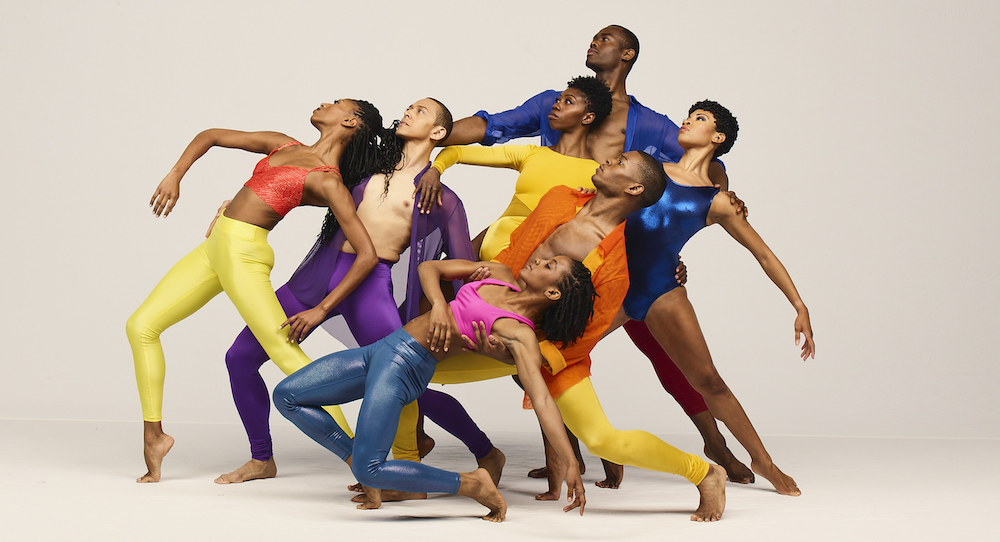
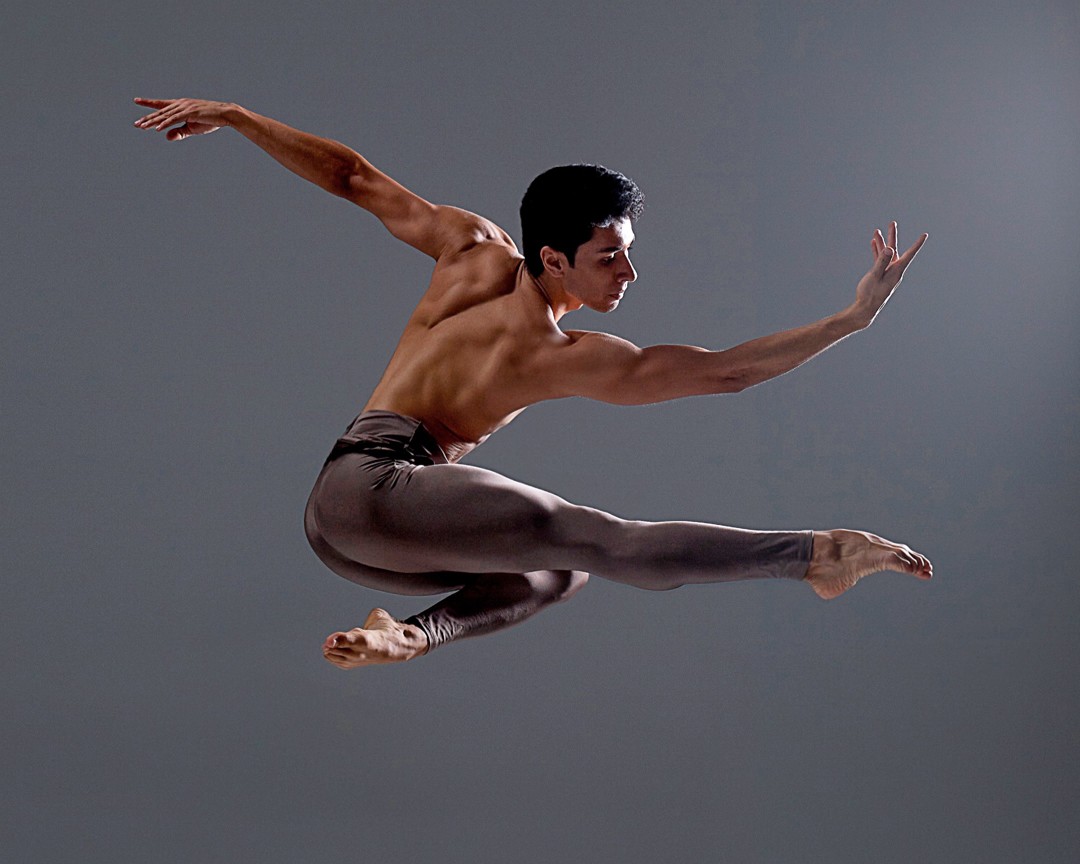
Contemporary and Modern Dance: Contemporary, lyrical, and modern dance allow more freedom of expression. They focus on fluidity, emotional storytelling, and creative interpretation.
-
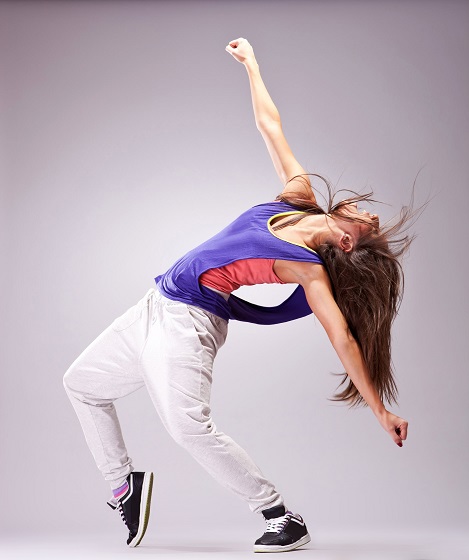
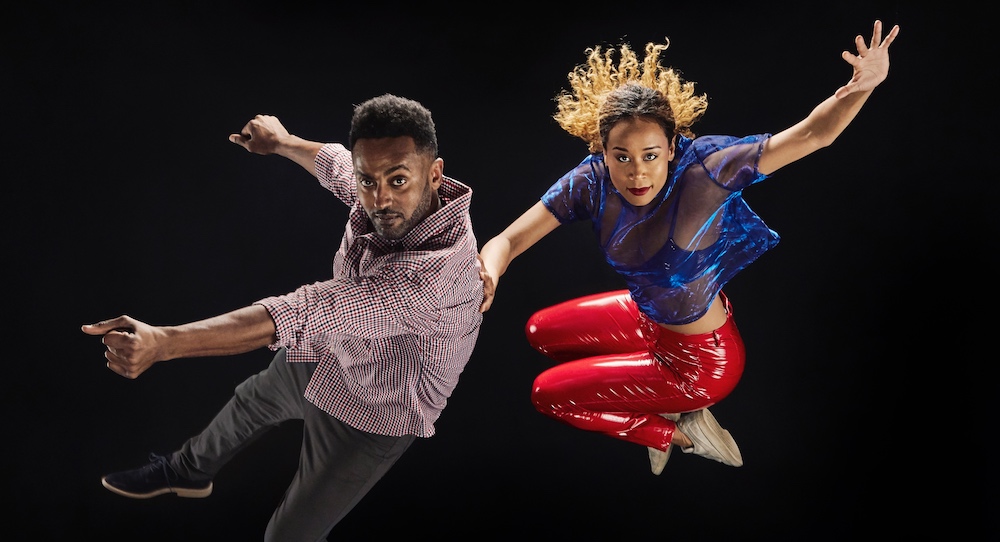
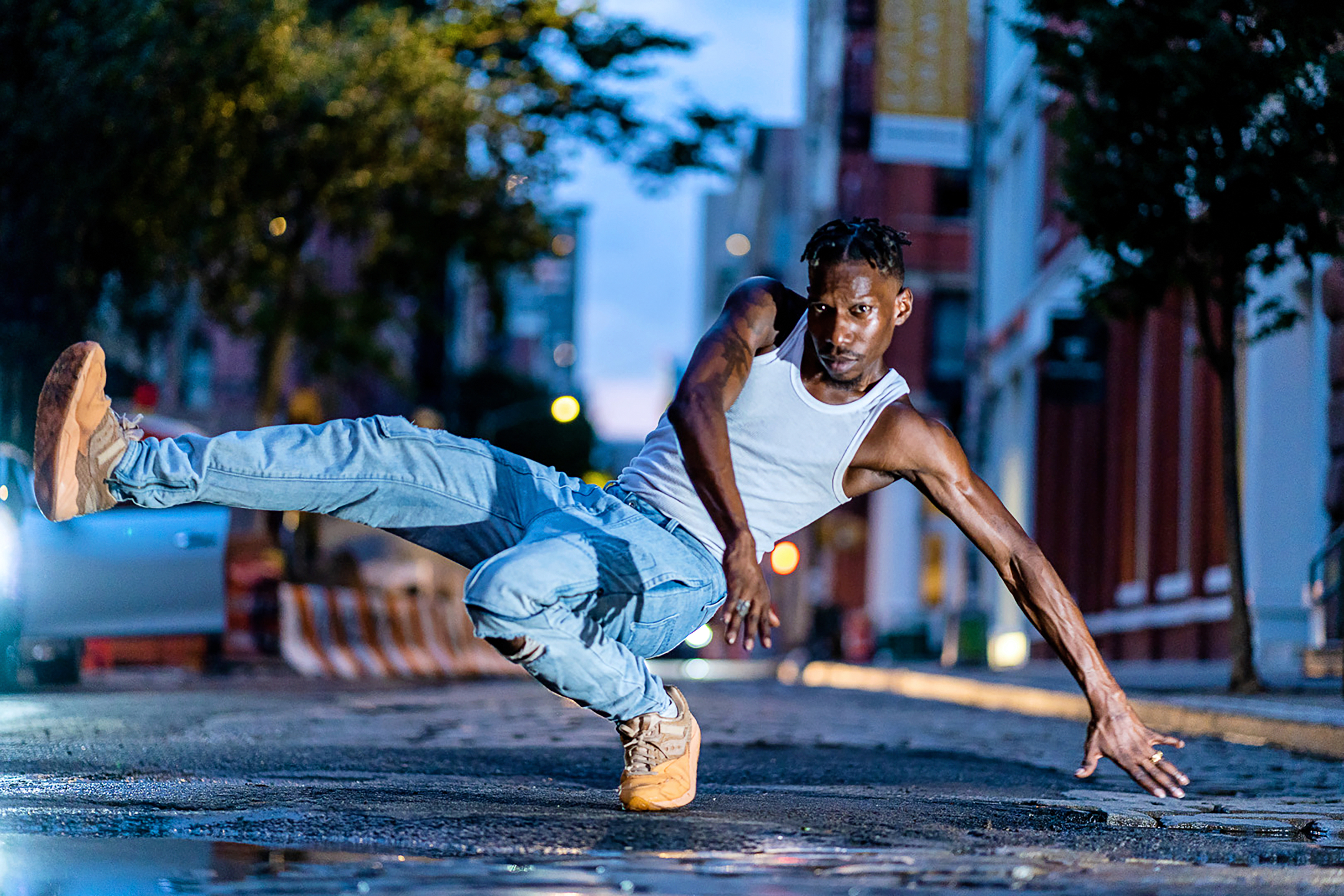
Street and Urban Dance: Hip-hop, breakdance, popping, and locking belong to this category. They are energetic, rhythm-driven, and often freestyle-oriented.
-
Social and Partner Dances: Styles like salsa, tango, waltz, and swing are performed with partners and emphasize connection, rhythm, and coordination.
-
Fusion and Experimental Dance: These include hybrid styles that blend multiple dance forms, creating innovative movements and expressions.
Understanding these categories helps you recognize the types of movements and energy that naturally appeal to you.
Steps to Discover Your Unique Dance Style
1. Explore Different Dance Styles
The first step is exposure. Attend classes, workshops, and online tutorials across multiple styles. Observe how each style makes you feel—do you enjoy the structured discipline of ballet, the emotional flow of contemporary, or the dynamic energy of hip-hop? Experimentation is crucial; trying diverse forms will reveal what resonates with your body and spirit.
2. Identify Your Natural Movement Patterns
Everyone’s body has unique tendencies and strengths. Pay attention to your natural movements:
-
Are you drawn to sharp, percussive motions or fluid, flowing movements?
-
Do you excel in rhythm-based footwork or expressive gestures?
-
Do you prefer structured choreography or improvisational freestyle?
Recognizing your natural tendencies helps narrow down styles that suit your physicality and personality.
3. Analyze Your Musical Preferences
Dance and music are intertwined. The type of music you naturally connect with can guide your style:
-
Fast-paced, rhythmic music may inspire street, hip-hop, or Latin dances.
-
Classical or orchestral music may resonate with ballet or contemporary styles.
-
Cultural or traditional music may connect you to folk or ethnic dances.
Your musical taste often mirrors the energy and rhythm that feel most authentic when dancing.
4. Experiment with Improvisation
Improvisation is a powerful tool for discovering your unique style. Create movements spontaneously to music without predefined steps. Notice which movements feel natural, expressive, and comfortable. Improvisation encourages individuality and helps you understand how your body interprets rhythm, space, and emotion.
5. Combine Elements from Different Styles
Many professional dancers create unique styles by blending elements from multiple forms. For example:
-
A fusion of ballet and hip-hop creates graceful yet dynamic movements.
-
Contemporary and jazz blends emphasize emotional storytelling with sharp footwork.
-
Folk dance elements incorporated into street dance add cultural depth.
Experimenting with fusion allows you to craft a personalized style that reflects your creativity.
6. Focus on Expression and Storytelling
A unique dance style is not just about steps—it’s about expression. Ask yourself:
-
How do I want to feel while dancing?
-
What emotions or stories do I want to convey?
-
How can my movements communicate my individuality?
Developing a style that conveys your personality and emotions makes your dance authentic and compelling.
7. Seek Feedback and Collaboration
Engage with other dancers, instructors, and mentors. Feedback helps identify strengths and areas of uniqueness in your movements. Collaborating with others exposes you to new techniques and perspectives, which can inspire innovation in your style.
8. Document Your Progress
Recording your dance sessions through videos or journals allows you to track your growth, recognize patterns, and observe which movements define your style. Over time, you can refine and enhance these elements to create a cohesive, signature style.
9. Embrace Confidence and Individuality
Your unique style emerges when you embrace your body, movements, and choices without imitation or comparison. Confidence in your expression and willingness to take risks allow your style to evolve organically. Remember, authenticity is the core of uniqueness.
Tips for Cultivating Your Unique Dance Style
-
Practice Regularly: Consistency improves technique and helps internalize your movements.
-
Stay Open to Inspiration: Attend performances, watch dance videos, and immerse yourself in diverse art forms.
-
Experiment with Costumes and Props: Visual elements can enhance the distinctiveness of your style.
-
Engage in Cross-Training: Yoga, martial arts, or acrobatics can expand your movement vocabulary.
-
Record Your Choreography: Developing original choreography solidifies your style and showcases individuality.
Examples of Dancers with Unique Styles
-
Martha Graham: Modern dance pioneer known for expressive contractions and releases.
-
Michael Jackson: Combined pop, jazz, and street dance to create iconic moves like the moonwalk.
-
Misty Copeland: Ballet dancer who incorporates athleticism and personal storytelling into performances.
-
Poppin’ Pete: Hip-hop innovator who fused robotic movements with soulful expression.
These dancers exemplify how blending influences, personal expression, and innovation can result in a distinct and recognizable style.
Overcoming Challenges
Finding your unique style is a journey, not an instant process. Some common challenges include:
-
Fear of Judgment: Many dancers hesitate to express originality due to fear of criticism. Embrace experimentation and view mistakes as learning opportunities.
-
Imitation: It’s natural to be inspired by others, but avoid copying completely. Use inspiration as a stepping stone to create your version.
-
Plateaus in Progress: Continuous learning, cross-training, and feedback help overcome stagnation.
The Benefits of Discovering Your Unique Dance Style
-
Enhanced Creativity: Developing a personal style encourages innovative movement and artistic exploration.
-
Greater Confidence: Authenticity builds self-assurance both on stage and in personal expression.
-
Recognition and Performance Opportunities: A distinct style can set you apart in auditions, competitions, and collaborations.
-
Emotional Fulfillment: Expressing your individuality through movement is deeply satisfying and empowering.
Conclusion
Finding your unique dance style is an exciting and transformative journey. It requires exploration, self-awareness, experimentation, and confidence. By understanding your natural movements, connecting with music, experimenting with improvisation, and blending influences, you can create a dance style that is truly your own.
Remember, a unique style is more than technical skill—it is an expression of your personality, emotions, and creativity. Embrace your individuality, stay open to inspiration, and allow your movements to tell your story. Whether you pursue classical, contemporary, street, or fusion dance, the journey to discovering your signature style will not only improve your technique but also enrich your life with self-expression, confidence, and artistic fulfillment.
Dance is a reflection of who you are. Let your unique style shine, and celebrate the art of moving your body in a way that only you can.
Read Also: Keep your face towards the sunshine and shadows will fall behind you
Watch Also: https://www.youtube.com/@TravelsofTheWorld24





Leave a Reply