
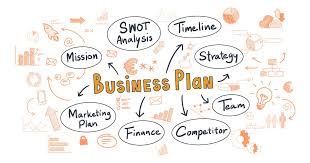
A business plan is one of the most important documents for anyone starting or running a business. It serves as a roadmap that outlines your business goals, strategies, financial projections, and operational plans. Whether you are an entrepreneur seeking funding, a manager planning growth, or a small business owner exploring new opportunities, a well-crafted business plan can make the difference between success and failure.
This article explores what a business plan is, why it is essential, its key components, types, and tips for creating an effective plan. By the end, you will understand how to leverage a business plan to guide your business toward long-term success.
What Is a Business Plan?
A business plan is a written document that describes a business, its objectives, strategies, target market, financial forecasts, and operational approach. It is a formal statement of business goals and the means of achieving them. Essentially, a business plan answers the questions:
-
What is the business about?
-
Who are the target customers?
-
How will the business operate?
-
How will it make money?
-
What are the risks and challenges?
Business plans are valuable not only for securing funding from investors or banks but also for helping entrepreneurs and managers clarify their vision and stay focused.
Why Business Plans Are Important
A business plan offers multiple benefits for businesses of all sizes:
1. Provides Direction
A business plan acts as a roadmap. It outlines clear goals, milestones, and strategies, helping the business stay focused and organized.
2. Helps Secure Funding
Investors, banks, and venture capitalists usually require a detailed business plan before committing money. It demonstrates that the business is well-thought-out and viable.
3. Facilitates Decision-Making
With a business plan, owners and managers can make informed decisions by analyzing market conditions, competition, and financial projections.
4. Reduces Risks
Business planning helps identify potential challenges, risks, and opportunities, allowing proactive measures to mitigate problems.
5. Monitors Progress
By comparing actual performance with the projections in the business plan, businesses can measure progress and adjust strategies as needed.
Key Components of a Business Plan
A comprehensive business plan typically includes the following sections:
1. Executive Summary
This is a brief overview of the business plan. It highlights the business idea, goals, products or services, market opportunities, and financial summary. The executive summary should be compelling because it is often the first section investors read.
2. Business Description
This section explains the business concept in detail. It includes the mission, vision, values, business model, and the type of business (sole proprietorship, partnership, corporation, etc.).
3. Market Analysis
Market analysis involves research on the industry, target customers, market size, trends, and competitors. It helps demonstrate that the business understands its environment and can position itself effectively.
4. Organization and Management
This section outlines the business’s organizational structure and introduces the management team. It includes details about roles, responsibilities, and expertise of key personnel.
5. Products or Services
Here, you describe your products or services, highlighting features, benefits, pricing strategy, and how they meet customer needs. Unique selling propositions (USPs) should be emphasized.
6. Marketing and Sales Strategy
This section explains how the business plans to attract and retain customers. It includes marketing channels, pricing strategies, promotional activities, and sales tactics.
7. Operational Plan
The operational plan details day-to-day business operations. It covers production processes, location, facilities, technology, supply chain, and staffing requirements.
8. Financial Plan
The financial plan includes projections for income, expenses, cash flow, and profitability. It may also include balance sheets, break-even analysis, and funding requirements.
9. Risk Analysis
Identifying potential risks—such as competition, market fluctuations, and regulatory changes—and explaining mitigation strategies is crucial to demonstrate preparedness.
10. Appendices
Optional sections may include supporting documents like resumes, contracts, legal agreements, product images, or research data.
Types of Business Plans
Business plans can vary depending on purpose, audience, and format. Some common types include:
1. Traditional Business Plan
A detailed, comprehensive plan often used for securing funding from investors or banks. It includes all sections and may be 20–50 pages long.
2. Lean Business Plan
A concise version focusing on key elements like value proposition, target customers, and revenue model. It is ideal for startups or internal planning.
3. Internal Business Plan
Used for internal purposes, such as guiding management and employees. It emphasizes operational plans, milestones, and performance metrics.
4. Strategic Business Plan
Focuses on long-term goals, growth strategies, and market positioning. It helps businesses make strategic decisions and prioritize resources.
5. Startup Business Plan
Designed for new businesses, it emphasizes market research, funding requirements, and growth potential. It often appeals to investors and incubators.
Tips for Creating an Effective Business Plan
1. Be Clear and Concise
Avoid jargon and overly complex language. A clear plan is easier to read and understand.
2. Research Thoroughly
Use accurate data and market research to support claims. Demonstrating knowledge of the market and competition increases credibility.
3. Focus on Goals and Strategy
Highlight how your business will achieve objectives and differentiate itself from competitors.
4. Include Realistic Financial Projections
Overly optimistic projections can undermine credibility. Use reasonable assumptions and explain them clearly.
5. Update Regularly
A business plan is a living document. Update it as your business grows, market conditions change, or new opportunities arise.
6. Use Visuals
Charts, graphs, and diagrams can make complex information easier to understand and more engaging.
7. Tailor to Your Audience
Adapt the plan for investors, lenders, or internal stakeholders. Emphasize sections relevant to the audience’s interests.
Common Mistakes to Avoid
While creating a business plan, entrepreneurs often make mistakes such as:
-
Lack of research or market analysis
-
Overly optimistic financial forecasts
-
Ignoring risks and contingency planning
-
Being too vague about goals or strategies
-
Neglecting the executive summary
-
Failing to update the plan regularly
Avoiding these mistakes can improve the plan’s effectiveness and credibility.
Business Plans and Funding
One of the most common purposes of a business plan is to secure funding. Investors and lenders look for:
-
A clear understanding of the market and target audience
-
A unique value proposition
-
Realistic financial forecasts
-
A capable management team
-
A roadmap for growth and profitability
A strong business plan builds confidence and increases the likelihood of obtaining funding.
Business Plans as Strategic Tools
Beyond funding, business plans serve as strategic tools to:
-
Align the team with the company’s vision and goals
-
Identify opportunities for growth and innovation
-
Track performance and measure success
-
Facilitate decision-making and resource allocation
In this way, a business plan is not just a document—it is an ongoing management tool that guides the business.
Conclusion
A business plan is a cornerstone of business success. It provides direction, attracts funding, guides decision-making, and mitigates risks. By including clear objectives, market analysis, operational plans, and financial projections, entrepreneurs and business managers can navigate the challenges of business with confidence.
Whether you are starting a new venture, expanding an existing business, or seeking investors, a well-prepared business plan increases your chances of success. Remember, a business plan is not static—it should evolve as your business grows and market conditions change. With the right planning, research, and execution, a business plan can become your roadmap to achieving both short-term goals and long-term aspirations.
Read Also: Keep your face towards the sunshine and shadows will fall behind you
Watch Also: https://www.youtube.com/@TravelsofTheWorld24














Leave a Reply