
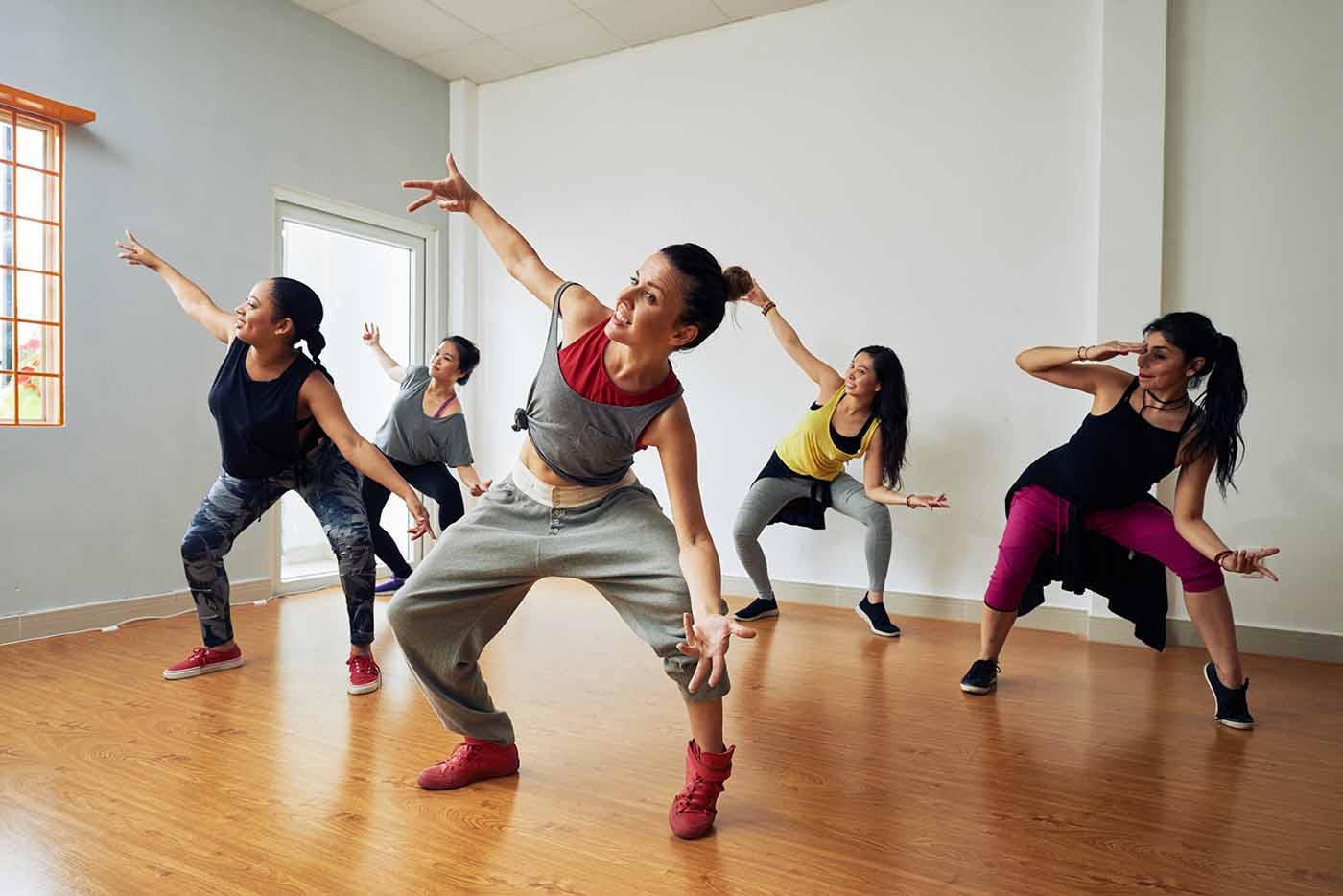
Hip-Hop Meets Jazz: Everything You Need to Know About This Dynamic Dance Style
Dance has always been a powerful form of expression, reflecting culture, emotion, and personal creativity. Among the many styles that have captivated audiences worldwide, Hip-Hop/Jazz dance stands out for its energy, rhythm, and versatility. Combining the street-inspired movements of hip-hop with the technical precision of jazz, this fusion style offers dancers an exciting and dynamic way to showcase their talent. Whether you’re a beginner or an experienced dancer, understanding the roots, techniques, and culture of Hip-Hop/Jazz dance is essential for fully appreciating this expressive art form.
Origins of Hip-Hop and Jazz Dance
To truly understand Hip-Hop/Jazz dance, it is important to look at the origins of its two foundational styles.
Jazz Dance
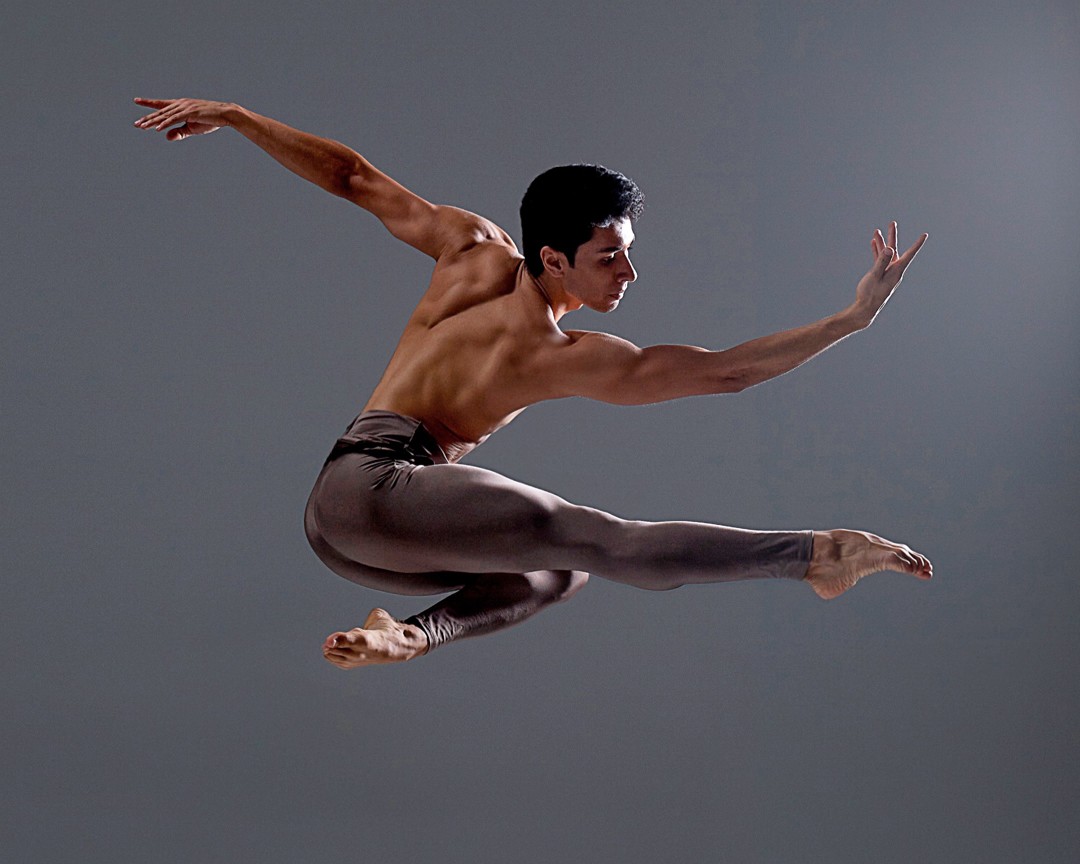
Jazz dance traces its roots back to African American communities in the early 20th century. It evolved alongside jazz music, incorporating improvisation, rhythmic movements, and expressive storytelling. Jazz dance was originally performed in clubs, theaters, and on Broadway stages, blending African rhythms with European dance forms. Over time, it became more technical and structured, incorporating turns, leaps, and isolations, making it a popular choice for both stage performances and film choreography.
Hip-Hop Dance
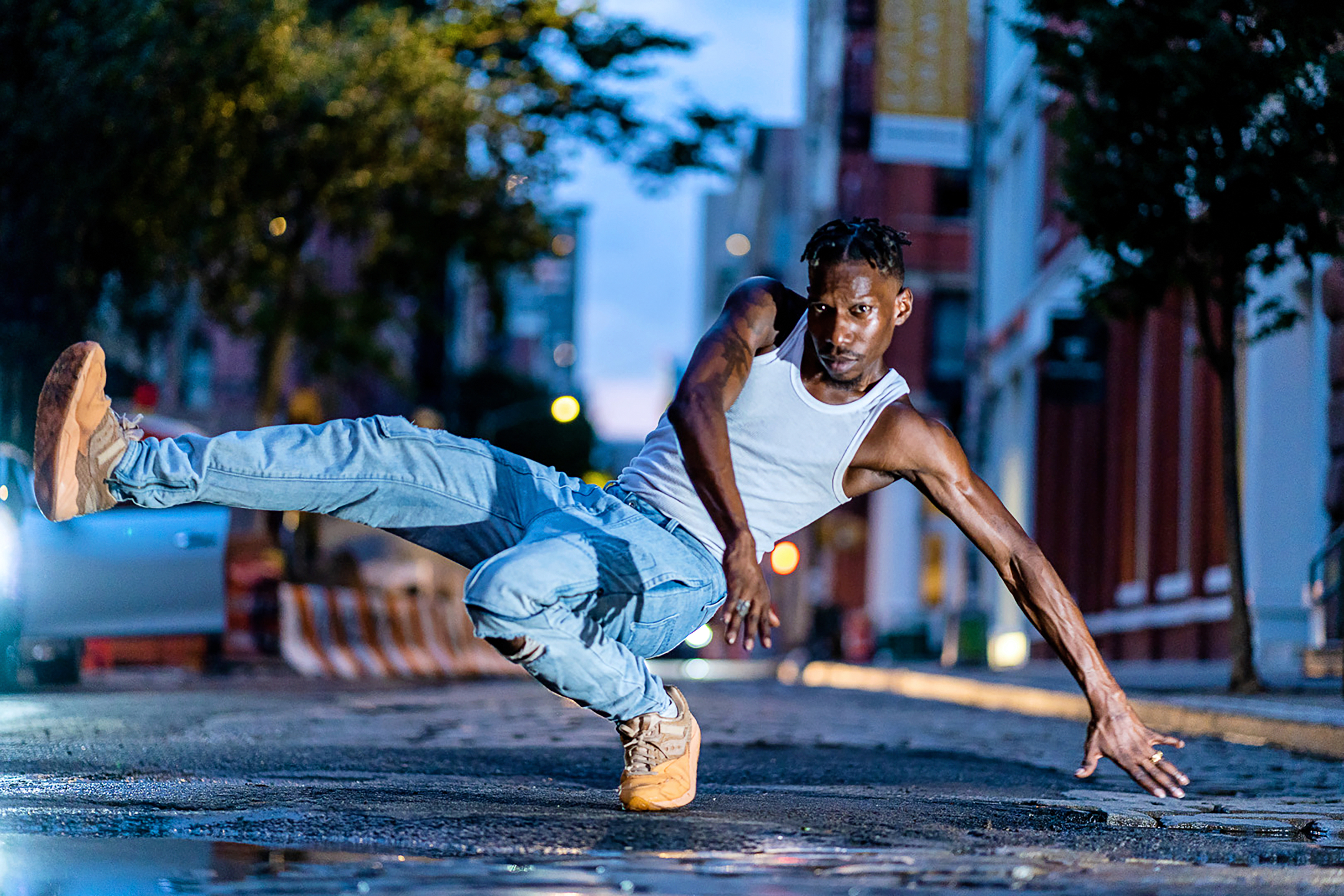
Hip-hop dance originated in the 1970s in New York City’s Bronx borough. It emerged as a street dance form tied to hip-hop culture, which includes music, graffiti, DJing, and rapping. Hip-hop dance emphasizes rhythm, individuality, and social expression. It includes styles like breaking (breakdancing), popping, locking, and house dance. Unlike jazz, hip-hop often focuses less on formal technique and more on creativity, musicality, and personal style.
Fusion of Hip-Hop and Jazz
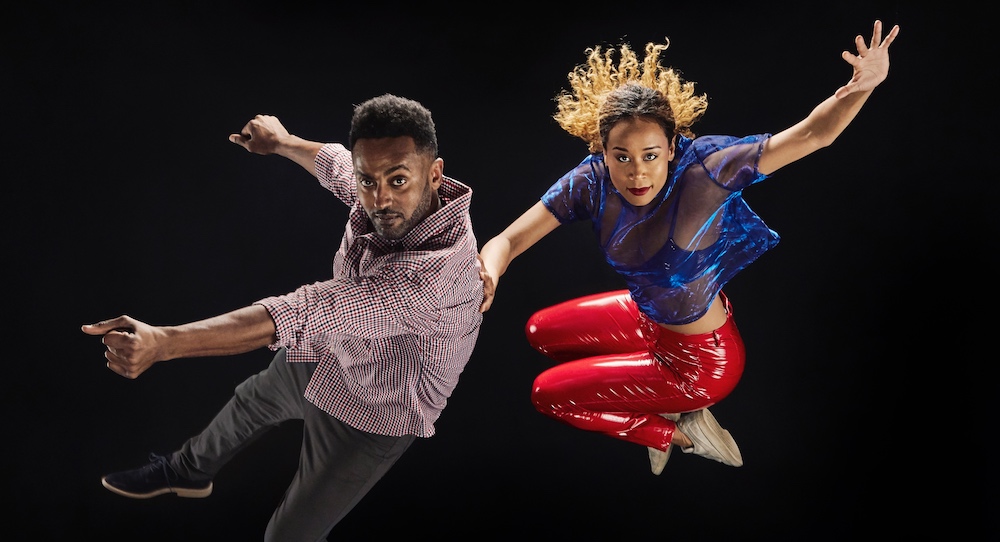
The fusion of hip-hop and jazz began to gain popularity in the late 20th century as choreographers sought to blend the technical sophistication of jazz with the raw energy of hip-hop. By combining fluid jazz movements, isolations, and stylized lines with sharp hip-hop grooves, turns, and body rolls, dancers could express emotion while staying true to contemporary music and street culture. This fusion not only bridges generations but also appeals to a wide audience, making it a staple in music videos, stage shows, and dance competitions.
Characteristics of Hip-Hop/Jazz Dance
Hip-Hop/Jazz dance is defined by several key elements:
-
Versatility – Dancers often switch between jazz and hip-hop movements within the same routine, allowing for creative freedom and adaptability to different music genres.
-
Musicality – The ability to interpret music through movement is crucial. Jazz emphasizes melodic phrasing, while hip-hop focuses on rhythm and beats.
-
Isolations – Jazz dance introduces precise isolations of body parts (head, shoulders, hips), while hip-hop uses popping and locking techniques for dynamic effect.
-
Expressive Movement – Emotional storytelling is central, combining jazz’s theatricality with hip-hop’s attitude and personality.
-
Energy and Athleticism – High-energy footwork, leaps, spins, and body control are essential in both styles, demanding strength, flexibility, and stamina.
Techniques and Moves
Hip-Hop/Jazz dance borrows techniques from both worlds, creating a unique movement vocabulary.
Jazz Techniques
-
Turns and Spins – Pirouettes and chainé turns are commonly incorporated to show control and elegance.
-
Leaps and Jumps – Jazz emphasizes powerful jumps such as grand jetés, split leaps, and sautés.
-
Body Isolation – Isolating shoulders, ribcage, and hips adds style and dimension to movements.
-
Floor Work – Smooth floor transitions are often used to connect sequences.
Hip-Hop Techniques
-
Popping and Locking – Quick contractions and freezes in rhythm with the music.
-
Body Waves and Rolls – Fluid wave-like movements across the body.
-
Footwork – Complex steps, slides, and shuffles that match hip-hop beats.
-
Freestyle – Improvisation is encouraged, letting dancers express individuality.
Combination Moves
In fusion routines, choreographers often combine jazz leaps with hip-hop isolations or add popping sequences to classical jazz turns. For instance, a dancer might execute a jazz pirouette followed by a hip-hop chest pop, creating a visually striking contrast. This combination allows for creative transitions and showcases both technical skill and artistic flair.
Music in Hip-Hop/Jazz Dance
Music selection plays a crucial role in Hip-Hop/Jazz dance. Unlike traditional jazz dance that usually relies on classical or big band music, fusion dance thrives on contemporary beats, pop, R&B, or hip-hop tracks. Choreographers carefully analyze rhythm, accents, and lyrical content to match movements with musical expression. The choice of music not only influences the style of choreography but also affects the dancer’s energy, timing, and emotional connection to the performance.
Benefits of Hip-Hop/Jazz Dance
Engaging in Hip-Hop/Jazz dance offers multiple physical, mental, and social benefits:
Physical Benefits
-
Improved Strength and Stamina – High-energy routines strengthen muscles and improve cardiovascular health.
-
Flexibility and Balance – Jazz stretches and hip-hop isolations enhance overall flexibility and body control.
-
Coordination and Rhythm – Synchronizing movements with music improves motor skills and timing.
Mental Benefits
-
Stress Relief – Dancing allows for emotional expression and reduces stress.
-
Cognitive Function – Learning choreography enhances memory, focus, and problem-solving skills.
-
Confidence Building – Performing routines in front of audiences boosts self-esteem.
Social Benefits
-
Community Engagement – Dance classes and workshops provide opportunities to meet like-minded individuals.
-
Cultural Appreciation – Understanding the history of jazz and hip-hop fosters respect for different artistic traditions.
-
Teamwork and Collaboration – Group performances teach collaboration and communication skills.
Famous Hip-Hop/Jazz Dancers
Several dancers and choreographers have contributed significantly to the popularity of Hip-Hop/Jazz dance:
-
Mia Michaels – Known for blending contemporary, jazz, and hip-hop elements in emotionally charged routines on shows like So You Think You Can Dance.
-
Twitch (Stephen Boss) – A hip-hop dancer and choreographer celebrated for his innovative fusion of styles.
-
Savion Glover – While primarily a tap dancer, his rhythmic innovations influenced jazz and hip-hop fusion techniques.
-
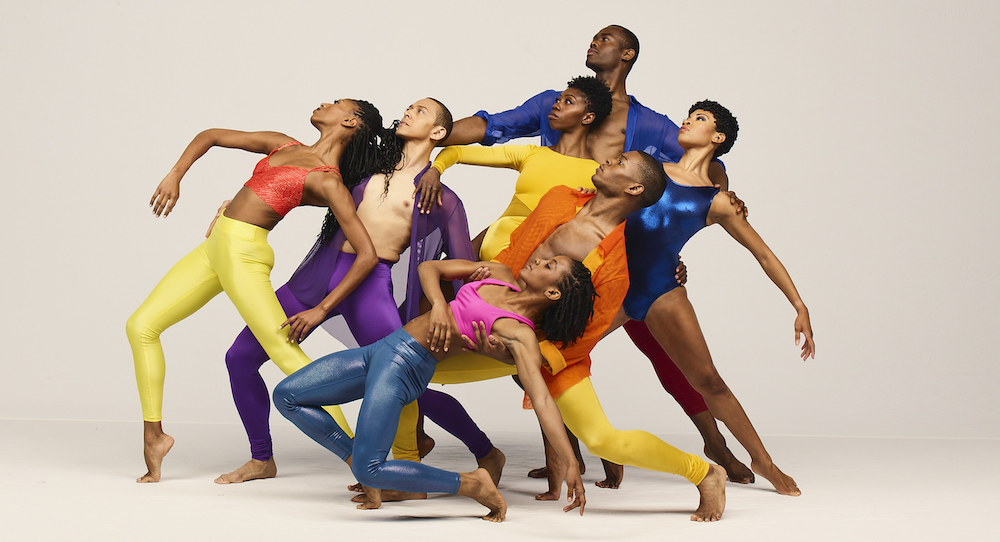
Alvin Ailey Dance Company – Famous for contemporary and jazz performances that often incorporate street-inspired movements, bridging the gap between classical and modern forms.
How to Learn Hip-Hop/Jazz Dance
If you are interested in learning Hip-Hop/Jazz dance, here are some tips to get started:
Start with Basics
-
Learn fundamental jazz steps like pliés, isolations, and leaps.
-
Practice basic hip-hop moves such as popping, locking, and footwork.
-
Focus on rhythm and musicality before attempting complex routines.
Take Classes
-
Join a local dance studio or enroll in online tutorials specifically for fusion dance.
-
Attend workshops led by professional choreographers to learn advanced techniques and improvisation.
Practice Regularly
-
Dedicate time for daily practice to build stamina, strength, and muscle memory.
-
Record your performances to track progress and refine movements.
Express Yourself
-
Hip-Hop/Jazz dance is not just about technique; it’s about personality and storytelling.
-
Add your own style, facial expressions, and improvisations to make routines unique.
Stay Inspired
-
Watch performances from dance competitions, music videos, and Broadway shows.
-
Follow professional dancers on social media to learn new moves and stay motivated.
Hip-Hop/Jazz Dance in Pop Culture
Hip-Hop/Jazz dance has become a dominant force in pop culture, influencing music videos, television shows, and films. Shows like So You Think You Can Dance and America’s Best Dance Crew have showcased fusion routines, bringing this dynamic style to mainstream audiences. Additionally, artists like Beyoncé, Janet Jackson, and Bruno Mars have incorporated Hip-Hop/Jazz choreography in live performances, further popularizing the style worldwide.
Challenges in Hip-Hop/Jazz Dance
Despite its appeal, mastering Hip-Hop/Jazz dance comes with challenges:
-
Physical Demands – The combination of high-energy hip-hop moves and technical jazz elements requires significant strength and flexibility.
-
Coordination – Switching between two distinct styles in a single routine can be difficult.
-
Consistency – Maintaining rhythm and precision while expressing individuality requires practice and focus.
-
Injury Risk – Incorrect technique or overexertion can lead to injuries, so proper warm-ups and conditioning are essential.
Conclusion
Hip-Hop/Jazz dance is more than just a combination of two dance styles—it is a celebration of creativity, rhythm, and personal expression. Its fusion of jazz’s technical elegance with hip-hop’s raw energy provides dancers with endless opportunities to experiment, innovate, and tell stories through movement. Whether you aspire to perform on stage, in music videos, or simply enjoy it as a form of exercise and self-expression, understanding the history, techniques, and culture behind Hip-Hop/Jazz dance is key to fully appreciating this versatile art form. With dedication, practice, and passion, anyone can harness the power of this dynamic dance style and express themselves in ways words alone cannot capture.
Read Also: Keep your face towards the sunshine and shadows will fall behind you
Watch Also: https://www.youtube.com/@TravelsofTheWorld24





Leave a Reply