
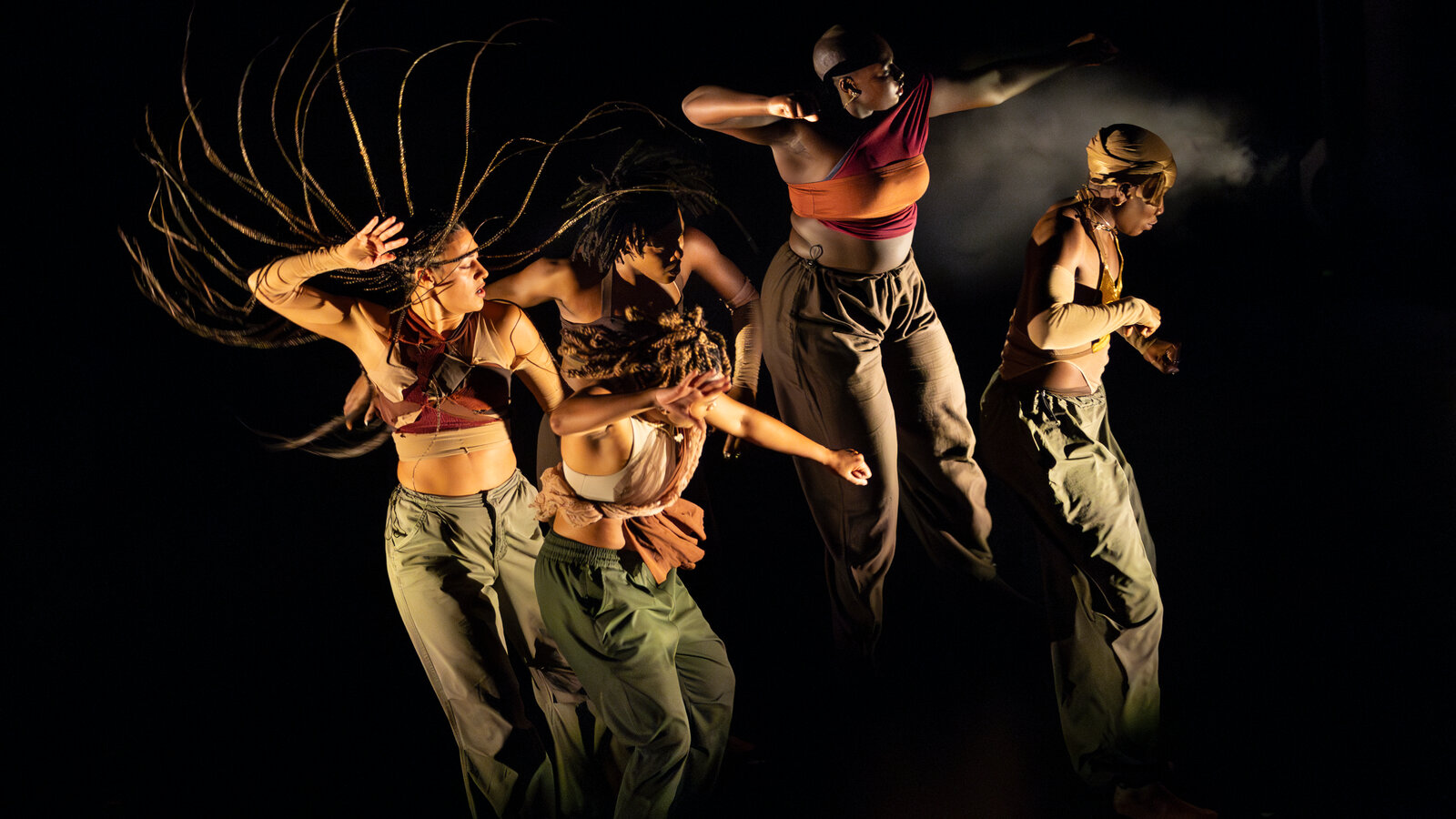
Hip-hop dance has grown from its roots in urban street culture to become a global phenomenon, influencing music, fashion, and performing arts. Traditionally associated with street battles, freestyle sessions, and social expression, hip-hop is now finding its way onto concert stages, theatrical productions, and professional performances. This transition from street corners to formal venues has not only elevated hip-hop as a respected art form but also highlighted its versatility, creativity, and cultural significance.
In this article, we explore the diversity of hip-hop dance styles, strategies for adapting them to the concert stage, and the benefits of showcasing hip-hop in a theatrical context.
The Roots and Evolution of Hip-Hop Dance
Hip-hop dance emerged in the 1970s in the Bronx, New York City, alongside the rise of hip-hop music, DJing, and graffiti art. It was initially a form of self-expression and community storytelling, where young people used rhythm and movement to convey identity, emotions, and social messages. Early pioneers developed foundational styles such as breaking (breakdancing), popping, locking, and later, krumping.
Over the decades, hip-hop has evolved into a diverse ecosystem of styles, techniques, and fusion genres. Dancers now blend traditional street moves with jazz, contemporary, and theatrical elements, creating innovative choreographies suitable for the concert stage.
Key Hip-Hop Dance Styles
Understanding the variety within hip-hop is essential for bringing it effectively to a concert performance. Some of the major styles include:
1. Breaking
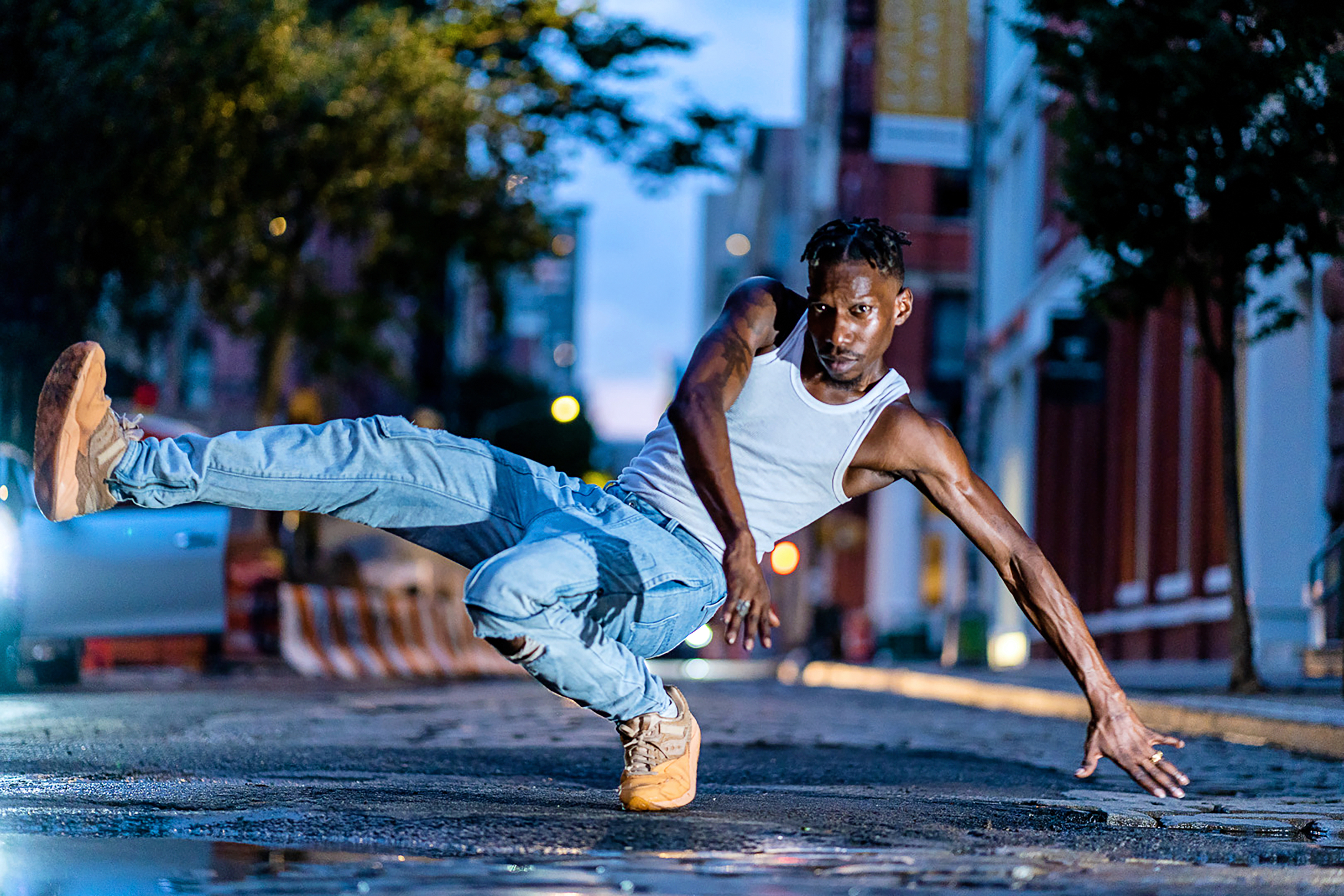
Breaking, also known as breakdancing, is a dynamic and acrobatic style emphasizing floorwork, spins, freezes, and power moves. Breaking requires strength, agility, and rhythm. On stage, breaking can be showcased as solo or group performances, often emphasizing athleticism and visual spectacle.
2. Popping
Popping involves contracting and relaxing muscles to create a “pop” or jerking effect in time with music. It includes sub-styles such as waving, tutting, and animation. Popping works well on stage due to its precision, sharp lines, and visual clarity.
3. Locking
Locking is characterized by sudden pauses or “locks” in movement, accompanied by playful gestures and exaggerated expressions. This style adds humor, energy, and character to stage performances.
4. Krumping
Krumping is an expressive, freestyle style that emerged as an emotional outlet. It features aggressive, rapid movements, chest pops, and stomps. On stage, krumping conveys raw energy and intensity, engaging audiences through powerful physical storytelling.
5. House Dance
House dance focuses on intricate footwork, fluid movements, and rhythmic interpretation of house music. It combines agility, musicality, and improvisation, making it suitable for both solos and group formations on stage.
6. Hip-Hop Fusion
Hip-hop fusion blends traditional street styles with elements from jazz, contemporary, ballet, or even Latin dance. This approach allows choreographers to adapt hip-hop to theatrical contexts, maintaining its roots while creating visually captivating narratives.
Challenges of Bringing Hip-Hop to the Concert Stage
Transitioning hip-hop from street or club environments to a concert stage presents unique challenges:
1. Maintaining Authenticity
Hip-hop has a rich cultural history and deep roots in community expression. Choreographers must ensure that performances respect its origins while adapting to stage conventions.
2. Technical Adaptation
Some street movements, like floorwork in breaking or spontaneous freestyling, may need modification for visibility, safety, and synchronization in a theater setting. Dancers must adjust formations, timing, and spacing to suit stage dimensions.
3. Audience Expectations
Concert audiences may not be familiar with hip-hop’s diverse vocabulary. Choreographers often need to balance authenticity with audience engagement, ensuring movements are both technically impressive and visually comprehensible.
4. Integration with Other Styles
In theatrical productions, hip-hop often intersects with contemporary, jazz, or ballet styles. Integrating multiple dance forms requires careful attention to musicality, dynamics, and transitions to create a seamless performance.
Strategies for Presenting Diverse Hip-Hop on Stage
1. Highlighting Individual Styles
A concert program can dedicate specific sections to different hip-hop styles. For example, a solo breaking performance can showcase athleticism, followed by a popping or locking ensemble number emphasizing precision and rhythm. This approach educates audiences about the range of hip-hop while maintaining engagement.
2. Using Storytelling
Hip-hop on stage can convey narratives, themes, or social commentary. Choreography that tells a story or explores emotions resonates with audiences and elevates hip-hop beyond spectacle into art with meaning.
3. Incorporating Visual and Technical Elements
Stage lighting, projections, and costumes enhance hip-hop performances. Strategic lighting emphasizes key movements, while costumes can reflect character, theme, or cultural elements. Technical effects, such as fog machines or multimedia backdrops, can amplify energy and impact.
4. Emphasizing Musicality
Hip-hop choreography relies on musical interpretation, rhythm, and timing. On stage, careful synchronization with live or recorded music ensures clarity, energy, and audience engagement. Choreographers may also experiment with tempo changes, beat drops, or musical breaks to create dramatic effect.
5. Training for Stage Performance
Hip-hop dancers transitioning to the stage benefit from additional training in projection, spatial awareness, and endurance. Stage techniques such as exaggerated movements, facial expression, and group formations ensure visibility and impact for all audience members.
6. Collaboration with Other Dance Forms
Collaborating with contemporary, jazz, or classical dancers can enrich hip-hop performances. Fusion choreography highlights versatility, explores new movement vocabularies, and attracts broader audiences.
Benefits of Showcasing Hip-Hop on the Concert Stage
1. Cultural Recognition
Bringing hip-hop to concert stages highlights its legitimacy as an art form. It educates audiences about its origins, diversity, and creative potential.
2. Artistic Innovation
Stage adaptation encourages experimentation and innovation, pushing choreographers and dancers to develop new techniques and fusion styles.
3. Audience Engagement
Concert audiences experience hip-hop in a fresh context, appreciating its athleticism, musicality, and emotional depth. Live performances allow for visual storytelling and dramatic staging that enhances audience connection.
4. Professional Development
Performing on stage elevates dancers’ skills, including timing, ensemble work, and presentation. Stage experience also opens opportunities for collaborations, competitions, and professional recognition.
5. Bridging Communities
Stage hip-hop connects street culture with mainstream performing arts. It fosters dialogue between artists, audiences, and communities, emphasizing the art form’s social and cultural relevance.
Examples of Hip-Hop on the Concert Stage
Several productions and companies have successfully brought hip-hop to theaters and concert halls:
-
“So You Think You Can Dance” – Television programs showcase diverse hip-hop styles in choreographed performances.
-
Hip-hop dance companies – Groups such as the JabbaWockeeZ and Mos Wanted Crew have presented large-scale theatrical productions.
-
Collaborative productions – Contemporary dance companies often incorporate hip-hop sections into repertory programs.
-
Cultural showcases – Festivals and events highlight regional or fusion hip-hop styles, connecting global audiences with street dance traditions.
Conclusion
Hip-hop dance has transcended its origins in urban communities to become a dynamic, versatile, and respected art form on the concert stage. By embracing its diversity—from breaking and popping to krumping, house, and fusion—choreographers and dancers can create performances that educate, entertain, and inspire.
Bringing hip-hop to theatrical venues requires thoughtful adaptation, attention to authenticity, and innovative staging techniques. However, the rewards are immense: enhanced cultural recognition, artistic growth, audience engagement, and a platform for the expressive power of hip-hop.
As hip-hop continues to evolve and enter new contexts, the concert stage provides a unique opportunity to celebrate its richness, diversity, and enduring impact on dance culture worldwide.
Read Also: Keep your face towards the sunshine and shadows will fall behind you
Watch Also: https://www.youtube.com/@TravelsofTheWorld24





Leave a Reply