
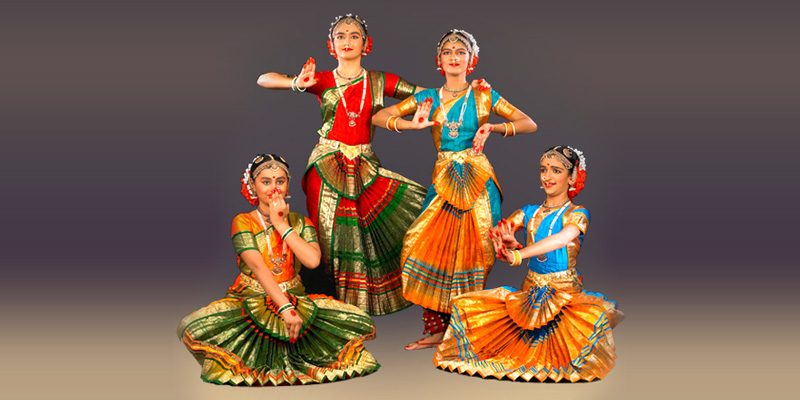
Bharatanatyam is one of the oldest and most revered classical dance forms of India, with roots tracing back over 2,000 years to the temples of Tamil Nadu. Known for its precision, grace, expressive storytelling, and spiritual depth, Bharatanatyam is much more than a performance art—it is a visual language that blends rhythm, emotion, devotion, and discipline. While Bharatanatyam follows a shared foundational grammar of movement and expression, it has evolved into distinct styles or bani-s, each shaped by legendary gurus, regional influences, and unique artistic philosophies.
These styles maintain the core essence of Bharatanatyam but differ in technique, aesthetics, emphasis on abhinaya (expression), body geometry, and presentation. Understanding these styles helps one appreciate the diversity and richness within this classical dance tradition.
Origins and Evolution of Bharatanatyam
Historically, Bharatanatyam was performed by Devadasis in South Indian temples as a form of worship. The dance combined Bhava (expression), Raga (melody), Tala (rhythm), and Natya (drama)—elements that later inspired the name “Bharatanatyam.” During the British colonial period, the dance suffered decline due to social stigma, but in the 20th century, it was revived and restructured by pioneering artists and scholars.
As Bharatanatyam moved from temples to proscenium stages, different lineages of teaching emerged. These lineages, or banis, preserved traditional values while introducing individual interpretations, leading to the development of multiple distinct styles.
1. Pandanallur Style
Overview
The Pandanallur style is one of the oldest and most influential styles of Bharatanatyam. It originated in Pandanallur village in Tamil Nadu and was shaped by the legendary guru Meenakshisundaram Pillai.
Key Characteristics
-
Emphasis on linear geometry and symmetry
-
Deep, well-defined araimandi (half-sitting posture)
-
Graceful yet restrained movements
-
Strong focus on nritta (pure dance)
-
Subtle and dignified abhinaya
Artistic Philosophy
This style values clarity, precision, and tradition. Emotions are conveyed through controlled expressions rather than exaggerated gestures, making it ideal for classical compositions and temple-themed performances.
Notable Exponents
Rukmini Devi Arundale, Balasaraswati (trained partly in this style), and contemporary dancers influenced by Kalakshetra traditions.
2. Vazhuvoor Style
Overview
The Vazhuvoor style, developed by Ramiah Pillai of Vazhuvoor village, is known for its lyrical beauty and expressive freedom.
Key Characteristics
-
Fluid, rounded movements
-
Emphasis on lasya (feminine grace)
-
Frequent use of circular patterns
-
Expressive facial gestures
-
Dynamic leaps and sculpturesque poses
Artistic Philosophy
This style prioritizes storytelling and emotional depth. Abhinaya plays a central role, making performances visually engaging and emotionally rich.
Notable Exponents
Padma Subrahmanyam, Yamini Krishnamurthy, and many modern Bharatanatyam performers favor this style for its theatrical appeal.
3. Kalakshetra Style
Overview
The Kalakshetra style emerged in the 20th century under the guidance of Rukmini Devi Arundale, founder of the Kalakshetra Foundation in Chennai.
Key Characteristics
-
Highly structured and disciplined technique
-
Clean lines and minimal ornamentation
-
Strong emphasis on bhakti (devotion)
-
Restrained facial expressions
-
Costume designs inspired by temple sculptures
Artistic Philosophy
Kalakshetra style focuses on purity, spirituality, and aesthetics. It removes overt sensuality and highlights Bharatanatyam as a meditative, sacred art form.
Global Influence
This style played a major role in taking Bharatanatyam to international audiences and standardizing its pedagogy worldwide.
4. Thanjavur (Tanjore) Style
Overview
The Thanjavur style traces its origins to the famous Thanjavur Quartet, four brothers who systematized Bharatanatyam’s repertoire in the 19th century.
Key Characteristics
-
Balanced focus on nritta and abhinaya
-
Strong rhythmic patterns
-
Graceful transitions between movements
-
Structured presentation of the margam (dance sequence)
Artistic Philosophy
This style emphasizes musicality and coordination between dancer, singer, and orchestra, making it highly classical and performance-oriented.
Legacy
Most modern Bharatanatyam performances follow the margam structure laid down by the Thanjavur Quartet.
5. Melattur Style
Overview
The Melattur style evolved from temple and village traditions and is closely associated with Bhagavata Mela Natya, a dance-drama form.
Key Characteristics
-
Strong narrative content
-
Emphasis on abhinaya and drama
-
Influences from theatrical traditions
-
Expressive eye and facial movements
Artistic Philosophy
This style blurs the line between dance and drama, making it particularly effective for mythological storytelling and character-based roles.
Cultural Significance
Melattur performances often accompany religious festivals and reenact episodes from Hindu epics like the Ramayana and Bhagavata Purana.
6. Mysore Style
Overview
The Mysore style developed under royal patronage in Karnataka and shows influences of both Bharatanatyam and other South Indian art forms.
Key Characteristics
-
Soft, graceful movements
-
Emphasis on bhava over strict geometry
-
Less rigid postures
-
Subtle footwork
Artistic Philosophy
This style highlights emotional expression and elegance, making it particularly appealing for slower, expressive compositions.
Modern Interpretations and Fusion Styles
In contemporary times, Bharatanatyam artists often blend elements from multiple styles while staying rooted in classical technique. This has led to innovative choreographies addressing modern themes such as gender identity, social justice, and environmental awareness.
While purists may prefer strict adherence to traditional banis, fusion has helped Bharatanatyam remain relevant and accessible to younger audiences across the globe.
Importance of Preserving Different Styles
Each Bharatanatyam style represents a living archive of history, culture, and philosophy. Preserving these styles ensures that the art form remains diverse rather than homogenized. It also allows dancers to choose a lineage that aligns with their physicality, temperament, and artistic goals.
Read Also: Keep your face towards the sunshine and shadows will fall behind you
Watch Also: https://www.youtube.com/@TravelsofTheWorld24




Leave a Reply