
When it comes to fitness, choosing the right type of exercise can feel overwhelming. Two popular options that often come up are Pilates and weight training. Both have unique benefits, target different aspects of physical health, and can be adapted to suit your goals. Understanding the differences between them will help you decide which approach—or combination—is best for your fitness journey.
What is Pilates?
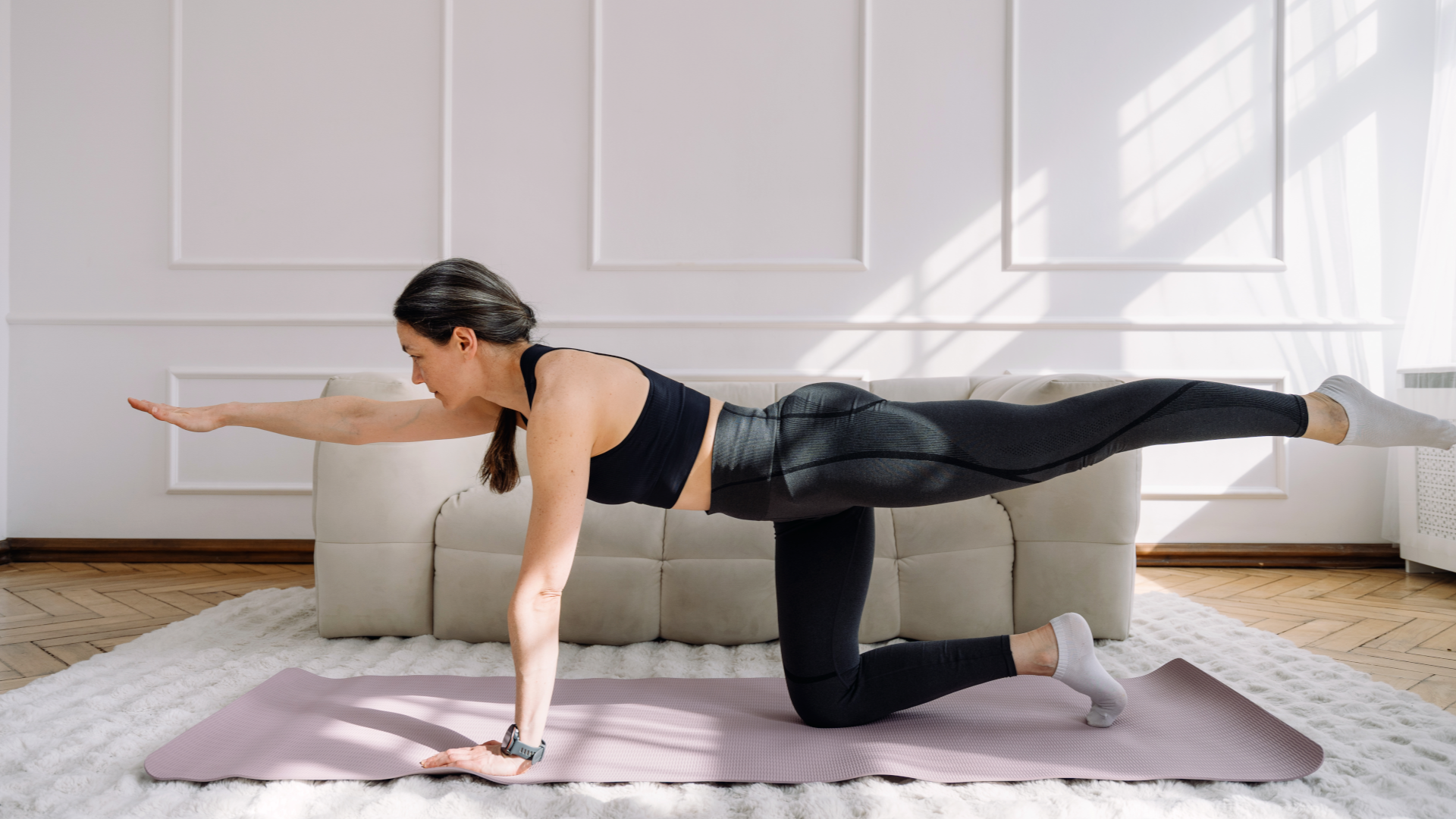
Pilates is a low-impact exercise method developed by Joseph Pilates in the early 20th century. It emphasizes core strength, flexibility, posture, and mind-body awareness. Pilates can be performed on a mat using your body weight or with specialized equipment like the Reformer, Cadillac, or Wunda Chair.
Key Benefits of Pilates:
-
Strengthens the Core: Focuses on deep abdominal and spinal muscles.
-
Improves Flexibility and Mobility: Enhances joint range of motion and reduces stiffness.
-
Supports Posture and Balance: Encourages proper alignment and body awareness.
-
Injury Prevention and Rehabilitation: Low-impact exercises reduce the risk of strain and are suitable for recovery.
-
Mind-Body Connection: Promotes concentration, controlled breathing, and mental focus.
Pilates is ideal for individuals looking for a gentle yet effective workout that improves overall stability, flexibility, and functional strength.
What is Weight Training?
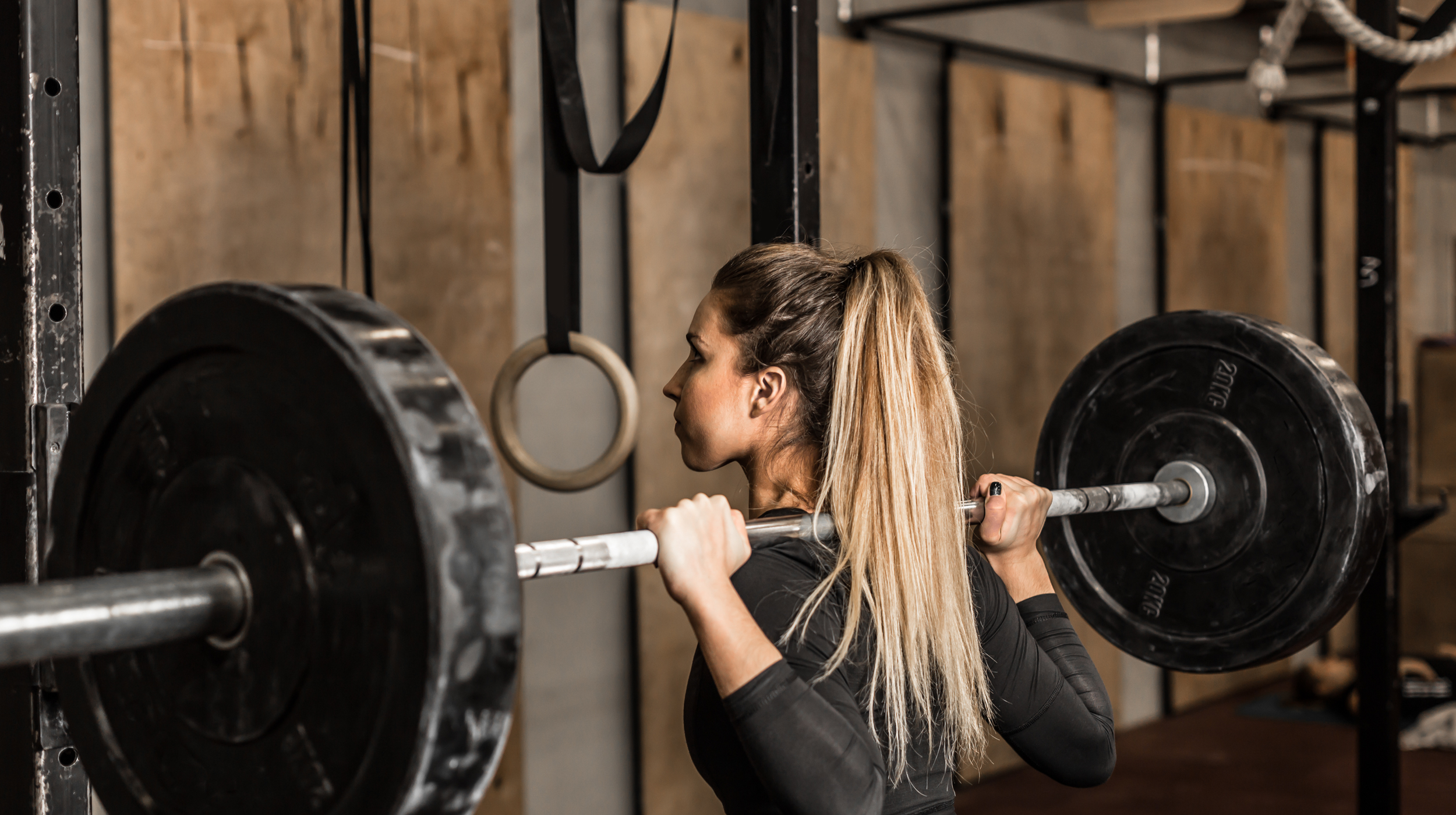
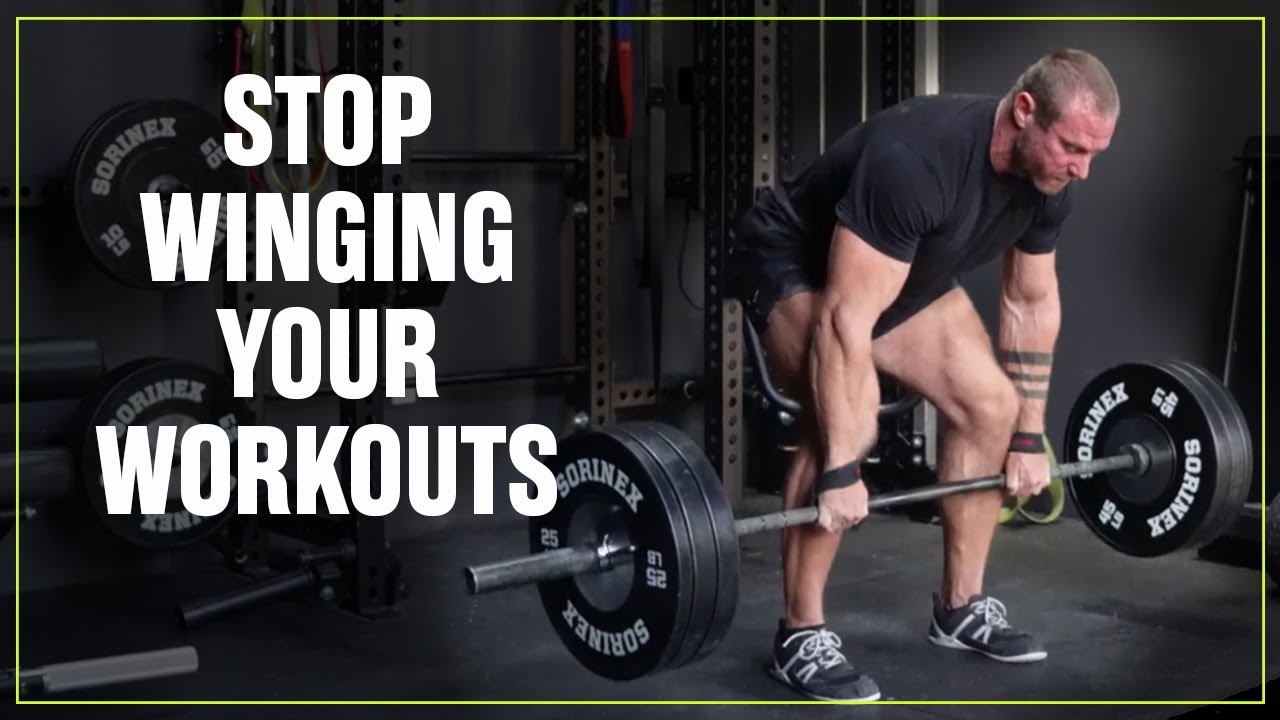
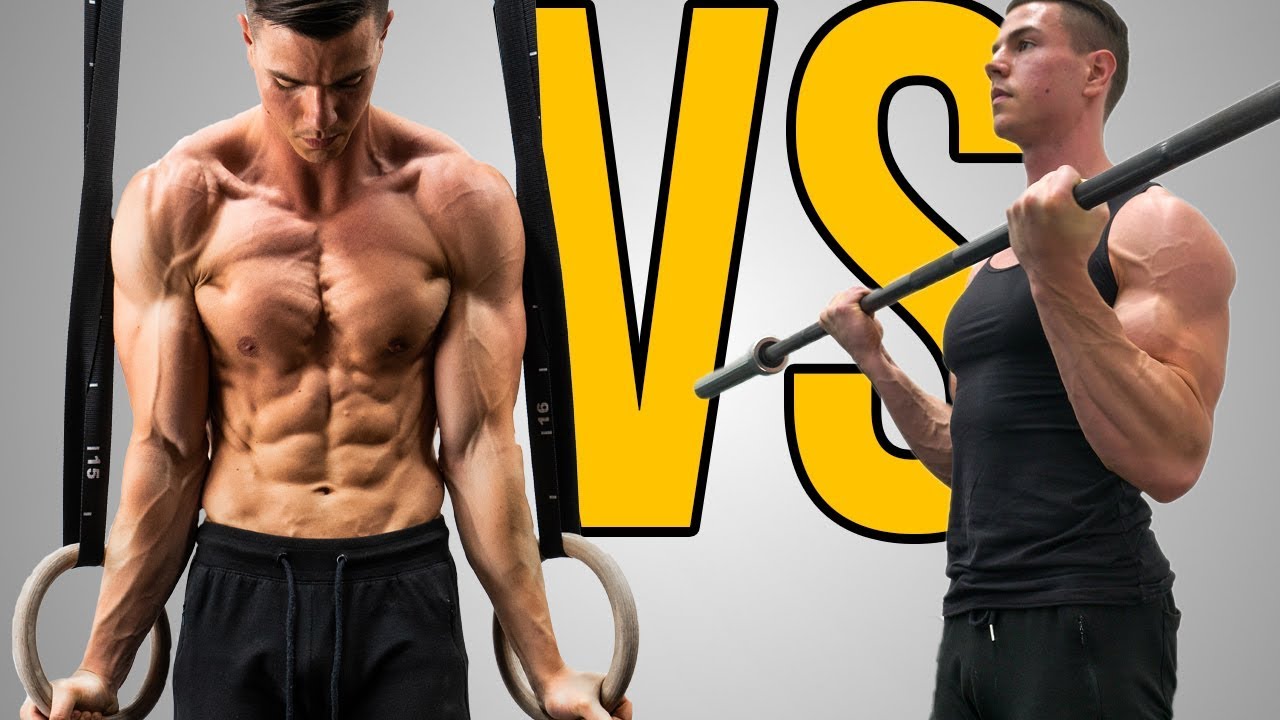
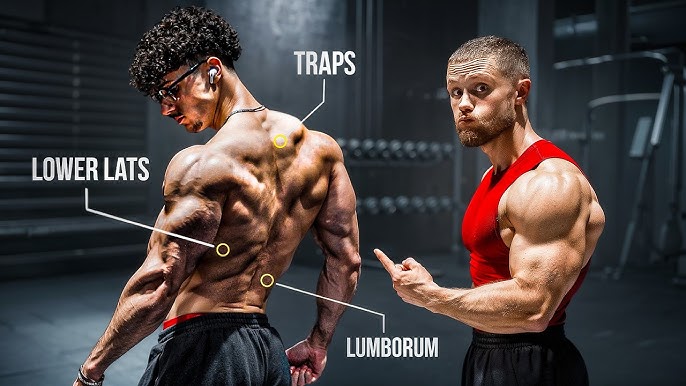
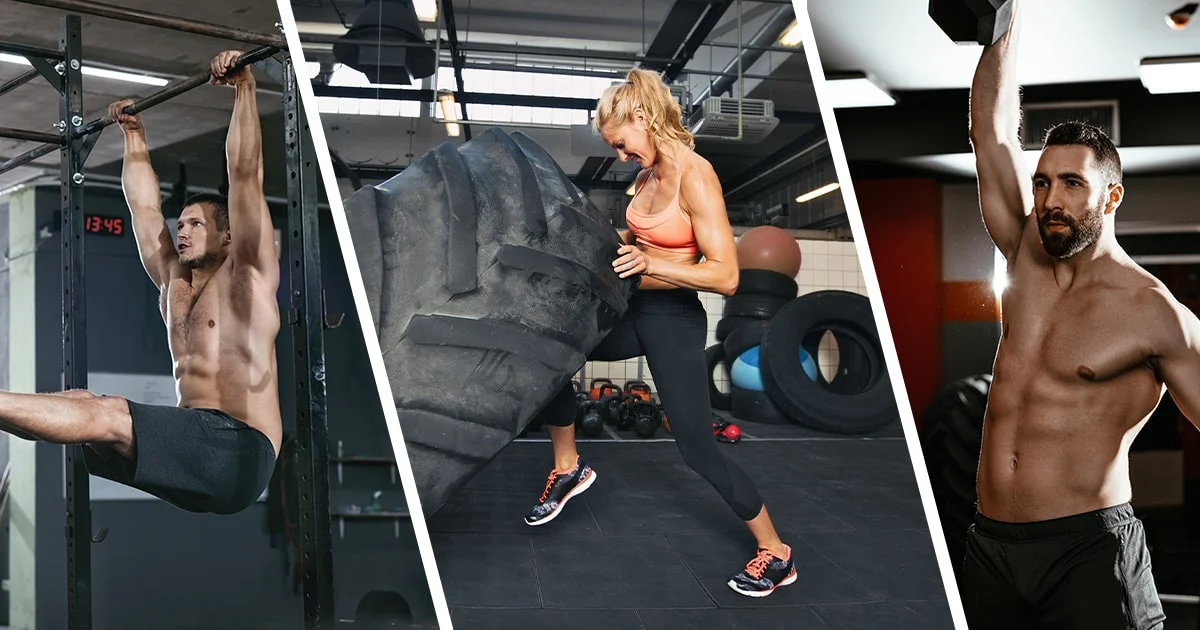
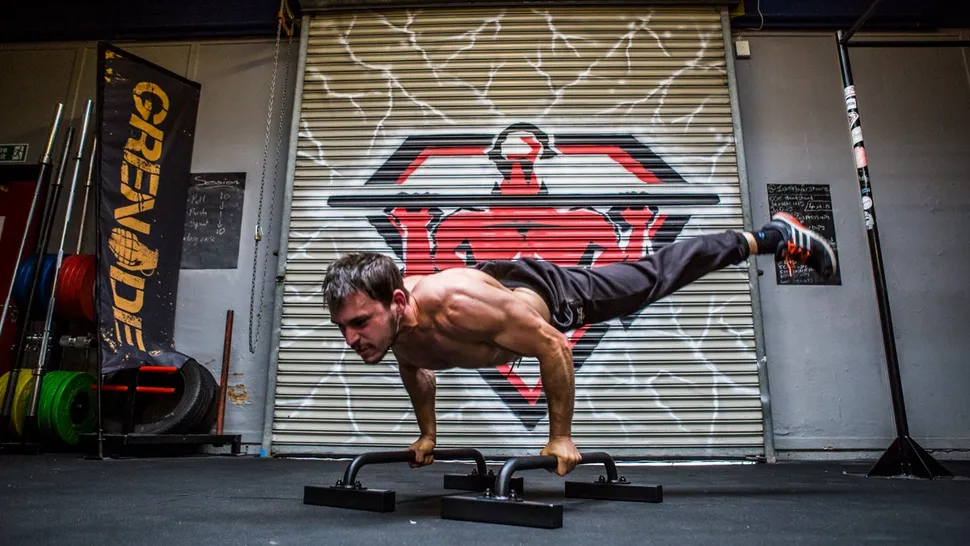
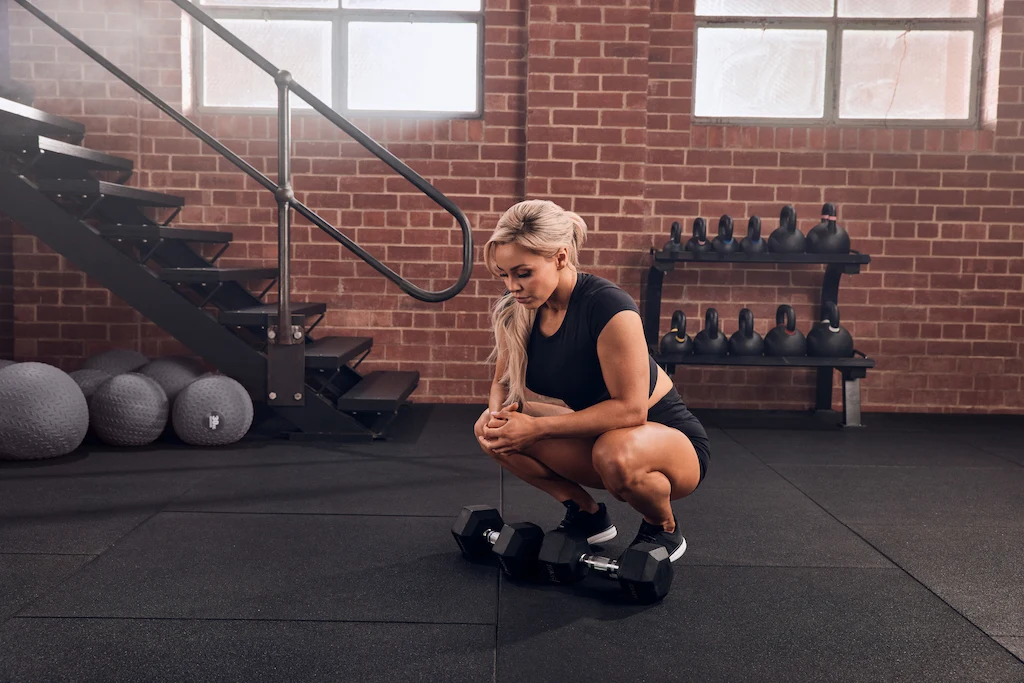
Weight training, also known as resistance training, involves lifting weights, using resistance bands, or performing bodyweight exercises to build muscle strength and endurance. It can range from light resistance exercises to high-intensity weightlifting routines.
Key Benefits of Weight Training:
-
Builds Muscle and Strength: Enhances physical power and performance.
-
Boosts Metabolism: Muscle mass increases calorie burn, even at rest.
-
Improves Bone Density: Supports long-term skeletal health.
-
Supports Fat Loss: Resistance training combined with proper nutrition aids in weight management.
-
Enhances Athletic Performance: Develops speed, power, and functional movement.
Weight training is suitable for anyone looking to increase strength, improve body composition, or enhance athletic performance.
Differences Between Pilates and Weight Training
| Aspect | Pilates | Weight Training |
|---|---|---|
| Primary Focus | Core stability, posture, flexibility | Muscle strength, size, and power |
| Impact Level | Low-impact | Can be moderate to high-impact |
| Equipment | Mat, Reformer, other Pilates machines | Free weights, machines, resistance bands |
| Mind-Body Connection | High emphasis | Moderate emphasis |
| Best For | Injury prevention, functional fitness, flexibility | Strength, hypertrophy, athletic performance |
| Fat-Burning Potential | Moderate | High (especially with compound movements) |
Which One Should You Choose?
The answer depends on your fitness goals:
-
For Core Strength and Flexibility: Pilates is ideal. It improves posture, stability, and mobility.
-
For Muscle Gain and Strength: Weight training is the clear choice, building power and lean muscle.
-
For Fat Loss: Weight training combined with cardio is more effective, but Pilates can complement this by improving posture and core stability.
-
For Injury Prevention or Rehab: Pilates is safer and gentler on joints while still promoting strength.
-
For Overall Wellness: A combination of Pilates and weight training provides a balanced approach to fitness.
Can You Combine Them?
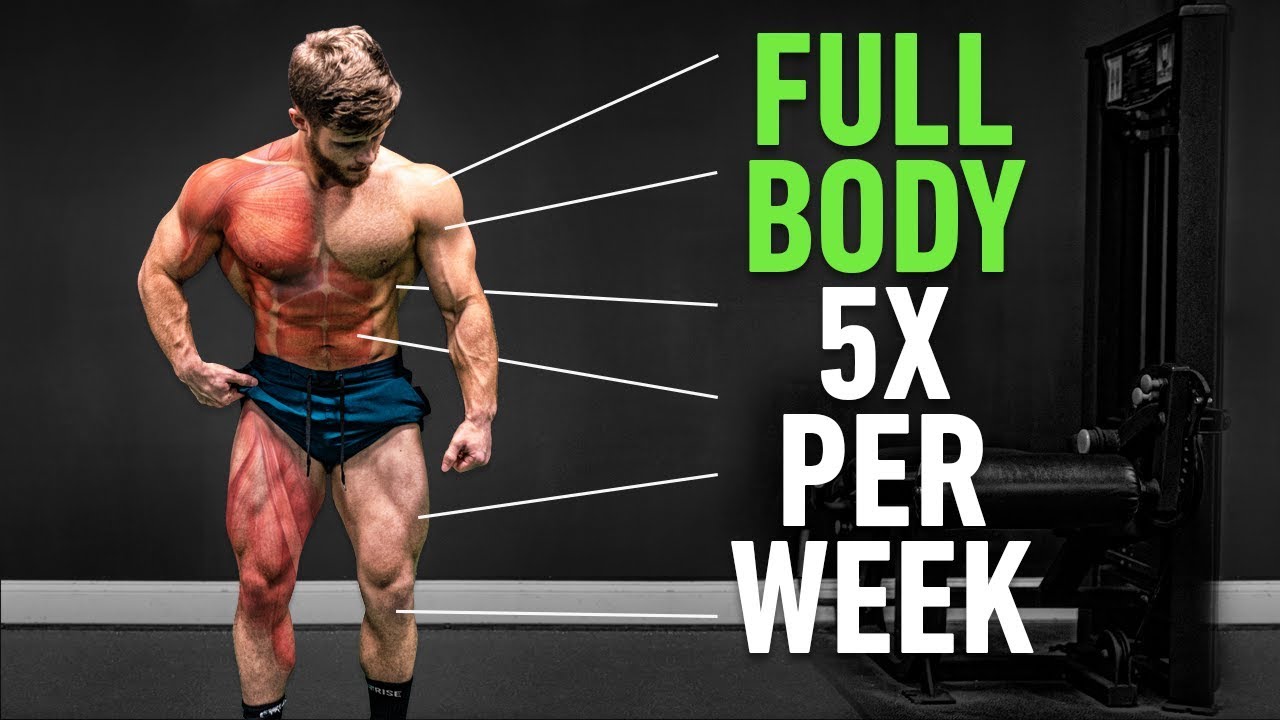
Yes! Many fitness enthusiasts benefit from combining Pilates and weight training. Pilates strengthens the core and enhances flexibility, which can improve weight training performance and reduce injury risk. Weight training builds muscle and boosts metabolism, complementing the functional benefits of Pilates.
A sample weekly plan could be:
-
2–3 Pilates sessions: Focus on core, mobility, and recovery.
-
2–4 Weight training sessions: Focus on strength, hypertrophy, and compound movements.
This hybrid approach ensures a full spectrum of fitness benefits: strength, flexibility, stability, and mental focus.
Tips for Success
Pilates:
-
Focus on breathing and controlled movements.
-
Use modifications to match your fitness level.
-
Attend classes or follow guided sessions for proper form.
Weight Training:
-
Start with light weights and proper technique.
-
Gradually increase resistance.
-
Include warm-up and cool-down routines.
-
Track progress to stay motivated.
Conclusion
Both Pilates and weight training are effective, but they serve different purposes. Pilates focuses on core stability, flexibility, posture, and mind-body connection, making it excellent for injury prevention and functional strength. Weight training emphasizes muscle growth, strength, metabolism, and overall physical power, making it ideal for performance and body composition goals.
Choosing between Pilates and weight training depends on your personal fitness objectives. However, combining both approaches offers the most comprehensive benefits, supporting strength, flexibility, balance, and mental focus. The best exercise is the one you enjoy and can maintain consistently, ensuring long-term success in your fitness journey.
Read Also: Keep your face towards the sunshine and shadows will fall behind you
Watch Also: https://www.youtube.com/@TravelsofTheWorld24

Leave a Reply