
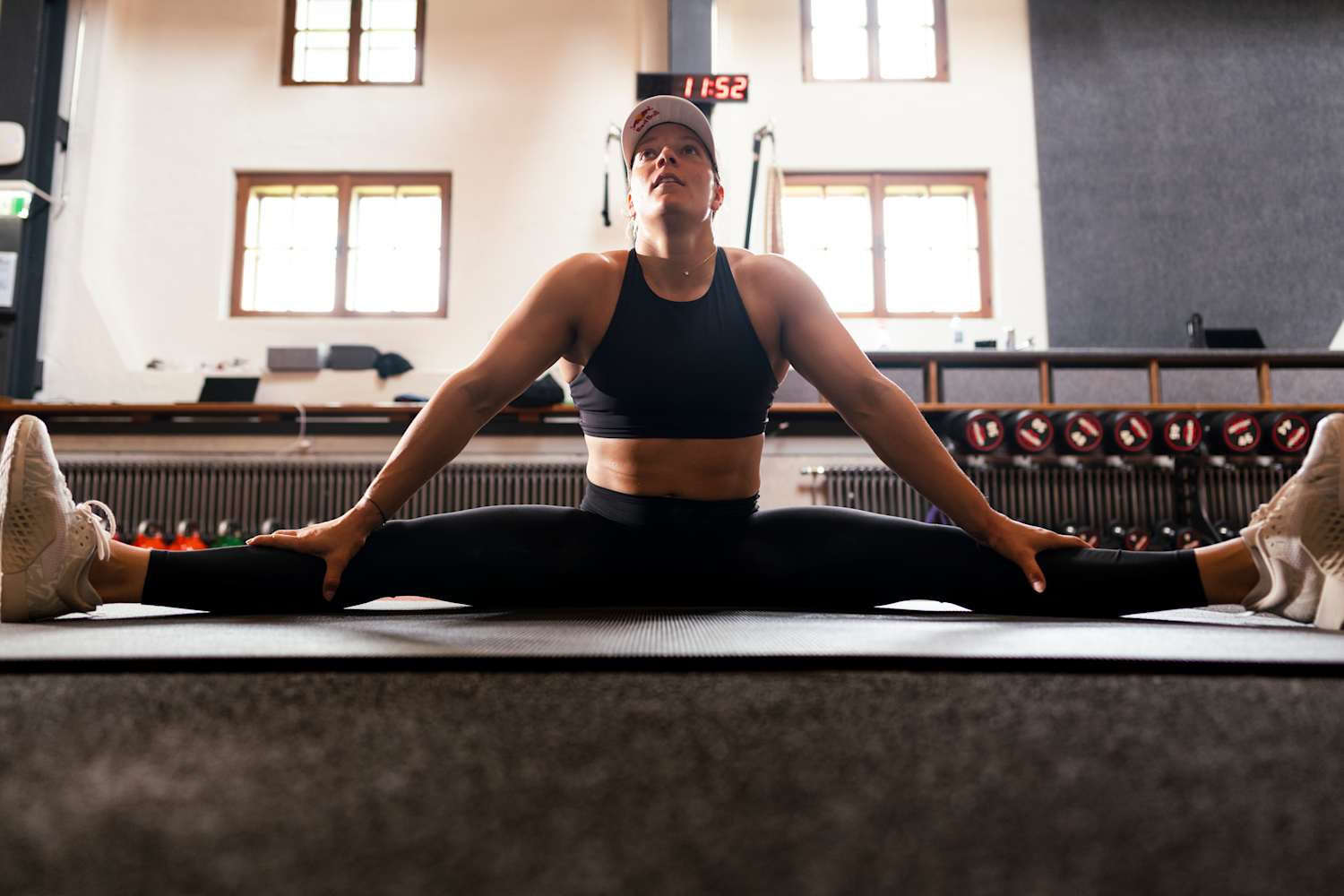
When it comes to peak performance, top athletes redefine the concept of fitness. Fitness for professional athletes goes beyond the conventional idea of looking good or being healthy—it is a multidimensional approach that optimizes strength, endurance, speed, agility, and mental resilience. Understanding how elite athletes define and achieve fitness offers valuable insights into maximizing human potential, whether you’re an aspiring athlete or simply seeking to improve personal health.
This article explores how top athletes approach fitness, the strategies they employ, and the lessons anyone can apply to enhance performance and overall well-being.
1. Redefining Fitness: Beyond Physical Appearance
For top athletes, fitness is measured by functional capability rather than aesthetics. Performance, not looks, is the benchmark.
Key Components of Athletic Fitness:
-
Strength: The ability to generate force, essential for speed, power, and endurance
-
Endurance: Cardiovascular and muscular stamina to sustain high-intensity performance
-
Agility: Quick, controlled movements in multiple directions
-
Flexibility and Mobility: Range of motion for optimal movement and injury prevention
-
Mental Resilience: Focus, discipline, and the ability to perform under pressure
Athletes train to optimize these components, creating a balance that allows them to excel in their respective sports.
2. Personalized Training Programs
Elite athletes rarely follow generic fitness routines. Each training plan is personalized to maximize strengths, address weaknesses, and align with the demands of their sport.
Elements of Personalization:
-
Sport-Specific Exercises: Tailored to movements and skills required for the sport
-
Individual Assessment: Fitness tests, mobility evaluations, and performance metrics
-
Progressive Overload: Gradually increasing intensity to stimulate adaptation
-
Recovery Integration: Balancing workouts with rest, sleep, and active recovery
For example, a sprinter focuses on explosive power and speed, while a swimmer emphasizes endurance and stroke efficiency. Personalization ensures that training yields maximum results for the athlete’s unique needs.
3. Strength Training and Conditioning
Strength is a cornerstone of athletic fitness. Top athletes use strength training to build muscles, improve power, and prevent injury.
Strength Training Techniques:
-
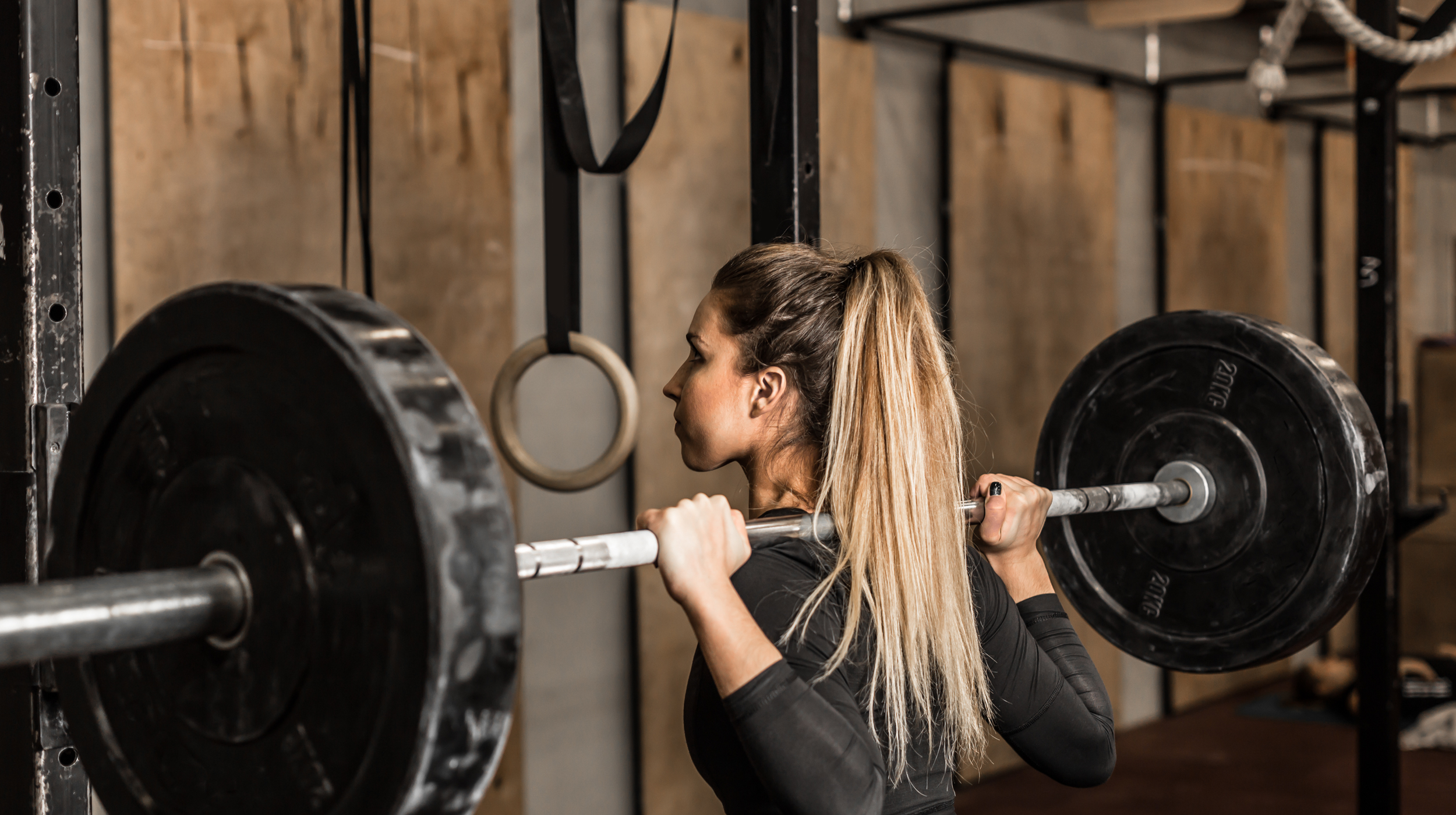
Free weights (squats, deadlifts, bench press) for compound strength
-
Resistance bands and bodyweight exercises for functional strength
-
Plyometrics and explosive movements for power development
Conditioning:
-
High-Intensity Interval Training (HIIT) to improve cardiovascular efficiency
-
Sport-specific drills for endurance, agility, and coordination
-
Functional training to enhance real-world movement and performance
Strength and conditioning are not isolated—they are integrated into a broader system of performance optimization.
4. Nutrition: Fueling Peak Performance
Nutrition plays a crucial role in athletic fitness. Top athletes view food as fuel, optimizing it for performance, recovery, and longevity.
Key Principles:
-
Macronutrient Balance: Proper ratios of proteins, carbohydrates, and fats for energy and muscle repair
-
Hydration: Maintaining fluid balance to prevent fatigue and support cognitive function
-
Timing: Strategic meal and snack timing to optimize workouts and recovery
-
Supplements: Used when necessary to address deficiencies or enhance performance
Nutrition is highly individualized. Athletes work with dietitians to design plans that support training demands, body composition goals, and competitive performance.
5. Recovery: The Unsung Hero of Fitness
Top athletes understand that recovery is as important as training. Without adequate rest, performance suffers, and injury risk increases.
Recovery Strategies:
-
Sleep Optimization: Prioritizing quality sleep for muscle repair and cognitive function
-
Active Recovery: Low-intensity activities such as walking, swimming, or yoga
-
Physical Therapies: Massage, physiotherapy, and cryotherapy to aid recovery
-
Mental Recovery: Meditation, mindfulness, and relaxation techniques
By incorporating recovery, athletes allow their bodies and minds to adapt to training stress and improve long-term performance.
6. Mental Fitness and Psychological Resilience
Fitness for elite athletes is not just physical; mental fitness is equally critical. The ability to stay focused, motivated, and composed under pressure often separates champions from the rest.
Techniques Used by Top Athletes:
-
Visualization and goal-setting to enhance performance
-
Mindfulness and breathing exercises to manage stress
-
Sports psychology sessions to strengthen mental resilience
-
Positive reinforcement and self-talk to maintain confidence
Mental conditioning ensures that athletes perform consistently at high levels, even in high-stakes competitions.
7. Technology and Data-Driven Fitness
In modern sports, technology plays a pivotal role in defining and measuring fitness. Athletes use data to optimize training, prevent injury, and monitor progress.
Applications of Technology:
-
Wearable devices tracking heart rate, sleep, and workload
-
Motion capture and video analysis for biomechanics and technique improvement
-
AI-driven performance analytics for training adjustments
-
GPS and accelerometers to monitor movement and intensity
Data-driven insights allow athletes to train smarter, not just harder, ensuring maximum efficiency and effectiveness.
8. Functional and Multi-Dimensional Training
Elite athletes often train in ways that develop functional, multi-dimensional fitness, emphasizing real-world performance rather than isolated metrics.
Examples:
-
Cross-training across multiple disciplines to improve overall athleticism
-
Combining strength, endurance, flexibility, and speed in single sessions
-
Agility ladders, battle ropes, and plyometric circuits for sport-specific skills
This type of training enhances adaptability, reduces injury risk, and ensures comprehensive fitness development.
9. Consistency and Discipline
One common trait among top athletes is consistent effort and disciplined routines. Fitness is a daily commitment, requiring focus, planning, and accountability.
Principles of Discipline:
-
Adhering to structured training schedules
-
Maintaining nutritional consistency
-
Tracking progress and adjusting plans as needed
-
Committing to long-term goals over short-term gains
Discipline ensures that athletes maximize their potential and sustain peak performance over time.
10. Lessons for Everyday Fitness Enthusiasts
While the intensity and specificity of elite athlete training may not be practical for everyone, several lessons are universally applicable:
-
Prioritize Functional Fitness: Focus on exercises that improve daily life performance
-
Balance Training and Recovery: Avoid overtraining and respect rest
-
Personalize Your Routine: Tailor workouts and nutrition to your goals and body type
-
Monitor Progress: Track performance and adapt strategies as needed
-
Incorporate Mental Training: Manage stress, stay focused, and build resilience
By adopting these principles, individuals can enhance their physical fitness, mental resilience, and overall well-being.
11. Conclusion
Top athletes redefine fitness by integrating physical, mental, and technological approaches. Strength, endurance, agility, flexibility, nutrition, recovery, and mental resilience form the foundation of elite performance. Their routines are meticulously personalized, data-driven, and disciplined, offering a blueprint for anyone striving to optimize their potential.
Understanding how elite athletes define and achieve fitness emphasizes that true fitness is multi-dimensional. It’s not just about appearance or basic health—it’s about functional performance, consistency, and holistic well-being. By incorporating lessons from top athletes into everyday routines, individuals can enhance physical capabilities, mental focus, and overall quality of life.
In essence, fitness is a continuous journey of improvement, balance, and adaptation—principles that define the extraordinary performance of the world’s top athletes and provide guidance for anyone committed to achieving their best self.
Read Also: Keep your face towards the sunshine and shadows will fall behind you
Watch Also: https://www.youtube.com/@TravelsofTheWorld24





Leave a Reply