

In today’s fast-paced world, maintaining good health can feel challenging. Busy schedules, convenience foods, and long hours of sitting often take priority over nutrition and movement. However, healthy eating and an active lifestyle are the foundation of long-term physical, mental, and emotional well-being. When combined, they help prevent chronic diseases, boost energy, improve mood, and enhance overall quality of life. This guide explores what healthy eating truly means, why physical activity is essential, and how you can realistically integrate both into your daily routine.
What Is Healthy Eating?
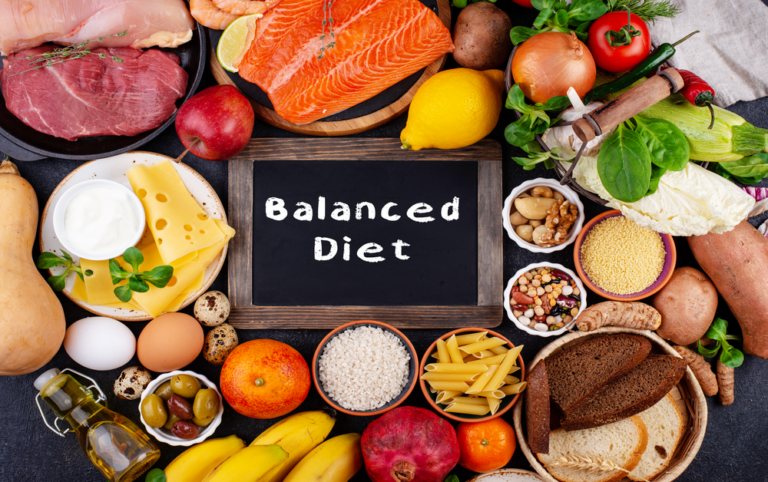
Healthy eating is not about strict diets, starvation, or cutting out entire food groups. Instead, it focuses on balance, variety, and nourishment. A healthy diet provides your body with essential nutrients—vitamins, minerals, protein, carbohydrates, healthy fats, and fiber—needed to function properly.
Key Principles of Healthy Eating
-
Balance and Variety
No single food contains all the nutrients your body needs. Eating a wide variety of foods ensures you receive a full spectrum of nutrients. Include fruits, vegetables, whole grains, lean proteins, and healthy fats in your meals. -
Whole and Minimally Processed Foods
Whole foods such as fresh vegetables, fruits, nuts, seeds, legumes, eggs, and whole grains are rich in nutrients and free from unnecessary additives. Highly processed foods often contain excess sugar, salt, and unhealthy fats. -
Portion Control
Even healthy foods can contribute to weight gain if eaten in excess. Learning appropriate portion sizes helps maintain a healthy weight without feeling deprived. -
Hydration
Water plays a vital role in digestion, circulation, temperature regulation, and detoxification. Drinking enough water daily supports energy levels and overall health. -
Mindful Eating
Eating slowly, paying attention to hunger cues, and enjoying your food helps prevent overeating and improves digestion.
Benefits of Healthy Eating
Adopting a nutritious diet has wide-ranging benefits that go far beyond weight management.
-
Improved Energy Levels: Nutrient-rich foods provide steady energy throughout the day.
-
Stronger Immune System: Vitamins and minerals help your body fight infections.
-
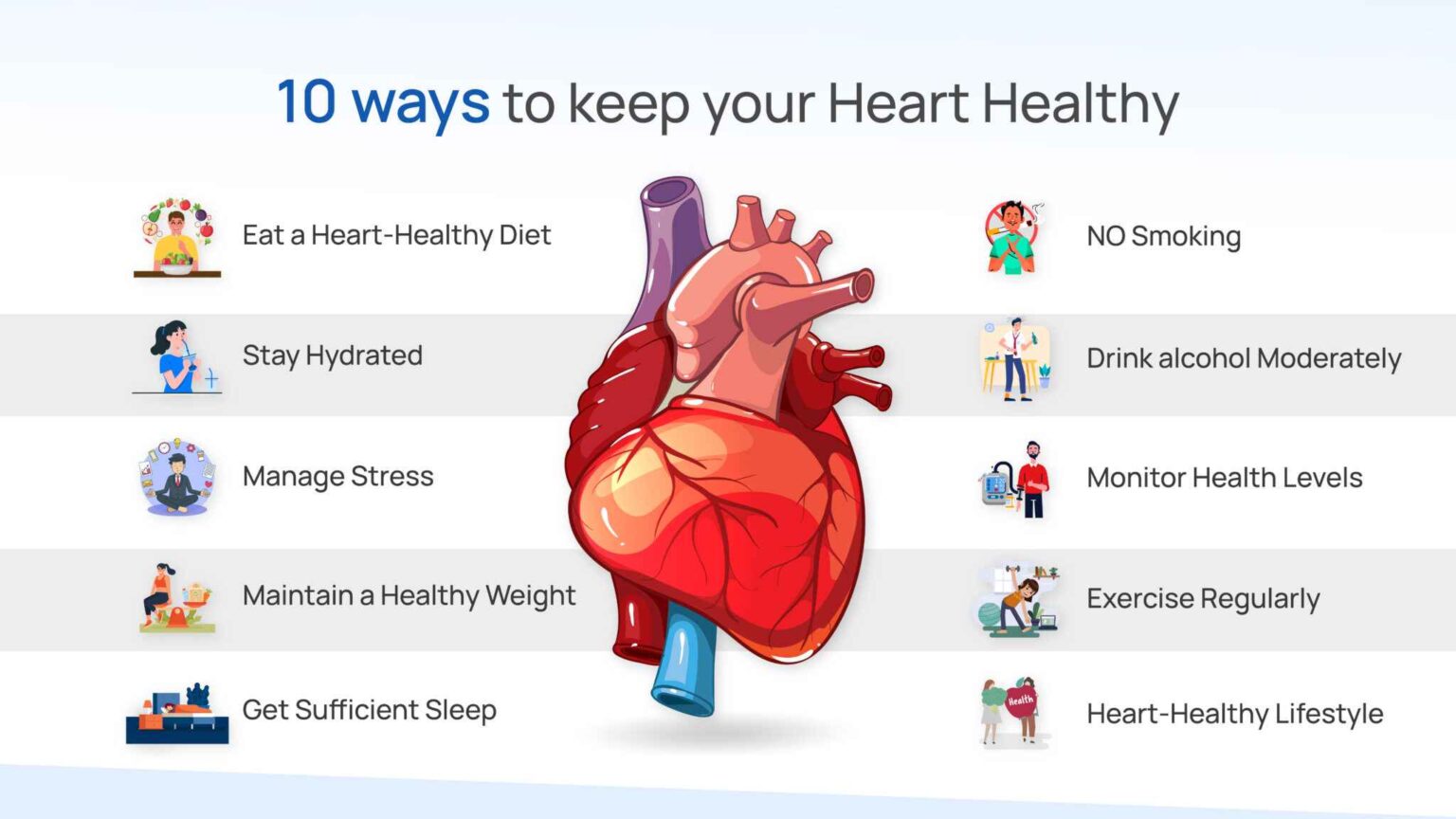
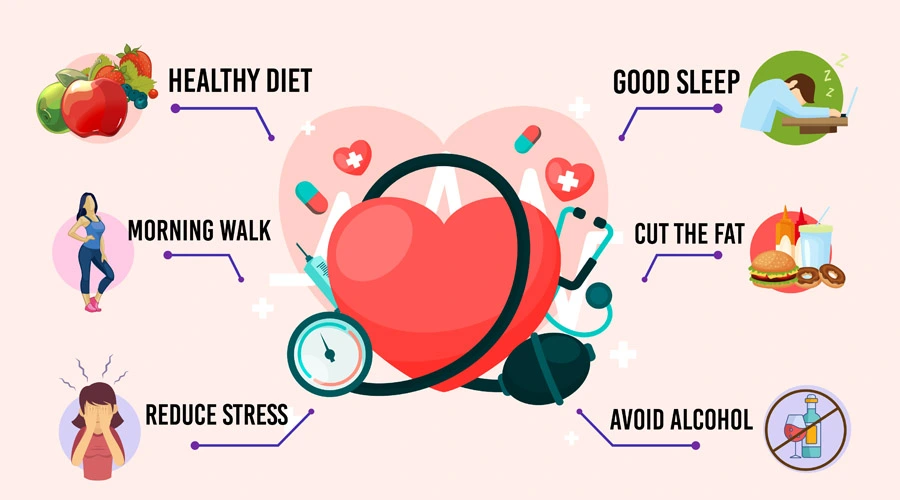
Better Heart Health: A balanced diet reduces the risk of heart disease and high blood pressure.
-
Healthy Digestion: Fiber supports gut health and regular bowel movements.
-
Mental Well-Being: Certain nutrients support brain health and reduce the risk of anxiety and depression.
Understanding an Active Lifestyle
An active lifestyle means moving your body regularly, not just going to the gym occasionally. Physical activity includes any movement that burns calories and engages your muscles—walking, cycling, dancing, household chores, stretching, or structured exercise.
You don’t need to be an athlete to live actively. Consistency matters more than intensity.
Types of Physical Activity
-
Aerobic (Cardio) Exercise
Activities like walking, jogging, swimming, or cycling improve heart and lung health. -
Strength Training
Using weights, resistance bands, or bodyweight exercises helps build muscle, strengthen bones, and boost metabolism. -
Flexibility and Mobility
Stretching, yoga, and mobility exercises improve joint health, posture, and range of motion. -
Balance Exercises
Especially important as we age, balance training helps prevent falls and improves coordination.
Benefits of an Active Lifestyle
Regular physical activity positively affects nearly every system in the body.
-
Weight Management: Exercise helps burn calories and maintain a healthy body composition.
-
Heart and Lung Health: Physical activity strengthens the cardiovascular system.
-
Stronger Muscles and Bones: Reduces the risk of osteoporosis and muscle loss.
-
Better Mental Health: Exercise releases endorphins that improve mood and reduce stress.
-
Improved Sleep: Active individuals often experience deeper, more restful sleep.
-
Increased Longevity: Staying active lowers the risk of chronic diseases and supports a longer, healthier life.
The Powerful Connection Between Diet and Activity
Healthy eating and physical activity work best together. Food fuels movement, and movement helps your body use nutrients more efficiently.
-
Eating well provides the energy needed for workouts and daily activities.
-
Exercise improves insulin sensitivity, helping your body manage blood sugar levels.
-
Physical activity enhances digestion and nutrient absorption.
-
Together, they support sustainable weight management and overall wellness.
Without proper nutrition, exercise performance suffers. Without movement, even the healthiest diet cannot fully protect against lifestyle-related diseases.
How to Build Healthy Habits That Last
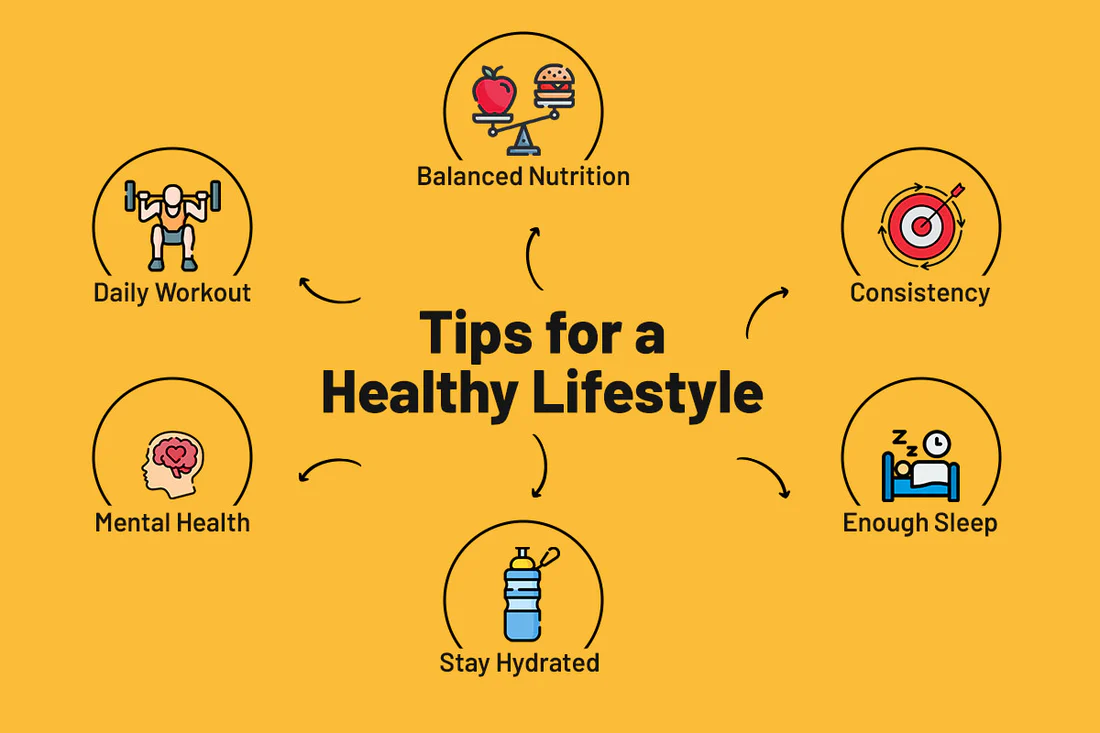
Creating a healthy lifestyle doesn’t require drastic changes. Small, consistent steps lead to long-term success.
1. Start Small
Instead of overhauling your entire routine, begin with simple changes—add one extra serving of vegetables daily or take a 15-minute walk after meals.
2. Plan Your Meals
Meal planning helps avoid unhealthy food choices when you’re busy or tired. Prepare healthy snacks and balanced meals in advance.
3. Make Movement Enjoyable
Choose activities you enjoy. Dancing, hiking, playing sports, or yoga are just as effective as gym workouts if done regularly.
4. Stay Consistent, Not Perfect
Missing a workout or eating an unhealthy meal occasionally is normal. What matters is getting back on track without guilt.
5. Listen to Your Body
Rest when needed, eat when hungry, and stop when full. A healthy lifestyle respects your body’s signals.
Healthy Eating on a Busy Schedule
Many people believe they don’t have time to eat healthily, but smart choices make it possible.
-
Opt for simple meals with fewer ingredients.
-
Keep healthy snacks like fruit, nuts, or yogurt on hand.
-
Choose grilled, baked, or steamed options when eating out.
-
Drink water instead of sugary beverages.
Staying Active in Everyday Life
You don’t need hours of exercise daily. Incorporate movement into your routine:
-
Take stairs instead of elevators.
-
Walk or cycle for short errands.
-
Stretch during work breaks.
-
Do short home workouts if you can’t visit the gym.
Every movement counts.
Mental and Emotional Benefits
Healthy eating and active living are not only about physical appearance. They significantly impact mental health:
-
Balanced nutrition supports brain function and emotional stability.
-
Physical activity reduces stress, anxiety, and symptoms of depression.
-
Feeling strong and energized boosts confidence and self-esteem.
A healthy body supports a healthy mind.
Conclusion
Healthy eating and an active lifestyle are lifelong commitments that pay off in countless ways. They provide energy, strength, mental clarity, and protection against disease. The key is not perfection but progress—making informed choices, staying consistent, and finding joy in nourishing your body and moving it regularly.
By embracing balanced nutrition and daily physical activity, you invest in a healthier, happier, and more fulfilling life. Start where you are, take small steps, and remember that every positive choice brings you closer to lasting wellness.
Read Also: Keep your face towards the sunshine and shadows will fall behind you
Watch Also: https://www.youtube.com/@TravelsofTheWorld24










Leave a Reply