
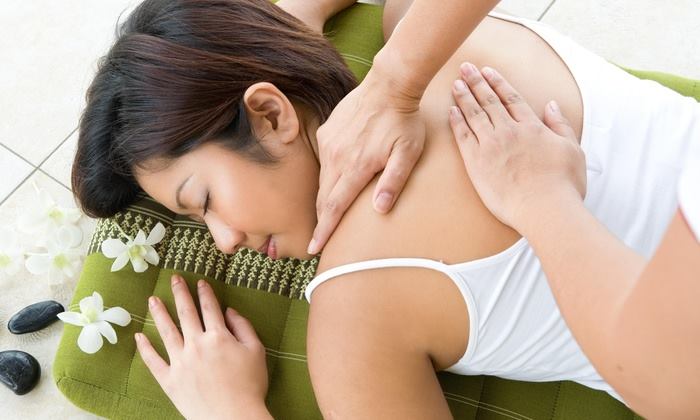
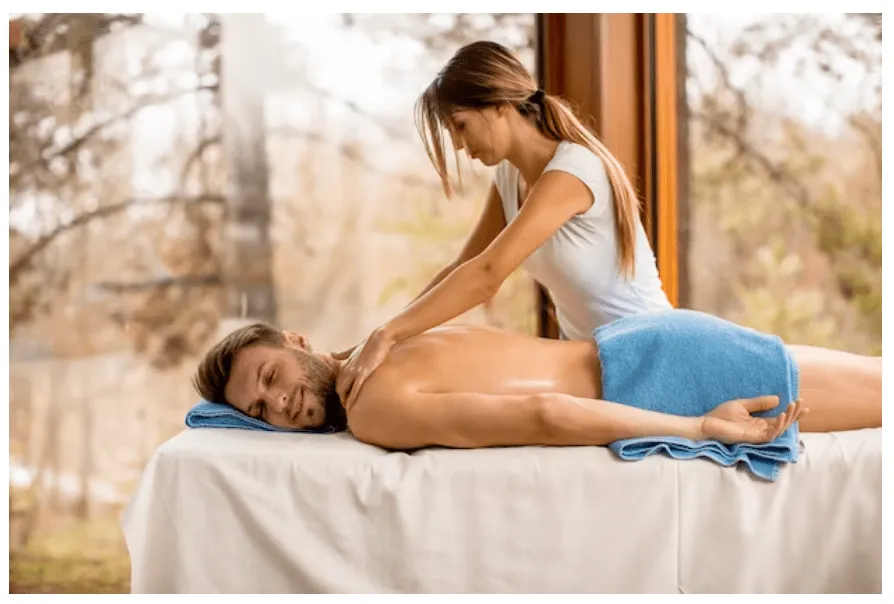
In today’s modern lifestyle, back and shoulder tension has become increasingly common due to prolonged sitting, poor posture, stress, and physical strain. Whether from long hours at a desk, repetitive movements, or heavy lifting, these areas often accumulate stress that can lead to discomfort, stiffness, and even chronic pain. Back and shoulder massage is a therapeutic approach designed to alleviate tension, improve circulation, and restore mobility while promoting relaxation and overall wellness.
This article explores the techniques, benefits, and best practices of back and shoulder massage, highlighting why it has become an essential tool for physical and mental well-being.
Understanding Back & Shoulder Tension
The back and shoulders contain some of the body’s largest and most complex muscle groups, including the trapezius, rhomboids, latissimus dorsi, and erector spinae. Stress, poor posture, and repetitive movements can cause these muscles to become tight, leading to:
-
Limited mobility and stiffness
-
Pain or discomfort in the upper back and shoulders
-
Headaches or neck tension
-
Fatigue and mental stress
Addressing tension in these areas not only improves physical comfort but also supports overall health and posture.
Techniques Used in Back & Shoulder Massage
Back and shoulder massage combines a variety of techniques to target both superficial and deep muscle layers. These may include:
1. Effleurage (Long, Gliding Strokes)
Effleurage involves smooth, flowing strokes using the palms, fingers, or forearms.
Benefits:
-
Warms up the muscles
-
Increases blood circulation
-
Promotes relaxation
This technique is usually performed at the beginning of the massage to prepare the muscles for deeper work.
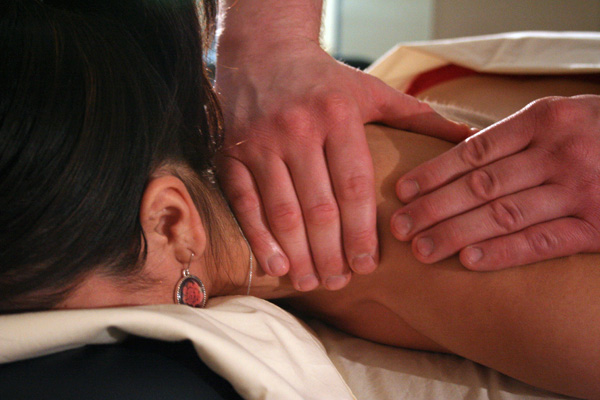
2. Petrissage (Kneading and Rolling)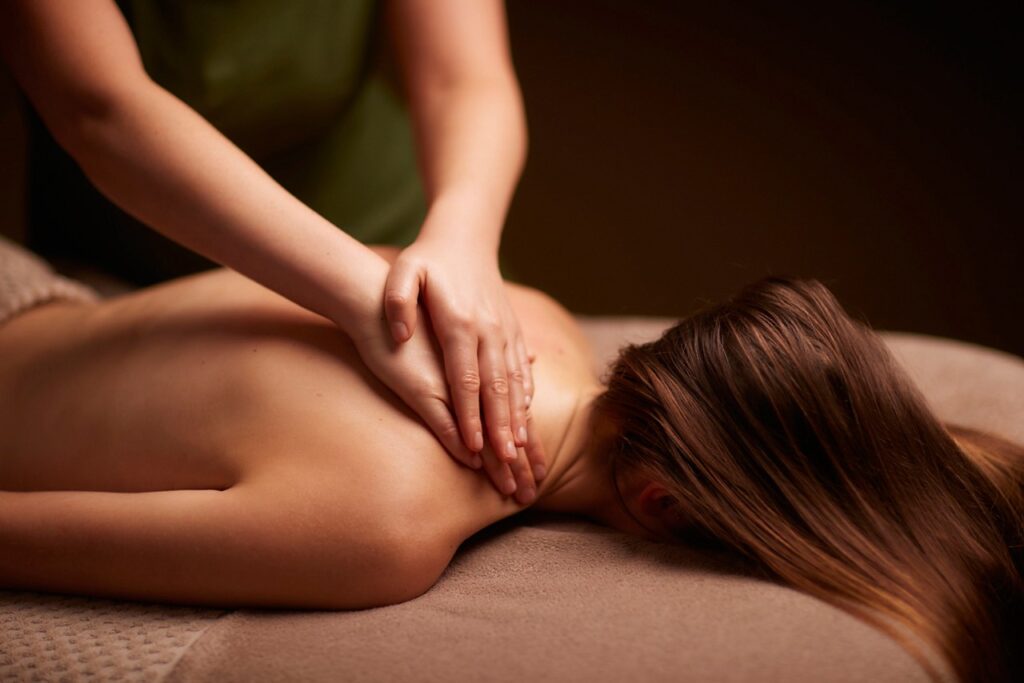
Petrissage applies kneading, rolling, and squeezing movements to release deeper muscle tension.
Benefits:
-
Loosens knots and tight areas
-
Stimulates circulation
-
Enhances oxygen delivery to muscle tissues
Petrissage is especially effective on the upper trapezius and shoulder blades, where tension tends to accumulate.
3. Friction
Friction involves deep, circular, or transverse movements applied to specific points of tension.
Benefits:
-
Breaks down adhesions and scar tissue
-
Reduces chronic stiffness
-
Enhances muscle flexibility
This technique is often used for localized knots and trigger points in the shoulders and upper back.
4. Tapotement (Rhythmic Tapping)
Tapotement uses rhythmic tapping or percussion to stimulate muscle and nerve endings.
Benefits:
-
Energizes the muscles
-
Reduces muscle fatigue
-
Improves nerve response and coordination
Light tapotement can be performed at the end of a massage session to invigorate muscles.
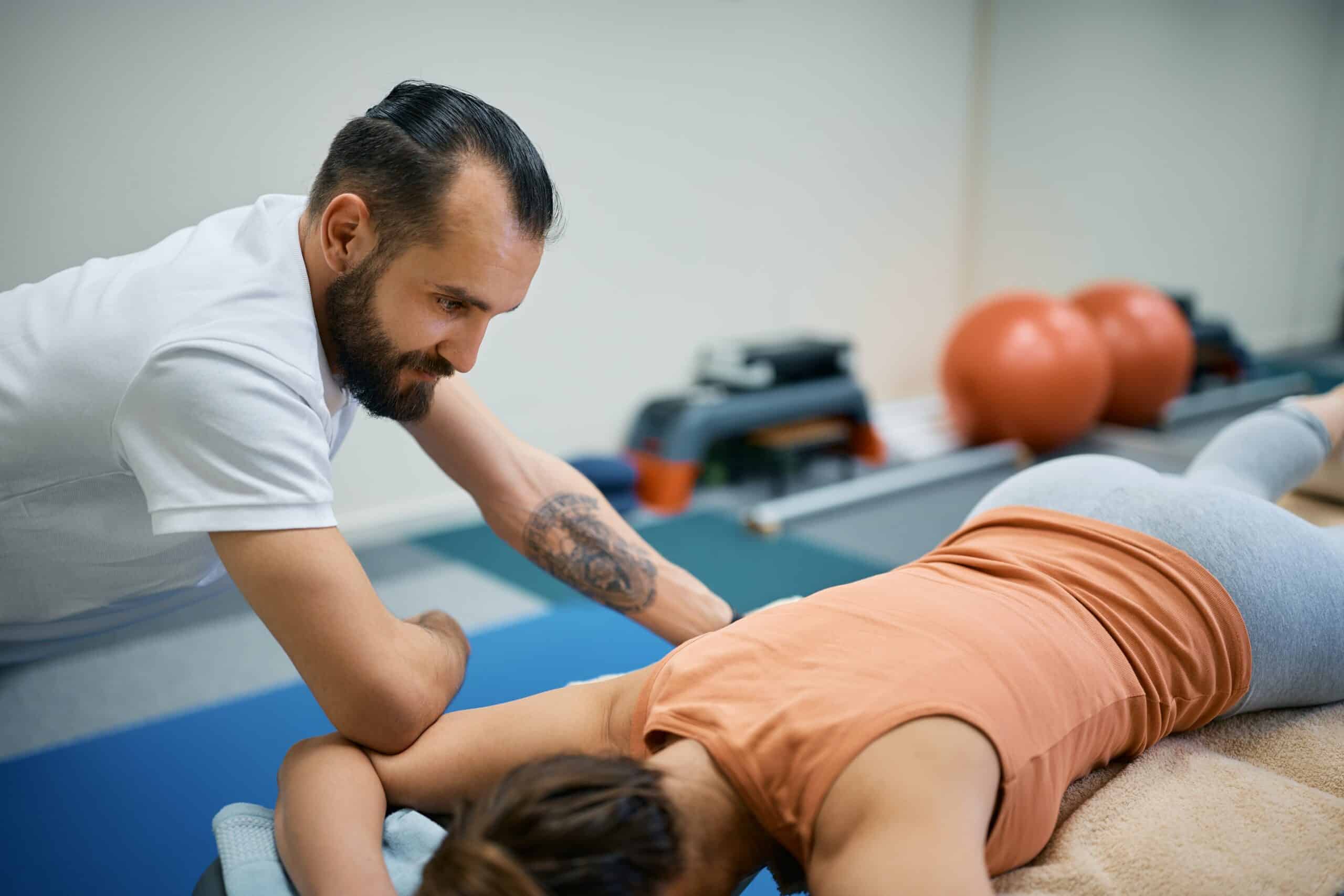
5. Stretching and Shoulder Mobilization
Gentle stretching and guided mobilization help improve joint range of motion.
Benefits:
-
Enhances flexibility
-
Relieves stiffness in shoulders and upper back
-
Corrects postural imbalances
This may include shoulder rolls, arm stretches across the chest, and neck rotations.
Benefits of Back & Shoulder Massage
1. Pain Relief
Regular massage reduces muscle tension, alleviates chronic pain, and can improve conditions such as:
-
Upper back stiffness
-
Shoulder tightness
-
Neck pain and tension headaches
2. Stress and Mental Relaxation
Back and shoulder massage stimulates the nervous system to promote relaxation, lower stress hormone levels, and enhance emotional well-being.
3. Improved Circulation
Massage techniques increase blood and lymph flow, supporting oxygen delivery, tissue repair, and the removal of metabolic waste.
4. Enhanced Posture and Mobility
By relaxing tight muscles and mobilizing joints, massage helps correct postural imbalances, which can prevent further strain and discomfort.
5. Athletic Recovery
Athletes and physically active individuals benefit from targeted back and shoulder massage, as it:
-
Reduces muscle soreness
-
Enhances range of motion
-
Speeds up recovery after workouts
Different Styles of Back & Shoulder Massage
There are several massage styles that focus on the back and shoulders:
1. Swedish Massage
Uses gentle, flowing strokes for relaxation and circulation improvement.
2. Deep Tissue Massage
Targets deep muscle layers to release chronic tension and adhesions.
3. Sports Massage
Focuses on injury prevention, muscle recovery, and flexibility for athletes.
4. Trigger Point Therapy
Applies focused pressure to release knots and reduce referred pain.
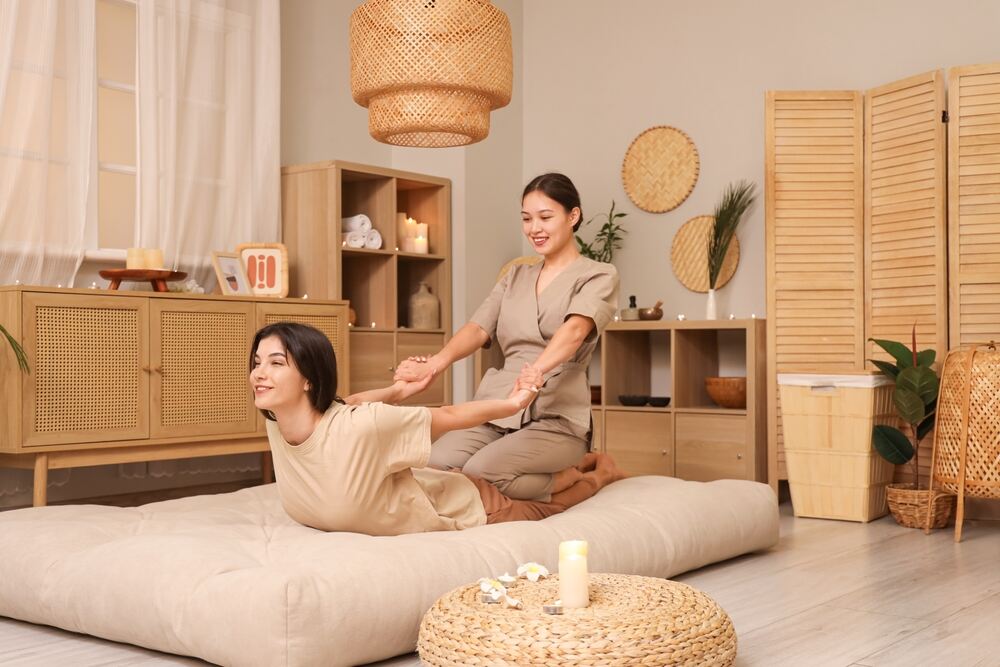
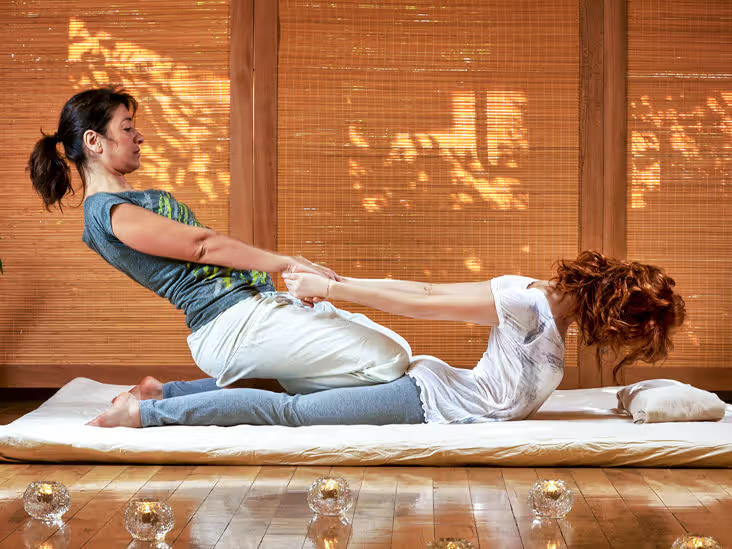
5. Thai or Assisted Stretching Massage
Combines stretching with pressure to increase mobility and energy flow.
Each style can be customized according to individual needs, whether for relaxation, pain relief, or rehabilitation.
When to Get a Back & Shoulder Massage
Regular massage can be beneficial for:
-
Office workers with desk-related tension
-
Athletes or fitness enthusiasts
-
Individuals experiencing chronic stress or anxiety
-
People recovering from minor injuries or muscle strain
Consistency enhances long-term benefits, while occasional sessions can provide immediate relief from acute tension.
Safety and Precautions
While back and shoulder massage is generally safe, certain precautions should be taken:
-
Avoid deep pressure if you have acute injuries, fractures, or skin conditions
-
Consult a healthcare provider if you have cardiovascular issues, high blood pressure, or recent surgery
-
Pregnant women should seek prenatal massage adaptations
-
Communicate with the therapist about discomfort or pain during the session
Proper technique and trained professionals ensure a safe and effective massage experience.
How to Maximize Benefits at Home
-
Posture Awareness: Maintain good posture throughout the day to prevent recurring tension.
-
Regular Stretching: Incorporate shoulder and back stretches into daily routines.
-
Hydration: Drinking water after massage aids in flushing out toxins.
-
Heat Therapy: Warm compresses can complement massage by relaxing muscles further.
-
Ergonomic Adjustments: Adjust workstations and seating to reduce strain on back and shoulders.
Conclusion
Back and shoulder massage is more than just a luxury—it is a vital tool for physical and mental wellness. By combining techniques such as effleurage, petrissage, friction, tapotement, and stretching, massage targets the most common areas of tension, promoting pain relief, flexibility, and relaxation. Whether you are managing stress, recovering from physical activity, or addressing chronic muscular tightness, incorporating regular back and shoulder massage can significantly improve quality of life.
From enhanced posture and mobility to reduced stress and improved circulation, the benefits of back and shoulder massage extend well beyond immediate comfort. Making this therapy a part of your wellness routine ensures long-term health, vitality, and resilience in today’s demanding lifestyle.
Read Also: Keep your face towards the sunshine and shadows will fall behind you
Watch Also: https://www.youtube.com/@TravelsofTheWorld24



Leave a Reply