
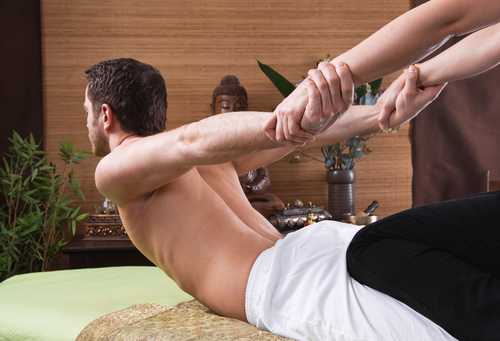
In today’s fast-paced world, where stress, fatigue, and sedentary lifestyles are increasingly common, holistic therapies that promote both physical and mental well-being are highly valued. Full Body Thai Yoga Massage, often referred to as Nuad Thai or Thai Yoga Massage, is an ancient healing practice that combines acupressure, assisted yoga stretches, rhythmic compression, and mindful breathing. This comprehensive therapy targets the entire body, aiming to restore balance, improve flexibility, and induce deep relaxation.
Originating over 2,500 years ago in Thailand, Thai Yoga Massage blends the philosophies of Ayurveda, traditional Chinese medicine, and Buddhist practices. It is considered both a therapeutic and spiritual practice, making it unique among massage modalities. This article provides an in-depth look at full-body Thai Yoga Massage, its techniques, benefits, and what to expect during a session.
What Is Full Body Thai Yoga Massage?
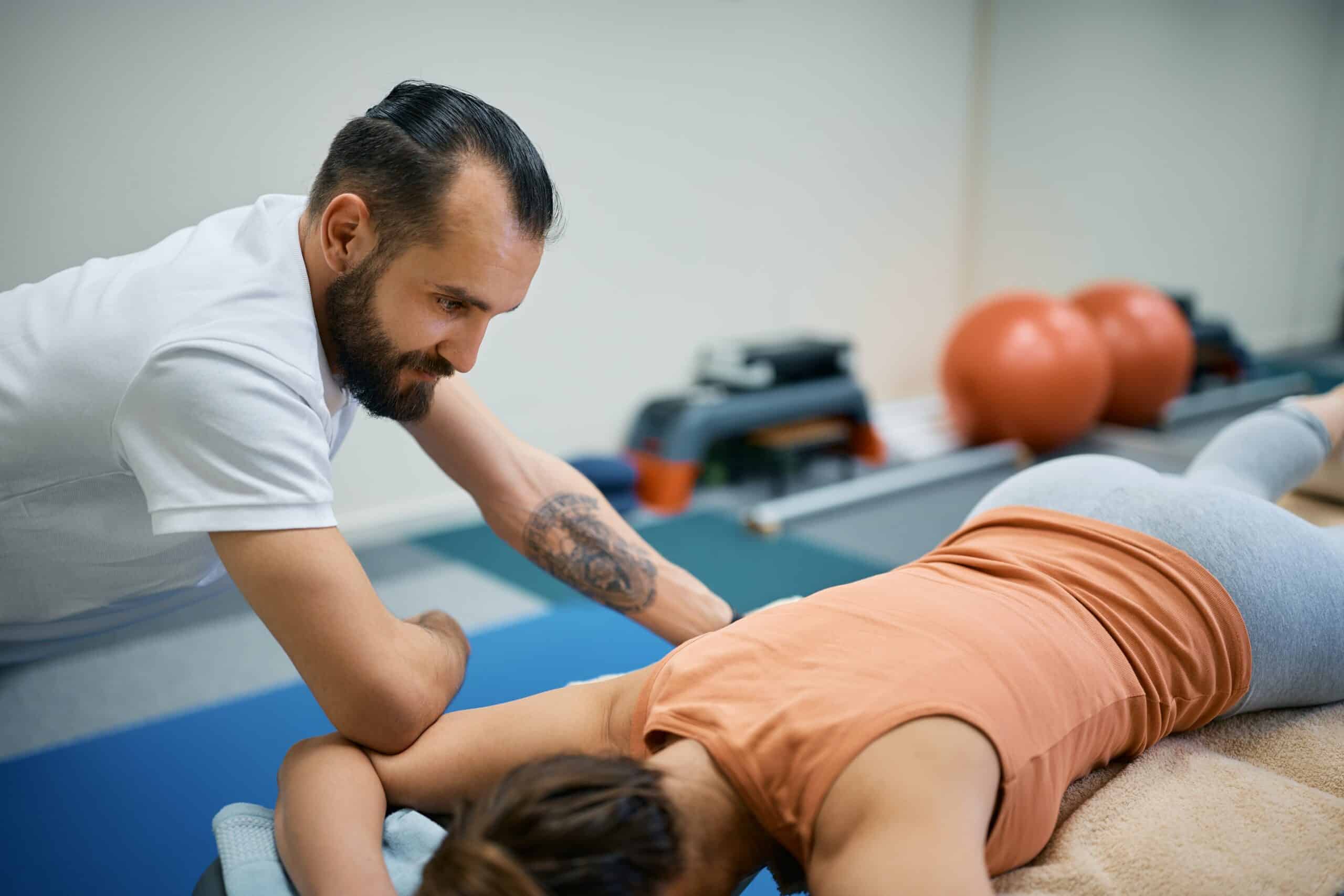
Thai Yoga Massage is a holistic therapy that focuses on energy lines (Sen lines) in the body, similar to meridians in Chinese medicine. Unlike Western massage styles, it is performed on a mat with the recipient fully clothed, allowing the therapist to use their hands, elbows, knees, and feet to apply pressure and guide assisted stretches.
A full-body session typically addresses all major areas of the body, including:
-
Feet and legs
-
Hips and lower back
-
Abdomen and chest
-
Arms and shoulders
-
Neck and head
The therapist works in a deliberate sequence, ensuring that every part of the body receives attention, promoting relaxation, flexibility, and balanced energy flow.
Techniques Used in Full Body Thai Yoga Massage
1. Palming and Thumbing
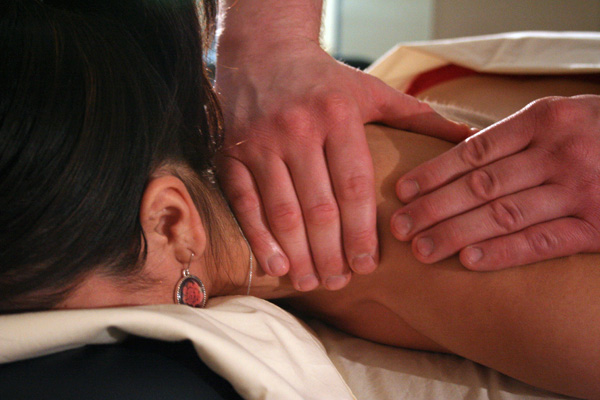
Therapists use their palms and thumbs to apply gentle to moderate pressure along the Sen lines. This rhythmic pressure helps release muscle tension, stimulates circulation, and balances energy flow.
Benefits:
-
Improves blood and lymphatic circulation
-
Releases deep muscle tension
-
Promotes relaxation and stress relief
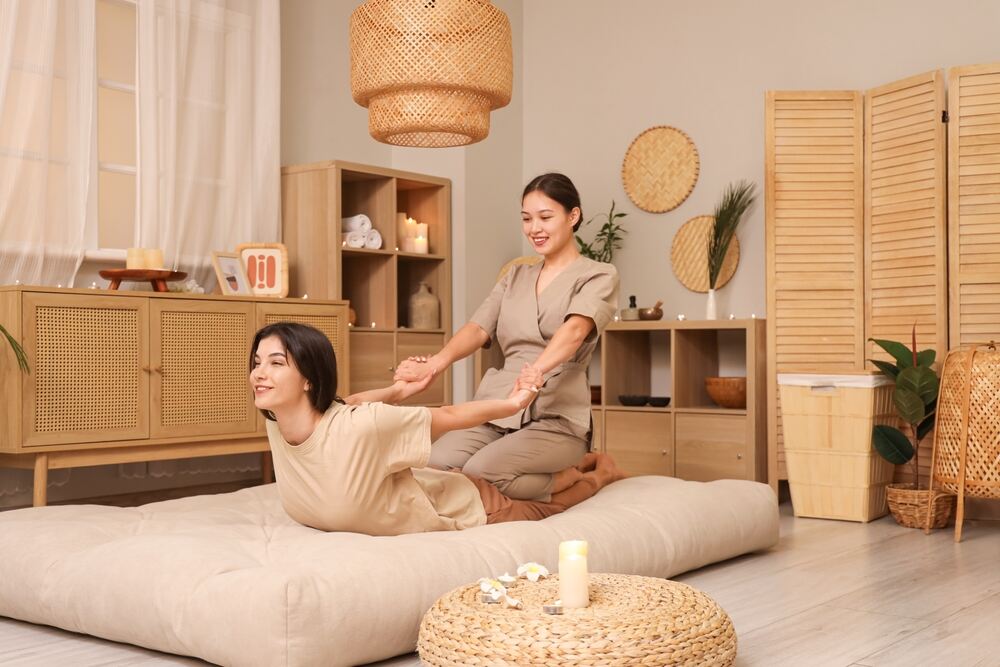
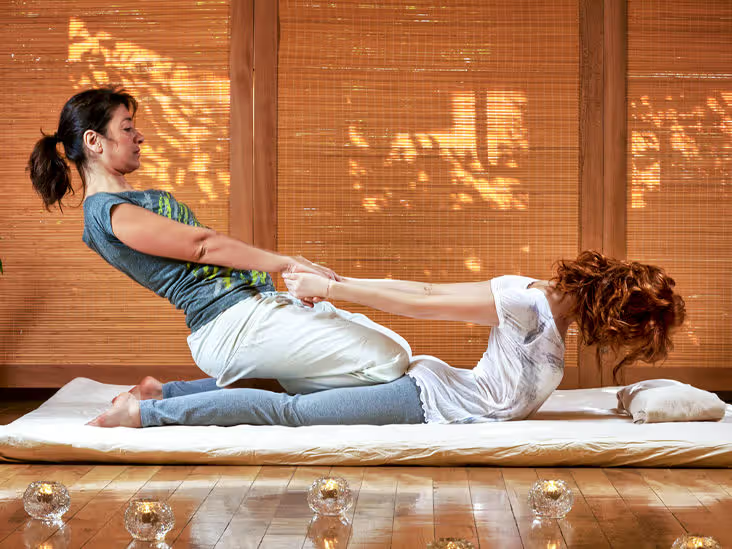
2. Assisted Stretching
Often referred to as “Lazy Man’s Yoga,” assisted stretching involves the therapist guiding the recipient into yoga-like postures.
Techniques Include:
-
Hip and leg stretches
-
Shoulder and arm extensions
-
Spinal twists
Benefits:
-
Enhances flexibility and joint mobility
-
Reduces stiffness and muscular tension
-
Improves posture and body alignment
3. Compression and Rocking
Therapists use gentle compression along muscles and energy lines, often combined with rocking movements to create a wave-like relaxation effect.
Benefits:
-
Deep relaxation of the nervous system
-
Improves circulation and energy flow
-
Releases stress and anxiety
4. Joint Mobilization
Slow and controlled movements guide joints through their natural range of motion, improving mobility and preventing stiffness.
Benefits:
-
Enhances joint flexibility
-
Reduces risk of injury
-
Supports active lifestyles
5. Energy Line Work
By following the ten major Sen lines, the therapist works on the body’s energy pathways to balance physical, mental, and emotional well-being.
Benefits:
-
Restores energy flow
-
Promotes vitality and balance
-
Complements physical therapy techniques
6. Mindful Breathing Integration
Both therapist and client focus on synchronized breathing, which deepens relaxation and enhances the therapeutic benefits of stretches and pressure.
Benefits:
-
Supports mental clarity and emotional balance
-
Encourages deep relaxation
-
Enhances the mind-body connection
Benefits of Full Body Thai Yoga Massage
Full-body Thai Yoga Massage offers a wide range of physical, mental, and emotional benefits:
Physical Benefits
-
Improved Flexibility: Stretching and joint mobilization lengthen muscles and improve range of motion.
-
Pain Relief: Targeted pressure reduces tension and alleviates chronic pain in the back, shoulders, hips, and legs.
-
Better Circulation: Palming and compression techniques enhance blood flow and oxygen delivery to muscles.
-
Posture Improvement: Regular sessions help correct muscular imbalances and spinal alignment.
Mental and Emotional Benefits
-
Stress Reduction: Mindful breathing and rhythmic movements calm the nervous system.
-
Emotional Release: Gentle stretches and energy work can help release stored emotional tension.
-
Increased Energy: Balanced energy flow along Sen lines leaves clients feeling rejuvenated and revitalized.
-
Enhanced Mind-Body Awareness: Encourages mindfulness and body awareness, promoting overall wellness.
What to Expect During a Full Body Thai Yoga Massage Session
Pre-Session
-
The client wears loose, comfortable clothing.
-
The therapist discusses health concerns, flexibility, and areas of focus.
-
A mat is prepared with a calm and relaxing environment, often with soft music and minimal lighting.
During the Session
-
The session usually starts at the feet and progresses upward to the head.
-
Techniques such as palming, thumbing, assisted stretching, compression, and rocking are applied sequentially.
-
Sessions can last anywhere from 60 to 120 minutes, depending on client needs.
Post-Session
-
Clients often feel deeply relaxed yet energized.
-
Mild muscle soreness may occur if deep stretches were performed, which usually resolves quickly.
-
Drinking water and resting for a few minutes helps integrate the benefits.
Who Can Benefit from Full Body Thai Yoga Massage?
Thai Yoga Massage is suitable for almost anyone, especially:
-
Individuals with sedentary lifestyles seeking flexibility and stress relief
-
Athletes or active individuals needing muscle recovery and enhanced mobility
-
People experiencing chronic pain or muscular tension
-
Anyone seeking holistic wellness and mind-body balance
Modifications can be made for elderly clients, pregnant women (with prenatal adaptations), or those with limited mobility.
Thai Yoga Massage vs Other Massage Styles
Compared to Western massage techniques such as Swedish or deep tissue massage, Thai Yoga Massage:
-
Involves active assisted stretching rather than passive strokes
-
Focuses on energy balance along Sen lines
-
Encourages mind-body integration through breathing and awareness
-
Uses body weight and leverage, not just muscle strength, for pressure application
While Western massages are excellent for localized muscle tension, Thai Yoga Massage provides a holistic approach addressing flexibility, posture, energy flow, and mental relaxation.
Frequency and Recommendations
-
General wellness: Every 2–4 weeks
-
Chronic tension or active recovery: Weekly sessions may be beneficial
-
Athletes: Sessions can be tailored before or after training for performance enhancement
Consistency enhances flexibility, posture, and overall well-being.
Safety Considerations
Full-body Thai Yoga Massage is generally safe, but precautions include:
-
Avoid deep pressure or certain stretches if you have recent injuries
-
Pregnant women should receive prenatal adaptations
-
People with severe osteoporosis, cardiovascular conditions, or acute illness should consult a healthcare provider
-
Always communicate with the therapist about comfort and pain levels
Conclusion
Full Body Thai Yoga Massage is a unique, comprehensive therapy that addresses the physical, mental, and energetic aspects of well-being. By combining assisted stretching, acupressure, compression, and mindful breathing, it provides profound relaxation, improved flexibility, pain relief, and rejuvenation.
Whether seeking stress reduction, athletic recovery, or a holistic wellness experience, full-body Thai Yoga Massage offers a timeless, effective approach to nurturing the body, calming the mind, and restoring balance. Regular sessions can help maintain an active, healthy lifestyle while fostering long-term physical and emotional vitality.
Read Also: Keep your face towards the sunshine and shadows will fall behind you
Watch Also: https://www.youtube.com/@TravelsofTheWorld24



Leave a Reply