
In today’s fast-paced and physically demanding world, maintaining an active lifestyle can take a toll on both the body and mind. For athletes, fitness enthusiasts, or anyone leading a physically engaged life, massage therapy is a key tool for recovery, flexibility, and stress management. However, not all massages are created equal. Thai massage and regular (Western-style) massage offer distinct benefits and techniques, making it important to understand which approach best supports an active lifestyle.
This article explores the differences between Thai massage and regular massage, highlighting their unique benefits for mobility, recovery, and overall wellness.
Understanding Thai Massage
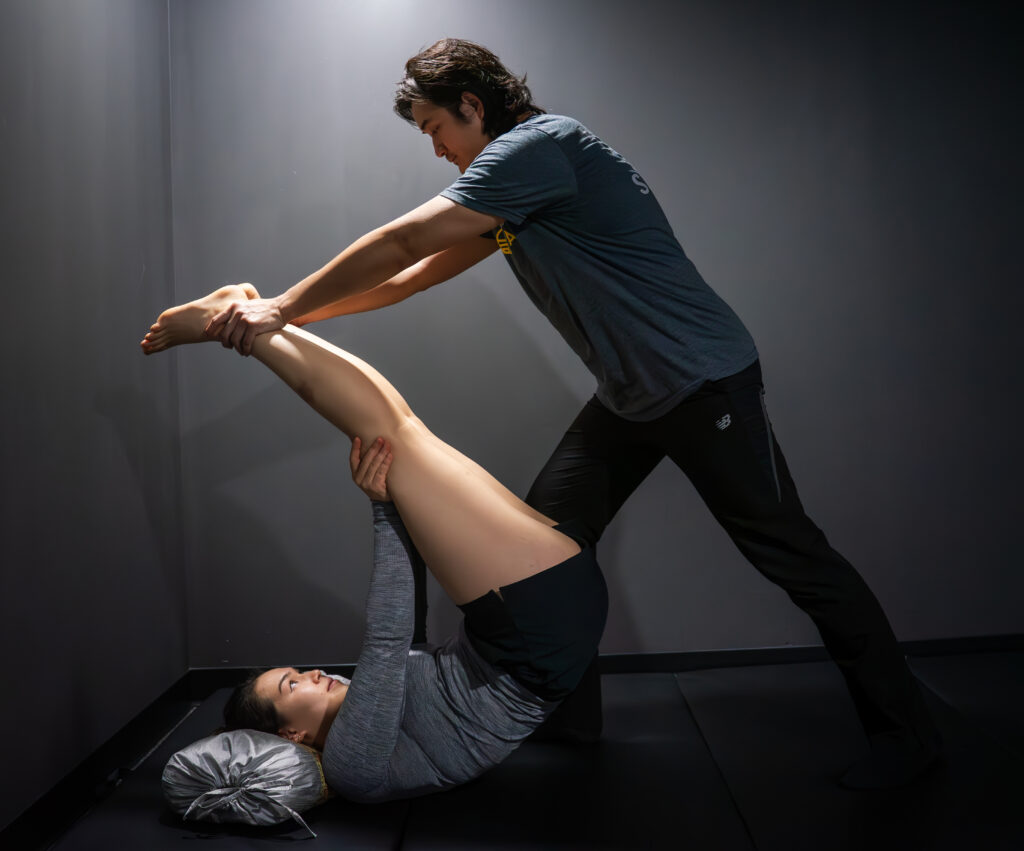
Thai massage, also known as Nuad Thai or Thai Yoga Massage, is an ancient healing practice that originated over 2,500 years ago. Influenced by Ayurveda and traditional Chinese medicine, Thai massage combines:
-
Assisted yoga-like stretches
-
Rhythmic compression and palming
-
Energy line (Sen) stimulation
-
Mindful breathing and movement
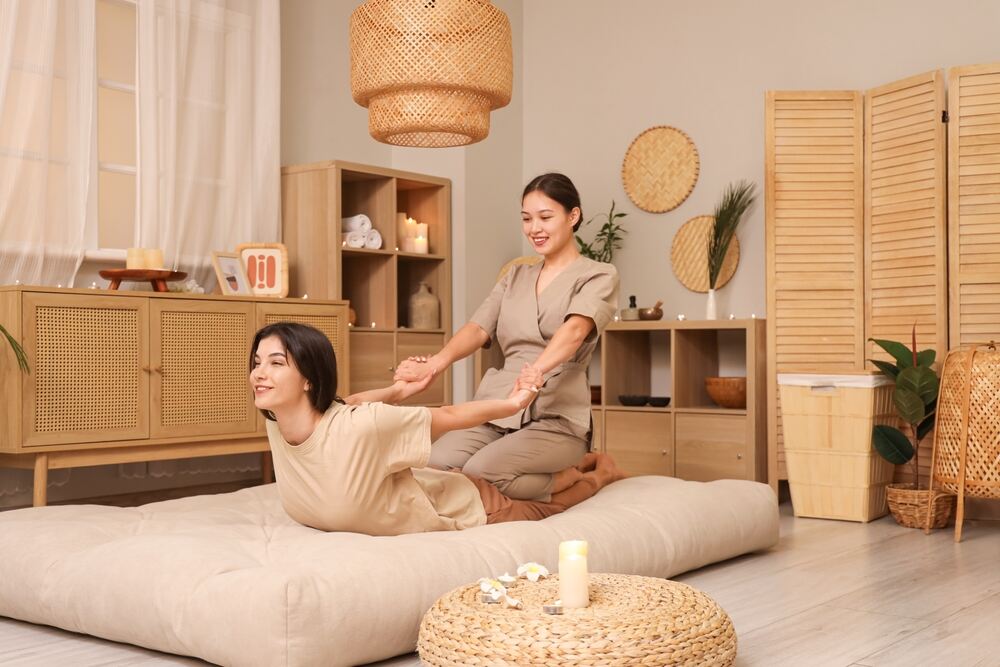
It is performed on a mat with the recipient fully clothed, allowing the therapist to use body weight and leverage to guide stretches and apply pressure.
Key Features of Thai Massage
-
Whole-body approach: Focuses on balancing energy and addressing all major muscle groups.
-
Dynamic stretching: Moves joints and muscles through a full range of motion.
-
Energy work: Stimulates Sen lines to enhance circulation and vitality.
-
Mind-body integration: Encourages relaxation while promoting mental clarity.
Understanding Regular Massage
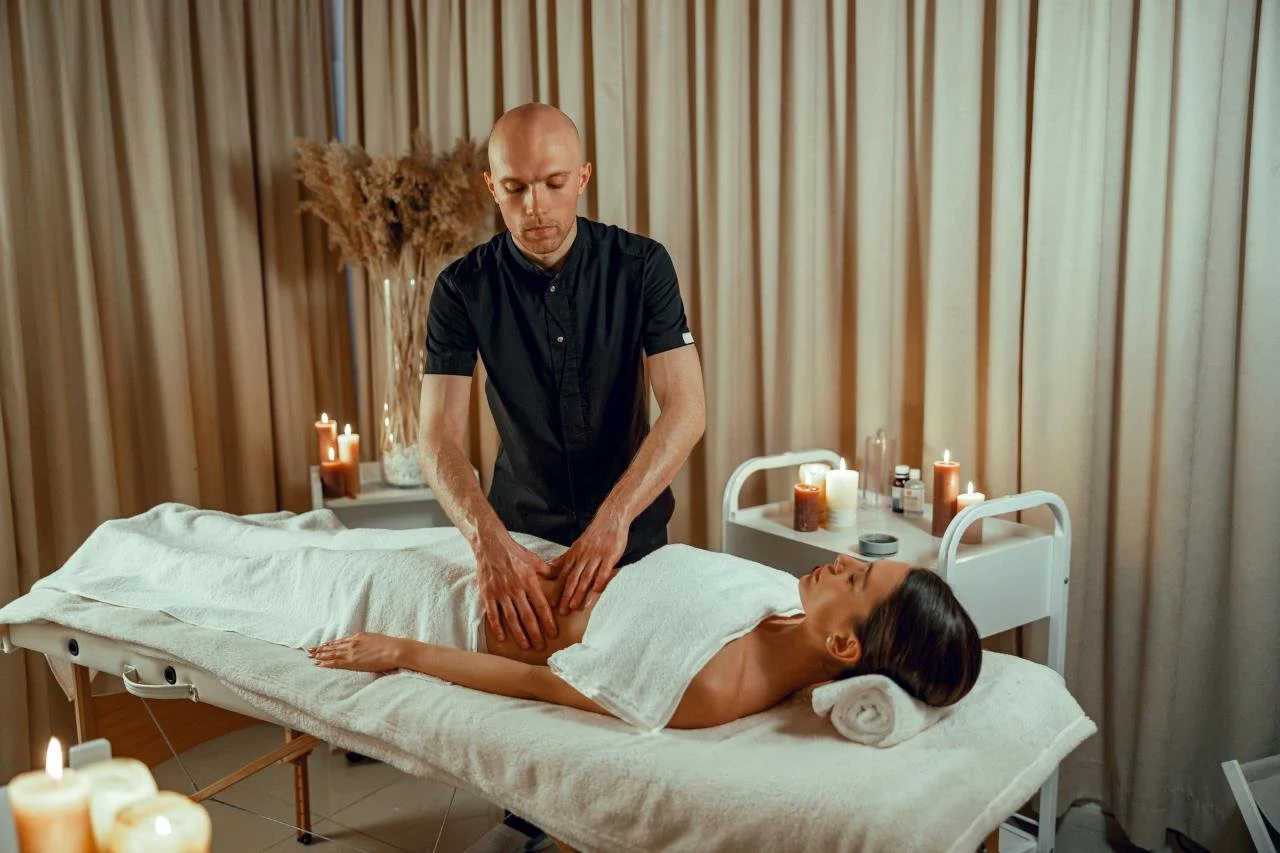
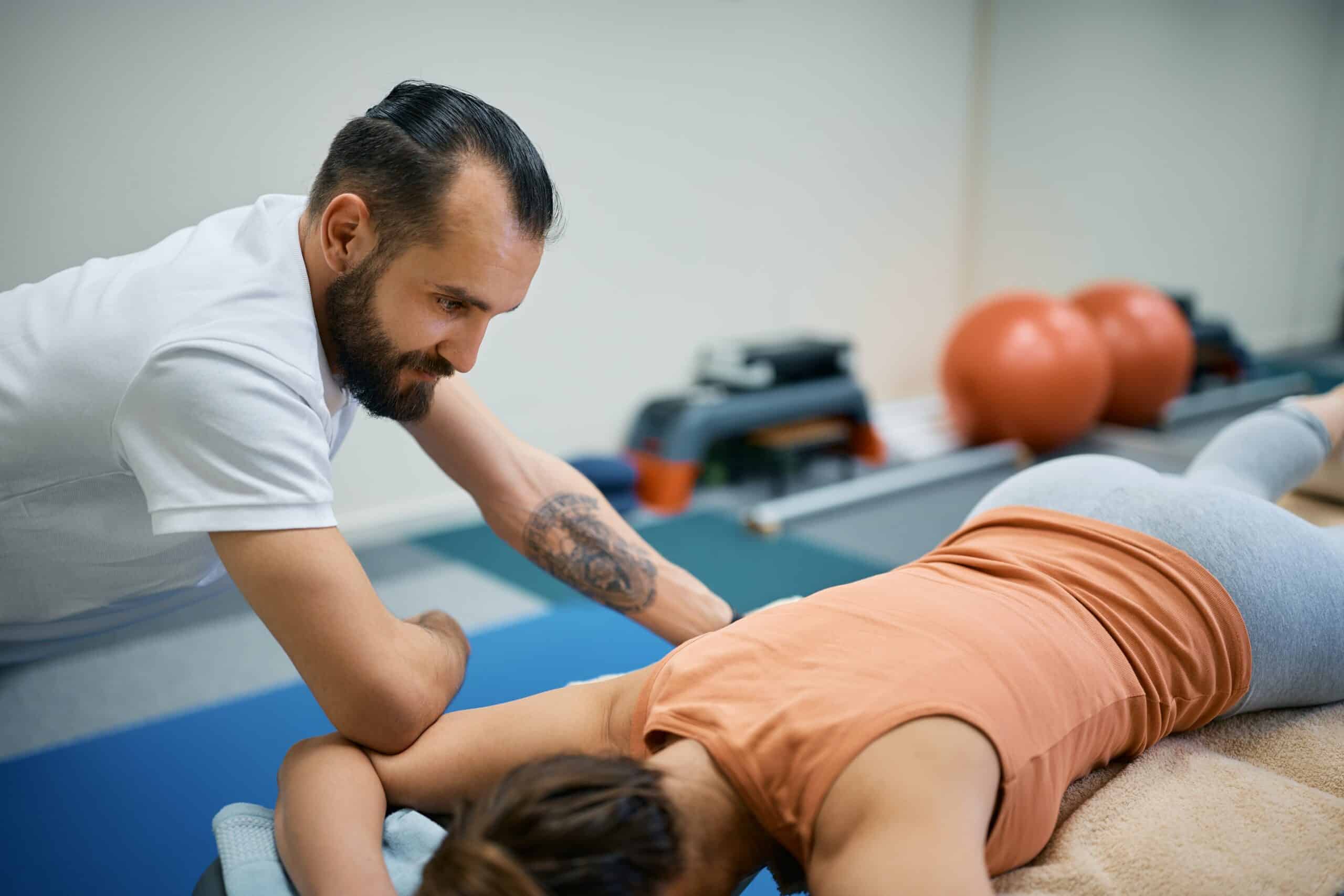
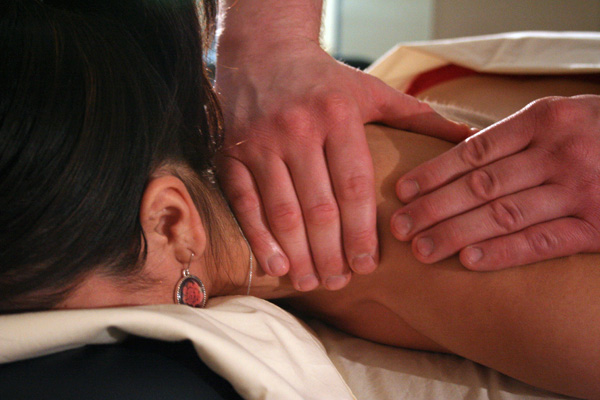
Regular massage, often referred to as Western or Swedish massage, focuses primarily on the muscles. It uses techniques like kneading, stroking, and tapping to relieve tension, improve circulation, and promote relaxation.
Key Features of Regular Massage
-
Muscle-focused: Targets specific areas of tension or soreness.
-
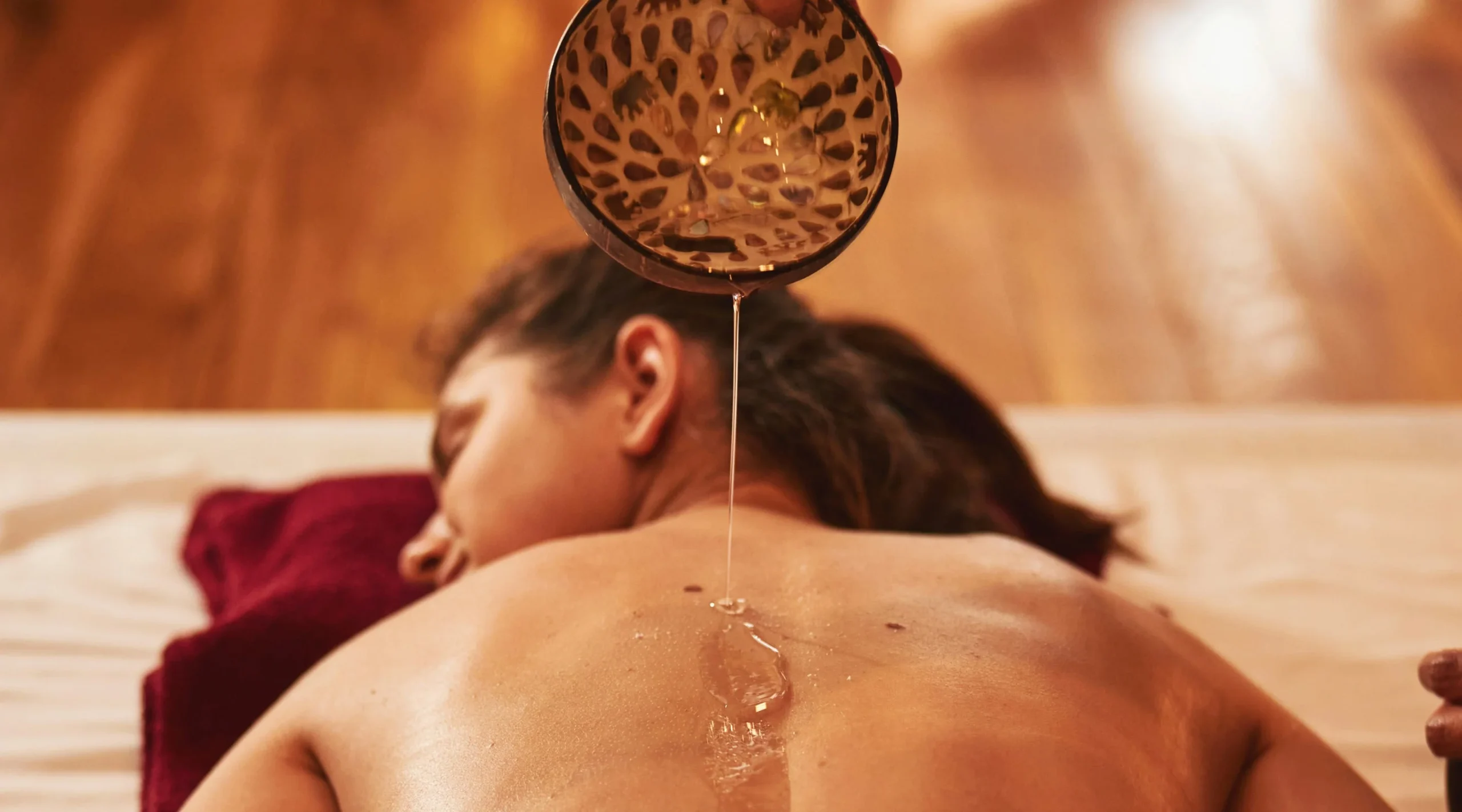
Oil-based or lotion-based: Facilitates smooth, gliding movements.
-
Variety of styles: Includes Swedish, deep tissue, sports, and trigger point massage.
-
Passive experience: The client remains relaxed while the therapist performs the work.
Comparing Techniques: Thai Massage vs Regular Massage
| Feature | Thai Massage | Regular Massage |
|---|---|---|
| Client Position | Fully clothed, mat-based, moves between supine, prone, and side-lying | Typically unclothed, table-based, lying mostly supine or prone |
| Pressure | Body weight, palms, thumbs, elbows, knees, and feet | Hands, fingers, and sometimes forearms; pressure is manual and targeted |
| Movement | Includes assisted stretches and yoga-like postures | Mostly passive strokes and muscle manipulation |
| Energy Work | Focuses on Sen lines for holistic energy balance | Minimal focus on energy; primarily physical muscle therapy |
| Mind-Body Integration | Encourages breathing awareness and meditative state | Primarily relaxation-focused; less emphasis on energy pathways |
Benefits for Active Living
For individuals leading active lifestyles, both Thai and regular massage provide essential benefits. Understanding the unique advantages of each helps you choose the most suitable therapy.
1. Flexibility and Range of Motion
-
Thai Massage: Assisted stretching gently lengthens muscles and mobilizes joints, improving overall flexibility and preventing injuries.
-
Regular Massage: Helps loosen tight muscles and fascia but typically does not move joints through full ranges of motion.
2. Muscle Recovery and Soreness Relief
-
Thai Massage: Combines compression and stretching, which reduces muscle tension and promotes blood flow to fatigued areas.
-
Regular Massage: Techniques like deep tissue or sports massage directly target sore muscles and knots, accelerating recovery.
3. Stress and Mental Recovery
-
Thai Massage: The mindful, meditative approach helps calm the nervous system, reduce anxiety, and improve focus.
-
Regular Massage: Relieves stress through relaxation and the release of tension, though without the same energy-balancing component.
4. Injury Prevention and Posture Support
-
Thai Massage: Encourages proper alignment, corrects muscular imbalances, and strengthens joint mobility through guided stretching.
-
Regular Massage: Focuses on releasing existing tension but does less to realign posture or prevent future injuries.
5. Energy and Vitality
-
Thai Massage: Stimulating the Sen lines can boost energy flow, enhance circulation, and create a feeling of rejuvenation.
-
Regular Massage: Leaves clients relaxed and temporarily energized through tension release, but energy work is not a primary focus.
When to Choose Thai Massage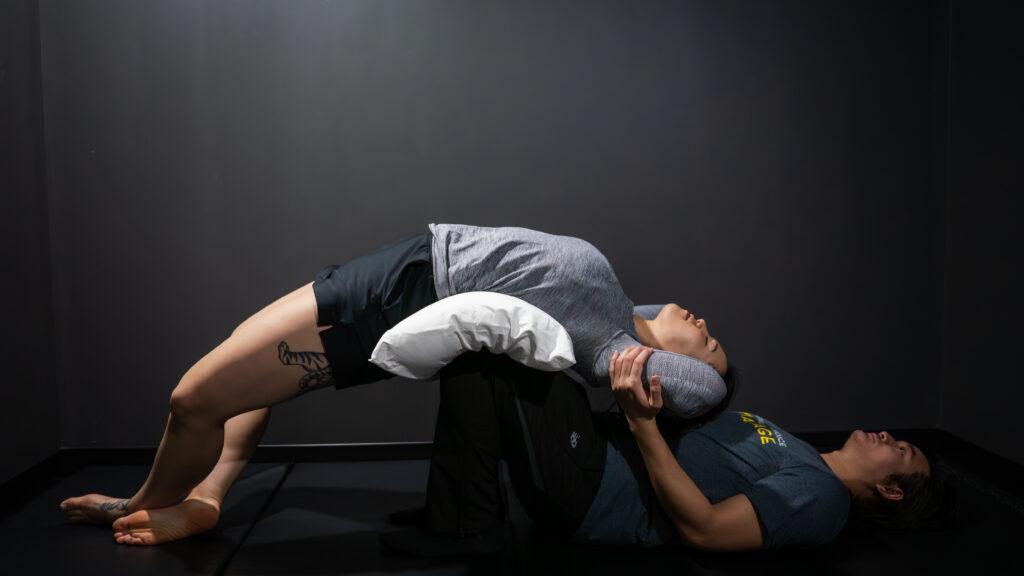
Thai massage is particularly beneficial for:
-
Athletes seeking improved flexibility and joint mobility
-
Individuals experiencing chronic tension or stiffness from an active lifestyle
-
Those interested in mind-body wellness and holistic energy balance
-
People looking for a meditative, relaxing experience that combines stretching and muscle work
The dynamic and full-body nature of Thai massage makes it ideal for those who want a comprehensive approach to recovery and performance enhancement.
When to Choose Regular Massage
Regular massage is most effective for:
-
Targeted muscle recovery after workouts or competitions
-
Relief from localized pain or chronic muscle knots
-
Individuals who prefer a passive, hands-on relaxation experience
-
First-time clients or those who may find assisted stretching uncomfortable
Sports massage, deep tissue, or Swedish massage can be tailored to the specific needs of active individuals focusing on muscle performance.
Integrating Both for Maximum Benefit
For optimal results, active individuals can combine both Thai and regular massage therapies:
-
Thai massage for flexibility, energy flow, and full-body rejuvenation
-
Regular massage for targeted muscle recovery and tension release
Alternating between these approaches can improve performance, reduce injury risk, and enhance overall wellness.
Safety Considerations
While both massage styles are generally safe, consult a professional if you have:
-
Recent injuries or surgeries
-
Joint or bone conditions
-
High-risk pregnancy
-
Severe cardiovascular issues
Communication with your therapist about intensity and areas of focus ensures a safe and effective session.
Conclusion
Both Thai massage and regular massage provide significant benefits for active living, yet they serve different purposes. Thai massage emphasizes holistic energy balance, flexibility, and mind-body connection, making it ideal for overall rejuvenation and preventive care. Regular massage focuses on muscle-specific relief and recovery, supporting performance and alleviating localized tension.
Understanding these differences allows individuals to make informed choices, ensuring that massage therapy becomes an essential part of their active lifestyle. Integrating both approaches can lead to stronger, more flexible muscles, better posture, faster recovery, and a sense of deep relaxation that supports both body and mind.
Read Also: Keep your face towards the sunshine and shadows will fall behind you
Watch Also: https://www.youtube.com/@TravelsofTheWorld24










Leave a Reply