
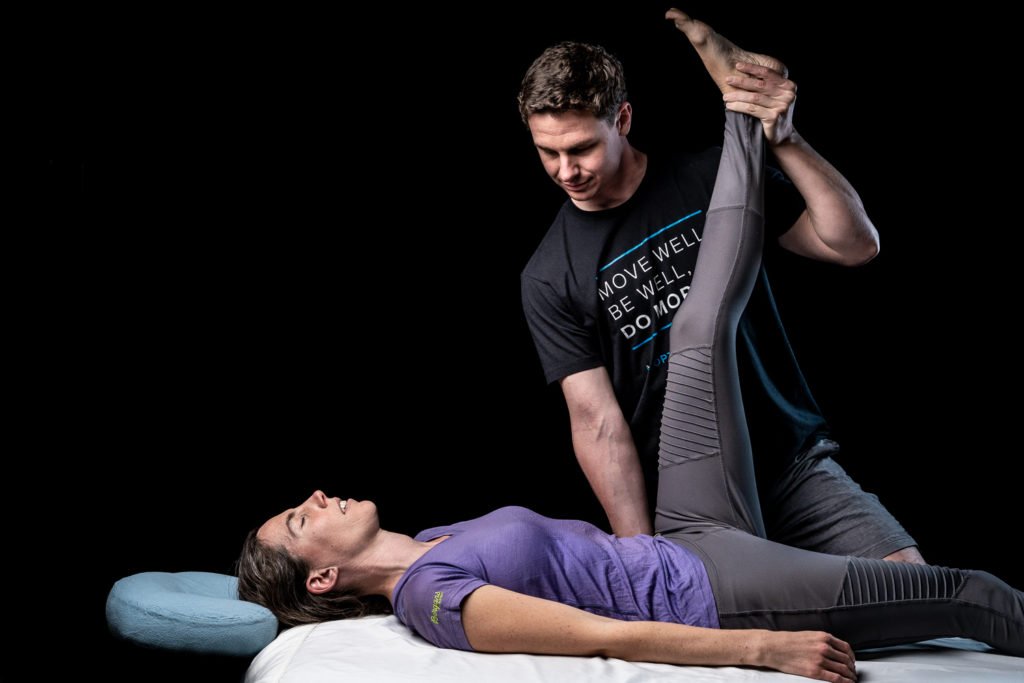
In a fast-paced world filled with constant stress, physical strain, and mental fatigue, finding a holistic way to relax and recharge has become essential. Thai Yoga Massage, often called Lazy Man’s Yoga, offers a deeply restorative experience that nurtures both the body and the mind. Rooted in ancient healing traditions, this therapeutic practice blends assisted yoga stretches, acupressure, rhythmic compression, and mindful breathing to create profound relaxation and lasting rejuvenation.
This article explores how Thai Yoga Massage works, what makes it unique, and why it is widely recognized as one of the most effective holistic therapies for deep relaxation and renewal.
What Is Thai Yoga Massage?
Thai Yoga Massage is a traditional healing system originating in Thailand over 2,500 years ago. Influenced by Ayurveda, traditional Chinese medicine, and Buddhist philosophy, it is based on the belief that energy flows through the body along pathways known as Sen lines. When these energy lines become blocked, physical discomfort and emotional stress can arise.
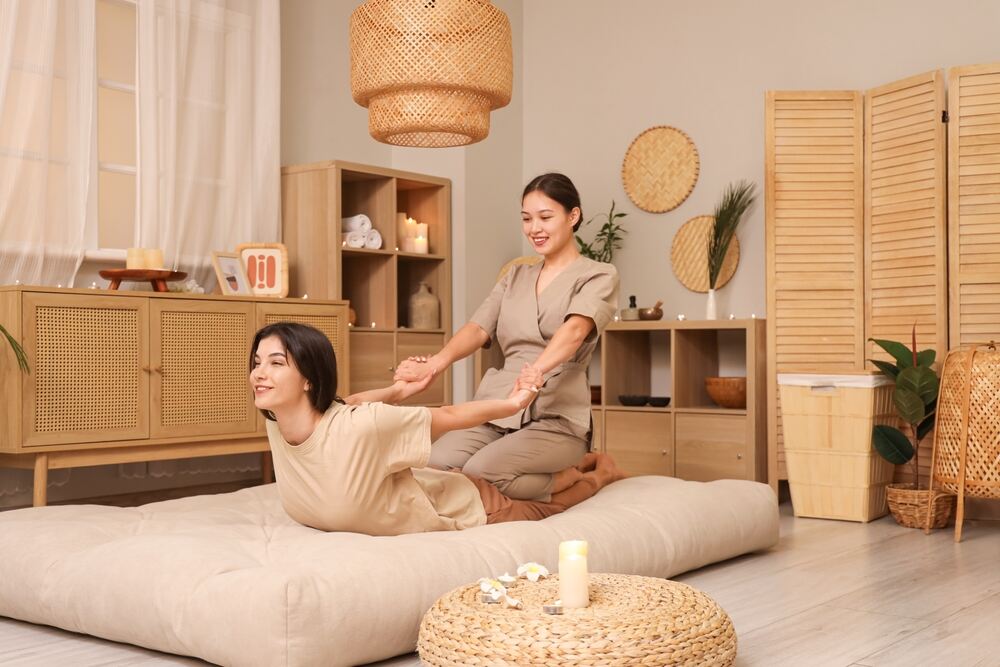
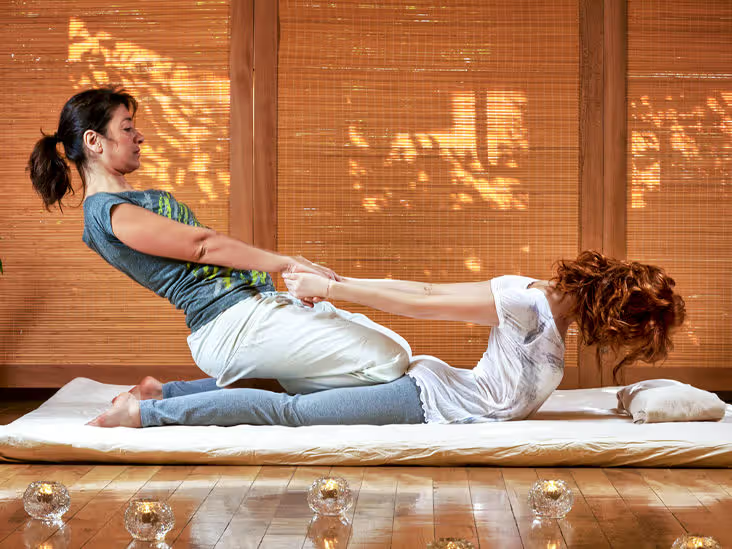
Unlike oil-based massages performed on tables, Thai Yoga Massage is done on a floor mat with the recipient fully clothed. The practitioner uses their hands, thumbs, elbows, knees, and feet to apply rhythmic pressure while guiding the body into gentle yoga-like stretches.
The Philosophy Behind Thai Yoga Massage
At the heart of Thai Yoga Massage is the idea of balance—balance between effort and ease, movement and stillness, body and breath. The practice is often described as a moving meditation for both the therapist and the receiver.
The therapist works mindfully, synchronizing movements with breath and maintaining a calm, centered presence. This intentional approach allows the body to relax deeply while the mind enters a meditative state.
How Thai Yoga Massage Promotes Deep Relaxation
1. Rhythmic Compression
Gentle, rhythmic pressure applied along the Sen lines calms the nervous system. This repetitive motion helps the body shift from a stress response into a state of rest and relaxation.
2. Assisted Stretching
The therapist guides the body into slow, controlled stretches that release muscle tension without effort from the client. These stretches improve flexibility while encouraging deep breathing and mental release.
3. Energy Line Stimulation
By working along the Sen lines, Thai Yoga Massage helps restore the natural flow of energy throughout the body, creating a sense of lightness and vitality.
4. Breath Awareness
Both therapist and client focus on deep, natural breathing. This enhances oxygen flow, reduces anxiety, and supports emotional balance.
Physical Benefits of Thai Yoga Massage
Thai Yoga Massage offers a wide range of physical benefits that extend beyond simple relaxation.
Improved Flexibility and Mobility
Regular sessions help lengthen muscles, open joints, and improve range of motion, making everyday movements feel easier and more fluid.
Relief from Muscle Tension and Pain
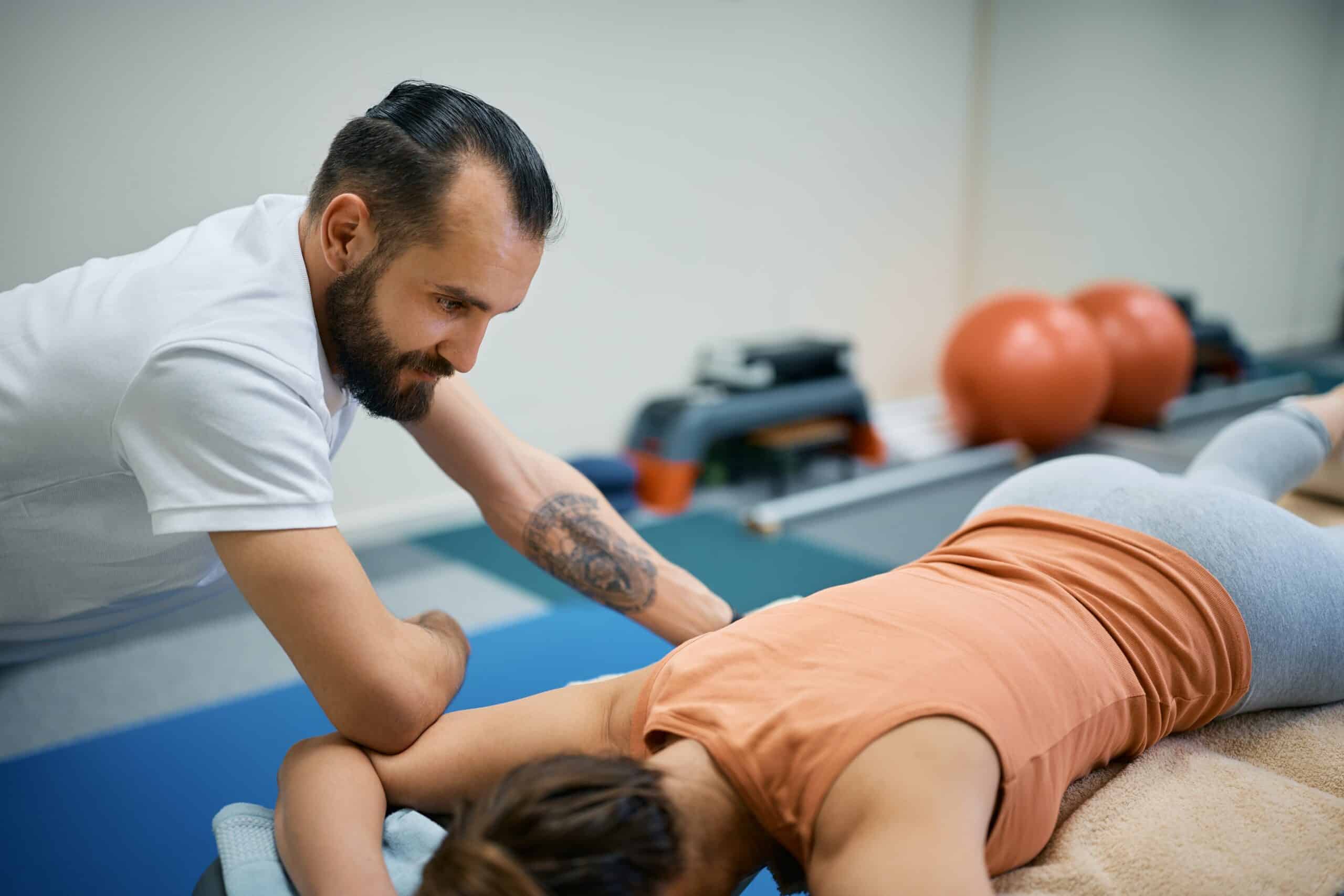
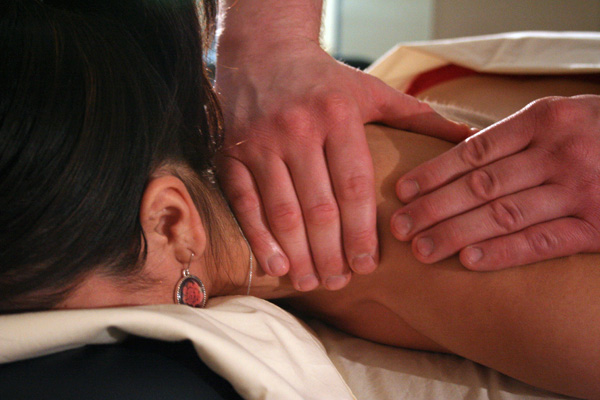
Targeted pressure and stretching release chronic tension, particularly in the neck, shoulders, hips, and lower back.
Enhanced Circulation
Compression and stretching encourage better blood and lymphatic flow, supporting detoxification and faster muscle recovery.
Better Posture and Alignment
By loosening tight muscles and mobilizing joints, Thai Yoga Massage helps correct postural imbalances caused by prolonged sitting or repetitive movements.
Mental and Emotional Rejuvenation
Thai Yoga Massage is not only beneficial for the body—it is equally powerful for mental and emotional well-being.
Stress and Anxiety Reduction
The slow pace, rhythmic movements, and mindful breathing help quiet the mind and reduce stress hormones.
Improved Mental Clarity
Many clients report feeling mentally refreshed, focused, and emotionally balanced after a session.
Emotional Release
Gentle stretching and energy work can help release stored emotional tension, promoting a sense of inner peace and emotional freedom.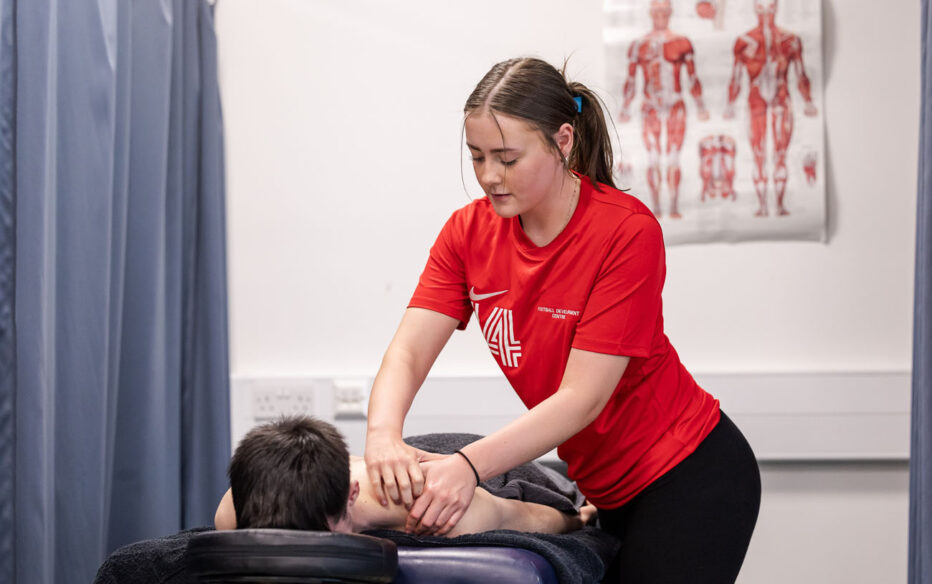
What to Expect During a Thai Yoga Massage Session
Before the Session
You will be asked to wear loose, comfortable clothing. The therapist may discuss your health history, flexibility level, and specific concerns.
During the Session
The session typically begins at the feet and gradually works upward. You will be guided through a series of stretches and compressions while lying on your back, side, stomach, and sometimes sitting.
The therapist uses body weight rather than force, ensuring the experience is both safe and comfortable.
After the Session
After the massage, you may feel deeply relaxed, light, and energized. Drinking water and resting briefly helps integrate the benefits.
Who Can Benefit from Thai Yoga Massage?
Thai Yoga Massage is suitable for a wide range of people, including:
-
Office workers with sedentary lifestyles
-
Athletes and fitness enthusiasts
-
Individuals experiencing chronic stress or fatigue
-
People seeking holistic wellness
With proper modifications, it can also be adapted for elderly clients or those with limited mobility.
Thai Yoga Massage vs Other Massage Styles
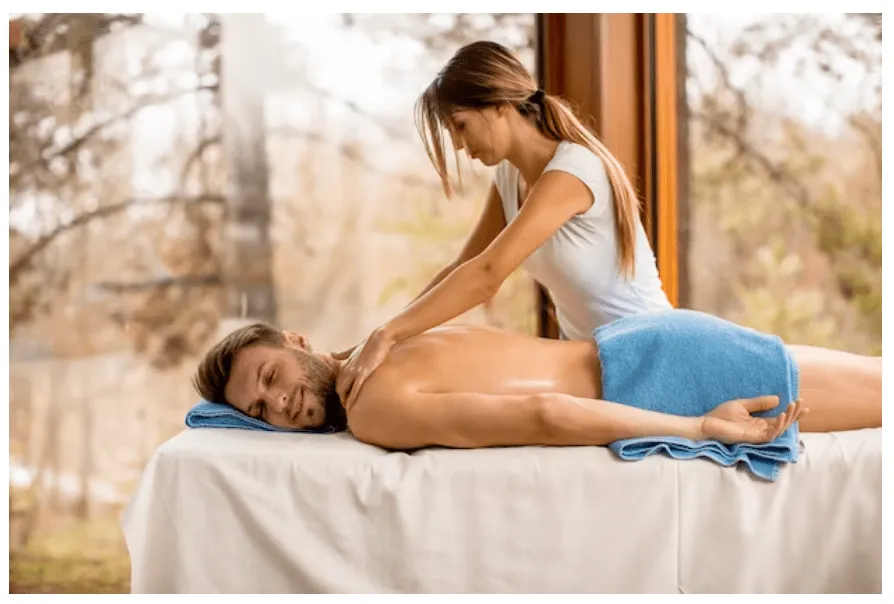
Unlike Swedish or deep tissue massage, Thai Yoga Massage does not rely on oils or repetitive muscle kneading. Instead, it emphasizes whole-body movement, energy balance, and assisted stretching.
Compared to yoga practice, Thai Yoga Massage allows the body to receive the benefits of yoga without physical effort, making it accessible to people of all fitness levels.
How Often Should You Receive Thai Yoga Massage?
For general wellness and stress relief, a session once every two to four weeks is ideal. For chronic pain, stiffness, or athletic recovery, weekly sessions may provide better results.
Consistency enhances the long-term benefits of flexibility, relaxation, and energy balance.
Safety Considerations
Thai Yoga Massage should be avoided or modified in cases of:
-
Recent surgery or severe injuries
-
High-risk pregnancy
-
Severe osteoporosis
-
Certain cardiovascular conditions
Always inform your therapist of any health concerns before the session.
Conclusion
Thai Yoga Massage offers a unique and powerful path to deep relaxation and rejuvenation. By combining assisted yoga stretches, acupressure, rhythmic compression, and mindful breathing, it addresses the body, mind, and energy system as a whole.
Whether you are seeking stress relief, improved flexibility, pain reduction, or a deeper sense of inner calm, Thai Yoga Massage provides a time-tested, holistic approach to complete well-being. Experiencing this ancient practice is not just a massage—it is a journey toward balance, renewal, and lasting vitality.
Read Also: Keep your face towards the sunshine and shadows will fall behind you
Watch Also: https://www.youtube.com/@TravelsofTheWorld24






Leave a Reply