
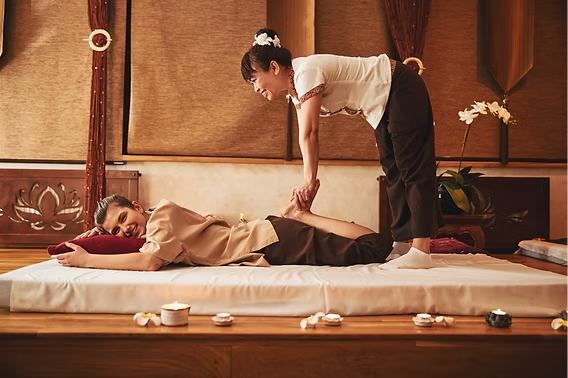
Thai massage, often referred to as Nuad Thai or Thai Yoga Massage, is an ancient healing system that combines acupressure, assisted yoga postures, rhythmic compression, and energy work. Unlike Western massage styles that focus mainly on muscle manipulation using oils, Thai massage is performed on a mat, with the client fully clothed, and emphasizes holistic balance of body, mind, and energy.
Rooted in more than 2,500 years of tradition, Thai massage is deeply influenced by Ayurveda, traditional Chinese medicine, and Buddhist philosophy. Understanding its different techniques helps explain why it is considered both a therapeutic treatment and a moving meditation. This article explores the core techniques used in Thai massage and how each contributes to overall wellness.
The Philosophy Behind Thai Massage Techniques
Thai massage is based on the concept of Sen lines, which are invisible energy pathways similar to meridians in Chinese medicine or nadis in Ayurveda. There are believed to be 72,000 Sen lines in the body, but traditional Thai massage focuses on ten major ones.
Blockages or imbalances in these energy lines are thought to cause physical discomfort, emotional stress, and illness. Thai massage techniques aim to release these blockages, improve circulation, restore flexibility, and promote deep relaxation.
1. Palming Techniques
What It Is
Palming is one of the most fundamental techniques in Thai massage. The therapist uses the palms of the hands to apply rhythmic pressure along the body, particularly along the Sen lines.
How It Works
Pressure is applied slowly and evenly, often in a rocking or pulsing motion. The therapist uses body weight rather than muscle strength, allowing for deep yet gentle compression.
Benefits
-
Improves blood and lymphatic circulation
-
Relaxes large muscle groups
-
Calms the nervous system
-
Prepares the body for deeper stretches
Palming is commonly used on the back, legs, arms, and shoulders and often serves as the opening technique in a Thai massage session.
2. Thumbing Techniques
What It Is
Thumbing involves applying focused pressure using the thumbs along specific points or Sen lines.
How It Works
The therapist presses, releases, and moves rhythmically along energy pathways. Thumbing can be done with static pressure or in a walking motion, alternating thumbs.
Benefits
-
Releases deep muscle tension
-
Stimulates energy flow
-
Relieves localized pain
-
Enhances joint mobility
This technique is especially effective for treating tight shoulders, neck stiffness, plantar fasciitis, and lower back pain.
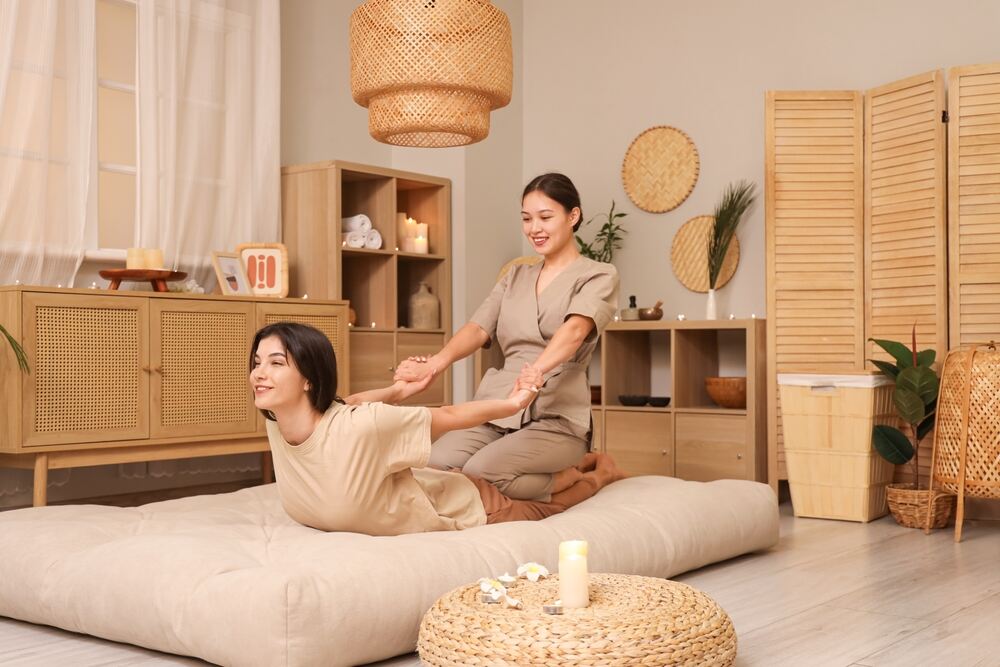
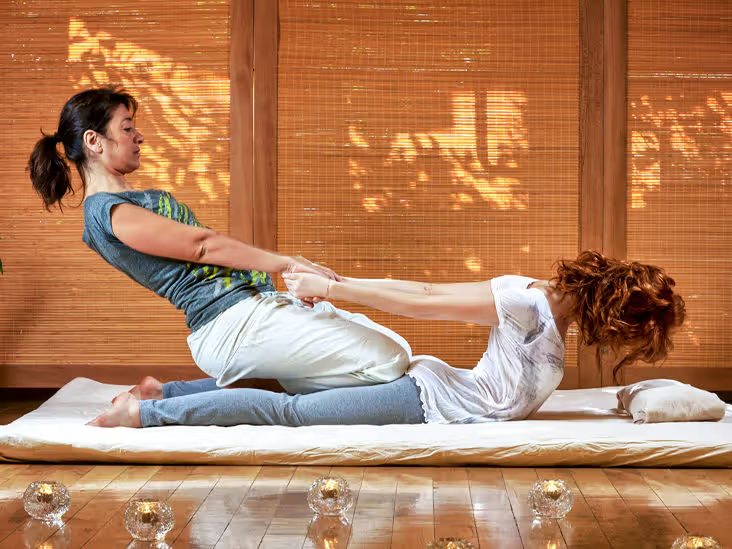
3. Stretching and Assisted Yoga Postures
What It Is
Stretching is the most recognizable aspect of Thai massage and is why it’s often called “Lazy Man’s Yoga.”
How It Works
The therapist gently guides the client into yoga-like postures, using hands, arms, knees, and feet to support and deepen the stretch.
Benefits
-
Increases flexibility
-
Improves joint range of motion
-
Releases muscular and fascial tension
-
Enhances posture and alignment
These stretches are tailored to the client’s body and ability, making them accessible even to those who don’t practice yoga.
4. Rocking Techniques
What It Is
Rocking involves gentle, rhythmic movements that rock parts of the body back and forth.
How It Works
Instead of static pressure, the therapist uses fluid motion to create a soothing, wave-like effect.
Benefits
-
Deeply relaxing for the nervous system
-
Reduces muscle guarding
-
Improves circulation
-
Ideal for sensitive or elderly clients
Rocking techniques are often used as a transition between deeper techniques or toward the end of a session to encourage relaxation.
5. Compression Techniques
What It Is
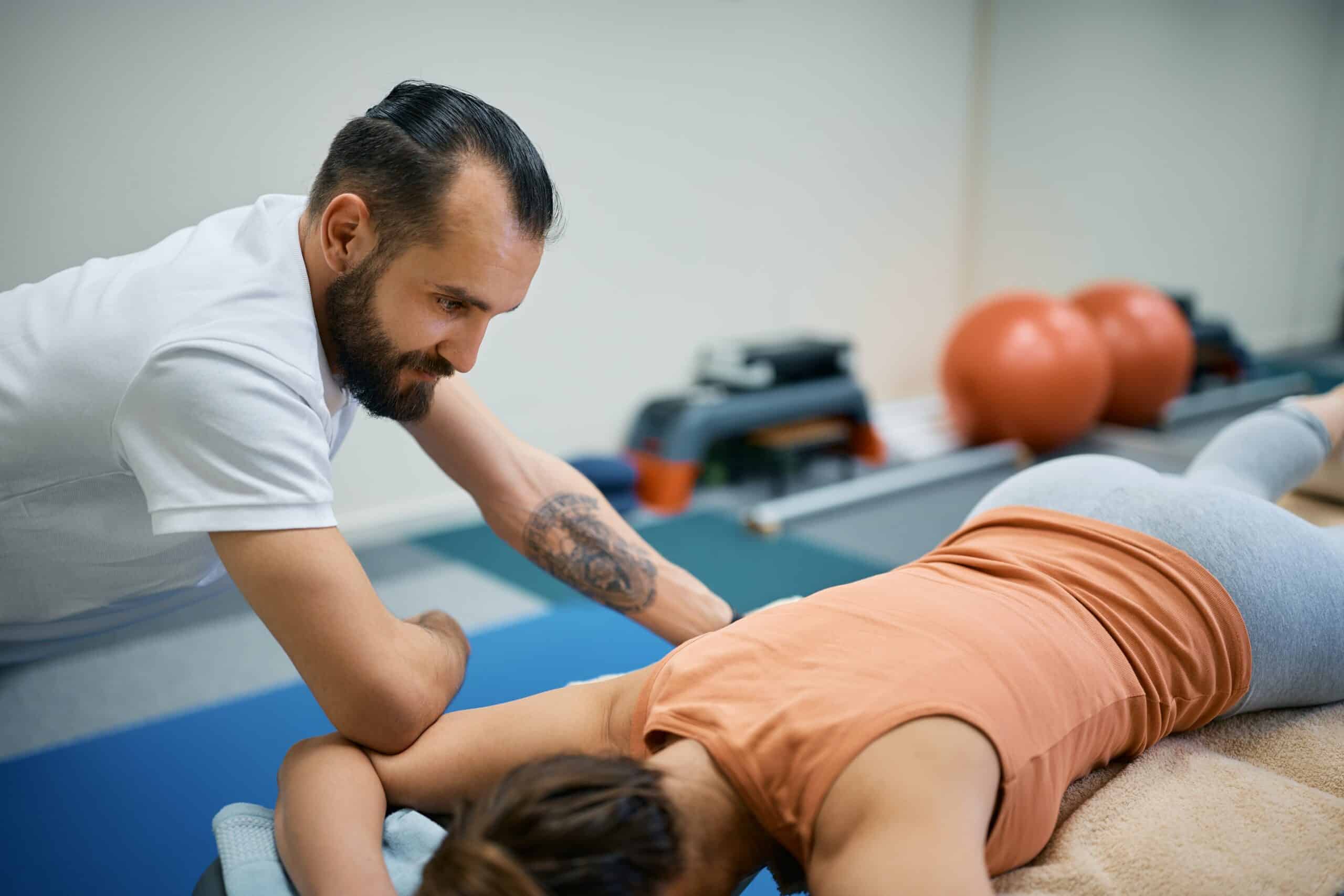
Compression uses hands, forearms, elbows, knees, or feet to apply sustained pressure to muscles.
How It Works
Pressure is applied vertically into the tissue, often following the muscle lines or Sen pathways.
Benefits
-
Releases muscle knots
-
Improves oxygen flow to tissues
-
Reduces stiffness
-
Enhances muscle recovery
Compression is commonly applied to the legs and back, especially for clients with active lifestyles or physically demanding routines.
6. Joint Mobilization Techniques
What It Is
Joint mobilization focuses on gently moving joints through their natural range of motion.
How It Works
The therapist rotates, flexes, and extends joints in slow, controlled movements.
Benefits
-
Improves joint lubrication
-
Reduces stiffness
-
Enhances flexibility
-
Prevents injury
These techniques are particularly beneficial for hips, shoulders, knees, and ankles.
7. Use of Elbows, Knees, and Feet
What It Is
Thai massage uniquely incorporates multiple parts of the therapist’s body for effective pressure application.
How It Works
-
Elbows are used for deep, targeted pressure
-
Knees provide broad, powerful compression
-
Feet are used for strong, balanced pressure along large muscle groups
Benefits
-
Allows deeper work without strain
-
Provides consistent pressure
-
Effective for chronic tension and athletes
Proper training is essential, as these techniques require precision and sensitivity.
8. Energy Line (Sen) Work
What It Is
Sen work focuses directly on stimulating energy pathways throughout the body.
How It Works
Using palming, thumbing, and compression, the therapist works along the Sen lines in a specific sequence.
Benefits
-
Balances energy flow
-
Supports emotional well-being
-
Enhances vitality
-
Complements physical techniques
Energy line work reflects the spiritual and meditative foundation of Thai massage.
9. Breath Awareness and Mindfulness
What It Is
Breathing and mindfulness are integral but often overlooked techniques in Thai massage.
How It Works
The therapist synchronizes movements with breath, maintaining a calm, meditative state throughout the session.
Benefits
-
Deepens relaxation
-
Enhances mind-body connection
-
Creates a healing atmosphere
-
Improves therapeutic outcomes
Clients are often encouraged to breathe deeply, enhancing the effectiveness of stretches and pressure.
Traditional vs Modern Thai Massage Techniques
Traditional Thai massage strictly follows ancient sequences and Sen line theory, while modern adaptations may incorporate:
-
Oil massage
-
Table-based sessions
-
Western anatomy concepts
-
Aromatherapy
Despite these adaptations, the core techniques remain rooted in tradition.
Who Can Benefit from Thai Massage Techniques?
Thai massage is suitable for:
-
Office workers with postural issues
-
Athletes and fitness enthusiasts
-
Elderly individuals (with gentle modifications)
-
People experiencing stress, anxiety, or fatigue
-
Those seeking holistic wellness
However, individuals with certain medical conditions should consult a healthcare professional before treatment.
Conclusion
Thai massage is far more than a relaxation therapy—it is a comprehensive healing system that blends physical techniques, energy work, and mindfulness. From palming and thumbing to deep stretches and joint mobilization, each technique plays a vital role in restoring balance and vitality.
Understanding these different techniques helps clients appreciate the depth of Thai massage and allows practitioners to deliver treatments with greater intention and effectiveness. Whether you seek pain relief, flexibility, stress reduction, or spiritual grounding, Thai massage offers a time-tested path to holistic well-being.
Read Also: Keep your face towards the sunshine and shadows will fall behind you
Watch Also: https://www.youtube.com/@TravelsofTheWorld24

Leave a Reply