
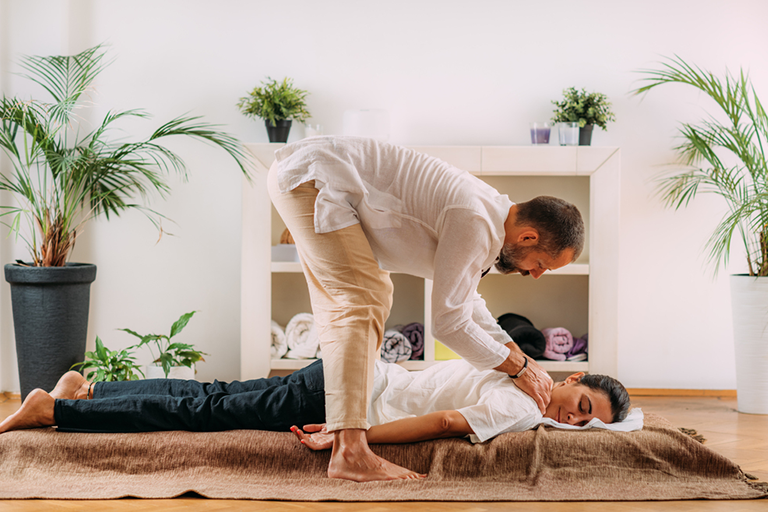
Trying a full-body Thai massage for the first time can feel both exciting and a little intimidating—especially if you’re unfamiliar with how it differs from other massage styles. Unlike oil-based massages, Thai massage is an interactive, fully clothed, and movement-oriented therapy rooted in ancient healing traditions. Knowing what to expect can help you relax, feel confident, and get the most benefit from your session.
This guide walks you through every stage of your first Thai massage, from preparation to post-session sensations, so you can enjoy the experience with ease.
Understanding Full-Body Thai Massage
Traditional Thai massage, also known as Nuad Thai, dates back over 2,500 years and is deeply influenced by Ayurveda, yoga, and Buddhist healing philosophy. It focuses on stimulating the body’s energy lines (Sen lines) through rhythmic pressure, assisted stretching, and joint mobilization.
Unlike Swedish or deep tissue massage, Thai massage:
-
Is performed fully clothed
-
Uses no oils or lotions
-
Takes place on a floor mat or low massage table
-
Combines acupressure, stretching, and yoga-like movements
The result is a therapy that works on muscles, joints, circulation, energy flow, and the nervous system all at once.
Before Your Session: Preparation and Arrival
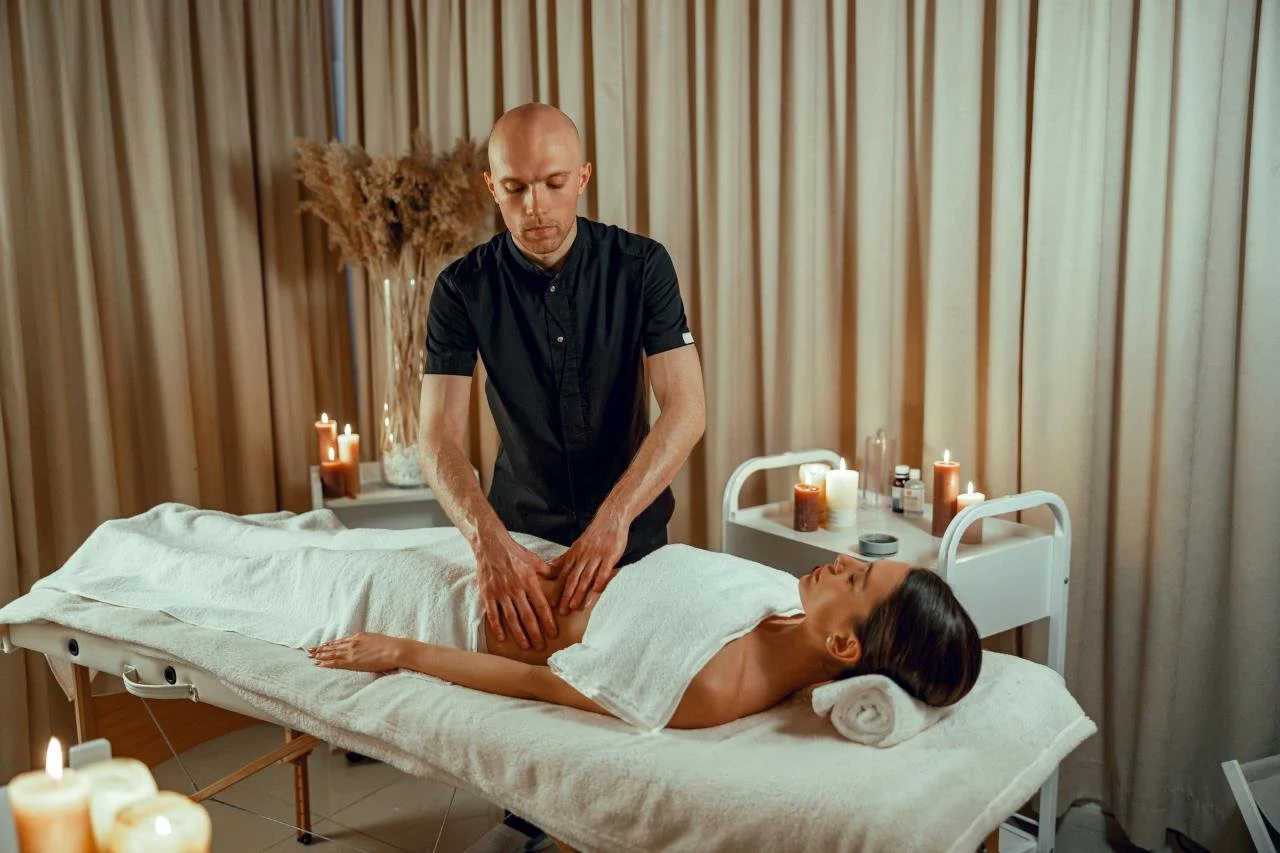
When you arrive at the spa or therapy center, you’ll usually be welcomed into a calm, quiet environment designed to promote relaxation.
What you can expect before the massage:
-
A brief consultation about your health, pain points, flexibility, or injuries
-
Questions about pressure preferences (gentle, medium, or firm)
-
You may be offered loose cotton clothing if you didn’t bring your own
-
Shoes, jewelry, and accessories are removed
Tip: Avoid heavy meals at least one hour before your session. Light hydration is recommended.
What to Wear for a Thai Massage
Comfortable, loose-fitting clothing is essential. Most spas provide traditional Thai massage attire, but if not, wear:
-
Stretchy pants or leggings
-
A loose t-shirt or long-sleeve top
The clothing allows the therapist to move your body freely without restriction while maintaining modesty and comfort.
Beginning of the Massage: Grounding and Relaxation
Your session typically begins with you lying on your back or side on a padded mat. The therapist may start with:
-
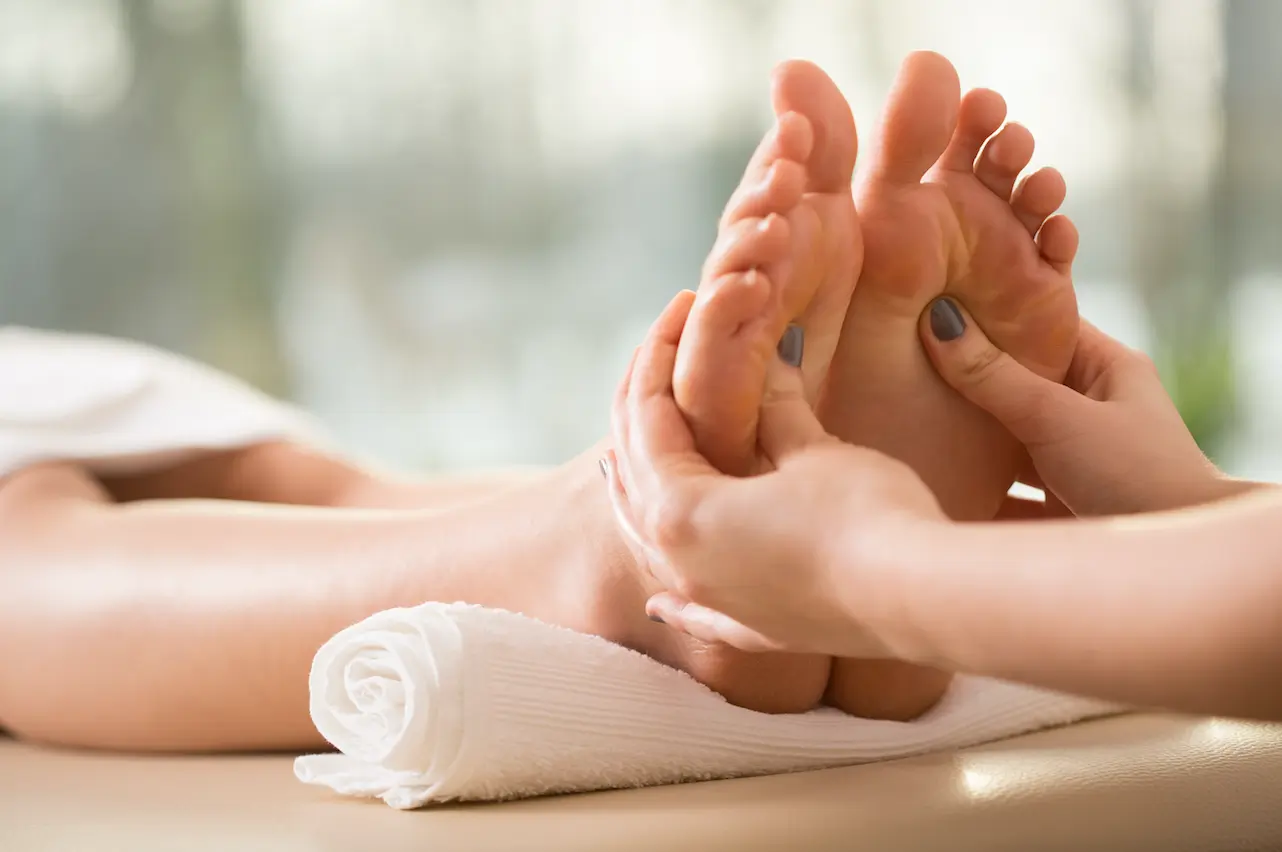
Gentle palming on the feet or legs
-
Slow, rhythmic pressure to help your body relax
-
Encouraging deep, steady breathing
This opening phase helps calm the nervous system and prepares your body for deeper work.
During the Session: Techniques You’ll Experience
A full-body Thai massage is dynamic and structured, often moving from the feet upward or following a full-body sequence.
1. Acupressure
The therapist uses palms, thumbs, elbows, knees, or feet to apply pressure along Sen lines. This helps:
-
Release muscular tension
-
Improve circulation
-
Restore energy balance
The pressure should feel firm but not painful. Always communicate if something feels uncomfortable.
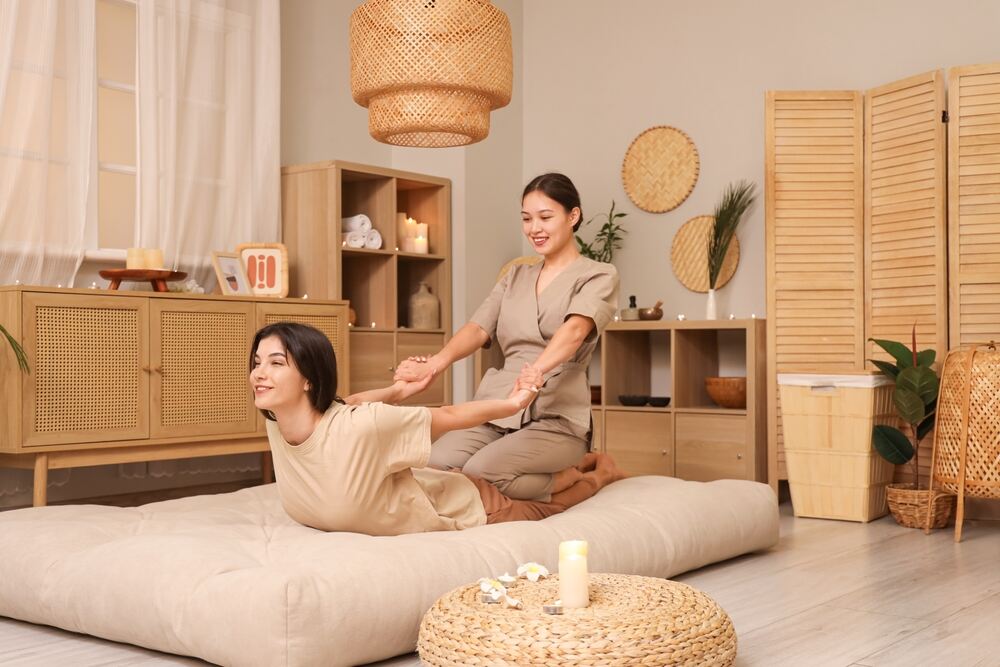
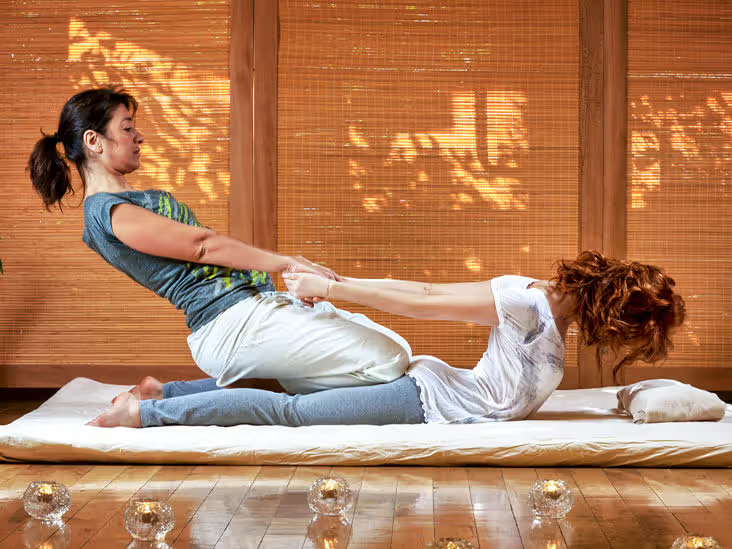
2. Assisted Stretching
This is one of the most distinctive parts of Thai massage. The therapist gently guides your body into stretches similar to yoga poses.
Benefits include:
-
Increased flexibility
-
Improved joint mobility
-
Reduced stiffness
You remain relaxed while the therapist does the work—hence the nickname “Lazy Man’s Yoga.”
3. Joint Mobilization
Gentle rotations of the hips, shoulders, neck, and spine help:
-
Improve range of motion
-
Release tight joints
-
Enhance posture and alignment
These movements are slow and controlled, designed to feel fluid and supportive.
4. Rhythmic Rocking and Compression
Instead of long strokes, Thai massage often uses:
-
Rocking motions
-
Compression techniques
-
Repetitive pressure
These movements calm the nervous system and create a deeply meditative effect.
How a Full-Body Thai Massage Feels
First-time clients often describe Thai massage as:
-
Deeply relaxing yet energizing
-
Stretching without effort
-
Therapeutic rather than sleepy
You may feel moments of intensity during stretches, followed by profound release. Emotional relaxation is also common due to the mind-body connection encouraged throughout the session.
Length of a Typical Session
A full-body Thai massage usually lasts:
-
60 minutes – introductory and focused
-
90 minutes – most recommended for first-timers
-
120 minutes – full traditional experience
Longer sessions allow the therapist to work thoroughly on each area without rushing.
After the Massage: What You May Feel
Post-massage sensations vary but often include:
-
A feeling of lightness or openness in the body
-
Increased flexibility and ease of movement
-
Deep relaxation or mental clarity
-
Mild muscle soreness (similar to post-stretch soreness)
This is normal and usually subsides within 24 hours.
Aftercare tips:
-
Drink plenty of water
-
Avoid intense workouts immediately after
-
Rest or take a gentle walk
-
Stretch lightly if needed
Benefits You Can Expect Over Time
Even after one session, many people notice:
-
Reduced muscle tension
-
Improved posture
-
Better sleep quality
-
Enhanced energy levels
With regular sessions, Thai massage can support:
-
Chronic pain management
-
Stress reduction
-
Flexibility and mobility
-
Overall physical and emotional balance
Who Should Be Cautious
While Thai massage is generally safe, inform your therapist if you have:
-
Recent injuries or surgeries
-
Severe osteoporosis
-
Herniated discs
-
High-risk pregnancy
-
Chronic medical conditions
A skilled therapist will modify techniques to suit your needs.
Final Thoughts
Your first full-body Thai massage session is more than just a massage—it’s a holistic healing experience that combines movement, pressure, mindfulness, and breath. By understanding what to expect, you can approach your session with confidence, relaxation, and openness.
Whether you’re seeking stress relief, improved flexibility, or deeper mind-body connection, Thai massage offers a unique and time-tested path to wellness. Once experienced, many people find it becomes an essential part of their long-term self-care routine.
Read Also: Keep your face towards the sunshine and shadows will fall behind you
Watch Also: https://www.youtube.com/@TravelsofTheWorld24



Leave a Reply