

In today’s fast-paced world, stress, fatigue, and sedentary lifestyles are common challenges that affect both physical and mental health. To counter these effects, many wellness enthusiasts turn to yoga and massage therapy, two ancient practices that have stood the test of time. While each modality offers substantial benefits individually, their combined practice provides synergistic effects, enhancing overall health, vitality, and well-being.
Yoga and massage therapy share a common goal: restoring balance to the body and mind. Yoga emphasizes flexibility, strength, and mindfulness, while massage therapy focuses on relaxation, muscle tension release, and improved circulation. Together, they create a holistic approach to wellness that nurtures physical, mental, and emotional health.
The Benefits of Yoga
Yoga is an ancient practice with roots in India, combining physical postures (asanas), breathing exercises (pranayama), and meditation. The benefits of yoga extend far beyond physical fitness, addressing mind-body health in a comprehensive manner.
1. Enhances Flexibility and Mobility
Regular yoga practice lengthens muscles and improves joint mobility, reducing stiffness and the risk of injuries. Flexible muscles also support better posture and alignment.
2. Strengthens Muscles and Core
Yoga engages multiple muscle groups, promoting strength, stability, and balance. Strong muscles support joints, reduce strain, and enhance overall physical performance.
3. Reduces Stress and Promotes Mental Clarity
Through mindful breathing and meditation, yoga activates the parasympathetic nervous system, lowering stress hormones and promoting calmness, focus, and emotional balance.
4. Improves Circulation and Energy Flow
Yoga postures and movements stimulate blood flow, lymphatic drainage, and energy balance, enhancing overall vitality and supporting detoxification.
5. Supports Mind-Body Awareness
Yoga encourages a deep connection between the body, mind, and breath, fostering mindfulness, emotional regulation, and self-awareness.
The Benefits of Massage Therapy
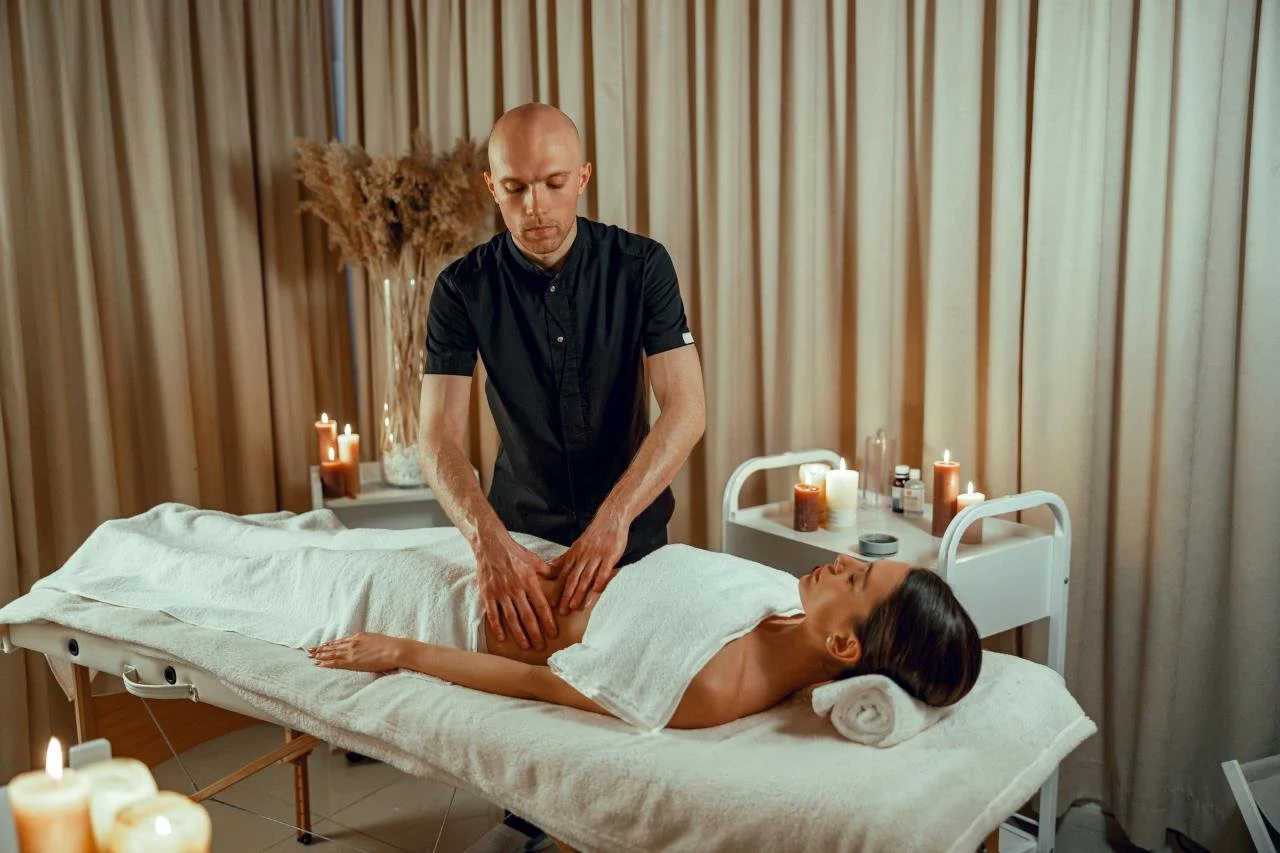
Massage therapy is a hands-on healing technique that manipulates muscles, fascia, and soft tissues to improve physical and mental well-being. Different types of massage, such as Swedish, deep tissue, and Thai massage, offer distinct therapeutic effects, but all share common benefits.
1. Relieves Muscle Tension and Pain
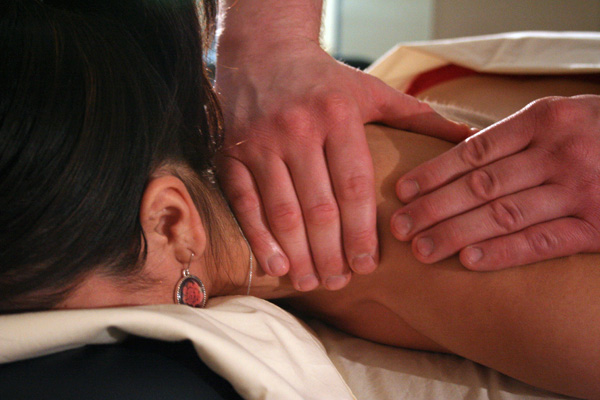
Massage effectively releases tight muscles, reduces stiffness, and alleviates chronic pain, particularly in areas such as the back, neck, and shoulders.
2. Enhances Flexibility and Range of Motion
Through stretching and soft tissue manipulation, massage improves joint mobility and muscle elasticity, complementing flexibility gained from yoga.
3. Promotes Relaxation and Reduces Stress
Massage stimulates the release of endorphins and oxytocin, lowering cortisol levels and providing a sense of calm and well-being.
4. Improves Circulation and Detoxification
Manipulating soft tissues enhances blood and lymph flow, delivering oxygen and nutrients to cells while helping remove metabolic waste.
5. Supports Mind-Body Awareness
Massage encourages individuals to tune in to their bodies, identifying areas of tension and promoting mindful relaxation.
How Yoga and Massage Therapy Complement Each Other
While both yoga and massage therapy are effective individually, their combined practice produces synergistic benefits:
1. Enhanced Flexibility and Muscle Recovery
Yoga increases flexibility and strengthens muscles, while massage therapy releases tension and prevents soreness, allowing deeper stretches and reducing the risk of injury.
2. Improved Circulation and Energy Flow
Yoga stimulates blood and lymphatic circulation through movement, while massage enhances this effect, ensuring optimal energy flow throughout the body.
3. Stress Reduction and Mental Clarity
Yoga cultivates mindfulness and mental focus, while massage relaxes the nervous system. Together, they provide a comprehensive approach to stress management and emotional well-being.
4. Posture and Alignment Benefits
Yoga strengthens postural muscles, while massage releases tight areas and realigns joints, promoting better overall posture and reducing chronic strain.
5. Complementary Mind-Body Awareness
Yoga teaches awareness of breath and body mechanics, while massage enhances proprioception by helping individuals sense muscular tension and relaxation. This combination fosters holistic mind-body integration.
Practical Ways to Combine Yoga and Massage
Integrating yoga and massage into a wellness routine can be simple and effective:
-
Massage Before Yoga: A pre-yoga massage can loosen tight muscles, making stretches easier and reducing the risk of strain.
-
Massage After Yoga: Post-yoga massage helps relieve muscle tension, aid recovery, and reinforce the relaxation benefits gained during yoga practice.
-
Alternate Days: Practicing yoga on some days and receiving massage therapy on others can maintain consistent flexibility, strength, and relaxation.
-
Incorporate Mindfulness: Use mindfulness techniques during both yoga and massage to maximize mental clarity and emotional balance.
-
Tailor to Your Needs: Different yoga styles and massage techniques can be selected based on individual goals, such as stress reduction, athletic recovery, or holistic wellness.
Who Can Benefit from Combining Yoga and Massage
The combination of yoga and massage therapy benefits a wide range of individuals:
-
Stress-Prone Professionals: Helps reduce tension, mental fatigue, and emotional stress.
-
Athletes and Fitness Enthusiasts: Enhances flexibility, recovery, and muscular performance.
-
Individuals with Chronic Pain or Postural Issues: Improves alignment, relieves muscular tension, and supports rehabilitation.
-
Wellness Seekers: Promotes holistic health, mind-body balance, and overall vitality.
Precautions: Those with injuries, severe medical conditions, or mobility limitations should consult a healthcare professional before combining yoga and massage therapy.

Tips for Maximizing the Benefits
-
Stay Hydrated: Supports circulation, detoxification, and muscle recovery.
-
Communicate with Your Therapist: Inform them of tension areas or discomfort.
-
Choose Appropriate Yoga Styles: Gentle or restorative yoga complements massage better for relaxation, while power yoga can pair with deep tissue massage for athletic recovery.
-
Consistency is Key: Regular practice of yoga and massage ensures long-term physical, mental, and emotional benefits.
-
Mindfulness Matters: Focus on breath and awareness during both practices to amplify relaxation and energy flow.
Conclusion
Yoga and massage therapy are powerful wellness practices on their own, but their combined application offers synergistic benefits that promote flexibility, strength, relaxation, and mental clarity. While yoga strengthens muscles, improves posture, and fosters mindfulness, massage therapy releases tension, improves circulation, and restores energy flow. Together, they form a holistic wellness routine that nurtures the body, mind, and spirit.
For anyone seeking comprehensive health, relaxation, and mind-body balance, integrating yoga and massage therapy into a regular routine provides lasting physical, mental, and emotional benefits. By understanding how these practices complement each other, individuals can maximize their wellness potential, achieving harmony, vitality, and a deeper connection with their own bodies.
Read Also: Keep your face towards the sunshine and shadows will fall behind you
Watch Also: https://www.youtube.com/@TravelsofTheWorld24













Leave a Reply