

In today’s fast-paced world, stress, physical strain, and mental fatigue have become part of everyday life. Amid long working hours, constant screen time, and limited opportunities for relaxation, massage therapy has re-emerged as one of the most effective and natural ways to restore balance to the body and mind. Far more than a luxury indulgence, massage offers a wide range of scientifically supported health benefits that enhance overall well-being.
Understanding Massage Therapy
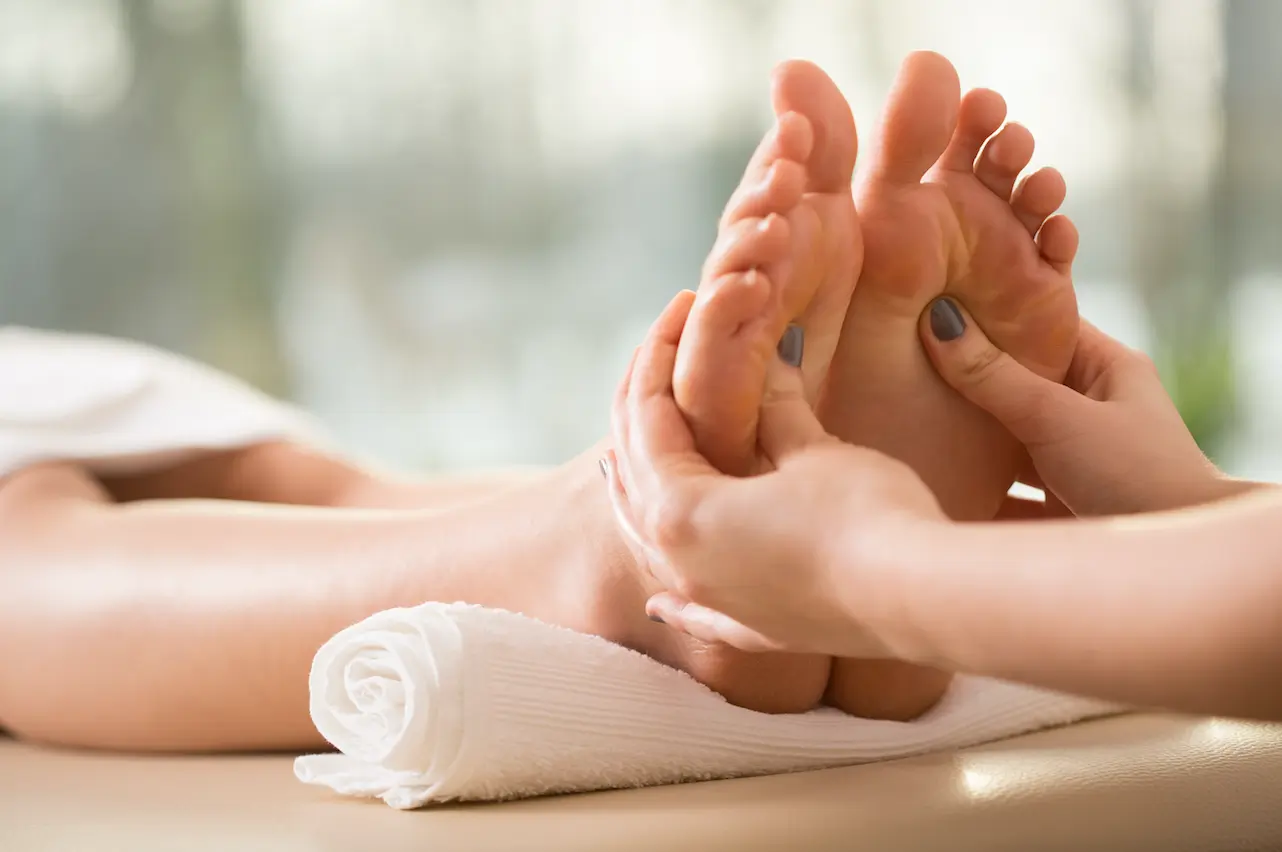
Massage therapy involves the systematic manipulation of soft tissues, including muscles, tendons, ligaments, and connective tissues. Different techniques—such as Swedish massage, deep tissue massage, sports massage, and reflexology—are designed to address specific physical and emotional needs. Each method applies varying pressure and movement patterns to stimulate circulation, release tension, and promote relaxation.
Relieves Stress and Promotes Relaxation
One of the most widely recognized benefits of massage is its ability to reduce stress. Massage helps lower levels of cortisol, the body’s primary stress hormone, while increasing serotonin and dopamine—neurotransmitters associated with happiness and emotional stability.
As muscles relax under skilled touch, the nervous system shifts from a state of alertness to calm. This relaxation response not only improves mood but also enhances mental clarity and emotional resilience, making it easier to cope with daily challenges.
Reduces Muscle Tension and Pain
Massage therapy is highly effective in relieving muscle stiffness, soreness, and chronic pain. By increasing blood flow to affected areas, massage helps deliver oxygen and nutrients to tired muscles while flushing out metabolic waste.
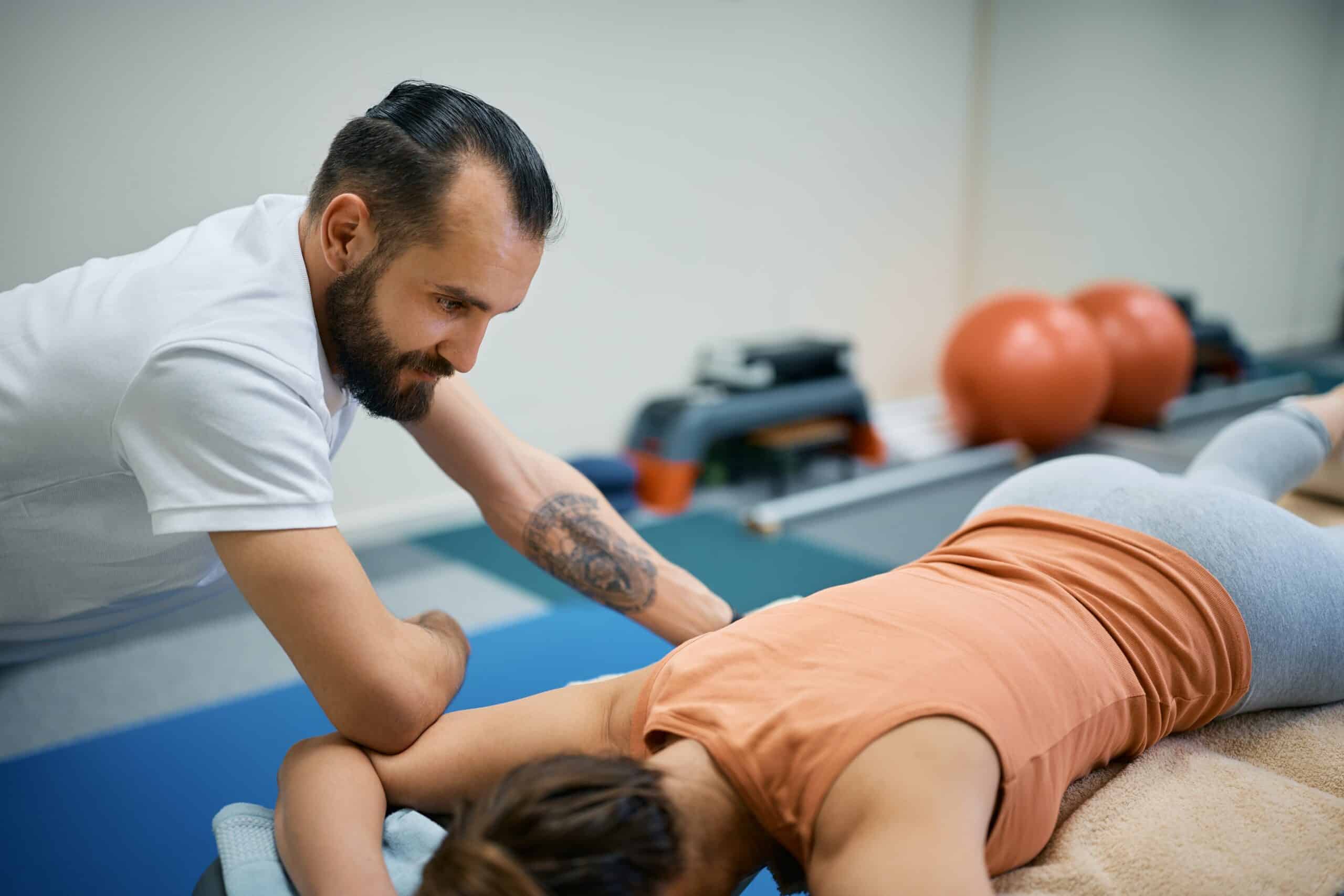
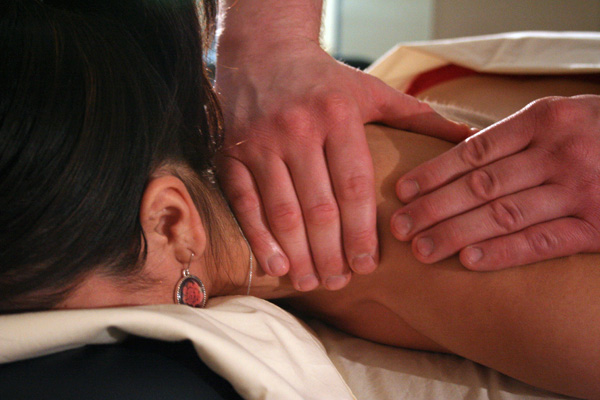
For individuals dealing with back pain, neck stiffness, or muscle fatigue from exercise or prolonged sitting, regular massage sessions can significantly reduce discomfort. Deep tissue techniques, in particular, target deeper muscle layers to release persistent knots and adhesions.
Improves Blood Circulation
Improved circulation is another key benefit of massage. The rhythmic movements stimulate blood vessels, encouraging efficient blood flow throughout the body. Better circulation supports tissue repair, enhances energy levels, and promotes faster recovery from injuries.
Enhanced blood flow also helps regulate blood pressure and improves oxygen delivery to vital organs, contributing to overall cardiovascular health.
Boosts Immune System Function
Regular massage sessions have been shown to support immune health. By reducing stress hormones and stimulating lymphatic circulation, massage helps the body eliminate toxins and waste products more effectively.
The lymphatic system plays a crucial role in defending against infections. Massage encourages lymph movement, increasing the production and activity of white blood cells that help protect the body from illness.
Enhances Flexibility and Joint Mobility
Massage helps improve flexibility by loosening tight muscles and increasing joint range of motion. This benefit is especially valuable for athletes, older adults, and individuals recovering from injuries.
By reducing muscle tension around joints, massage allows for smoother, more efficient movement. Over time, improved flexibility can help prevent injuries and support better posture and body alignment.
Supports Mental Health and Emotional Well-Being
Massage therapy has a positive impact on mental health, helping alleviate symptoms of anxiety, depression, and emotional fatigue. The calming effect of touch fosters a sense of connection and security, which can be particularly beneficial during times of stress or emotional imbalance.
Regular massage can improve sleep quality, reduce restlessness, and promote a deeper sense of relaxation. Better sleep, in turn, enhances mood, focus, and overall mental health.
Improves Sleep Quality
Many people struggle with insomnia or poor sleep quality due to stress or physical discomfort. Massage promotes deeper and more restorative sleep by relaxing the nervous system and easing muscle tension.
By increasing serotonin levels, massage supports the production of melatonin—the hormone responsible for regulating sleep cycles. As a result, individuals often experience improved sleep duration and quality after regular massage sessions.
Aids in Injury Recovery and Rehabilitation
Massage plays a valuable role in injury recovery and rehabilitation. It helps reduce inflammation, improve circulation, and break down scar tissue, allowing injured tissues to heal more efficiently.
For those recovering from sports injuries, surgery, or repetitive strain conditions, massage can be an effective complement to physical therapy. It supports muscle recovery, reduces stiffness, and enhances overall healing outcomes.
Promotes Better Posture
Poor posture is a common problem caused by prolonged sitting, improper ergonomics, and muscle imbalances. Massage helps correct posture by releasing tight muscles and strengthening weakened ones.
By addressing muscular imbalances, massage encourages proper alignment of the spine and shoulders. Improved posture not only reduces pain but also enhances breathing, digestion, and overall body confidence.
Enhances Skin Health
Massage therapy can improve skin tone and texture by increasing blood flow and stimulating the delivery of nutrients to skin cells. The use of natural oils during massage also helps hydrate and nourish the skin.
Improved circulation supports cell regeneration, giving the skin a healthier and more radiant appearance. Additionally, massage can help reduce tension-related skin issues such as dullness and puffiness.
Supports Digestive Health
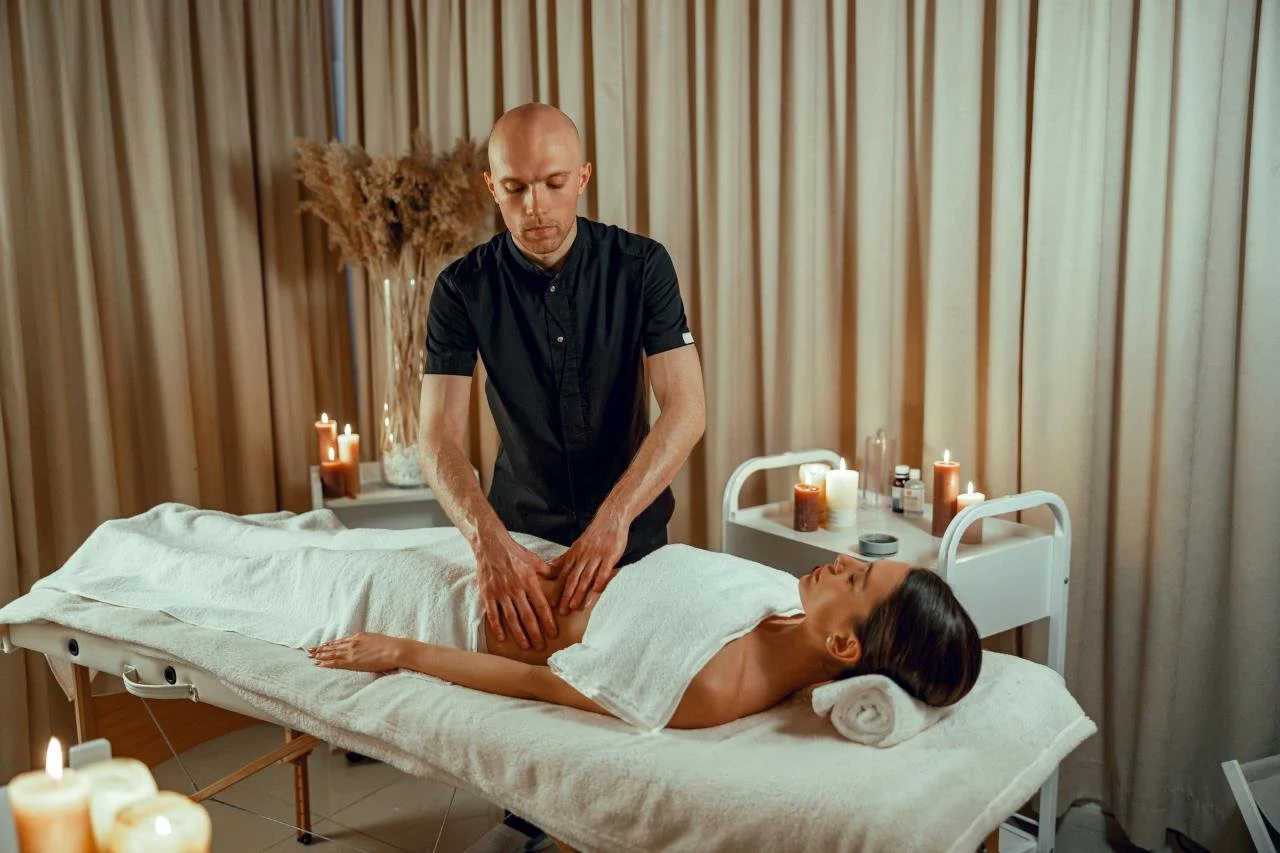
Certain massage techniques can aid digestion by stimulating the abdominal area and improving gut motility. Massage helps relax the muscles involved in digestion, reducing discomfort, bloating, and constipation.
Stress reduction through massage also plays a key role in digestive health, as stress often disrupts normal digestive processes.
Encourages Mind-Body Awareness
Massage fosters greater awareness of the body and its needs. Regular sessions help individuals recognize areas of tension, understand stress triggers, and develop healthier self-care habits.
This heightened mind-body connection supports long-term wellness and encourages a proactive approach to health.
Conclusion
Massage therapy offers far-reaching benefits that extend beyond relaxation. From reducing stress and relieving pain to improving circulation, immunity, and mental well-being, massage is a powerful tool for holistic health.
Incorporating massage into a regular self-care routine can enhance physical performance, emotional balance, and overall quality of life. Whether for stress relief, recovery, or preventive care, massage is an investment in long-term wellness that everyone should consider.
Read Also: Keep your face towards the sunshine and shadows will fall behind you
Watch Also: https://www.youtube.com/@TravelsofTheWorld24










Leave a Reply