
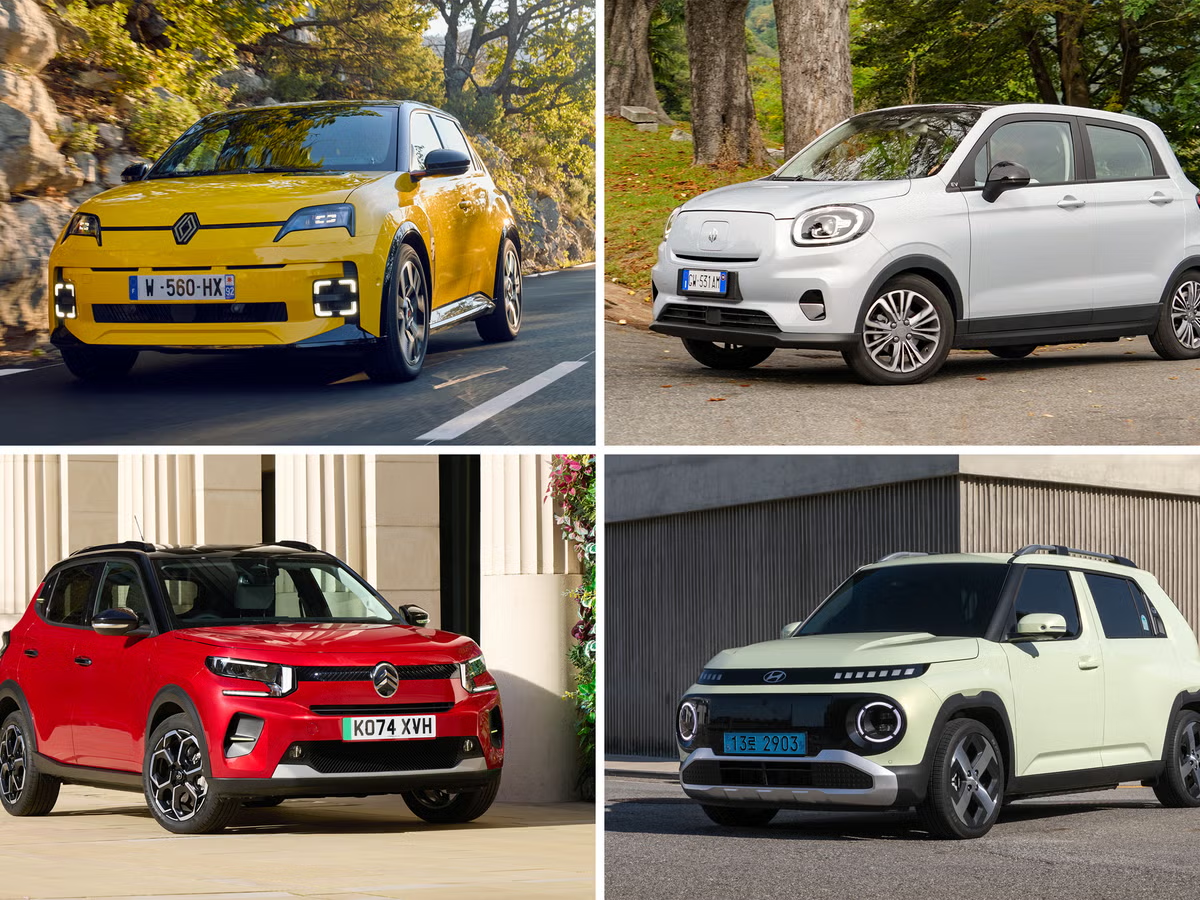
As electric vehicles (EVs) become increasingly popular, the demand for affordable, compact, and efficient electric cars is rising. Small electric cars are ideal for urban commuting, tight parking spaces, and cost-conscious buyers looking to reduce their carbon footprint without sacrificing modern features. In this guide, we explore the best small electric cars of 2025, focusing on affordability, performance, range, and practicality.
Why Choose a Small Electric Car?
Small electric cars offer numerous advantages over larger EVs and traditional petrol or diesel vehicles:
-
Affordability: Compact EVs generally cost less than larger models, making them accessible for a wider audience.
-
Efficiency: Smaller vehicles consume less energy, resulting in longer ranges per kWh and lower charging costs.
-
Urban-Friendly: Easier to maneuver and park in congested cities.
-
Lower Maintenance: Fewer components and simpler electric drivetrains mean reduced maintenance costs.
-
Environmental Benefits: Even small EVs contribute to reducing greenhouse gas emissions.
Overall, small electric cars offer a perfect balance of performance, economy, and environmental responsibility.
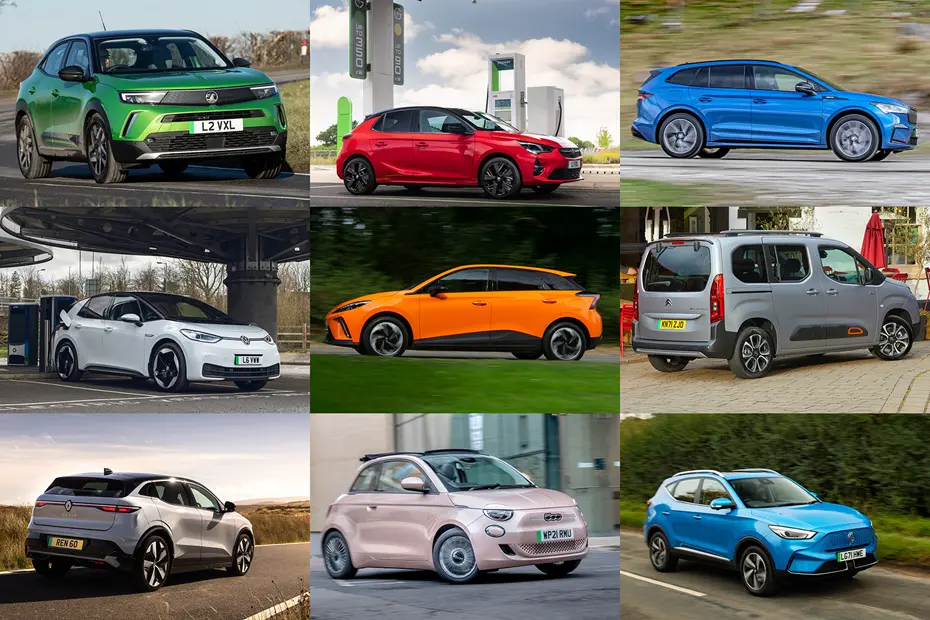
Top Affordable Small Electric Cars in 2025
1. Chevrolet Bolt EV
-
Price Range: $26,500 – $33,000
-
Range: 259 miles per charge
-
Key Features:
-
200 hp electric motor
-
0–60 mph in 6.5 seconds
-
Advanced driver-assistance systems
-
-
Why It Stands Out: The Bolt EV combines affordable pricing with excellent range, making it one of the best value small electric cars. Its spacious interior and modern infotainment system make city and highway driving comfortable.
2. Nissan Leaf
-
Price Range: $28,000 – $38,000
-
Range: 212 – 226 miles per charge
-
Key Features:
-
e-Pedal regenerative braking
-
Intelligent mobility features
-
Compact design suitable for city driving
-
-
Why It Stands Out: The Nissan Leaf has been a pioneer in affordable EVs. Its compact dimensions, easy handling, and reliability make it ideal for beginners looking for a dependable and budget-friendly electric car.
3. Mini Electric (Mini Cooper SE)
-
Price Range: $30,000 – $33,000
-
Range: 110 miles per charge
-
Key Features:
-
Fun-to-drive handling
-
Iconic Mini styling
-
Fast charging capability
-
-
Why It Stands Out: While its range is shorter than some competitors, the Mini Electric excels in urban mobility and driving pleasure. Its compact size and nimble steering make it perfect for city commuters.
4. Hyundai Kona Electric
-
Price Range: $34,000 – $42,000
-
Range: 258 miles per charge
-
Key Features:
-
201 hp motor
-
7.0-inch touchscreen infotainment
-
Advanced safety suite
-
-
Why It Stands Out: The Hyundai Kona Electric offers SUV-style versatility in a small package, with excellent range and modern features. It’s a great choice for those needing slightly more space without increasing cost drastically.
5. BMW i3
-
Price Range: $44,000 – $51,000 (Used models available under $30,000)
-
Range: 153 miles per charge
-
Key Features:
-
Lightweight carbon-fiber construction
-
Futuristic interior design
-
Rear-wheel-drive dynamics
-
-
Why It Stands Out: The BMW i3 is an icon in small electric mobility. Its unique design, lightweight build, and handling make it ideal for urban driving, and affordable used models provide excellent value.
6. Volkswagen e-Up!
-
Price Range: $22,000 – $27,000
-
Range: 160 miles per charge
-
Key Features:
-
Small, efficient city car
-
Comfortable interior
-
Easy to drive and park
-
-
Why It Stands Out: The e-Up! is one of the cheapest fully electric small cars available, offering efficiency and practicality without unnecessary frills. Perfect for city dwellers seeking affordable EV options.
7. Renault Zoe
-
Price Range: $25,000 – $32,000
-
Range: 245 miles per charge
-
Key Features:
-
Compact European design
-
Energy-efficient electric motor
-
Advanced infotainment and safety features
-
-
Why It Stands Out: Popular in Europe, the Renault Zoe offers a long range in a small package, making it an excellent choice for daily commuting or city trips.
Key Features to Consider in Small Electric Cars
When choosing a small electric car, keep the following factors in mind:
-
Range: Evaluate how far the car can travel on a single charge. For city driving, even 150–200 miles may suffice, but longer ranges offer flexibility for road trips.
-
Charging Options: Check for fast charging capability and compatibility with local charging networks.
-
Performance: Look at acceleration, top speed, and handling. Even small EVs can offer spirited driving.
-
Interior Space: Ensure adequate space for passengers and cargo, considering compact dimensions vs. comfort.
-
Safety Features: Advanced safety technology such as automatic emergency braking, lane assist, and airbags is essential.
-
Price and Incentives: Consider total cost, including government incentives, tax credits, and operating costs.
By evaluating these factors, buyers can select a small EV that balances affordability, practicality, and enjoyment.
Advantages of Small Electric Cars
-
Lower Purchase Cost: Small EVs are often the most budget-friendly electric vehicles, especially with government incentives.
-
Easy Maneuverability: Compact dimensions make parking and driving in urban areas effortless.
-
Lower Energy Consumption: Smaller cars are more energy-efficient, reducing charging costs.
-
Reduced Carbon Footprint: Even the smallest EVs contribute to cleaner air and reduced emissions.
-
Low Maintenance: Electric drivetrains have fewer moving parts than internal combustion engines, reducing repair and service costs.
Small electric cars are the ideal entry point for new EV owners, offering the benefits of electric driving without the premium cost.
Challenges and Considerations
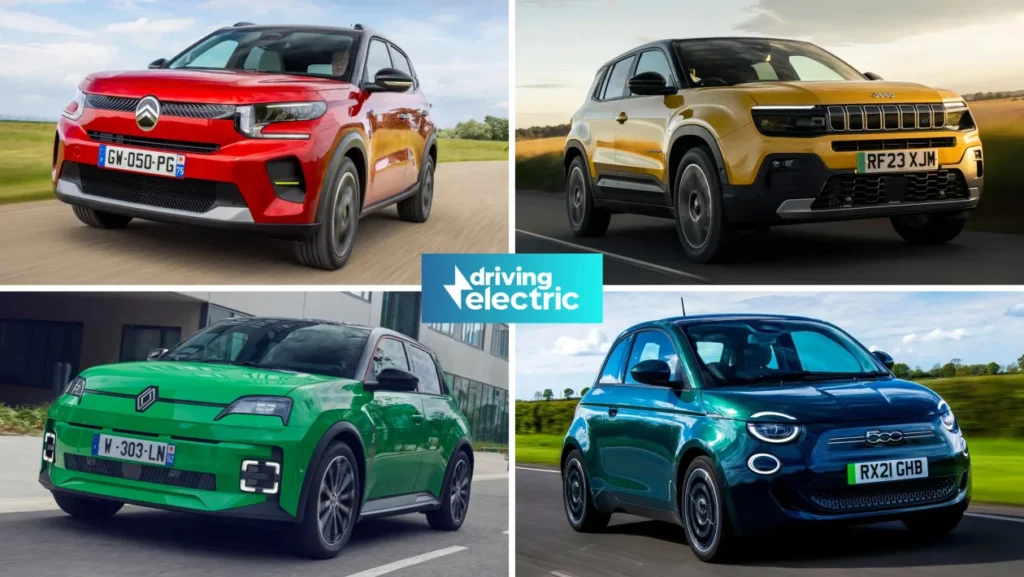
While small EVs are practical, there are challenges to consider:
-
Limited Range: Some models may not be suitable for long-distance travel without frequent charging stops.
-
Less Cargo Space: Compact cars have limited trunk and interior space, which may not suit families.
-
Fewer Features: Some budget models may lack advanced infotainment or driver-assistance systems.
-
Charging Infrastructure: In regions with fewer charging stations, planning longer trips can be challenging.
Despite these considerations, technological advancements continue to improve battery range, charging speed, and vehicle efficiency, making small EVs increasingly practical.
Tips for Choosing the Cheapest Small Electric Car
-
Set a Budget: Include government incentives and potential savings on fuel and maintenance.
-
Compare Range vs. Needs: Match the car’s range to your daily driving patterns.
-
Check Resale Value: EVs depreciate differently; consider models with higher demand and longer warranties.
-
Consider Charging Access: Home charging or workplace chargers can significantly influence convenience.
-
Test Drive: Evaluate comfort, handling, and driving experience in city conditions.
By following these steps, buyers can maximize value and satisfaction when choosing a small electric car.
The Future of Small Electric Cars
The future of small electric cars looks promising, with advancements in battery technology, autonomous driving features, and lightweight materials. Key trends include:
-
Solid-State Batteries: Offering higher energy density and faster charging.
-
Vehicle-to-Grid (V2G) Technology: Allowing cars to feed electricity back into the grid, increasing energy efficiency.
-
Smart Connectivity: Integration with apps, GPS, and AI for optimized energy management.
-
Urban Mobility Solutions: Compact EVs will play a key role in shared mobility and sustainable city transportation.
As prices continue to fall and infrastructure expands, small EVs will become a mainstream choice for urban commuters and eco-conscious drivers worldwide.
Conclusion
Small electric cars are redefining urban mobility, offering a perfect balance of affordability, efficiency, and convenience. Models like the Chevrolet Bolt, Nissan Leaf, Mini Electric, Hyundai Kona, and Renault Zoe provide buyers with a variety of options that combine modern technology, safety, and sustainability.
For anyone seeking a budget-friendly, practical, and environmentally responsible vehicle, small electric cars are the ideal solution. With ongoing advancements in battery technology, charging infrastructure, and EV design, the future of small electric cars is brighter than ever, promising a cleaner, smarter, and more efficient way to drive.
Read Also: Keep your face towards the sunshine and shadows will fall behind you
Watch Also: https://www.youtube.com/@TravelsofTheWorld24








Leave a Reply