

Starting a new business is one of the most exciting and rewarding decisions you can make—but it is also one that requires careful planning, strategy, and persistence. Whether you’re launching a small online shop, a service-based business, or a full-scale company, success depends on the steps you take at the very beginning. This guide provides a detailed, step-by-step roadmap to help you start a new business with clarity and confidence.
1. Find a Profitable Business Idea
Every successful business begins with a strong, demand-driven idea. Your business concept should solve a problem, meet a need, or offer value that customers care about.
How to find the right idea:
-
Identify gaps in the market
-
Evaluate your skills, passions, and strengths
-
Analyse trends in technology, lifestyle, and consumer behaviour
-
Look at problems people frequently complain about
-
Study competitors to identify opportunities
A great business idea aligns with your passion, your skill, and market demand.
2. Conduct Thorough Market Research
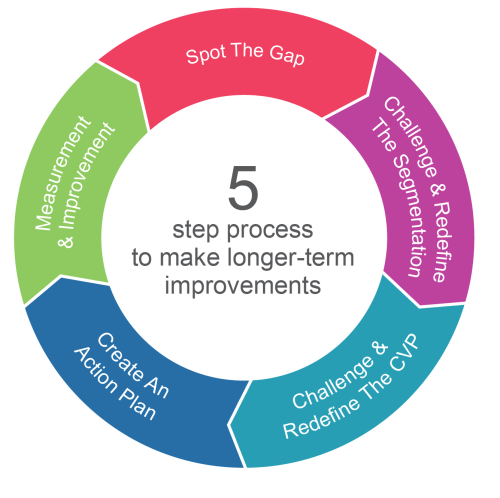
Market research helps you understand your customers, competitors, and industry landscape. Without it, businesses often launch blindly and struggle to gain traction.
What to research:
-
Who is your target customer?
-
What problems do they want solved?
-
Who are your competitors?
-
What prices are customers willing to pay?
-
What marketing channels do your audience use?
-
How big is the potential demand?
Effective research reduces risk and helps shape your products, pricing, and positioning.
3. Create a Clear Business Plan
A business plan is your blueprint for success. It outlines your goals, strategies, resources, and financial projections. Having a strong plan increases your chances of securing funding, attracting partners, and staying organised.
Your business plan should include:
-
Executive summary
-
Business description
-
Market analysis
-
Products or services
-
Operating plan
-
Marketing and sales strategy
-
Financial projections
-
Funding needs
Even a simple, one-page plan is better than none at all.
4. Choose the Right Business Structure
Your business structure affects taxes, liability, and legal responsibilities. Depending on your country, common structures include:
-
Sole proprietorship
-
Partnership
-
Limited liability company (LLC)
-
Corporation
-
Cooperative
Factors to consider:
-
How much legal protection do you need?
-
Do you plan to hire employees?
-
Will you seek investors?
-
How complicated do you want tax filings to be?
Choose a structure that supports your long-term vision.
5. Register Your Business and Get Licenses
Once your structure is chosen, you need to officially register your business with the relevant government authorities.
Common registrations include:
-
Business name registration
-
Tax identification number
-
Professional or industry-specific licenses
-
Local permits (e.g., food, construction, retail)
Every industry and country has its own requirements, so check your local regulations carefully.
6. Arrange Your Business Finances
Money management is one of the biggest challenges for new business owners. Setting up proper financial systems early helps you avoid future problems.
Key financial tasks include:
-
Opening a dedicated business bank account
-
Separating personal and business finances
-
Setting up accounting or bookkeeping software
-
Preparing a budget and cash-flow forecast
-
Understanding business taxes
-
Exploring funding options
Funding sources may include:
-
Personal savings
-
Bank loans
-
Investors
-
Crowdfunding
-
Grants
-
Venture capital
Good financial habits ensure long-term stability.
7. Build Your Product or Service
Whether you are offering a physical product, digital service, or consulting expertise, you need to create something of value that people want.
Steps to build your offering:
-
Develop prototypes (for products)
-
Design service packages (for service businesses)
-
Test with real users or clients
-
Refine based on feedback
-
Ensure quality and consistency
Focus on delivering quality, value, and reliability.
8. Develop a Strong Brand Identity
Your brand represents your business’s personality, values, and promise to customers. A strong brand helps you stand out in competitive markets.
Brand elements include:
-
Business name
-
Logo and colour palette
-
Tagline
-
Website design
-
Brand voice and tone
-
Customer experience
Branding should reflect what makes your business unique and trustworthy.
9. Build an Online Presence

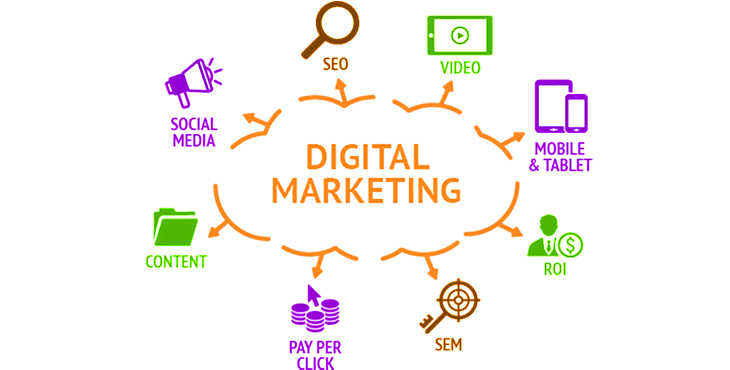
In the digital age, every business—big or small—needs a strong online footprint.
What you need:
-
A professional website
-
Social media profiles
-
Business email address
-
Local business listings (Google, directories)
-
Content strategy (blogs, videos, educational posts)
Your online presence builds credibility, attracts customers, and generates long-term leads.
10. Create a Marketing Strategy
Even the best product won’t succeed without effective marketing. Your goal is to reach the right audience with the right message.
Common marketing methods include:
-
Social media marketing
-
SEO (Search Engine Optimization)
-
Paid ads (Google, Facebook, Instagram)
-
Email marketing
-
Influencer partnerships
-
Offline marketing (flyers, local events, radio)
Key steps to effective marketing:
-
Identify your target audience
-
Craft compelling messages
-
Use channels your customers prefer
-
Track results and adjust your strategy
Marketing is ongoing—not a one-time task.
11. Prepare Your Operations System
Operations include all the processes that keep your business running smoothly.
Set up systems for:
-
Customer support
-
Inventory management
-
Delivery or fulfilment
-
Appointment scheduling
-
Employee management
-
Supplier relationships
-
Quality control
Strong operations maximise efficiency and customer satisfaction.
12. Launch Your Business
Your launch is your first impression—make it count.
Successful launch strategies:
-
Announce it on social media
-
Offer special discounts
-
Run an opening day event or webinar
-
Partner with influencers
-
Send press releases
-
Use email campaigns
A powerful launch helps you gain early momentum and attract your first customers quickly.
13. Monitor Progress and Adjust
After launching, track performance closely to understand what works and what doesn’t. Use tools like:
-
Analytics dashboards
-
Sales reports
-
Customer feedback
-
KPIs (Key Performance Indicators)
Be ready to adjust:
-
Pricing
-
Marketing strategy
-
Product features
-
Target audience
Adaptability is a key part of business survival.
14. Scale Your Business Gradually
Once your business becomes stable, you can focus on growth.
Ways to scale:
-
Launch new products
-
Enter new markets
-
Increase marketing efforts
-
Partner with other businesses
-
Hire more staff
-
Expand online services
Scaling should be gradual and strategic—not rushed.
Conclusion
Starting a new business is a journey filled with challenges, opportunities, learning, and growth. By following a structured, step-by-step process—starting from idea creation to planning, registration, branding, marketing, and scaling—you significantly increase your chances of building a successful and sustainable business.
Every great company started with a single step. Now it’s your turn.
Read Also: Keep your face towards the sunshine and shadows will fall behind you
Watch Also: https://www.youtube.com/@TravelsofTheWorld24















Leave a Reply