
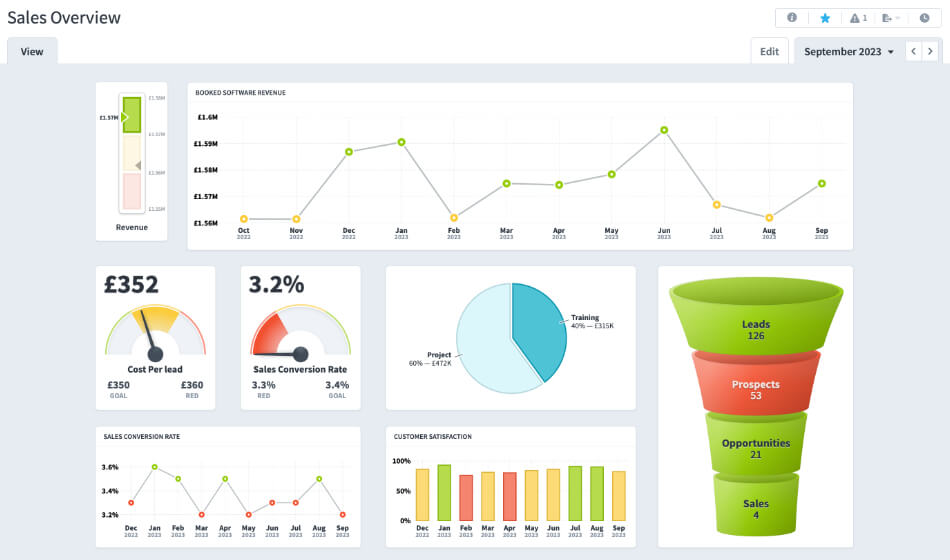
In today’s competitive market, measuring business growth goes far beyond simply checking profit margins. Companies now rely on Key Performance Indicators (KPIs)—quantifiable metrics that reveal whether a business is progressing toward its strategic goals. From improving customer retention to optimising operations, KPIs help leaders make informed decisions rooted in real data, not assumptions.
This article explores how to measure business growth using KPIs, when they should be tracked, and why they are essential for sustainable success.
What Are KPIs?
Key Performance Indicators are measurable values that demonstrate how effectively a business is achieving key objectives. They help organisations evaluate performance across areas such as:
-
Sales and revenue
-
Customer satisfaction
-
Employee performance
-
Marketing efficiency
-
Operational productivity
Strong KPIs turn complex data into actionable insights, allowing companies to adjust their strategies in real time.
Why KPIs Matter for Business Growth

Every successful business—regardless of size—needs to measure growth accurately. KPIs play a crucial role by offering:
1. Clear Visibility
KPIs provide a snapshot of business health, showing what is working and what needs improvement.
2. Alignment With Goals
They ensure that employees and departments are working toward shared objectives.
3. Data-Driven Decisions
Instead of relying on intuition, companies use KPI performance to guide investments and strategy shifts.
4. Efficiency and Accountability
KPIs hold teams accountable and highlight inefficiencies that may slow growth.
5. Predictive Insights
Monitoring trends helps companies anticipate future challenges and opportunities.
Without KPIs, businesses often operate blindly—unable to track performance or optimise growth strategies.
How to Measure Business Growth Using KPIs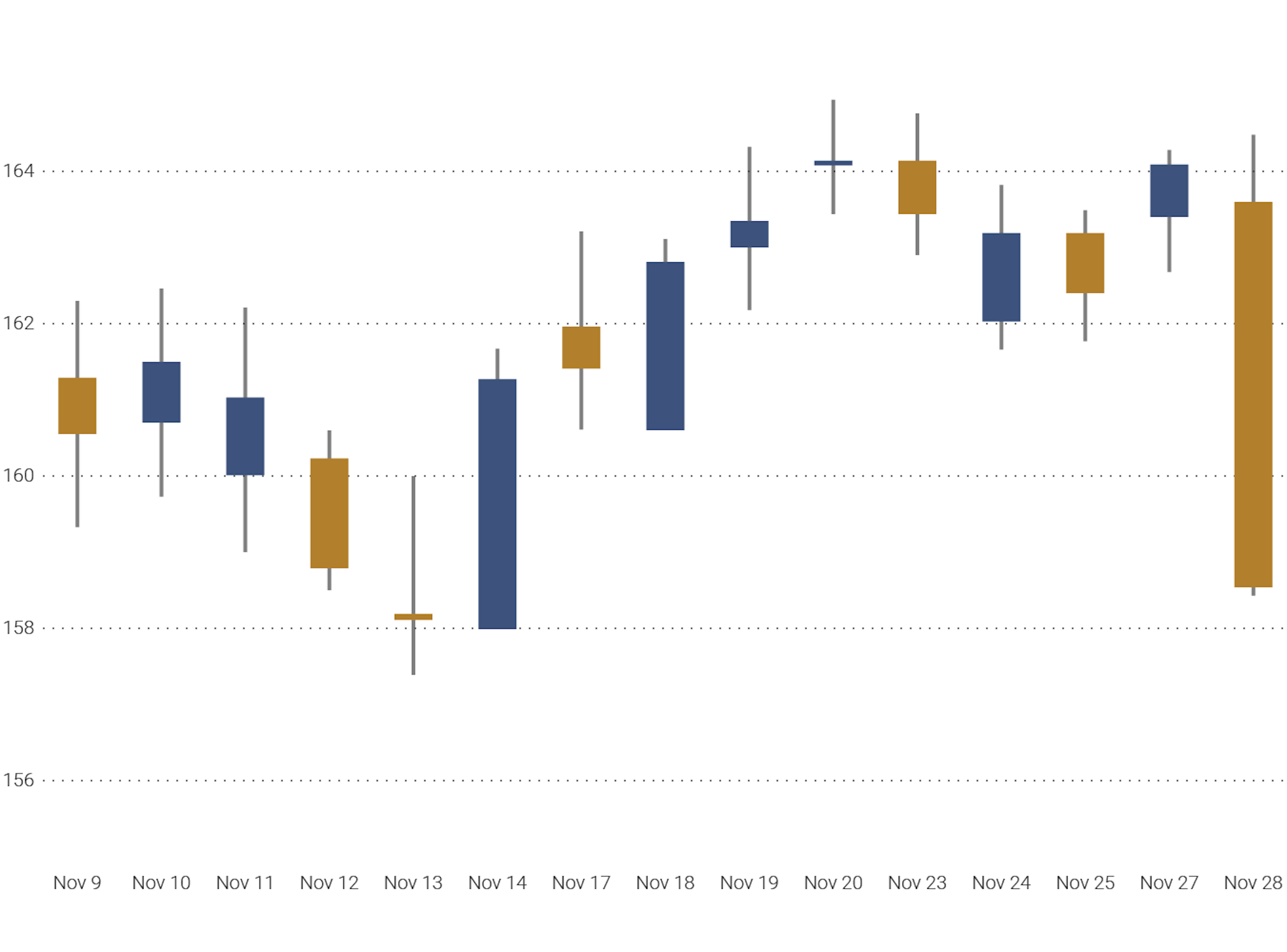
1. Define Clear Business Objectives
KPIs must be tied directly to business goals. For example:
-
If the goal is higher profitability, relevant KPIs include net profit margin, gross margin, and cost of acquisition.
-
If the goal is expansion, track market share, customer growth, or new locations.
-
If the goal is operational efficiency, measure cycle time, productivity ratios, or capacity utilisation.
2. Choose the Right KPIs (Not Too Many!)
Companies often make the mistake of tracking too many metrics. The rule is simple:
Track only what matters.
Essential business KPI categories include:
Financial KPIs
-
Revenue Growth Rate
-
Net Profit Margin
-
EBITDA
-
Cash Flow
-
Customer Lifetime Value (CLV)
Customer KPIs
-
Net Promoter Score (NPS)
-
Customer Retention Rate
-
Customer Acquisition Cost (CAC)
-
Customer Satisfaction Score (CSAT)
Operational KPIs
-
Productivity Rate
-
Defect Rate
-
Inventory Turnover
-
Fulfilment Time
Marketing KPIs
-
Conversion Rate
-
ROI on Ad Spend
-
Website Traffic Growth
-
Lead-to-Customer Ratio
Employee KPIs
-
Staff Turnover
-
Training Completion Rate
-
Employee Satisfaction Score
Each metric offers a different perspective on growth.
3. Use Reliable Tools and Systems
Modern businesses use:
-
Data analytics platforms
-
CRM systems
-
Financial dashboards
-
Marketing automation tools
-
ERP software
These systems collect real-time data, ensuring accuracy and speed.
4. Set Benchmarks and Targets
KPIs mean little unless compared against:
-
Historical performance
-
Industry benchmarks
-
Competitor averages
Clear targets create motivation and direction.
5. Review and Refine Regularly
KPIs should evolve as business needs change. For example:
-
A startup may focus on user acquisition
-
A mid-sized company shifts toward profitability
-
A mature organisation targets efficiency
Growth requires flexibility.
When Should KPIs Be Measured?
The timing depends on the type of KPI, but consistency is key.
Daily KPIs
Ideal for fast-moving teams like customer service or operations:
-
Website visits
-
Daily sales
-
Customer wait times
Weekly KPIs
Useful for marketing and internal team performance:
-
Lead generation
-
Social media engagement
-
Weekly revenue
Monthly KPIs
Common for leadership tracking:
-
Profit and loss statements
-
Customer retention
-
Marketing ROI
-
New customer acquisition
Quarterly KPIs
Suitable for strategic goals:
-
Market share
-
Employee performance reviews
-
Product performance analysis
Annual KPIs
Reflect long-term growth:
-
Annual revenue
-
Brand equity
-
Overall profitability
-
Employee engagement trends
Businesses should adopt a structured review cycle, ensuring that every KPI serves a purpose at the right time.
Examples of KPIs That Indicate Growth
1. Revenue Growth Rate
Shows how quickly the business is expanding financially.
2. Customer Retention Rate
Recurring customers often drive more profit than new ones.
3. Customer Acquisition Cost (CAC)
Determines how efficiently the business gains new customers.
4. Customer Lifetime Value (CLV)
Measures long-term value of each customer relationship.
5. Market Share
Indicates competitive strength in the industry.
6. Employee Productivity
Reveals how effectively teams deliver results.
7. Operating Margin
Shows financial efficiency after operating expenses.
8. Lead Conversion Rate
Measures marketing and sales effectiveness.
Each metric contributes to a holistic picture of growth.
How KPIs Drive Long-Term Business Growth
1. Improved Strategic Planning
KPI trends show where the company should invest or restructure.
2. Enhanced Customer Insights
From satisfaction scores to lifetime value, KPIs reveal customer behavior patterns.
3. Better Resource Allocation
Leaders can identify waste and redirect budgets.
4. Stronger Employee Performance
KPIs align teams and foster accountability.
5. Competitive Advantage
Businesses that measure performance outperform those that do not.
Ultimately, KPIs support smarter decisions and sustainable scaling.
Conclusion
Measuring business growth through KPIs is not optional—it is essential. KPIs give companies a clear, structured way to understand performance, identify opportunities, and tackle challenges. By selecting the right metrics, analysing them regularly, and acting on insights, businesses can chart a predictable and successful growth trajectory.
In a data-driven world, companies that measure wisely grow wisely. And those that ignore KPIs risk falling behind competitors who embrace analytical decision-making.
Read Also: Keep your face towards the sunshine and shadows will fall behind you
Watch Also: https://www.youtube.com/@TravelsofTheWorld24














Leave a Reply