
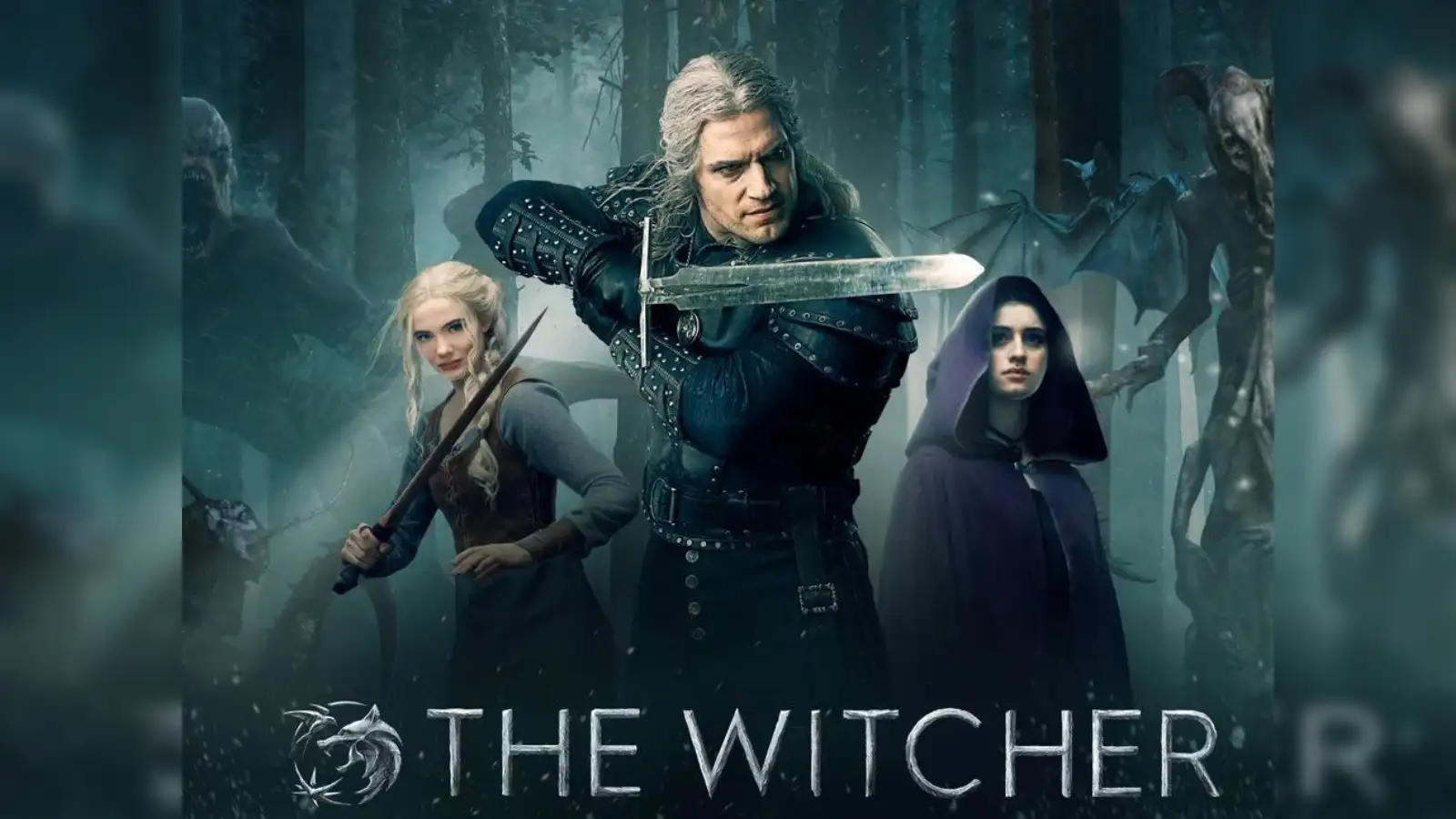
This 1100-word deep dive explores The Witcher series—its plot, world-building, characters, themes, aesthetics, and cultural impact.
A World Shaped by Destiny
At the heart of The Witcher lies the story of Geralt of Rivia, played with stoic brilliance by Henry Cavill. Geralt is a Witcher—a genetically enhanced monster hunter trained from childhood to battle deadly creatures roaming the Continent. With white hair, fearsome swordsmanship, and an unyielding sense of morality, he’s a wandering warrior who navigates a world that often fears and despises him.
However, Geralt’s path is not just about slaying monsters. His fate becomes intertwined with two powerful women:
-
Yennefer of Vengerberg, portrayed by Anya Chalotra—a formidable sorceress shaped by pain and ambition
-
Princess Ciri, played by Freya Allan—a child of Elder Blood whose destiny is linked to the future of the entire Continent
Their intertwined storylines eventually converge, revealing that destiny is not something one can outrun.
A Multifaceted Narrative Structure
One of the series’ boldest choices is its non-linear storytelling, especially in the first season. Events unfold across different timelines, portraying Geralt’s past adventures, Yennefer’s origins, and Ciri’s struggle for survival after the fall of Cintra.
Why the Non-Linear Approach Works
-
It creates a puzzle-like experience for viewers
-
It builds suspense and emotional impact
-
It highlights how destiny gradually pulls the characters together
As the series progresses, timelines begin to align, bringing clarity and depth to the overarching plot.
Geralt of Rivia — The White Wolf

Geralt is not a typical hero. He’s gruff, reluctant to express emotions, and often caught between dangerous choices. Yet his quiet compassion sets him apart from the ruthless world around him.
What Makes Geralt Compelling
-
He follows a personal moral code, even when the world doesn’t
-
His supernatural abilities make him both feared and respected
-
His struggle for humanity despite mutations creates emotional depth
-
His humorous grunts and dry wit add charm and levity
Geralt’s journey is not about seeking glory but simply trying to survive while doing the right thing—no matter the cost.
Yennefer of Vengerberg — Power, Pain, and Transformation
Yennefer’s arc is one of the most emotionally intense narratives in the series. Born with physical deformities and treated with cruelty, she discovers a hidden reservoir of magical power. Her transformation from a bullied girl into a powerful mage symbolizes control, identity, and self-worth.
Yennefer’s Core Themes
-
The cost of ambition
-
The sacrifices made for beauty, power, and acceptance
-
A complicated yet profound love for Geralt
-
Her internal conflict between independence and belonging
Her journey illustrates how power can both liberate and imprison.
Princess Ciri — The Child of Destiny
Ciri represents innocence thrust into chaos. After losing her kingdom, she becomes a refugee hunted by powerful forces who believe her Elder Blood holds unimaginable magical potential.
Ciri’s Role in the Series
-
Future witcher-in-training
-
Key to ancient prophecies
-
A symbol of hope and destruction
-
Emotional anchor for Geralt and Yennefer
Her relationship with Geralt grows into a father-daughter bond, providing the series with its emotional core.
Monsters, Magic, and the Moral Complexity of the Continent
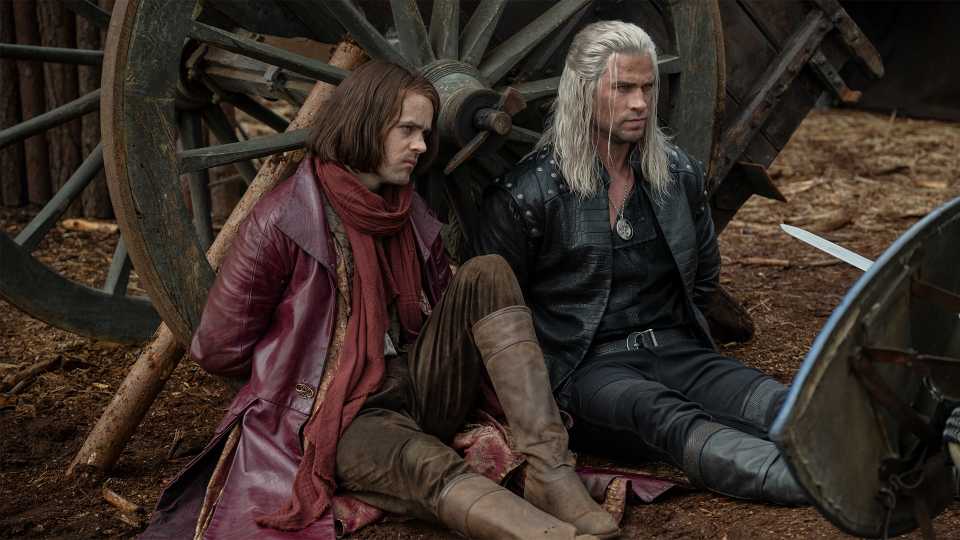
The Continent is a harsh world where monsters aren’t always the creatures lurking in forests—sometimes they are humans wielding greed, prejudice, and ambition. Witchers exist to protect people, yet they are often shunned, underpaid, or feared.
Types of Monsters
The series brings iconic creatures from the novels and video games to life, including:
-
Striga
-
Kikimore
-
Doppler
-
Dragons
-
Djinn
Each monster encounter reveals layers of folklore and moral conflict. Geralt frequently discovers that the true villain isn’t the beast but those who created or exploited it.
Politics, War, and Power Struggles
Beyond monsters, political turmoil drives much of the series. Kingdoms wage war for territory, magical institutions manipulate from the shadows, and factions seek control of Ciri’s power.
Key Political Elements
-
The rise of Nilfgaardian Empire
-
The Brotherhood of Sorcerers’ internal conflict
-
Alliances formed and broken through manipulation
-
Ancient prophecies influencing modern warfare
These elements give the series depth, making the world feel vast, dangerous, and unpredictable.
Aesthetic Mastery: Visuals, Costumes, and Atmosphere
Cinematography
-
Moody lighting enhances the dark fantasy tone
-
Vast landscapes reflect the Continent’s beauty and brutality
-
Monster fights are choreographed with precision and grit
Costumes and Set Design
-
Geralt’s armor balances practicality with iconic style
-
Yennefer’s outfits reflect her emotional and magical evolution
-
Ciri’s clothing changes mirror her growing resilience
Everything feels lived-in yet magical, grounding the fantasy in realism.
Themes That Define the Series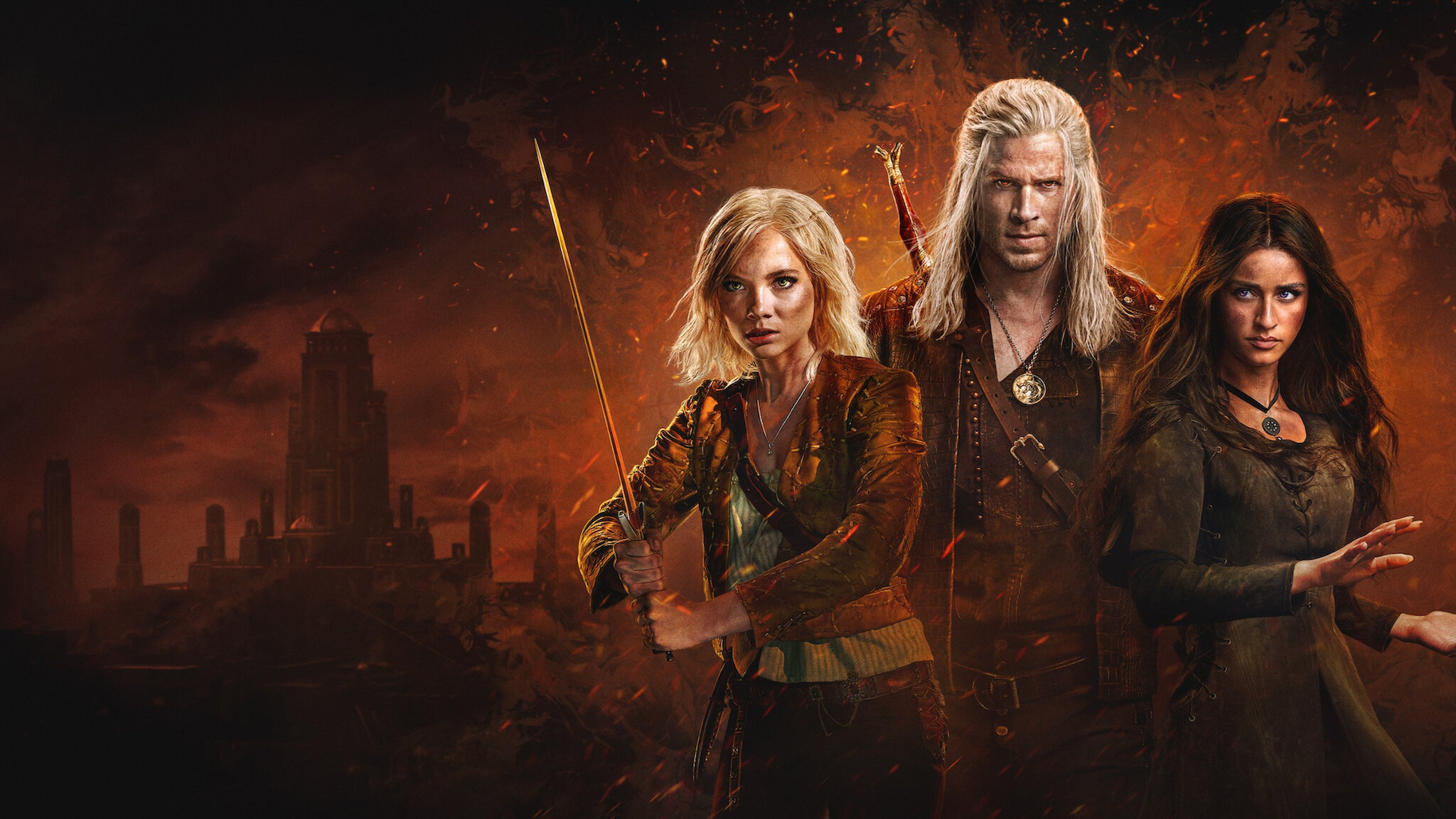
1. Destiny vs. Choice
The characters repeatedly question whether their lives are predestined or shaped by their actions.
2. Humanity and Monstrosity
The show blurs the line between monsters and humans, forcing viewers to rethink morality.
3. Sacrifice
Every character pays emotional, physical, or spiritual costs for power, love, or survival.
4. Found Family
Geralt, Yennefer, and Ciri form a fractured but deeply connected family unit.
Performances That Bring The Witcher to Life
Several actors elevate the storytelling:
-
Henry Cavill’s dedication to Geralt—stunts, voice, and mannerisms—made him fan-favorite
-
Anya Chalotra delivers a powerful, layered portrayal of Yennefer
-
Freya Allan’s performance brings vulnerability and strength to Ciri
Their chemistry carries the emotional weight of the series.
Cultural Impact and Legacy
The Witcher has become a global phenomenon, sparking:
-
Renewed interest in Sapkowski’s novels
-
Massive viewership on Netflix
-
Popular memes and quotes (“Toss a Coin to Your Witcher”)
-
Expanded games, merchandise, and animated projects
The series bridges high fantasy with gritty realism, making it appealing to both genre fans and newcomers.
Final Thoughts
The Witcher is more than a fantasy series—it’s a rich exploration of destiny, identity, and survival in a morally complex world. With gripping characters, stunning visuals, and emotionally layered storytelling, it continues to captivate audiences and redefine modern fantasy television.
Whether you’re drawn to monster hunts, political intrigue, or powerful character arcs, The Witcher offers a world worth diving into again and again.
Read Also: The Race to 300 mph: Will Hennessey or Koenigsegg Break the Speed Record in 2025?
Watch Also: https://www.youtube.com/@TravelsofTheWorld24





Leave a Reply