
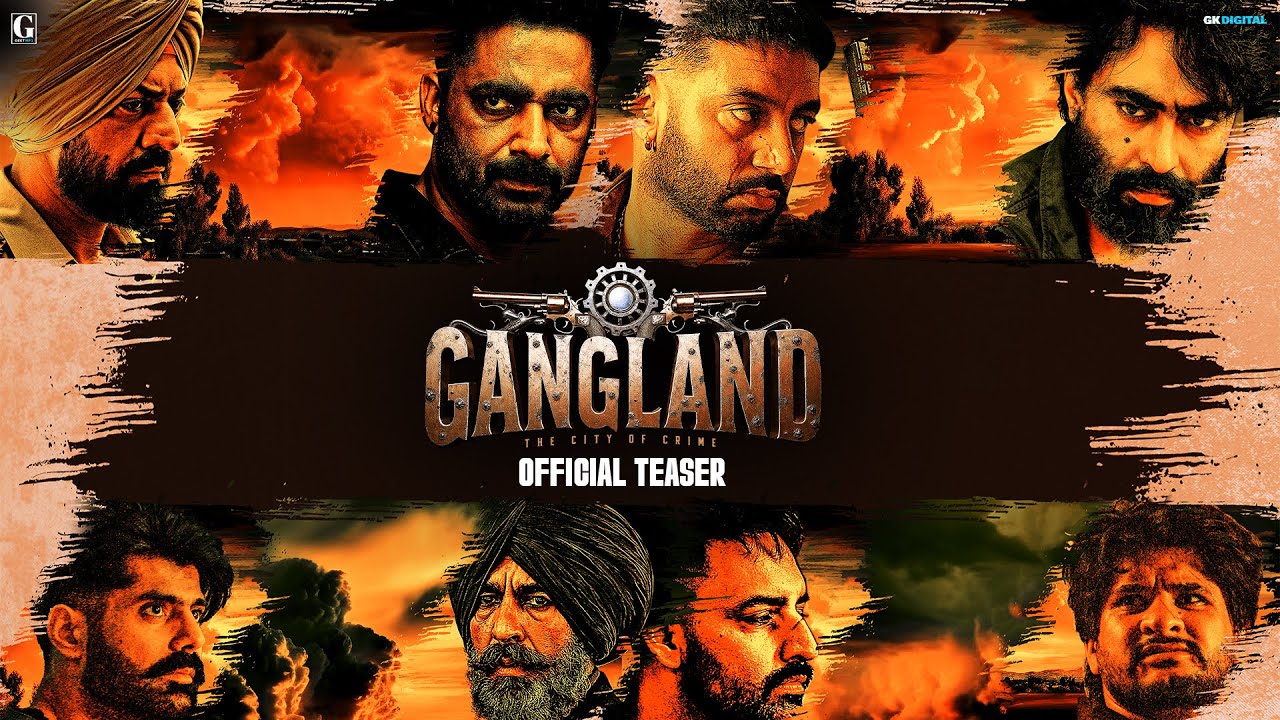
Punjabi entertainment has evolved massively in the last decade, and Gangland: The City of Crime stands as one of its boldest attempts to dive into the world of organized crime. Where most Punjabi films and series lean toward comedy, romance, or music-driven narratives, this gritty project breaks the mold by portraying a world darkened by guns, gangs, and generational rivalries. With its sharp storytelling, raw performances, and atmospheric visuals, Gangland has earned a cult status among fans who love action-packed dramas.
At its core, Gangland: The City of Crime is not just a crime story—it is an examination of power, the consequences of violence, and the young men who get entangled in a web that promises respect but delivers ruin. The series offers a stylized yet unsettling portrayal of how crime infiltrates a city, swallows its youth, and leaves even the most powerful players vulnerable.
A Story Fueled by Rivalries and Rising Ambitions
The series unfolds in a fictional Punjabi city where violence is as common as dust on the streets. Rival gangs dominate entire neighborhoods, dealing in everything from extortion and weapons trade to assassinations and political manipulation. In this environment, power is the only language understood, and betrayal is often just a heartbeat away.
Gangland follows the journeys of multiple characters whose lives intersect in unpredictable, often devastating ways. Each gang has its own code, loyalty structure, and territory, and the clashes between them form the backbone of the narrative. While some characters seek revenge for past wrongs, others are driven by the lure of quick money, influence, or a desperate desire to escape poverty.
The plot’s complexity lies in how effortlessly it balances multiple storylines—showing how one act of violence spirals into several more. The narrative flows almost like a domino effect, illustrating how chaos spreads when men carry guns instead of dreams.
A Gritty Reflection of Crime Culture in Punjab
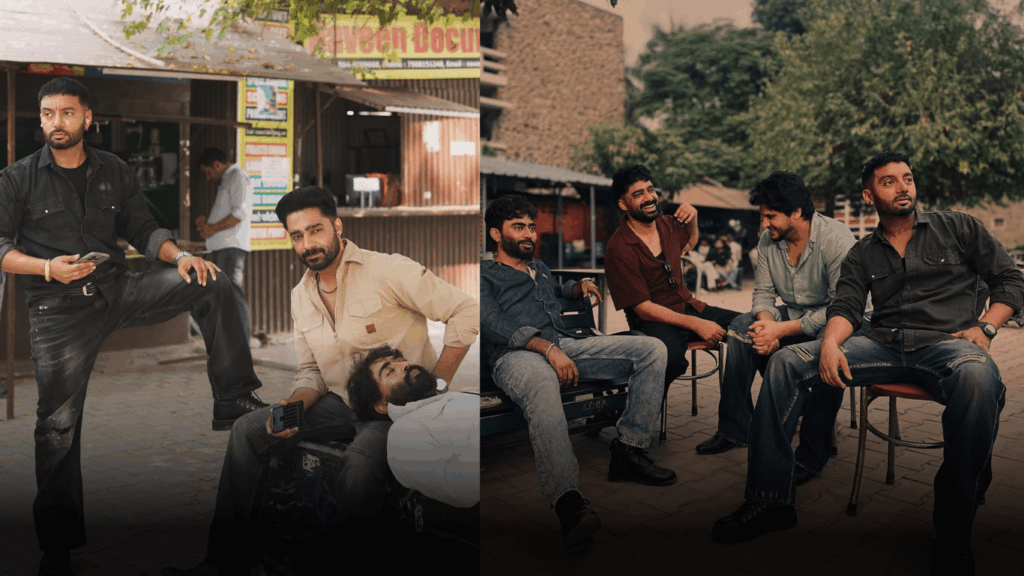
Punjab’s crime landscape has long been a subject of debate, especially with youth getting involved in weapon culture, drug distribution, and identity-driven gang wars. Gangland taps into these real-life concerns, but presents them through a cinematic lens that’s thrilling yet thought-provoking.
The show highlights key aspects of Punjab’s crime dynamics:
1. Youth lost to crime
Many characters, especially younger ones, see gangs as a shortcut to fame or escape. The series showcases how impressionable minds are lured with promises of power, only to be trapped in cycles of violence.
2. Political shadows
Crime and politics often overlap, with politicians using gangs as tools for intimidation. Gangland subtly portrays this connection, making the narrative feel grounded in reality.
3. Revenge as a culture
Feuds often pass from one generation to another, creating a constant atmosphere of tension. The show presents revenge not as heroic but as a self-destroying fire that consumes everything.
4. Police corruption and challenges
Law enforcement appears divided—some officers genuinely try to maintain peace, while others manipulate gangs for personal benefit. This nuanced representation adds moral depth to the story.
Stylish Action Sequences With Realistic Undertones
Action is at the heart of Gangland, but unlike mainstream Punjabi films that glorify violence, this series adds realism to its shootouts and confrontations. The action scenes are sharp, gritty, and choreographed to depict street-level brutality rather than heroic stunts.
From chase sequences in narrow gullies to nighttime gunfights and ambushes, the show renders violence with precision. The cinematography elevates the mood with contrasting palettes—warm tones for emotional scenes and harsh, cold shades during moments of tension.
The creators avoid excessive glamour. Instead, the emphasis is on authenticity, showing how guns are not symbols of masculinity but instruments of destruction.
Performances That Bring the Dark World Alive
One of the strongest aspects of Gangland: The City of Crime is its cast. Each actor brings intensity to their role, whether they play a ruthless gangster, a conflicted youth, or a helpless family member caught in the crossfire.
The ensemble cast excels because:
-
Characters are written with depth, not stereotypes.
-
Many performances are understated yet powerful.
-
Emotional scenes feel human rather than overly dramatic.
The chemistry between rival gang leaders, the tension in meetings, and the vulnerability in personal moments show how deeply the actors have inhabited their roles.
Music and Dialogues: Sharp, Stylish, and Street-Smart
Punjabi music is synonymous with energy, and Gangland blends this strength into its soundtrack. The background score uses hard-hitting beats, atmospheric instrumentals, and dark undertones to match the story’s mood. Tracks escalate tension during action scenes and soften during emotional revelations.
Dialogues are another highlight. They are crisp, raw, and often carry double meanings—perfectly fitting the world of crime. Many lines reflect street wisdom, taunts, or philosophical notes about survival. This balance keeps the narrative engaging from start to end.
Visual World-Building: A City Under the Shadow of Crime 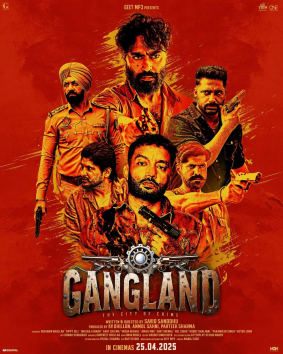
The show constructs a believable criminal ecosystem. Every location—be it a dimly lit warehouse, an abandoned factory, a dusty street, or a sleek politician’s office—adds layers to the world.
Key visual strengths:
-
Hands-on cinematography that captures the unease of gang life.
-
Muted color schemes that amplify the dark tone.
-
Real outdoor locations that enhance authenticity.
-
Symbolic framing, especially during confrontations or betrayals.
The city itself feels like a character—breathing through its chaos, fear, and unpredictability.
Themes That Make the Series More Than Just Action
While the series is packed with violence and tension, it also explores deeper themes:
1. The illusion of power
Characters often rise quickly but fall even faster. The show exposes how temporary and fragile criminal power really is.
2. Loyalty versus survival
Gangs demand loyalty, yet survival sometimes forces betrayal. This constant conflict shapes the emotional intensity of the narrative.
3. Family and loss
Behind every gangster lies a story of broken trust, damaged relationships, or unresolved trauma. The show does not shy away from showing their human side.
4. The cost of violence
Every gun fired has consequences. Innocent people suffer, families break, and futures collapse. This makes Gangland more reflective than glamorous.
Why Gangland Stands Out in Punjabi Entertainment
Punjabi cinema rarely ventures into realistic crime sagas. Gangland stands out because:
-
It breaks stereotype-driven storytelling.
-
It treats crime with seriousness, not showmanship.
-
The multi-layer narrative keeps viewers hooked.
-
Characters have moral complexity.
-
The series has fresh visual and emotional tone.
Its popularity proves that audiences are ready for bold, experimental content that goes beyond comedy or romance.
Read Also: The Race to 300 mph: Will Hennessey or Koenigsegg Break the Speed Record in 2025?
Watch Also: https://www.youtube.com/@TravelsofTheWorld24











Leave a Reply