
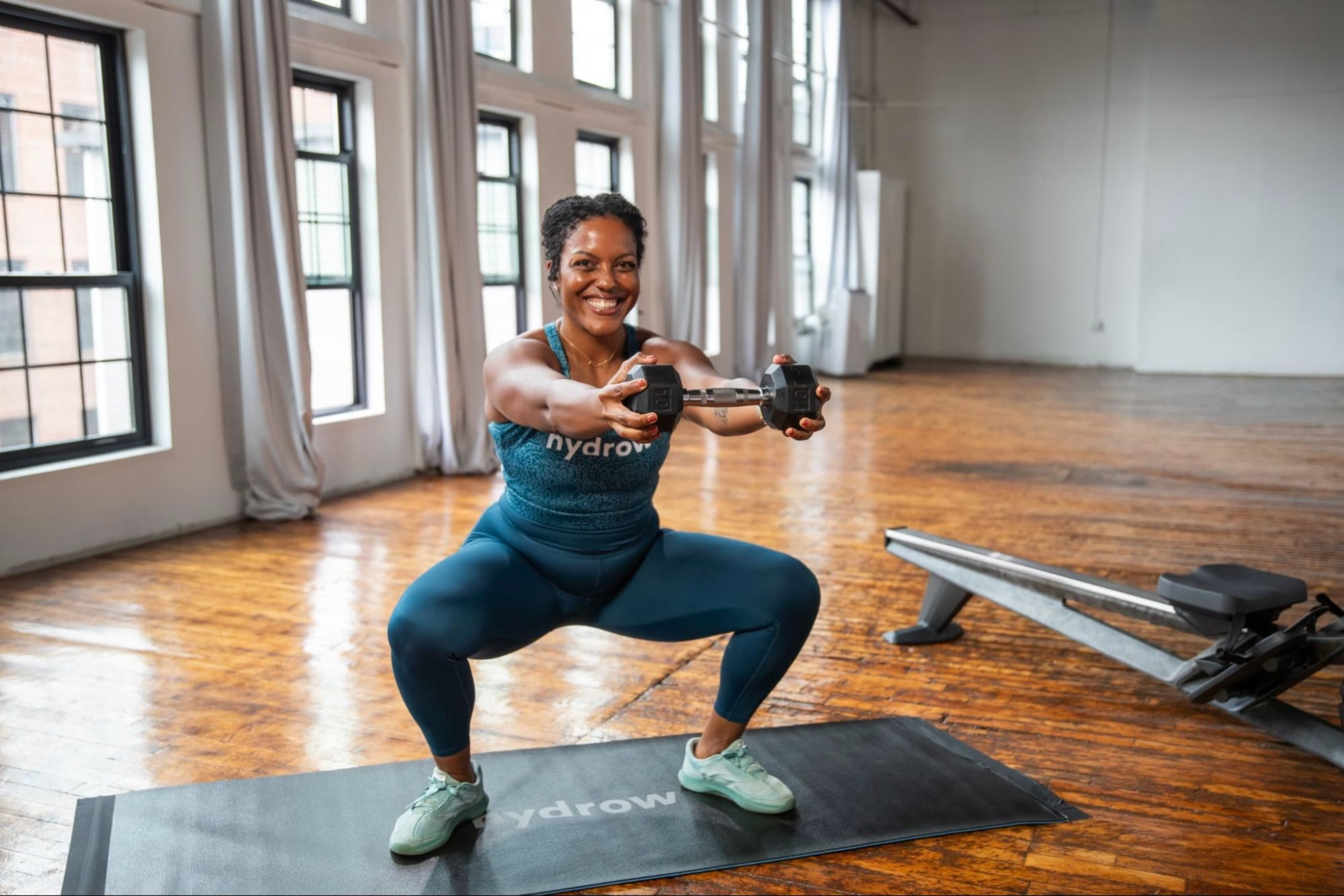
Strength Training for Beginners: How to Build Muscle and Confidence
Strength training is one of the most effective ways to improve overall fitness, build muscle, increase metabolism, and enhance long-term health. While many beginners may feel intimidated by gyms, free weights, or machines, getting started is easier than it seems. The key is understanding fundamentals, proper form, and a structured routine.
This guide breaks down everything beginners need to know about strength training—from why it matters to the best exercises, routines, and tips for long-term success.
Why Strength Training Matters
Many people associate exercise with cardio—running, cycling, or aerobics—but strength training provides unique benefits:
-
Builds Muscle Mass: Muscle improves metabolism, strength, and physical performance.
-
Supports Bone Health: Lifting weights increases bone density, reducing the risk of osteoporosis.
-
Enhances Functional Strength: Everyday tasks like lifting, carrying, and climbing become easier.
-
Improves Posture and Stability: Strong muscles support joints, reduce injury risk, and improve balance.
-
Boosts Confidence: Feeling physically capable improves self-esteem and mental well-being.
Even light or moderate strength training can deliver benefits, making it accessible for all fitness levels.
Basic Principles for Beginners
Before stepping into the gym, beginners should focus on a few key principles:
1. Start with Proper Form
Correct form prevents injuries and ensures you target the right muscles. Beginners should prioritize technique over heavy weights. Consider using mirrors or working with a trainer.
2. Focus on Major Muscle Groups
Compound movements—exercises that work multiple muscles at once—are especially effective. These include:
-
Squats
-
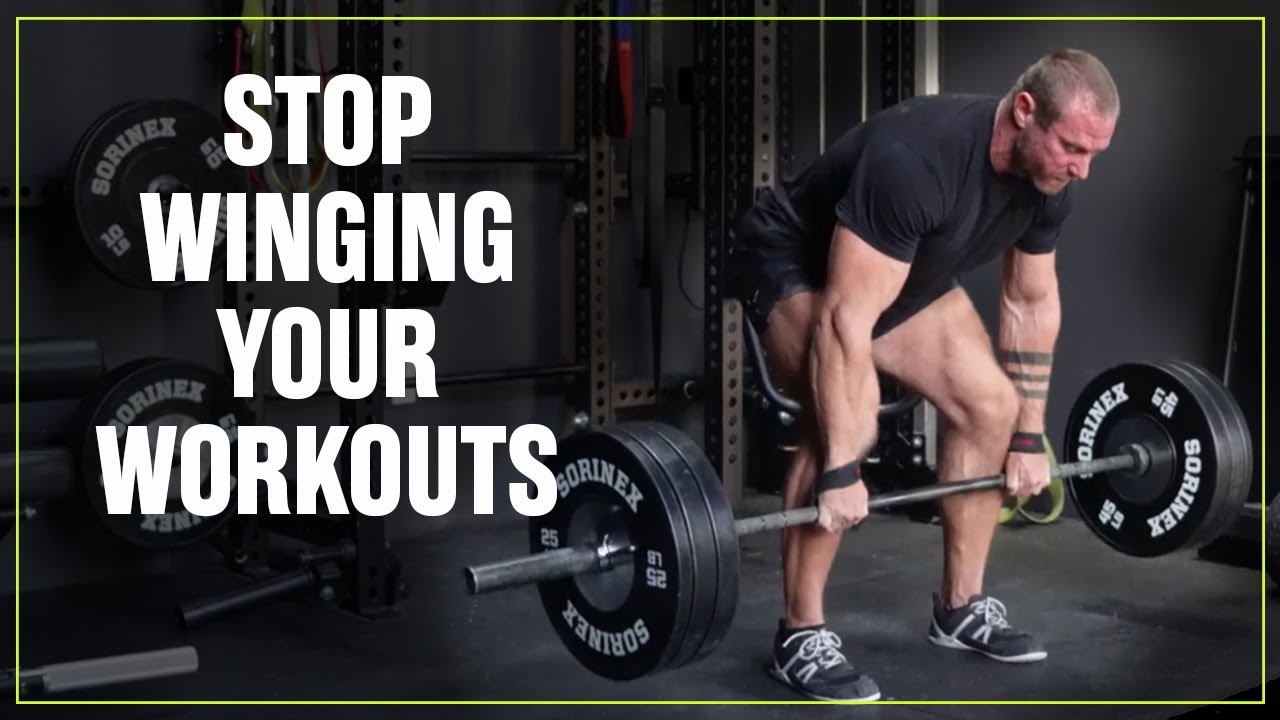
Deadlifts
-
Push-ups or bench presses
-
Rows
-
Overhead presses
3. Use Progressive Overload
To get stronger, gradually increase weight, repetitions, or intensity. Small, consistent progressions build strength without overloading the body.
4. Allow Recovery
Muscles grow during rest, not while lifting. Beginners should schedule 48 hours of recovery between sessions targeting the same muscle group.
Essential Strength Training Exercises for Beginners
Here are the best beginner-friendly exercises, organized by muscle group:
Lower Body
-
Squats: Bodyweight or light dumbbells, targeting quads, glutes, and hamstrings.
-
Lunges: Forward or backward lunges improve balance and leg strength.
-
Glute Bridges: Strengthen glutes and lower back with minimal equipment.
Upper Body
-
Push-Ups: Bodyweight exercise for chest, shoulders, and triceps.
-
Dumbbell Bench Press: Builds chest and arm strength.
-
Rows: Bent-over dumbbell rows target back and biceps.
-
Overhead Press: Strengthens shoulders and arms while engaging the core.
Core
-
Planks: Full-body stability exercise that strengthens the abs and back.
-
Russian Twists: Rotational movement to target obliques.
-
Leg Raises: Focuses on lower abdominal muscles.
These exercises provide a full-body foundation for beginners.
Sample Beginner Strength Training Routine
A simple, beginner-friendly routine can be performed 2–3 times per week:
Warm-Up (5–10 minutes)
-
Light cardio (jog, jump rope, or brisk walk)
-
Dynamic stretches (arm circles, leg swings, torso twists)
Main Workout
-
Squats – 3 sets of 12 reps
-
Push-Ups – 3 sets of 10–12 reps (modify on knees if needed)
-
Dumbbell Rows – 3 sets of 12 reps per arm
-
Lunges – 3 sets of 10 reps per leg
-
Planks – 3 sets, hold 20–40 seconds
-
Glute Bridges – 3 sets of 12 reps
Cool-Down (5–10 minutes)
-
Stretch quads, hamstrings, glutes, chest, and shoulders
-
Focus on deep breathing to relax muscles
This routine hits all major muscle groups and builds strength gradually.
Tips for Staying Consistent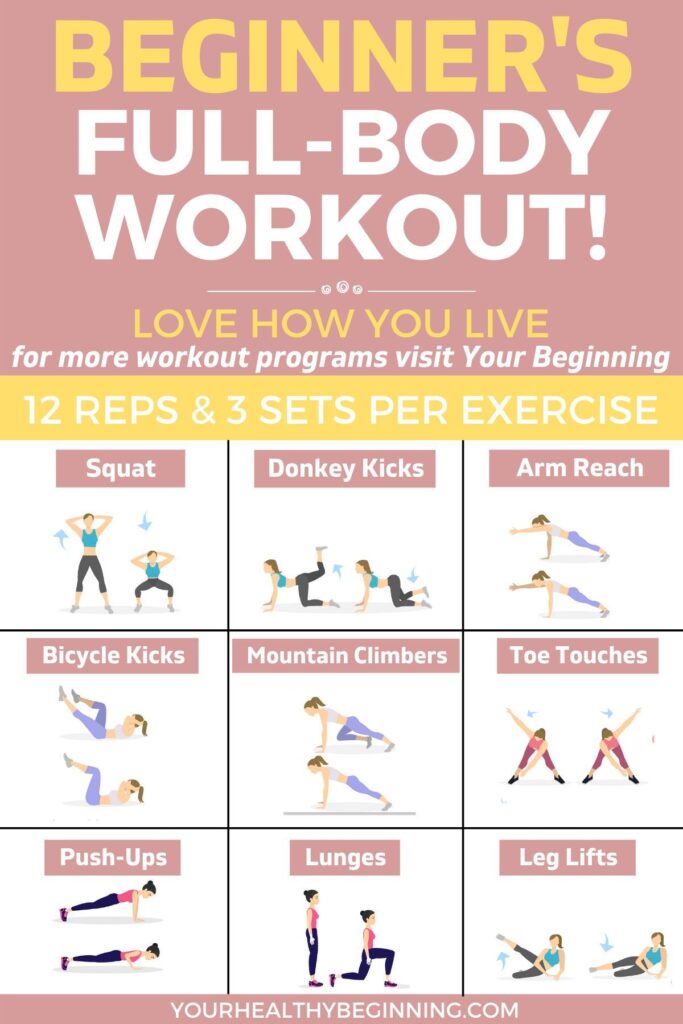
1. Set Realistic Goals
Begin with achievable targets, like completing workouts 2–3 times a week or increasing weight gradually.
2. Track Progress
Keep a log of weights, repetitions, and exercises. Watching progress motivates and ensures proper overload.
3. Listen to Your Body
Mild soreness is normal; sharp pain is not. Rest and modify exercises as needed.
4. Mix It Up
Variety prevents boredom. Alternate exercises, use resistance bands, or try bodyweight variations.
5. Pair with Proper Nutrition
Protein supports muscle growth. Balanced meals with carbohydrates, fats, and vitamins optimize recovery.
Common Beginner Mistakes to Avoid
-
Skipping Warm-Up: Increases injury risk.
-
Using Too Much Weight: Compromises form and safety.
-
Neglecting Recovery: Leads to fatigue and slows progress.
-
Focusing Only on Isolation Exercises: Compound exercises provide more benefit for beginners.
-
Comparing Yourself to Others: Strength progress is individual. Focus on personal improvement.
Benefits Beyond Muscle
Strength training offers benefits beyond visible muscle gains:
-
Mental Health: Reduces stress, improves focus, and boosts mood.
-
Fat Loss Support: Muscle burns more calories at rest, aiding weight management.
-
Functional Fitness: Improves performance in daily activities and sports.
-
Longevity: Strong muscles, bones, and joints contribute to long-term health.
Even beginners who train 2–3 times per week experience meaningful improvements in energy, posture, and confidence.
Conclusion
Getting stronger doesn’t require advanced knowledge, heavy weights, or hours in the gym. By focusing on proper form, compound exercises, and consistent progression, beginners can safely build muscle, improve performance, and transform overall health.
Strength training is not just about aesthetics—it’s a foundation for fitness, confidence, and long-term well-being. Starting today, with small, consistent steps, can lead to a lifetime of strength and empowerment.
Remember: It’s never too late to start, and every small step counts toward getting stronger.
Read Also: The Race to 300 mph: Will Hennessey or Koenigsegg Break the Speed Record in 2025?
Watch Also: https://www.youtube.com/@TravelsofTheWorld24











Leave a Reply