

When we think of the neon-spandex-and-sweatband era of fitness, step aerobics often sits at the center of the memory. It was rhythmic, high-energy, community-driven, and surprisingly intense. For nearly two decades, step aerobics dominated gyms around the world, inspiring subcultures, competition formats, and even shaping how group fitness would evolve in the years to come.
But like many fitness trends, its popularity eventually declined. What’s interesting, though, is why it rose so quickly, why it faded, and why it still matters today — especially as modern fitness continues to circle back to the principles step aerobics perfected long before digital workouts existed.
This article dives deep into the cultural, physical, and social impact of step aerobics — and the lessons its history offers the fitness world today.
1. The Beginning: A Simple Step That Changed Everything
Step aerobics was born in the late 1980s when instructor Gin Miller introduced the idea of using a raised platform to rehabilitate a knee injury. The concept evolved into a full workout: stepping up, down, and across the platform in choreographed patterns.
The idea was incredibly simple — but it delivered results.
What made it revolutionary:
-
It provided a structured cardiovascular workout
-
It was low-cost and required minimal equipment
-
It gave participants a sense of mastery through choreography
-
It brought people together in a group fitness setting
By the early 1990s, classes were packed. Fitness studios couldn’t buy steps fast enough. VHS tapes became household staples. Step aerobics wasn’t just a workout; it was a cultural movement.
2. The Peak: When Step Aerobics Ruled the Fitness World

In its heyday, step aerobics was the ultimate fitness experience, blending music, movement, and community. Instructors layered routines, increasing complexity and intensity, often creating a near-dance or sport-like atmosphere. The workout became not only a physical challenge but also a cognitive one: learning the patterns was part of the fun.
Why it skyrocketed:
-
The rise of gym culture — More people were joining fitness clubs in the late ’80s and early ’90s.
-
The popularity of group exercise — Step aerobics offered an engaging, social approach to fitness.
-
Media influence — Fitness shows, magazines, and video tapes glamorized the workout.
-
Inclusivity — It welcomed beginners and athletes alike, with adjustable step heights and intensities.
-
Results — Step aerobics burned calories, toned muscles, and improved endurance.
For many people, step aerobics didn’t just get them fit; it made them fall in love with movement. It helped them feel powerful, coordinated, and part of a community.
3. The Decline: When Fitness Trends Shifted
No fitness trend lasts forever, and by the early 2000s, step aerobics began losing its dominance.
A few major factors contributed:
1. The explosion of new fitness formats
Kickboxing classes, spinning, Pilates, yoga fusion, and later Zumba and HIIT took the spotlight. Each promised a fresh angle on fitness, and step aerobics began to feel “old school” to many.
2. Choreography became too complex
To keep veteran participants engaged, instructors layered routines until they became intimidating for newcomers. This unintentionally discouraged beginners and reduced class attendance.
3. High-impact misconceptions
Although step can be low-impact, many instructors pushed intensity levels, leading to concerns about knee and joint strain. This created a reputation issue — one that step aerobics didn’t fully recover from.
4. The rise of home workouts and digital fitness
People began shifting to DVDs, then streaming workouts. Step aerobics, which thrived in group settings, didn’t adapt quickly enough.
5. Aesthetic shifts
Fitness fashion and culture shifted from bright, choreographed routines to minimalist, results-driven training like HIIT, CrossFit, and strength-based workouts.
By the mid-2010s, step aerobics was no longer a mainstay in most gyms. Class schedules shrank. Equipment gathered dust. A once-iconic fitness genre was now considered retro.
4. The Legacy: What Step Aerobics Did Better Than Most Trends
Though its popularity declined, step aerobics impacted modern fitness more than people realize.
It pioneered the group fitness model
Today’s group workouts — from dance cardio to boot camps — owe much to step aerobics. It introduced layering, cueing, and music-matched programming that many formats still use.
It proved fitness can be fun
Step aerobics turned exercise into a coordinated, joyful, community-driven experience. That philosophy is now at the heart of countless modern classes.
It trained both body and brain
Few workouts demand the mental sharpness of step choreography. Coordination, memory, and rhythm all play major roles.
It empowered women in the fitness space
The leadership of female instructors, the welcoming atmosphere, and the non-competitive structure created a space where women felt confident and strong.
It produced one of the most versatile cardio workouts ever
Step aerobics remains:
-
Joint-friendly
-
Scalable
-
Full-body
-
Budget-friendly
-
Great for all ages
Even today, no equipment-based cardio workout matches the combination of musicality, rhythm, and athleticism that step provides.
5. The Rebirth: Why Step Aerobics Matters Today


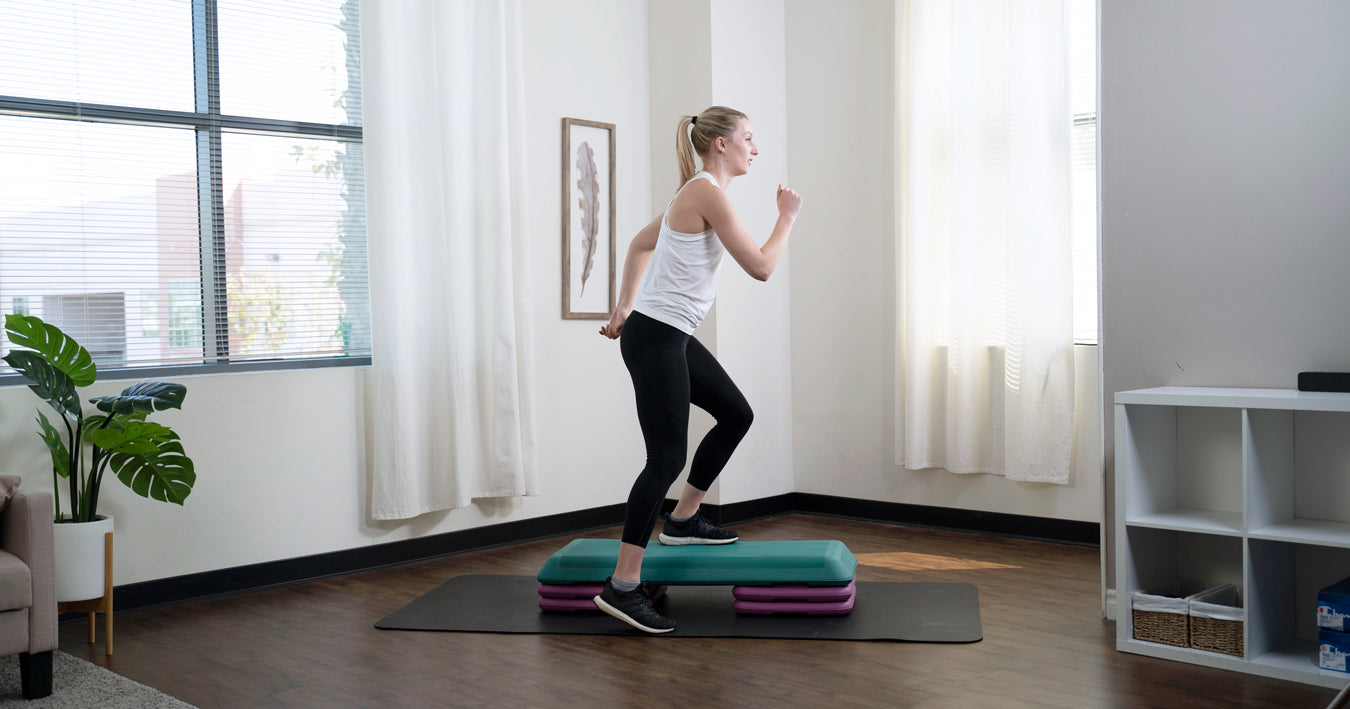
Interestingly, step aerobics is quietly re-entering the spotlight.
1. The rise of nostalgic fitness
Younger generations are rediscovering early fitness culture and loving it. Retro workouts are being revived across social media, and step aerobics fits the aesthetic perfectly.
2. The need for low-impact but effective workouts
As people seek joint-friendly alternatives to high-impact training, step aerobics offers intensity without excessive strain.
3. At-home fitness revival
A step platform is affordable, compact, and extremely versatile. Streaming platforms now feature modernized step classes that blend classic choreography with fresh music and updated intensity.
4. Mental health focus
Step aerobics supports emotional well-being through rhythm, music, and endorphin release — elements that modern fitness consumers value more than ever.
5. The “fun factor” is back in demand
After years of brutal, results-only workout culture, people want joy, creativity, and self-expression again. Step aerobics provides exactly that.
Read Also: The Race to 300 mph: Will Hennessey or Koenigsegg Break the Speed Record in 2025?
6. What the Fitness World Can Learn From Step Aerobics
The story of step aerobics is more than a rise-and-fall narrative. It’s a lesson in how the fitness industry evolves — and what people truly need from movement.
Lesson 1: Community drives consistency
People stick with workouts when they feel connected. Step aerobics built some of the strongest fitness communities ever.
Lesson 2: Simplicity wins, but creativity sustains
The best workouts are straightforward but adaptable. Step aerobics did this beautifully in its prime.
Lesson 3: Accessibility matters more than trendiness
When choreographies became too complex, beginners left — and the whole trend suffered.
Lesson 4: Fun is powerful
Joy keeps people moving longer than discipline alone ever will.
Lesson 5: Versatility gives longevity
Even after its decline, step aerobics remains relevant because you can adjust it for age, fitness level, and ability.
Conclusion: Why Step Aerobics Still Deserves a Place in Modern Fitness
Step aerobics may no longer dominate studio schedules, but its impact is woven into the DNA of modern fitness. It revolutionized group exercise, empowered people to move confidently, and introduced a blend of intensity, coordination, and fun that few workouts can match.
Its rise and fall reflect the broader cycles of fitness culture — but its enduring value shows that great workouts never truly disappear. They simply evolve, waiting for the next generation to rediscover their magic.
And as digital platforms continue to revive retro trends, step aerobics is finding new life once again — proving that a simple step up and down can still take us farther than we imagine.
Watch Also: https://www.youtube.com/@TravelsofTheWorld24







Leave a Reply