
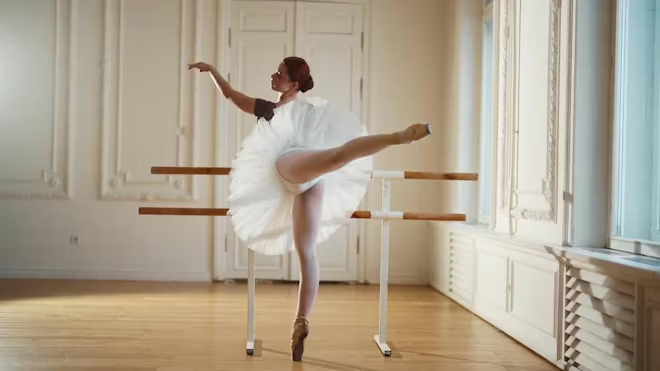
Learning dance steps is one of the most fascinating blends of art and science. While it may look effortless on stage—every turn sharp, every extension perfect, every sequence in sync—the process behind learning choreography is deeply layered. Dancers rely on music, muscle memory, internal counting, visual cues, and an almost indescribable intuitive connection that many call the “mystery” of dance learning.
Some dancers learn fast, some need repetition, and some absorb routines through feeling rather than thinking. But no matter the method, all dancers move through the same core stages of mastering choreography. Here’s an inside look at how the mind and body come together to learn the steps that eventually set the stage on fire.
1. The First Encounter: Listening Before Moving
Most dancers don’t begin with steps—they begin with sound.
Before choreography is taught, instructors often play the music several times, letting dancers absorb the tempo, mood, and emotional tone. The music sets the foundation for everything: timing, energy, pacing, and attitude.

Dancers listen for:
-
Beats and rhythms
-
Changes in dynamics (slow, fast, soft, powerful)
-
Instrumental cues (a drum hit, a violin swell, a bass drop)
-
Sections of the song where specific phrases might fit
This phase is critical because dance isn’t just memorizing steps—it’s understanding the sonic landscape. Many dancers say they can “feel” the choreography before they even learn it.
2. Breaking Down the Movement Phrase by Phrase
Once the music is felt, the teacher begins teaching the choreography in sequences, often called phrases, eights, or counts. These sections are like paragraphs in a story—each with its own structure but all connecting to form a narrative.
Dancers typically learn in small chunks:
-
A 4-count movement
-
Then an 8-count
-
Then a full phrase
-
Then the phrase sequence is added to the larger routine
Instructors demonstrate, dancers copy, and then everyone repeats slowly, usually several times. This repetition solidifies the movement into the body.
The first run-through is always the most challenging, but the brain quickly begins forming movement patterns, mentally linking each step to what comes next.
3. Muscle Memory: The Body Remembers What the Mind Forgets
One of the most magical aspects of dance learning is muscle memory.
After enough repetition, the body begins performing steps automatically—even when the dancer isn’t consciously thinking about them.

This happens because:
-
The brain creates neural pathways for repetitive motion
-
Movements become encoded into procedural memory
-
The body learns efficiency, smoothness, and timing
-
Eventually, the dancer stops “thinking” and starts “doing”
This is why dancers can eventually perform entire routines while talking, laughing, or thinking about something else. Their bodies hold the choreography as strongly as any written script.
4. The Invisible Tool: Counting
Behind every graceful dance performance is something not visible to the audience: counting.
Most dancers learn choreography with counts such as:
-
5, 6, 7, 8
-
1 & 2 & 3 & 4
-
1, 2, 3… 10, 11, 12 (common in contemporary and ballroom)
Counting helps dancers:
-
Stay in sync
-
Understand timing
-
Break complex movements into manageable units
-
Reset easily if they lose their place
Even when music is absent, dancers can rehearse perfectly—because the counts act as an internal metronome.
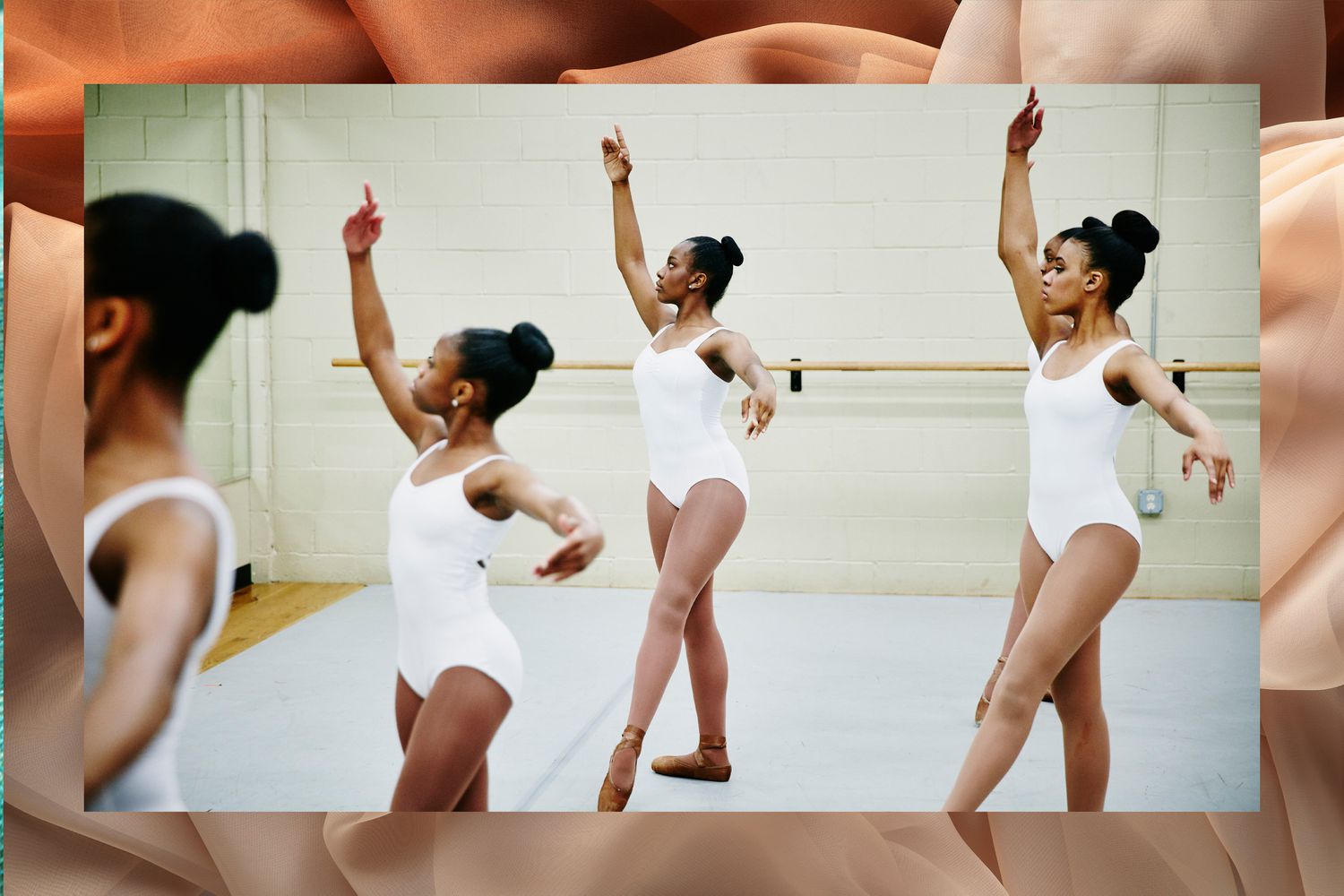
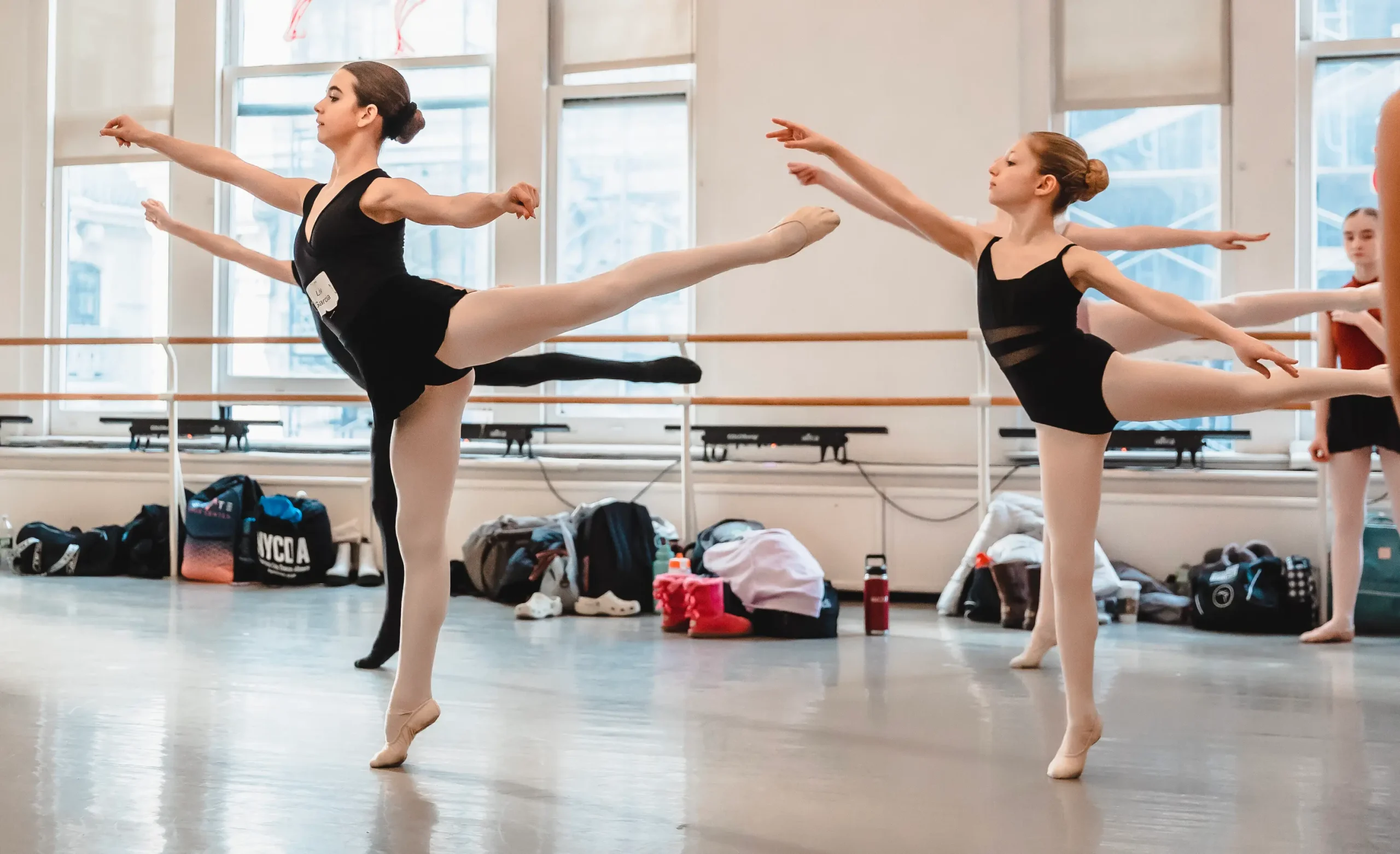
5. Visual Learning: Mirrors, Teachers, and Each Other
Dance studios are lined with mirrors for a reason:
visual learning is a major part of dance education.
Dancers watch:
-
The instructor’s demonstration
-
The shapes of their own bodies
-
The movement of nearby dancers for spacing
-
The flow of the group
Many dancers learn faster by watching than listening, especially those who pick up choreography visually rather than verbally.
But once the choreography starts to settle, instructors often make dancers repeat phrases away from the mirror to encourage internalizing the shapes instead of relying on reflection.
6. The Role of Emotion: Dancing Beyond the Steps
Technical mastery is only half the learning process.
Dancers must also absorb the emotional texture of the choreography.
This includes understanding:
-
Is the dance joyful or sorrowful?
-
Sharp or fluid?
-
Grounded or airy?
-
Controlled or wild?
Emotion adds meaning, and meaning improves memory.
When dancers connect personally to a piece, they learn it faster and perform it more authentically.
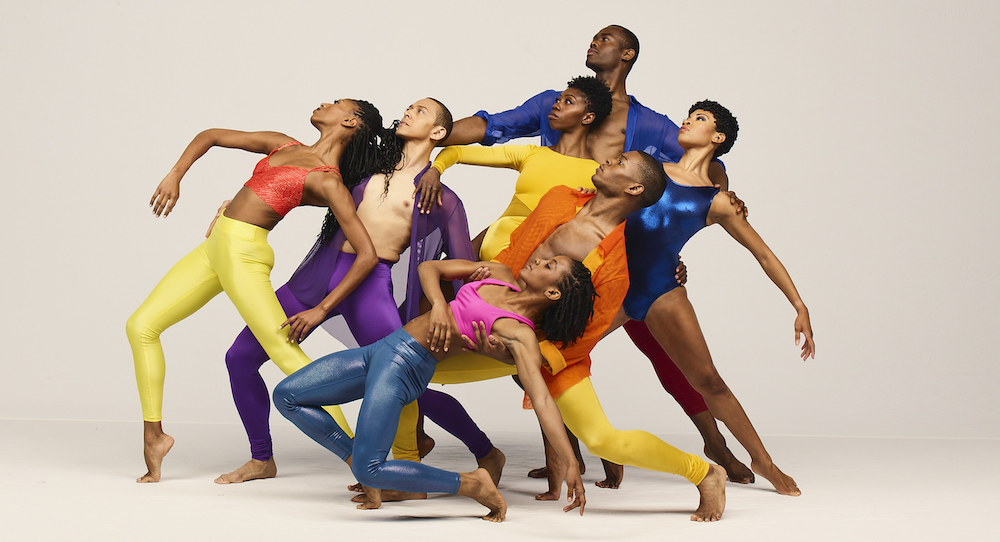
7. Spacing, Formations, and Group Awareness
Choreography isn’t just about movement—it’s also about where dancers move.
Later in rehearsals, dancers learn:
-
Formations (lines, circles, diagonals)
-
Transitions (how to move from one formation to another)
-
Spacing cues (standing behind someone, beside someone, or forming patterns)
-
Timing cues (entering early or late depending on the sequence)
Group synchronization is an art form in itself, requiring dancers to develop a sense of spatial intelligence that goes beyond simple memorization.
8. Repetition: The Secret Ingredient
Even the most talented dancers rely on hours of repetition.
This transforms choreography from unfamiliar to automatic.
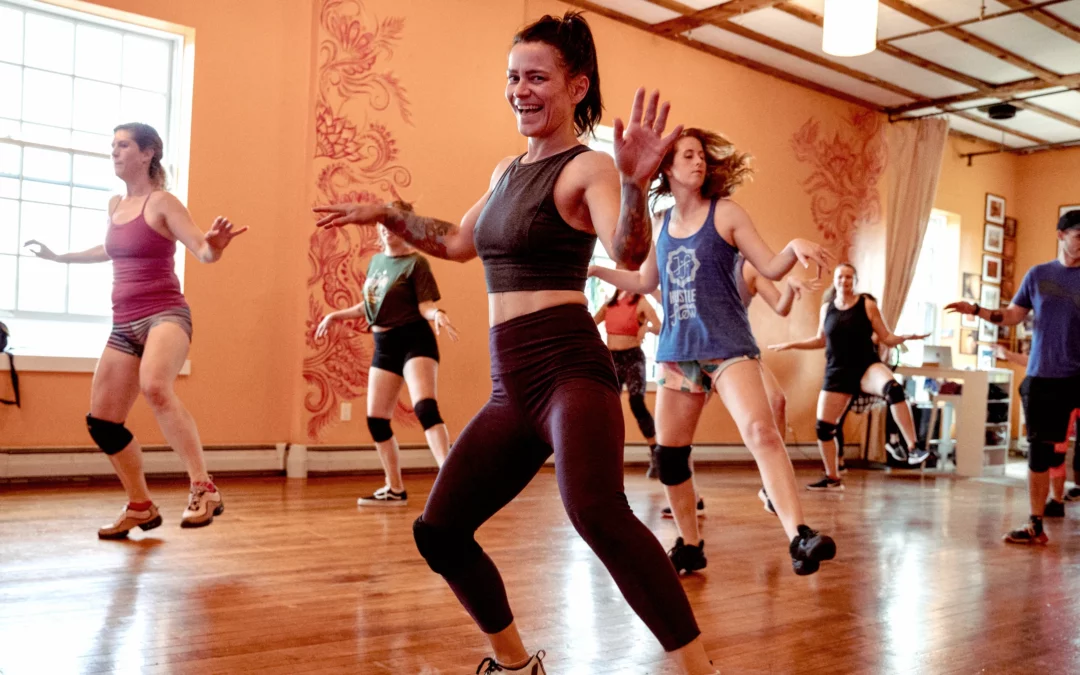
Through repetition, dancers refine:
-
Precision
-
Coordination
-
Stamina
-
Transitions
-
Performance quality
This stage is where everything finally “clicks.”
9. The Mystery: Intuition, Instinct, and the Unexplainable
Beyond music and muscle memory, dancers possess something harder to describe:
intuition.
This includes:
-
Sensing the next step without thinking
-
Feeling the rhythm before it happens
-
Syncing with fellow dancers without speaking
-
Finding emotional meaning in movement
Some dancers say choreography “downloads” into their body; others describe it as a “flow state” where the dance feels natural instead of memorized.
This mysterious element—part instinct, part artistry—is what transforms choreography into something alive.
Conclusion: Learning Dance Is Both Science and Magic
Dancers learn their steps through a beautiful combination of:
-
Music analysis
-
Technical breakdowns
-
Muscle memory
-
Counting and timing
-
Visual cues
-
Emotional expression
-
Intuition and mystery
The process is physical, mental, emotional, and almost spiritual.
What may look like simple memorization is actually a sophisticated interplay between the brain, the body, and the music—layered with repetition, passion, and instinct.
In the end, dance is more than steps.
It’s the moment when memory becomes movement, and movement becomes meaning.
Read Also: Keep your face towards the sunshine and shadows will fall behind you
Watch Also: https://www.youtube.com/@TravelsofTheWorld24





Leave a Reply