

In recent years, the internet has been flooded with images, videos, and news stories of aliens being “unboxed” or captured — often displayed as if they were tangible objects or even living specimens. From YouTube videos claiming to reveal secret government findings to viral social media posts showcasing small, green or grey humanoids, the phenomenon of fake unboxed aliens has captured global attention. Surprisingly, the stories behind these fakes are often more bizarre, entertaining, and intricate than actual scientific discussions of extraterrestrial life.
The Phenomenon of Unboxed Aliens
The concept of “unboxed aliens” involves alleged discoveries of alien bodies, often retrieved from secret crash sites or hidden labs. These images typically show small humanoid figures in clear containers, wrapped in futuristic materials, or presented as evidence of extraterrestrial existence.
Key aspects of the phenomenon include:
-
Viral Spread
-
Platforms like YouTube, TikTok, and Instagram have amplified videos showing “unboxed aliens,” sometimes reaching millions of views.
-
Social media algorithms favor sensational content, making fake alien videos go viral quickly.
-
-
Photographic Realism
-
High-quality CGI, 3D modeling, and practical effects make some of these fakes remarkably convincing.
-
Lighting, shadows, and textures are carefully crafted to mimic laboratory or government environments.
-
-
Storytelling Elements
-
Many unboxing videos include backstory: secret government labs, UFO crashes, or whistleblower claims.
-
The narratives often blend conspiracy theories, cinematic suspense, and mystery, enhancing believability.
-
Origins of the Fake Aliens
The origins of these fake unboxed aliens are surprisingly varied and creative, often drawing on multiple sources:
-
Entertainment and Film Influences
-
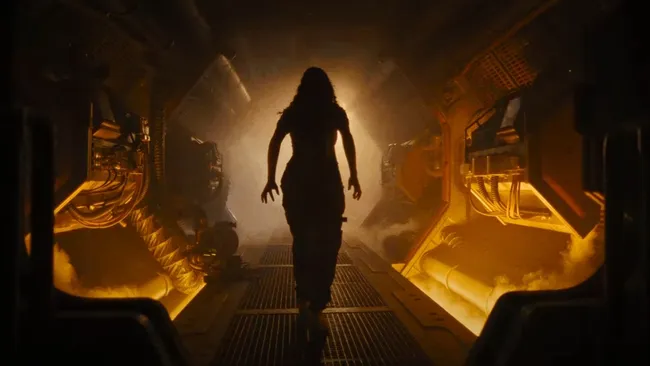
Movies like E.T., Alien, and The X-Files have inspired artists and filmmakers to create lifelike alien replicas.
-
Practical effects studios provide materials, molds, and animatronics that are repurposed for viral content.
-
-
Internet Hoaxes and Pranks
-
Anonymous creators and pranksters design aliens to generate clicks, followers, or attention.
-
Some hoaxes intentionally mimic the aesthetic of classified government facilities to create a sense of authenticity.
-
-
DIY and Maker Communities
-
Hobbyists and 3D printing enthusiasts craft detailed alien models for display, cosplay, or experimentation.
-
High-resolution images of these models are sometimes edited to appear as if they were “real specimens.”
-
-
Conspiracy Culture
-
Popular UFO and alien conspiracy theories provide a ready-made audience eager to believe in unboxed aliens.
-
Claims of secret recovery of extraterrestrial bodies at crash sites, like the alleged Roswell incident, feed the narrative.
-
These origins highlight how human creativity, technical skill, and cultural fascination with aliens combine to produce highly convincing illusions.
Photography and Image Techniques
Fake unboxed alien content relies heavily on visual manipulation. Photographers and digital artists employ advanced techniques to enhance realism:
-
3D Modeling and Rendering
-
Programs like Blender, Maya, and ZBrush create highly detailed alien anatomies with realistic textures.
-
-
Lighting and Shadows
-
Simulating laboratory lighting conditions or shadow interplay enhances the authenticity of the scene.
-
-
Post-Processing
-
Color grading, blur effects, and digital noise mimic photographic artifacts.
-
Adding reflections on glass containers or environmental elements increases credibility.
-
-
Compositional Context
-
Props like lab instruments, measurement devices, or government-style signage make the scene more believable.
-
When done skillfully, these techniques create images that are visually compelling and difficult to distinguish from real photographs at first glance.
Why Fake Unboxed Aliens Are More Entertaining Than Real Ones
While humanity has yet to confirm extraterrestrial life, the stories of fake unboxed aliens often feel wilder than scientific reality:
-
Narrative Drama
-
Each fake alien comes with a story of secret labs, whistleblowers, or interstellar crashes, making the story inherently cinematic.
-
-
Visual Shock Value
-
The alien designs themselves are often grotesque, tiny, or unnervingly humanoid, creating a strong emotional response.
-
-
Accessibility
-
Unlike real scientific research, which requires expertise, laboratory access, and peer-reviewed evidence, fake aliens can be immediately consumed and shared online.
-
-
Mythmaking
-
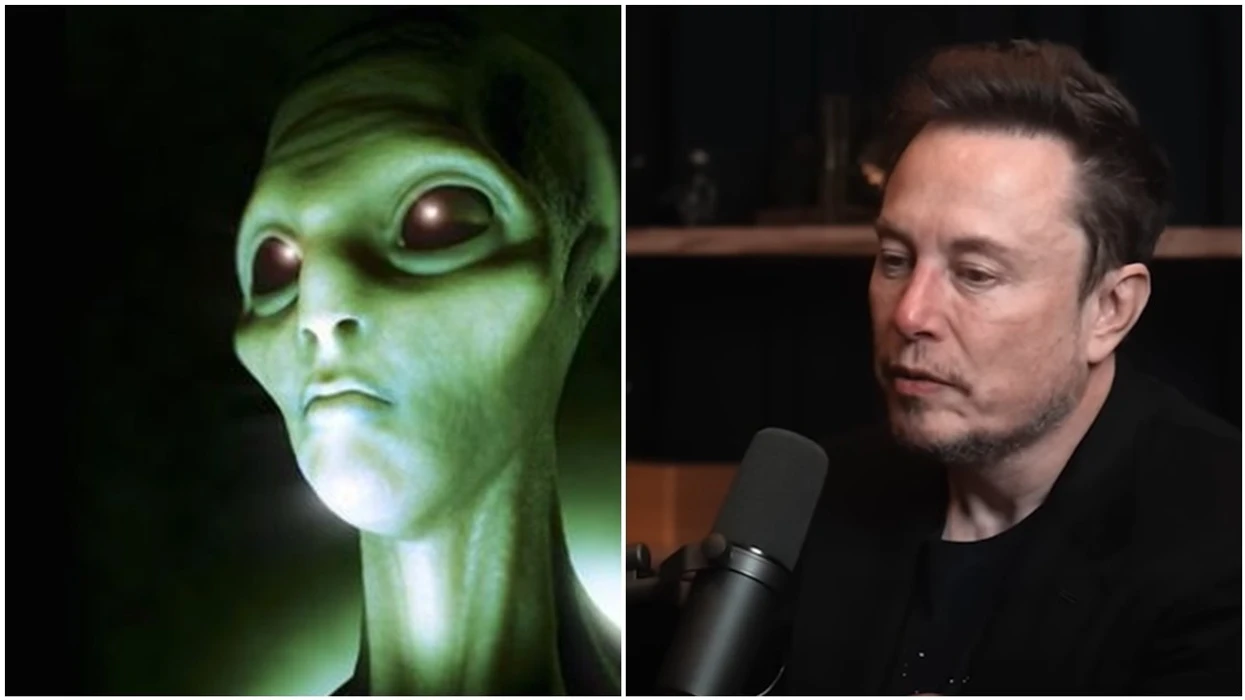
The fakes contribute to modern folklore, complete with recurring motifs such as grey skin, oversized eyes, or small stature.
-
-
Interactive Culture
-
Audiences comment, remix, and reinterpret the content, blurring the lines between creator and viewer, and turning fake aliens into collaborative storytelling objects.
-
Case Studies of Fake Unboxed Aliens
1. The “Glass Container Alien” Viral Series
-
Videos showed small, grey aliens in clear plastic or glass containers, often with scientists or military-style props.
-
Close examination revealed prosthetics, CGI enhancements, and miniatures used to create realistic depth.
-
The series achieved millions of views within weeks, sparking debates about authenticity.
2. The 3D Printed Alien Hoax
-
An artist community posted high-resolution images of aliens created with 3D printers and resin painting techniques.
-
Images were edited to appear as if they were recovered from crash sites.
-
Despite being fictional, the realism led some viewers to claim eyewitness verification.
3. The “TikTok Alien Unboxing” Trend
-
Short-form videos of “unboxing” tiny aliens became a viral meme trend.
-
Creators emphasized sound design, camera angles, and props to simulate laboratory environments.
-
The trend demonstrates how humor, horror, and conspiracy culture intersect online.
The Psychology Behind Believing Fake Aliens
Why do so many people fall for unboxed alien imagery? Several psychological factors contribute:
-
Pattern Recognition
-
Humans instinctively seek familiar forms and can interpret ambiguous shapes as meaningful.
-
-
Confirmation Bias
-
Those predisposed to believe in aliens selectively accept information that aligns with their worldview.
-
-
Suspension of Disbelief
-
Social media framing and realistic photography encourage viewers to accept the illusion temporarily.
-
-
Viral Peer Pressure
-
Seeing millions of others share and comment on the content reinforces perceived legitimacy.
-
These factors combine to create a culture in which fake unboxed aliens feel real, even in the absence of scientific proof.
The Role of Media in Amplifying the Myth
-
Social Media Algorithms
-
Platforms prioritize engaging content. Sensational alien videos and images get rapid exposure.
-
-
Clickbait Headlines
-
Titles claiming “NASA caught aliens on camera” or “Government unboxes extraterrestrial specimen” amplify curiosity and sharing.
-
-
News Coverage
-
Some mainstream media outlets cover viral alien stories, inadvertently legitimizing hoaxes.
-
-
Community Validation
-
Online UFO and alien enthusiast groups discuss, dissect, and circulate images, giving them an aura of authenticity.
-
Media amplification demonstrates how content can appear credible without any scientific backing.
Read Also: The Race to 300 mph: Will Hennessey or Koenigsegg Break the Speed Record in 2025?
Real vs. Fake: Scientific Perspective
While fake unboxed aliens are entertaining, real science approaches the question of extraterrestrial life differently:
-
SETI and Radio Signals: Scientists search for technosignatures and radio patterns rather than unboxed specimens.
-
Astrobiology: Focuses on microbial life or bio-signatures on planets and moons like Mars or Europa.
-
Exoplanet Research: Uses spectroscopy to analyze atmospheres for signs of habitability.
Compared to viral alien videos, these real-life investigations are slower, evidence-based, and cautious — yet far less sensational. This contrast makes fake unboxed aliens feel wilder than reality.
Why Fake Unboxed Aliens Matter
Even though they are not real, fake aliens have cultural, educational, and artistic significance:
-
Artistic Expression
-
Concept artists push the boundaries of imagination, creating new species and ecological narratives.
-
-
Cultural Commentary
-
The phenomenon reflects societal fascination with secrecy, the unknown, and the limits of human knowledge.
-
-
Engagement and Education
-
Curiosity about fake aliens can lead audiences to explore real astronomy, space exploration, and astrobiology.
-
-
Digital Literacy
-
Recognizing the techniques behind fake aliens improves critical thinking about media and visual information.
-
Thus, fake aliens serve as both entertainment and an entry point for scientific engagement.
Conclusion
The origin of fake unboxed aliens is, in many ways, more entertaining, bizarre, and intricate than actual extraterrestrial life. Viral videos, 3D renderings, and imaginative narratives combine technical skill with cultural fascination, creating a phenomenon that captures the imagination of millions.
While these aliens are not real, they highlight the human desire to explore, to believe, and to imagine life beyond Earth. They also underscore the power of photography, digital illustration, and social media in shaping modern folklore.
In a universe that may or may not host intelligent life, the tales and images of fake unboxed aliens remind us that our creativity and curiosity can sometimes outshine the unknown itself — producing stories and visuals as wild, strange, and captivating as any actual alien encounter could ever be.
Watch Also: https://www.youtube.com/@TravelsofTheWorld24










Leave a Reply